Showing posts with label Inês de Medeiros. Show all posts

Friday, May 1, 2020

Extracurricular Activities

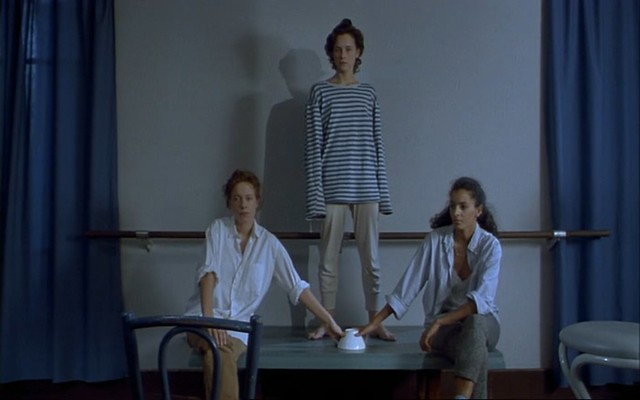
La Bande des Quatre/Gang of Four (1989) - Rivette
Screen Shot 2020-04-30 at 11.56.21 AM
Screen Shot 2020-04-30 at 5.15.42 PM
Screen Shot 2020-04-30 at 4.01.38 PM
Screen Shot 2020-04-30 at 11.50.07 AM
Screen Shot 2020-04-30 at 3.58.24 PM
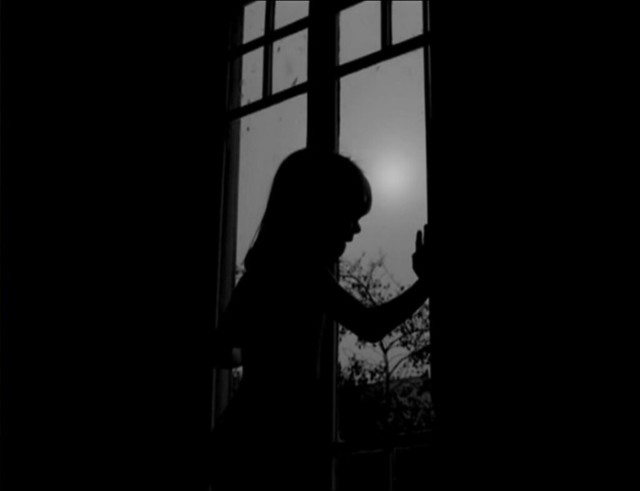
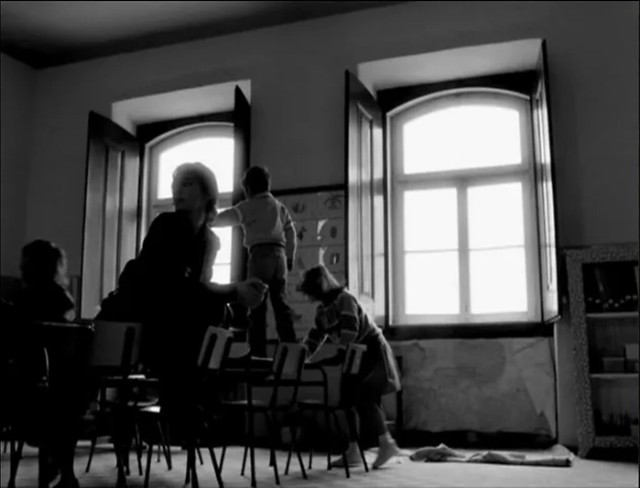
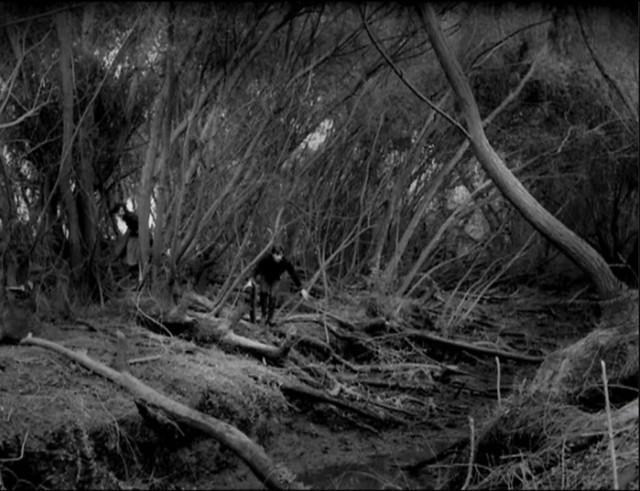
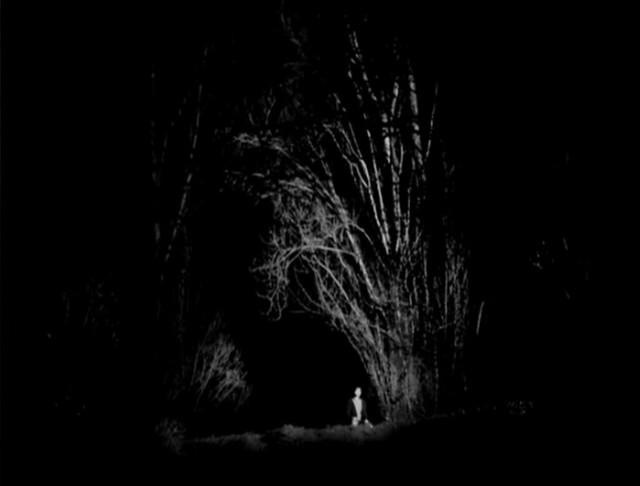
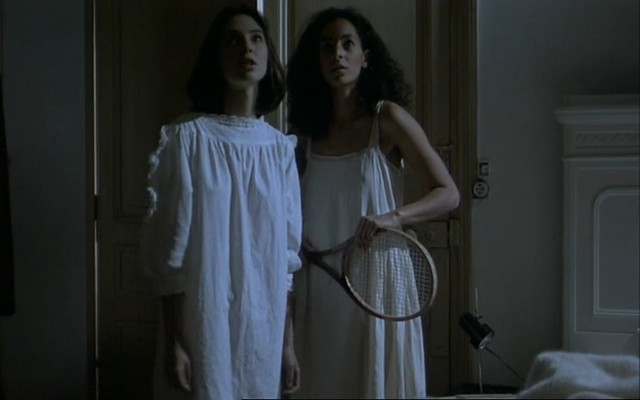
Not as playful as Celine and Julie Go Boating or Duelle, Gang of Four, Rivette's late 80s offering, nonetheless features and highlights young famale French actors' talents and charms on full display. They are Fejria Deliba (Anna), Laurence Côte (Claude), Bernadette Giraud(Joyce) and Inês de Medeiros (Lucia). They are roommates living in an old house in the Paris suburb, taking the same theater classes taught by Constance (Bulle Ogier). This leisurely paced film spends half of its time on stage as they (and others) take turns in various roles and play out scenes for Constance, their esteemed teacher, and the other half in extra curricular/theatrical activities outside the stage which involves a slight conspiracy with one of the students, Cécile (Natalie Richard), who just moved out of the house. It is slowly revealed that Cécile and her boyfriend is involved in some crime and it's affecting her ability to take classes and concentrate on her work.

In true Rivette fashion, things are light and fluid; our protagonists' lives reflecting Constance's stage directions sometimes, sometimes not, small intrigues that permeate and preoccupy some of the characters, interconnecting their lives in mysterious ways.

Interesting to see some of the faces who went on to a successful careers - I remember boyish Côte from Téchiné's superb Les Voleurs (1996), and Medeiros from two early Pedro Costa films, O Sangue (1989) and Casa de Lava (1996) and Irene Jacob (Double Life of Veronique, Red) in a non-speaking role as one of the students as well.

So what's next for me in Rivette's filmography? Noroit? Va Savoir? The sky is the limit!

Tuesday, October 27, 2015

Take Me to the River

O Sangue (1989) - Costa
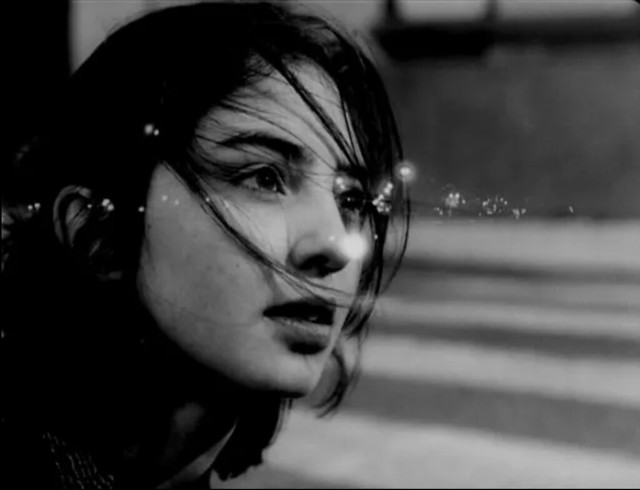
Screen Shot 2021-04-23 at 10.27.28 AM Screen Shot 2021-04-23 at 10.32.45 AM Screen Shot 2021-04-23 at 10.47.41 AM Screen Shot 2021-04-23 at 10.48.15 AM Screen Shot 2021-04-23 at 10.28.55 AM Screen Shot 2021-04-23 at 10.48.46 AM Screen Shot 2021-04-23 at 10.49.20 AM Screen Shot 2021-04-23 at 10.49.47 AM Screen Shot 2021-04-23 at 10.51.42 AM Screen Shot 2021-04-23 at 10.29.21 AM Screen Shot 2021-04-23 at 10.29.42 AM Screen Shot 2021-04-23 at 10.43.14 AM Screen Shot 2021-04-23 at 10.30.22 AM The film starts with a face slap in the middle of rural road. Dying father hides his illness from his young sons. But Vicente (Pedro Hestnes) is growing up too fast and knows what's going on. He in turn, tries to shield the truth from his sickly younger brother Nino (Nuno Ferreira). "He went away and you will never see him again," Vicente announces after finding an empty hole and burying his father in the cemetery at night with the help of his childhood sweetheart, now a school helper Clara (Inês de Medeiros). The brothers' uncle from Lisbon tries to take Nino away and Vicente attacks him. But gangsters whom his dead father owes money to comes after Vicente and the uncle takes Nino to the city. Clara first needs to get Nino back, then Vicente.

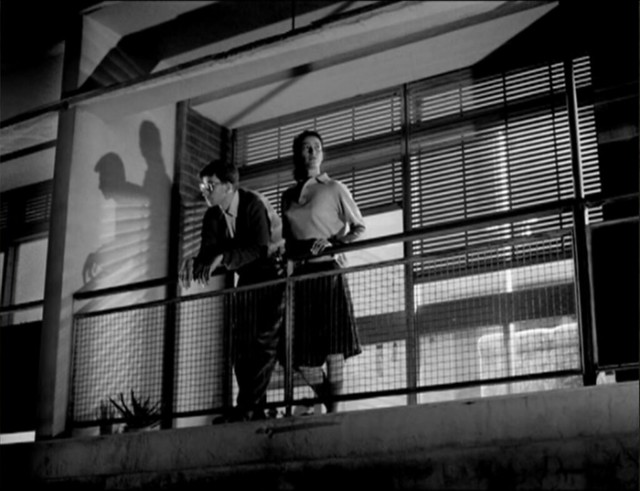
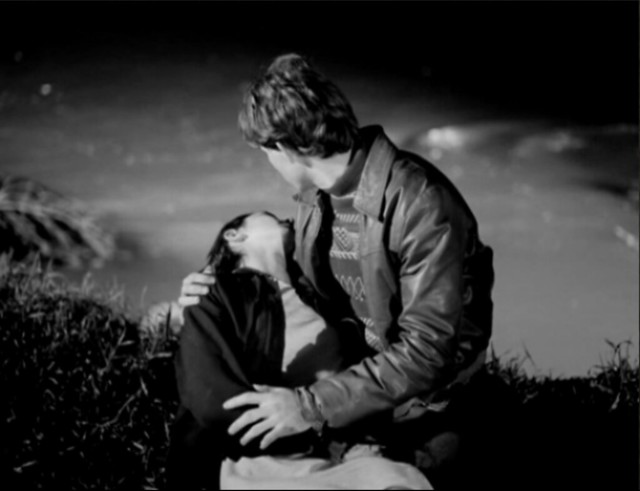
Shot rapturously in monochrome with old timey music, O Sangue feels like watching a fairy tale story from the silent era. You can tell that Costa is a good student of old films- the lyricism in O Sangue evokes those of Jean Epstein, Jean Vigo, Jacques Tourneur and Robert Bresson (especially Four Nights and a Dreamer). Beautiful moments between our two young lovers, always by the river at night, are interrupted by deaths - one such scene even reminds me of foggy boat ride in Ugetsu. Look and feel-wise, it also has much in common with Leos Carax (another good student of old films)'s equally stunning debut, Boy Meets Girl. The loneliness he portrays at the balconies on New Year's Eve is just as picturesque as the rest of the film. At once melancholic and optimistic, old and new (there is a dance party near the river where they play 80s dance music), Costa's sodden poetic images and lost but determined souls have magical power to move you. It's an astonishingly beautiful film. Definitely the top 100 material.

Sunday, September 20, 2015

Island of the Dead

Casa de Lava (1994) - Costa
 photo 283e017d-bb70-4681-9d33-99053cd57494_zps9mwmzfqs.png
 photo c9149d4e-d209-499c-aa1f-6e9bf9358918_zps09o2nsaf.png
 photo 2c2b418a-aa6e-4e67-945c-88fdd54a6fba_zpst8gz4sxf.png
 photo ebb1135e-5d91-4f4e-8d4b-5b5fafe8af93_zpso9vlojsx.png
 photo 3cc7b88d-2839-443a-8b61-760cb5b4b5d0_zpsuzxfebet.png
 photo 4ae308a8-7a6b-4f7c-a651-b3f651c9a299_zpsoyzatana.png
 photo d73dd048-7fdb-47dc-88c6-fc942587efa9_zpsv1neoa2v.png
 photo f711269c-b81e-47be-a90f-e9bcff4b7600_zpsejczz2mj.png
 photo f0587b22-c1a1-48ec-94da-c4f2b3e70304_zps2oo6wu87.png
 photo 1ef9ad10-2459-4aed-96d4-ee1383d77766_zps1mwps9dm.png
Costa talks about Casa de Lava as the gateway to his subject of his four films, now gone, Fontainhas, an urban shanty town of Lisbon of which many Cape Verdean immigrants once called their second home. It was the otherworldly landscape of the volcanic island of Fogo, that he had heard so much about from the immigrant workers which lured him in.

A nurse named Mariana (Inês de Medeiros) accompanies a construction worker, Leão (Isaach De Bankolé), who fell into a coma from an accident (or suicide attempt?) to his home in Cape Verde. The transportation fee was anonymously donated by the inhabitants of that island nation who wanted him back. Taking a cue from Jacques Tourneur's I Walked with a Zombie, Costa equates Cape Verdeans or what's left of them (massive immigration to the mainland and many are still preparing to leave) to the dead and the dead are calling back Leão. Devoted Mariana isn't getting anywhwere, stuck in the land of the dead, stuck between her loyalty to Leão and the local white boy, the son of mysterious white woman Edith (Edith Scob).

The colonial past is ingrained in everyone's faces - former booming slave trading post, inhabited by pirates and also used as a penal colony, abandoned after 19th century, the mixed race faces are as distinctive and beautiful as that of Brazilians. Elliptical narrative has no stronghold in this but the glorious nighttime cinematography and the beauty of volcanic surroundings make up for its lyrical poetry. You can totally see his later impressionistic approach to filmmaking brewing in the midst of Casa.