Showing posts with label Alexander Kluge. Show all posts

Monday, December 19, 2016

My Top 10 Discoveries 2016

This is more like a year end summery of my viewing habits. It pains me that I wasn't more adventurous this year and didn't dig deep enough to see more films, because it is evident that I watched more interesting stuff earlier in the year than later. I'll be more adventurous next year I hope.

Hunter (2015) - Scott Barley
3200254a-3a7b-4526-a62a-92dfbed96449_zpsr6wtr3b4
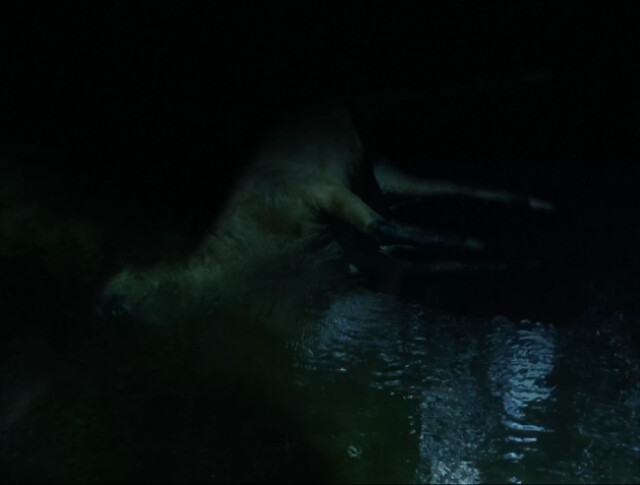
2016 started with a bang for me. In the KG Artist section at the torrent site, I discovered Scott Barley's work. Dark, mysterious and touching, his portrayal of beautiful loneliness deeply affected me. I've devoured everything the young artist has to offer. I contacted him and to my surprise, he responded and our correspondence resulted in an in-depth interview. There were other short experimental stuff I checked out too, notably:

Crystal World
(2013) - Pia Borg
crystal world2_zpsdetj4ha8

Then I watched
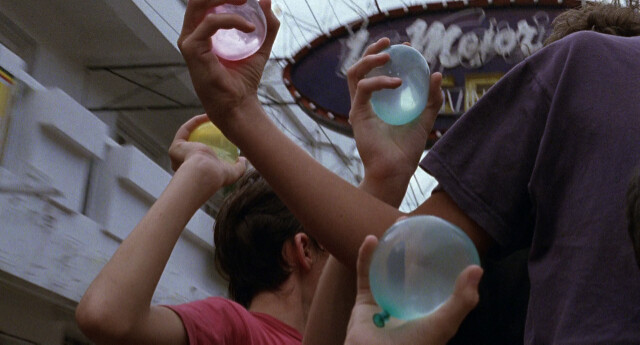
La Cienaga (2001) - Lucrecia Martel
tumblr_obo160iKlZ1r6kxjco4_1280
and I don't have to tell you how great it is. Lucrecia Martel is, borrowing an esteemed fellow filmmaker Christoph Hochhäusler's own words, "she is one of the world's greatest filmmakers working today".
Just like La Cienaga, there were certain well regarded films I've been neglecting to see for a long time, but finally visited and found their greatness:

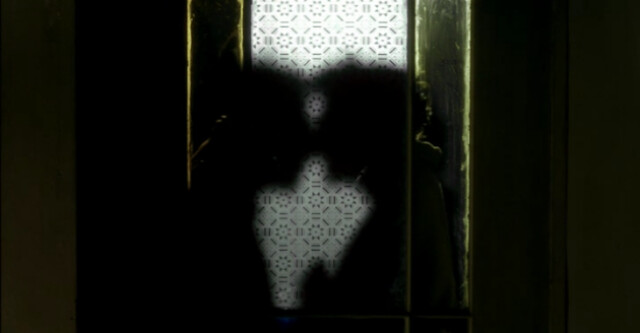
Long Day Closes
(1992) - Terence Davies
51050a98-2865-4803-8224-2336472e4abc_zpsaxspigbh
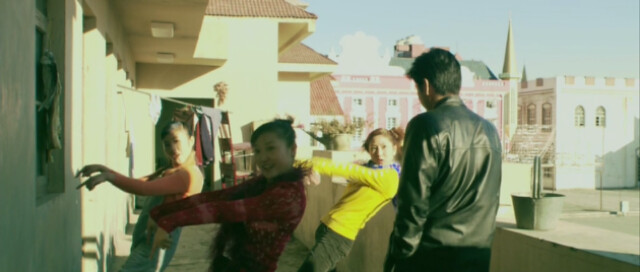
The World (2004) - Jia Zhangke
d6469c56-0abb-45e6-8f3f-aa9b8f1206ac_zps8r4jkfzy
and
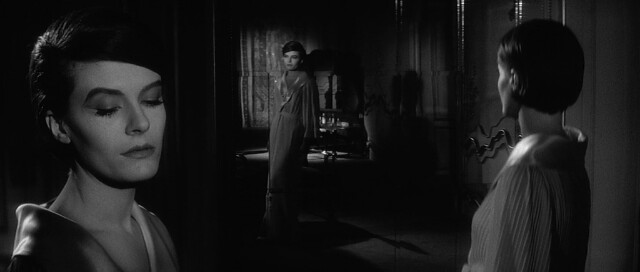
Last Year at Marienbad (1961) - Alain Resnais
Screen Shot 2016-11-20 at 6.25.28 PM
Great, all great stuff...

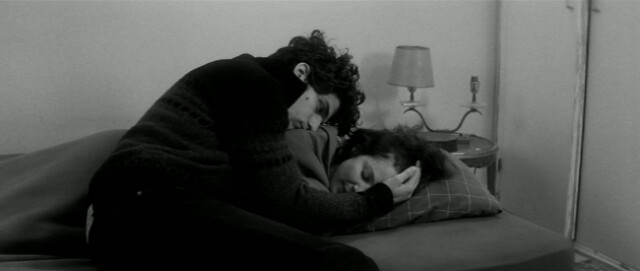
Found Garrel's self-reflexive artistry delicate and delicious:
Jealousy (2013) - Philippe Garrel
f1f5811c-b579-4eb4-9fa1-389b0475c28d_zpsm7j0qt7z

Then there was the heady world of Alexander Kluge to plunge into
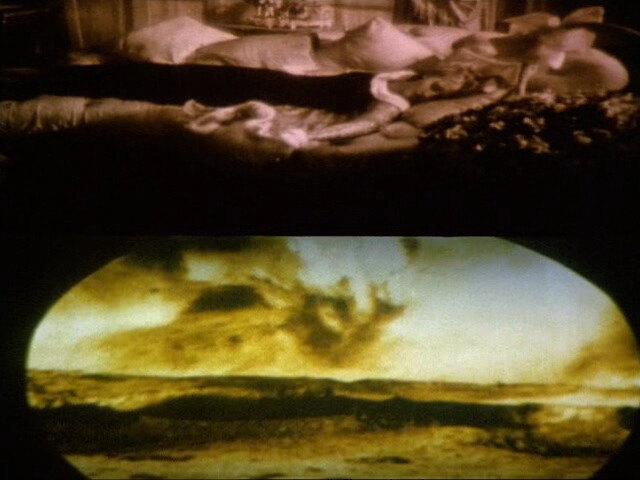
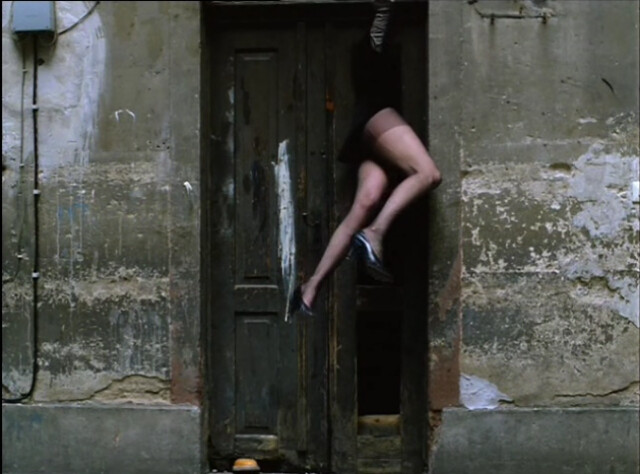
Die Macht der Gefühle/The Power of Emotion (1983) - Alexander Kluge
0e481f78-2518-471f-b8bb-5b3d4bd4ecd2_zpsdizwfetx
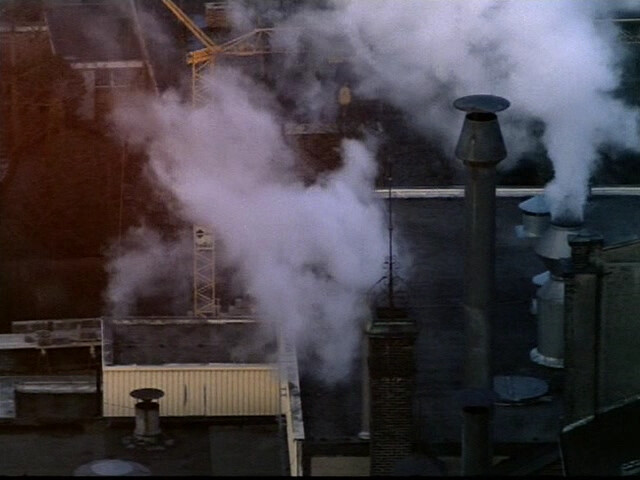
Der Angriff der Gegenwart auf die übrige Zeit/The Assault of the Present on the Rest of Time (1985)
Screen Shot 2016-12-15 at 9.25.44 PM

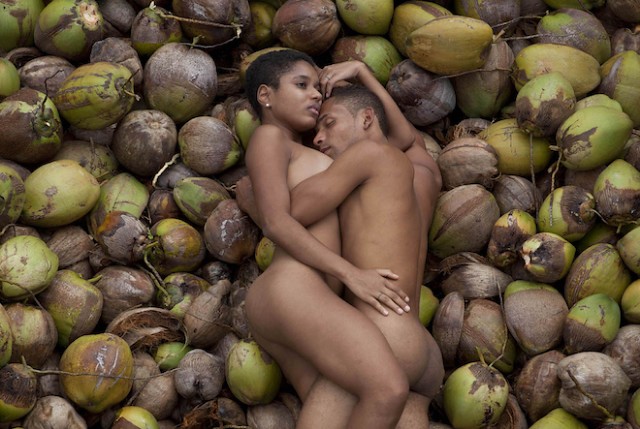
Also discovered the sensual world of Brazilian director Gabriel Mascaro
Ventos de Agosto/August Winds (2014) - Gabriel Mascaro
Ventosdeagosto_still_001_credito_beto_figueirora_300dpi

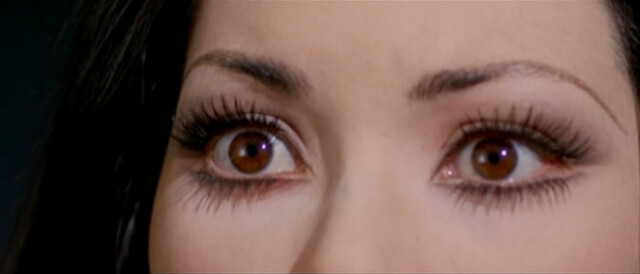
Then I dug into exciting world of Giallo and experienced first hand the sensual violence and the batting eyelashes of Edwige Fenech
abffcb2d-6a3d-4ced-98fc-d8ac4b297f1c_zpspo0i7482
and watched her in many giallos, especially in
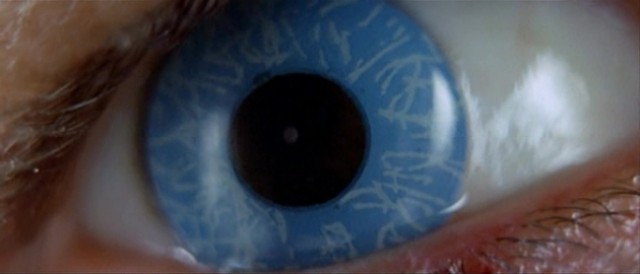
All the Colors of the Dark (1972) - Sergio Martino
99e2f782-d1b3-4bd4-9748-f0291e01bd91_zpsagjkwsgr
also discovered that trudging through a dozen notable giallos that a good giallo is hard to come by. Other notable ones (But not as good as All the Colors) are - Strip Nude for Your Killer (1975) and Your Vice is a Locked Room and Only I Have the Key (1972)

Thursday, December 15, 2016

Superfluous

Der Angriff der Gegenwart auf die übrige Zeit/The Assault of the Present on the Rest of Time (1985) - Kluge
Screen Shot 2016-12-15 at 9.27.41 PM
Screen Shot 2016-12-15 at 9.26.14 PM
Screen Shot 2016-12-15 at 9.25.44 PM
Screen Shot 2016-12-15 at 9.24.26 PM
Screen Shot 2016-12-15 at 9.20.52 PM
Screen Shot 2016-12-15 at 9.18.36 PM
Screen Shot 2016-12-15 at 9.19.45 PM
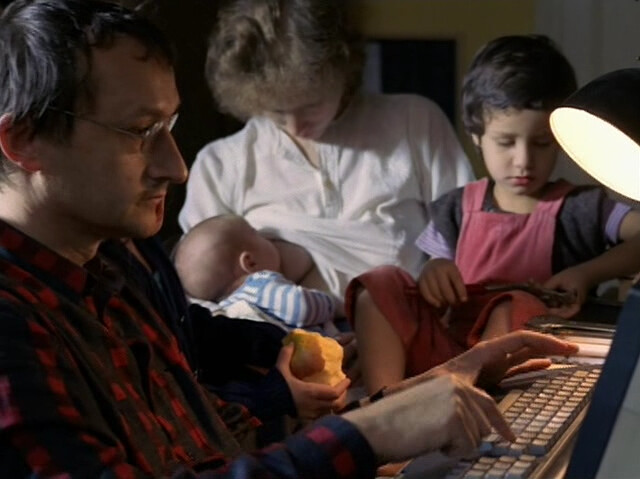
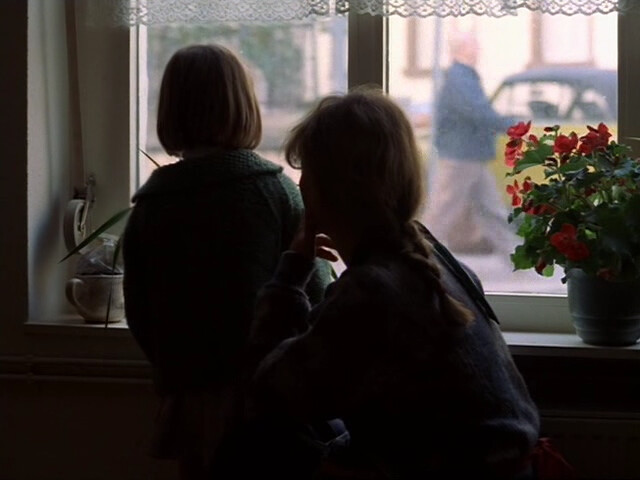
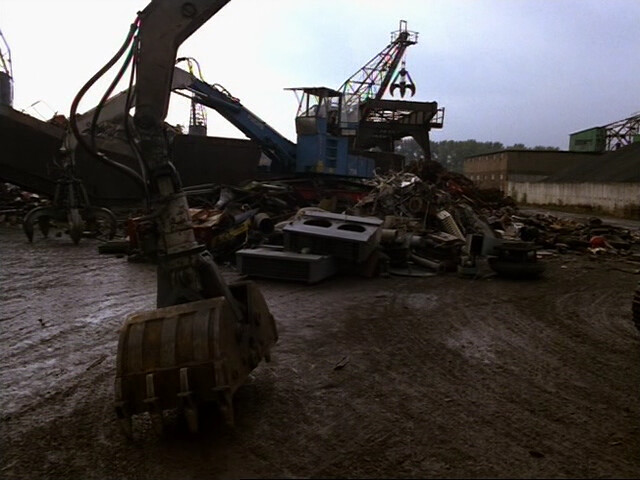
Just like his The Power of Emotion, The Assault is a jumble of short films taking on many different ideas. There is an interviewer pointing out a historian the stupidity of dividing world matters to 16 year intervals, a junkyard owner who get stumped by a philosophical questions about metal scrapes he's been producing, a chauffeur driving a businessman who makes a living making grave decisions all the time, there is a woman doctor who gets ousted by over equipped, mechanized, modern hospitals, a foster parent of an orphan girl hesitates giving back the girl to her opulent relative who doesn't really care about her, a family hooked on computer (internet), waiting for others to respond in front of it day and night and so on. The structure and method are pretty much the same as The Power of Emotions. There are operas, pinhole effects, narrator (Kluge himself) and stock footage of war and old movies. It's all heady stuff. People put too much emphasis on the present that they forget what came before it. They never learn from the past however atrocious it has been. We are always hurtling toward death anyway.

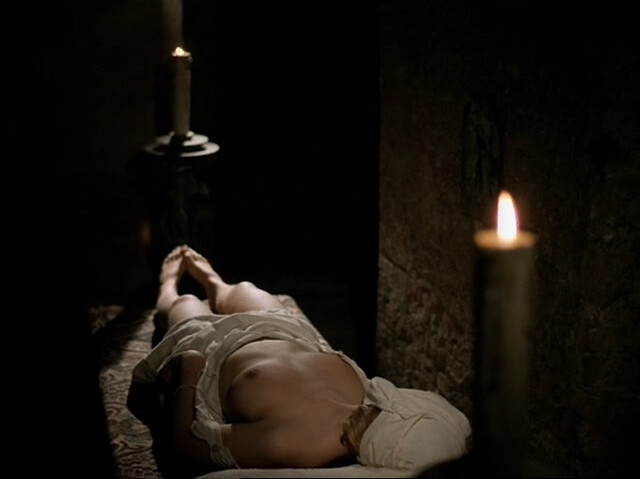
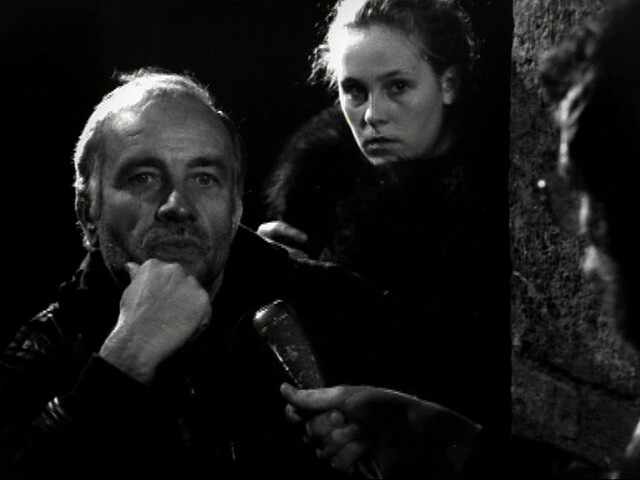
Kluge takes on cinema too. There is a bit about an old Polish couple in charge of The National Polish Film Archive, trying to save the place from Germans during its occupation by selling out their beautiful daughter to a German soldier. The last 1/3rd devotes to a story of a film director, played by Armin Mueller Stahl. He is struggling to answer why he is making a movie about a necrophiliac priest in the Middle Ages instead of contemporary stories. His eyes looking over yonder, he weakly responds that it's a love story, and that people weren't really capable of love in the middle ages. He turns out to be going blind and can't see his actors or whatever is going on in front of him. He has to rely on his assistants. There is a long sequence of a producer arguing over the phone, justifying why he needs to keep the blind director on the project. The reasons to keep him are just as good as the reasons not to.

The word that comes around frequently through out the many stories is superfluous. Kluge is an academical satirist who happens to make films. His films are layered and subtle. It never spoon feeds you with back stories or describing the motives of the characters and never laugh out loud funny. The film raises many questions about modern and often superfluous world we live in. I laughed out loud when he supposes that Film's been around only 90 years and it's superfluous, and maybe telephone will take over as a mode of communication. How right he was!

Friday, February 5, 2016

Emotion

Die Macht der Gefühle (1983) - Kluge
 photo 18ecb12b-51ac-4c72-8dde-248faf3ab15b_zpswk9qkuwv.png
 photo dca19bb5-67ec-4aaa-9879-6df1728a974e_zpstrkqtkmv.png
 photo fd9a87f3-c9a7-45fd-9ef8-2923ce7548e6_zpsyyxxn3ni.png
 photo 09f81d36-6d45-40ae-86b1-31e405f39772_zpselj0llrc.png
 photo 5433d75c-6de8-4e50-a901-3311531d5bfb_zpscmaytx8j.png
 photo c8c7658a-d126-44b6-ab6c-2946fd45e434_zps1kct3eba.png
 photo edf74aa9-68a1-4790-b453-84d1465707a3_zps21bfuqbu.png
 photo 0e481f78-2518-471f-b8bb-5b3d4bd4ecd2_zpsdizwfetx.png
 photo 64ab3894-1320-4a85-8570-eefd64aed480_zpsjf4zitvi.png
Complex, layered examination of the nature of emotions. With old movie clips, newsreel footage, opera, and a narrative storyline, Alexander Kluge's segmented yet cohesive film reflects upon the relationship between objects of war and materialism and human emotions.

A desk lamp, telephone, torpedo, shotgun or nuts and bolts don't have emotions. But it can affect people emotionally in how it's used. Opera is if not anything, full of amplified emotions. An opera singer is asked that in Act I, he has a glimmer of hope on his face, even though in Act V, everyone knows the tragedy strikes. How can he? He sang in that opera 28 times before, he must know what happens at the end. He replies repeatedly, "I don't know that in Act I."

In a murder trial, a judge is puzzled about the case of a woman who shot her husband. She insists that it was an accident, even though her husband had an incestuous relationship with their daughter. Her lack of emotion doesn't make sense logically to the judge. A woman who was dumped by her lover and heart broken, attempts suicide by swallowing pills, a man sees the unconscious woman and revives her then rapes her. He is both a rescuer and assailant. The woman, who was unconscious at the time, forgives the man because she was not emotionally involved in the act.

Kluge's examination of German war past is also there - in order to heal the wound, you have to first remove the scab and treat it. The images associated with German romanticism are often juxtaposed with war footage. Fire takes central role too in linking many of philosophical musings presented here. Repeated old song about impermanence of love and unusual camera angles on an opera stage and spyglass vision of many scenes, remind you of fleeting and subjective nature of emotions.

Then the last 1/3 of the film jumps over to a crime story involving an attractive and young gang of four. They are somehow involved in diamond heist, near murder and revival of a foreign man and crossing the border. Loosely related to the theme of the film and not, the narrative is nonetheless an absorbing one.

Godard's influence on Kluge is very evident in Die Macht der Gefühle/Power of Emotion. But Kluge holds his own. His less on the nose about his contemplation of war and history than his idol. His visual sense is just as sharp as Godard's but yet different. I am very much eager to explore Kluge's other films.