The Passion of Anna (1969) - Bergman
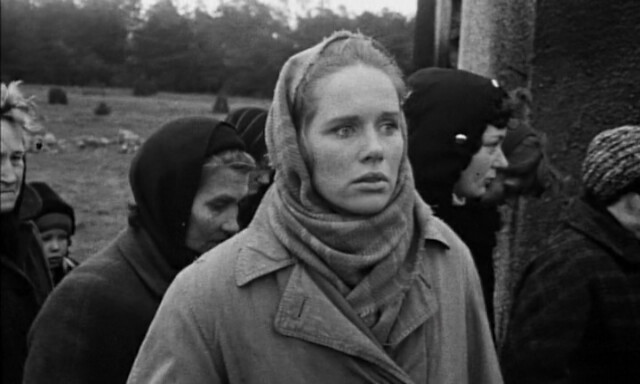
The Passion of Anna is a difficult work. Bergman had always tussled with the bleak view on humanity, commented on how vile human relationships can be- that people go on living together for the sake of living together. But at the end, we all die alone. With his regular actors who were still contractually obligated to work with him after Shame and the set from it still left over, Bergman made this small but more abstract film that is supposed to be a sequel/companion piece. But where Shame shows how war degrades humanity, The Passion looks more inward to reach the same conclusion and the result is just as devastating. His disgust with humanity is loud and clear, no doubt brought on by the raging Vietnam War.
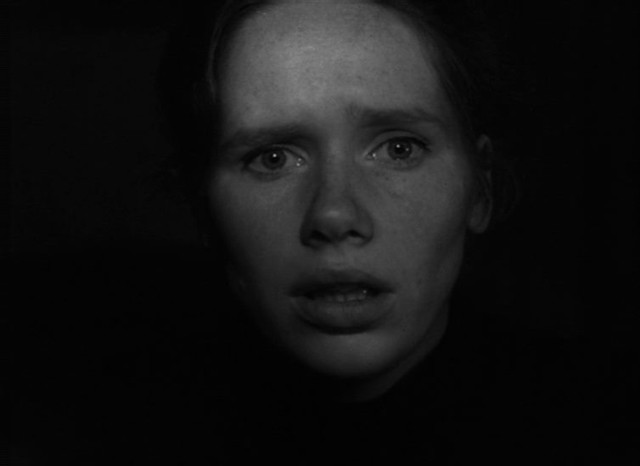
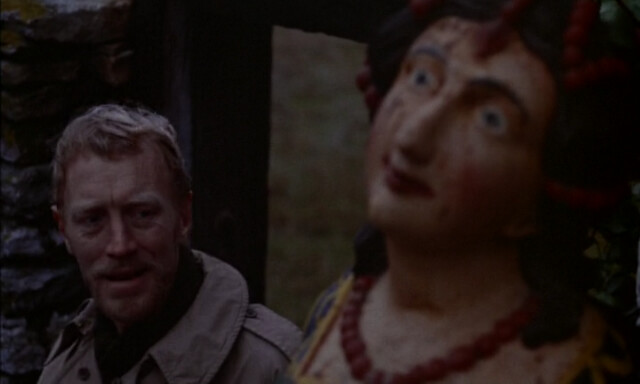
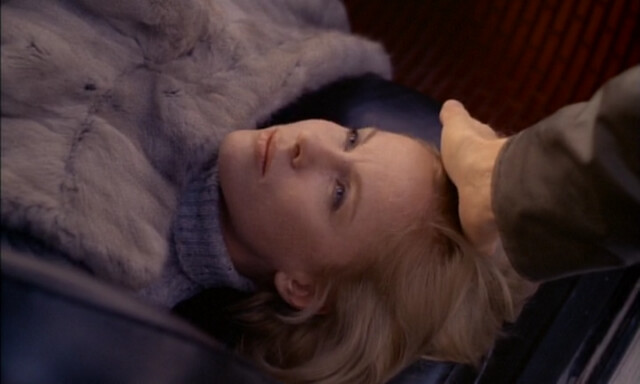
Andreas (Max Von Sydow) leads a solitary life in a rural island. He spends his time fixing his house and doing daily chores. His wife has left him long ago. Occasionally he screams to the cold Swedish air out of loneliness, but he seems to be content most of the time. One day, he lets in Anna (Liv Ullman), a friend of the neighbor couple Eva and Elis (Bibi Andersson and Erland Josephson) to make urgent phone call. He eavesdrops the conversation and looks through her bag and reads the letter from Anna's dead husband. Unlike her professing her love for her dead husband to anyone who listens, that her marriage was 'perfection', the letter tells the very opposite, her husband telling her that if they go on living together, it will end in psychological and physical violence.
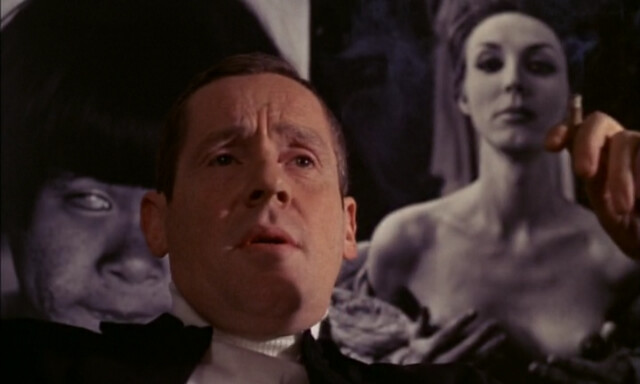
Andreas hooks up with Eva, who in turn spills out her innermost thoughts- she has no thoughts of her own, no ambition and always following the lead of her intellectually superior, successful architect husband who seems to be away on business trips often. Elis's sarcasm and contempt for the world don't sit well with the other three. Being an amateur photographer, he laments on not being able to capture the human soul with his photos. But his clinical observation on humanity and how he sees it is obvious.
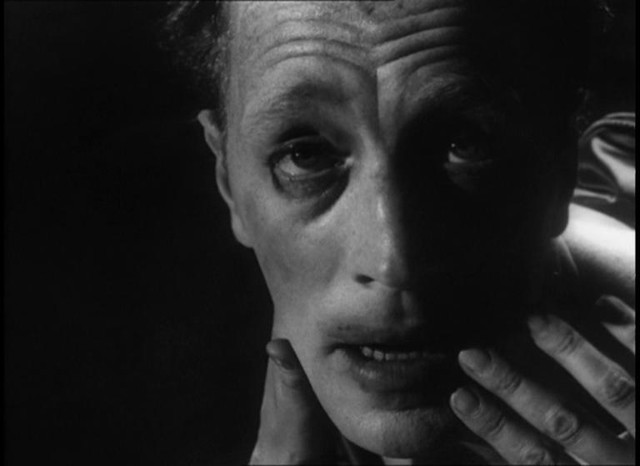
The passion is like Bergman's hit medley. His usual themes are all there, portrayed by four archetypes: Andreas - a vacillating coward caught between humanly desire and disgust, Anna - a guilt stricken, self-deceiving woman capable of intolerable cruelty, Eva - a naive, empty vessel trotting through doomed life and Elis - an arrogant, distant, soulless observer of humanity. The actors candidly talk about their characters in length on camera within the movie, as if in DVD extras.
Andreas then shacks up with Anna- the monotonous narrator tells us that they are living together without any passion. And we see them eating and talking like a normal couple. The union of necessities I suppose, to keep a warm body next to you. To have someone to talk to to alieviate loneliness.
Bergman, who found his home in remote Faro Island living in relative isolation and solitude while the raging war on the other side of the world is blaring on TV reminded him of the ugly humanity, reflects his sentiments in The Passion. The title is misleading since because Anna's passion of her past relationship is a bold faced lie. It questions if it will ever help Andreas, Anna and Eva go on their almost unbearable existence if they had it in the first place. The Passion ends with horrendous fistfight between Andreas and Anna, as predicted by the letter in the beginning, and Andreas literally walking back and forth, vacillating and collapsing under the weight of his own guilt and shame and desire both to be alone and be with someone.
Emotionally bare and structurally, technically jarring, The Passion of Anna is a deeply pessimistic, open wound of a film. Unlike his other depressing films I've seen, I failed to see the beauty in it.