Showing posts with label film review. Show all posts

Sunday, January 2, 2022

Artist Contextualized

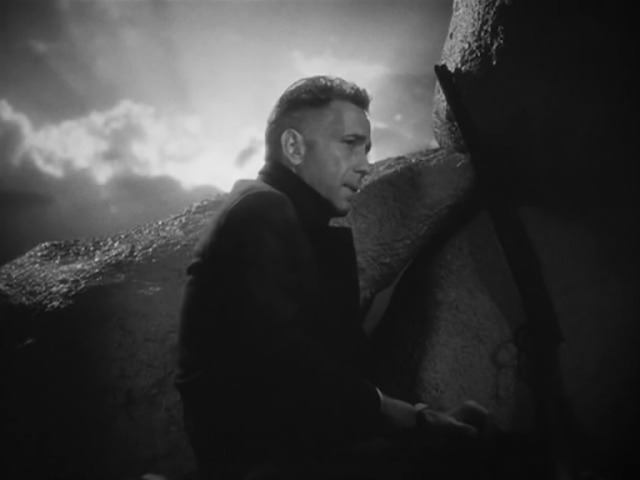
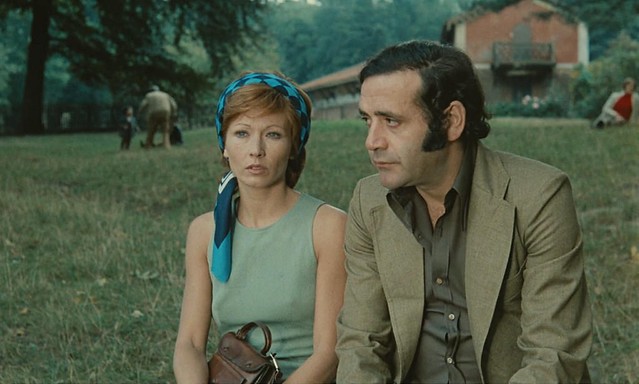
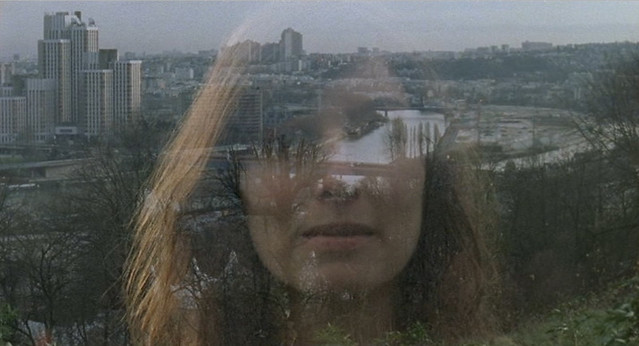
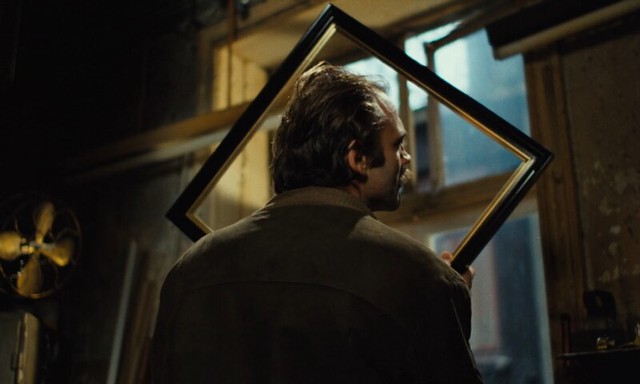
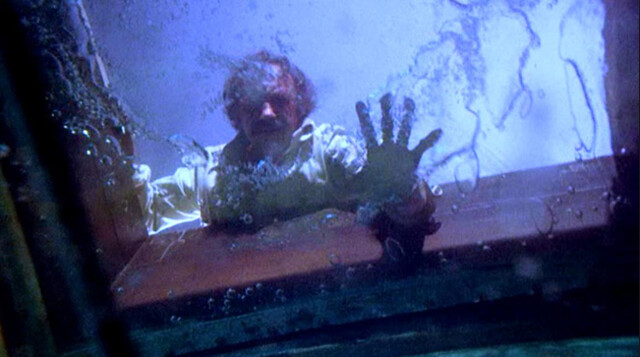
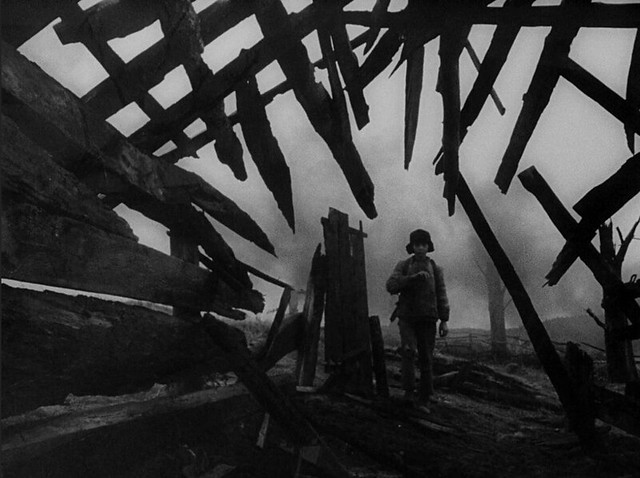
Edvard Munch (1974) - Watkins Screen Shot 2022-01-01 at 10.25.05 AM Screen Shot 2022-01-02 at 10.50.36 AM Screen Shot 2022-01-02 at 10.55.19 AM Screen Shot 2022-01-02 at 10.56.06 AM Peter Watkins's Edvard Munch plays out like how Kurt Vonnegut laying out time in Slaughter House Five. In it, Billy Pilgrim the protagonist, experiences time in non-linear fashion, through time travel, and he can clearly see causes and effects. It is us the audience who in Edvard Munch, the Norwegian painter's life, see things non-linearly, as if everything is happening all at once. Furthermore, the tumultuous time in late 19th century Europe is displayed in the background, giving the film much needed context behind Munch's often disturbing art.

The film shows abject horror of what it was like living in the 19th century Kristiania (Oslo), where rigid religious and conservative moral codes were pervasive: a large swath of population died of consumption, women's place in society was dreadful and caused them to either stick with loveless marriages, become hands-me-down mistresses or being forced into legalized prostitution. Losing mother and siblings to consumption, the disease which also almost took him at a young age, and scarred by a relationship with a married woman, Munch depicted death, grief and suffering in vivid, unnatural colors and ghoulish images. He was mercilessly attacked in his home country for his art and never garnered any recognition as a worthwhile artist when he was young. His life was always on the road, traveling from one country to another, all the while pursuing many ways to express himself in different mediums.

The climate of this tumultuous 19th century society in art and philosophy are laid out in this nearly four hour film with Munch as a struggling artist. Time and time again, we see his near death experience as a young boy, sticky agonizing affair with Mrs. Heiberg, his unapproving stern father and his grieving sisters, his circle of friends in Berlin whom all met tragic fate, and his practice in art, all jumbled together, side by side, again and again.

Watkins uses Munch (played by Geir Westby)'s nervous glances at the camera, which happens many times throughout the film, to connect him with us. And it is the most effective way to engage the viewer in a biopic I've ever experienced. Edvard Munch is a grand film that I will not soon forget.

Monday, July 26, 2021

High Life

High Sierra (1941) - Walsh *35mm at Film ForumHigh Sierra

Infamous bank robber Roy Earl (Humphrey Bogart) just got pardoned by the Governor. It was Big Mac, a crime boss in the West Coast who pulled some strings for his release to do another big stake heist in a fancy hotel up in the Sierra mountains. On his way up to a mountain lodge to meet the heist team, Earl helps out a farmer family who has a car trouble. There he is smittened by the farmer's granddaughter Velma (Joan Leslie). When he gets to the lodge, he is embroiled in a lovers spat already in progress among two hot blooded young men- Red and Doc, and sassy Marie (Ida Lupino). Brats! Earl doesn't want to have any of it, tries to keep his distance and be professional. But Marie, seeing this tough wise guy smacking people around, develops feelings for him.

There are a couple of elements in High Sierra that are cringey - Earl hitting on 20 year old crippled Velma. And Algernon, a black caretaker of the lodge the heist team stays at, is a lazy, cross eyed Stepin Fetchit style racial stereotype.

What distinguishes High Sierra among other hard boiled noir is its spectacular setting. As Earl gets caught in the ever increasing trap that he dug himself in, High Sierra reaches its frenzy with high speed car chase up the rugged, picturesque Sierra mountains. It's raw and unsettling. He runs into the mountain, in his gangster suit with a rifle in his hand and we expect some Rambo: First Blood shit. But it's noir, not some white men action fantasy. Things will end very bad.

Bogey is Bogey, making a cold blooded killer seem cool and ordinary and making us root for him. Lupino is also great as sympathetic mole who doesn't have anyone in the world and clinging to Earl even though she knows the future is doomed.

Sunday, August 23, 2020

Bullshit

Nuestro Tiempo (2018) - Reygardas
nuestro_tiempo+still+1
My initial thoughts were right about Carlos Reygadas it turns out. I don't like to disregard a movie as pretentious. It implies that I didn't understand the film and am attempting to disparage it. But even from the beginning, starting with Japon, his first film, with all the critics going gaga over it, I didn't buy it. I didn't buy his supposed talent, his vision and questioned his intentions behind his stunts. Behind every single one of his movie except maybe Silent Light. Why do we need to see graphic sex scenes performed by non-actors? Why do we need to see animal abuse? Why do we need any of these? With each of his film, the experience felt like nothing more than exploitation. Visceral provocation has its place in films. But with nothing more than making its not so subtle points, I thought these scenes were beyond excessive and uncalled for. Just because of the strength of Silent Light, his serene contemplation of faith by way of Dreyer which I liked very much, I've decided to give him another try.

It's a 3 hour domestric drama starring Reygadas himself, his actress wife and his children in his ranch in rural Mexico. The beginning thirty minutes, involving children and teenagers playing in mudflats shot in anamorphic lens flare glories, are stunningly beautiful, if not creepy - like gliding over their nubile bodies which made me very uncomfortable, doesn't factor into the rest of the film at all. Our Time is definitely not about their offsprings. It concerns an open marriage of Jose (Reygadas), a renowned poet and rancher of bulls and his beautiful wife Esther (Natalia López) and a gringo horse breaker named Phil (Phil Burgers). Jose suspects that Esther is having an affair with Phil who is moving from job to job wherever he's service is needed.

It is not quite clear if Jose arranged his unfulfilled wife's affair with Phil from the beginning. But numerous narrations suggest he has something to do with the arrangement. But it doesn't make him compulsively checking Esther's phone for chats and passive aggressively confronting Esther about her lying. Our Time could've gone to the route of one of those cliché blinding jealousy movies or about an obsession. What Reygadas is doing here or not doing here is far worse - Time after time we hear Jose and Esther's narration (both their thoughts and reciting their letters to each other) over beautiful images - most notably over the extended shot of Mexico City at night from a plane as it descends through the fog, but what they are totally unreliable since their thoughts and their actions are completely different.

There is no causality for any of Esther's actions. Is she a nympho? Why is Jose encouraging her to have sex with other men? If he is for open marriage for satisfying Esther and not jealous, why is he still peeping while Esther is having very graphic sex with other men?

None of these makes much sense. It's not vascillation for some kind of resolution at the end emotionally or physically, it's going on like that forever. But is it about communication breakdown between a husband and wife? They talk but they can't articulate themselves? They tussle, throw chairs and still nothing gets resolved.

I read some interviews with Reygadas where he defends the reason for using his family. It's bullshit. Out of convenience, really? Our Time is perhaps the most egregiously self-indulging movie I've ever seen. It's Scenes from a Marriage only on the most superficial level. Even though I give benefit of the doubt in their trying that they are sincere in representing their relationship, I find them and their petit bourgeois life in the rural Mexico so uninteresting and boring.

He also said that it's not about masculinity that only American audiences would think that. It features bull ranch, bulls making horrendous sounds day and night, a bull gores a mule to death and a bull fight ends in the death of a bull at the end of the film. How does one interpret that any other way? This is movie is bullshit. Reygadas is bullshit.

Friday, April 24, 2020

Childhood as an Epic

A Brighter Summer Day (1990) - Yang
Screen Shot 2020-04-24 at 4.22.16 PM
Screen Shot 2020-04-24 at 4.12.40 PM
Screen Shot 2020-04-24 at 4.13.37 PM
Screen Shot 2020-04-24 at 10.05.58 AM
Screen Shot 2020-04-24 at 11.51.13 AM
Screen Shot 2020-04-24 at 12.08.18 PM
Screen Shot 2020-04-24 at 12.10.13 PM
Screen Shot 2020-04-24 at 1.58.59 PM
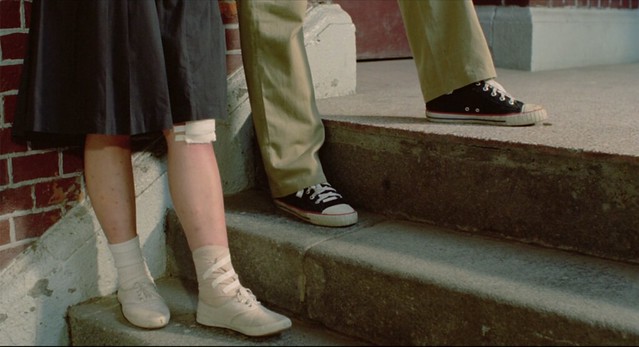
Brighter Summer Day my ass, it's more like Grimmer Sad Day. Edward Yang's grand tale of coming of age in 60s Taipei might not match the other 4 to 5 hour sweeping epic stewing philosophical meanderings about life, time and space (there's War and Peace mentioned a couple of times by characters), but I guess that's the point. Life of the ordinary people as an epic. And an epic A Brighter Summer Day is: an epic downer.

Our expectations would be different if the English title of the film was the same as its Tawanese title, Youth Murder Incident at Guling Street. Based on the real incident in Taiwan, which explains everything. But because it was based on lyrics from Elvis's Are You Lonesome Tonight?, and I had no idea what it was about other than vague notion of it being coming of age film, it was all the more devastating.

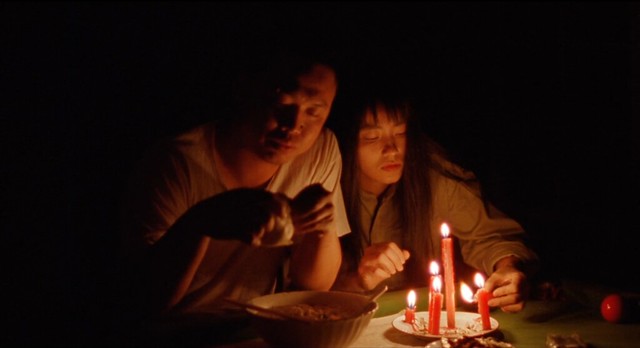
It tells a story of Si'r (Chang Chen), a 14 year old night school student embroiled in two gang factions in the neighborhoods and his family, as well as his friends, enemies and about 100 different characters. It's a sprawling, novelistic work that plays out like a good book. Si'r's friends belong to Little Park Gang and sings in a band that plays American rock'n'roll. He finds himself attracted to Ming (Lisa Yang), the girlfriend of Honey, the missing leader of the gang. She turns out to be a femme fatale of sorts and Si'r fixates on her a little too much it stops to be cute but obsessive. There is a story with his parents coming from the mainland China and his educated father being harassed and discriminated at work in context of complex Taiwanese history.

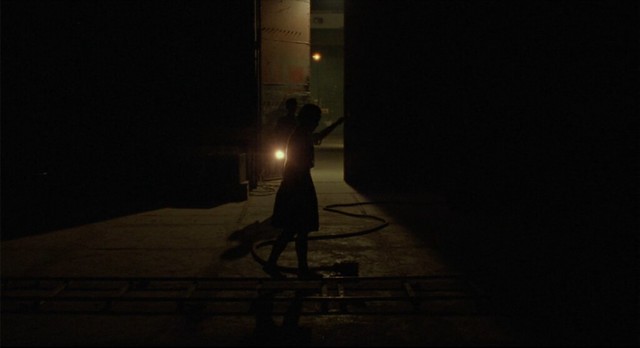
There's a lot of details in this film that are just gorgeous cinematically- the local movie studio next to the night school provides plenty of great cinematic moments, the Gang raid and sword fight in the pouring monsoon night also present some excitiing visuals.

Yang had a great understanding of using childhood memories and making it universal, that this is not some random violence but each one of us are capable of the violence at the end. A Brighter Summer Day is a rich, beautiful filmmaking that needs to be watched and appreciated.

Tuesday, April 7, 2020

Religious Hypocrisy

Divino Amor (2019) - Mascaro
Screen Shot 2020-04-07 at 5.20.06 PM
Screen Shot 2020-04-07 at 5.18.15 PM
Screen Shot 2020-04-07 at 5.24.22 PM
Screen Shot 2020-04-07 at 5.14.57 PM
Screen Shot 2020-04-07 at 5.15.38 PM
Screen Shot 2020-04-07 at 5.16.16 PM
Screen Shot 2020-04-07 at 5.19.26 PM
Screen Shot 2020-04-07 at 5.16.50 PM

It's 2027 Brazil. The country has gone full Christian fundamentalist. Gabriel Mascaro (August Wind, Neon Bull)'s version of it is all neon and electronic music. Joana (Dira Paes) and Danilo (Julio Machado) are a middle class couple. She is a notary public, working in a gigantic concrete government building and he is a florist, working in their ground floor apartment complex. They haven't been able to conceive a child even though they try every possible way and method (with hi-tech gizmos bought from China via mail). Something is wrong with Danilo's sperm.

They belong to Divino Amor/Divine Love, a Christian religious group exclusively for couples. It's a government mandated therapy/support group for couples who’s been having marriage troubles. It’s all nice and good on the surface but definitely has cultish air. They do trust exercises and also share partners in bed.

Joana, a devout Christian, using her position of power as a bureaucrat, has been discouraging couples who seek a divorce at her job. Her sometimes aggressive tactics don't sit well with her clients as well as her superiors. She also constantly visits a drive-thru church to seek advice from a pastor. These store front churches are everywhere in the future Brazil, lending an easy access to god. But god has been silent on her and her husband's prayers to have a child and therefore her faith is waning. Then a miracle happens. She is pregnant. But who is the father?

Mascaro, along with a fellow filmmaker from the region of Pernambuco, Kleber Mondonça Filho (last year’s smash hit Bacurau), takes on sci-fi genre to satirize the current political climate of Brazil. German director Christian Petzold once told me that his use of genre conventions in his films gives him more freedom in reflecting the current state of things. It also rings true here with the recent crop of Brazilian films, including Adirley Queirós’ Once There Was Brazilia.

But unlike over-the-top carnage of Bacurau, Divine Love is more subtle and downbeat, somberly reflecting on the life under the extreme right-wing, religious zealotry of Bolsonaro regime. Seductively photographed by Diego García (Cemetery of Splendour, Our Time, Neon Bull), the film is perfectly framed and its neon colors beautifully rendered. The film inserts in just enough details for us to see that the country has changed: women on the beach are wearing head to toe black garb - very much like burkini, every building, businesses and shops have customer identifying prompter at the door by their name, marital status and whether they are pregnant or not and there is no mention or show of homosexuality whatsoever anywhere. In true Mascaro fashion, sex scenes are very graphic and honest, but only limited to married couple or consenting adults, all heterosexual.

The film is narrated by Joana's child who might be born out of immaculate conception and just might be the savior people have been waiting for, but left nameless and unregistered, because of he is born into religious fundamentalist country once was known as most culturally, sexually, racially diverse country in the world, Brazil, less than a decade ago.

Divine Love is a quietly biting satire, brilliantly realized by Mascaro, a director who is operating on the highest level of artistry in every aspect. Do not miss this!

Wednesday, May 6, 2015

Invisible Connections

Continental: A Film Without Guns (2007) - Lafleur
 photo a0a56a56-a3c8-4253-8e75-f11fbaff6b77_zpsb0sydfsw.png
 photo 0f7a006d-c020-4f5e-ac49-7b9902408dd0_zpssevqmozu.png
 photo c211df45-469e-42dd-9cb0-cd0cfe4cf042_zpsiwpawkqa.png
Stéphane Lafleur's debut film charts a group of lonely people in Quebec. As he indicates with the title, Continental is a film without ever showing or firing a gun. Nor does it have any nudity or touching. Urban loneliness of Lafleur's world has more common with 90s- 2000s Asian films than any pretentious North American indies with the same theme with some quirky premises. Quietly, Lafleur paints these characters with real care and feelings. Their small connections don't feel labored or out of place. Their interactions are full of awkwardness and longing and their desires as grand as that of gods. They show their care in almost invisible ways but for us to see.

Monday, December 30, 2013

Top 20 Discoveries 2013

Looking through the list, I admit my film viewing wasn't as adventurous as the last year's. I don't even have anything before 1969 on the list. Shame on me. I did exercise some concerted effort to explore certain filmmakers which I never consciously have in my film viewing previously, ever. Still there are so many filmmakers to explore...

Top 20 in order watched:
*Click on the titles for full reviews

Life and Nothing More... (1992) - kiarostami
Image
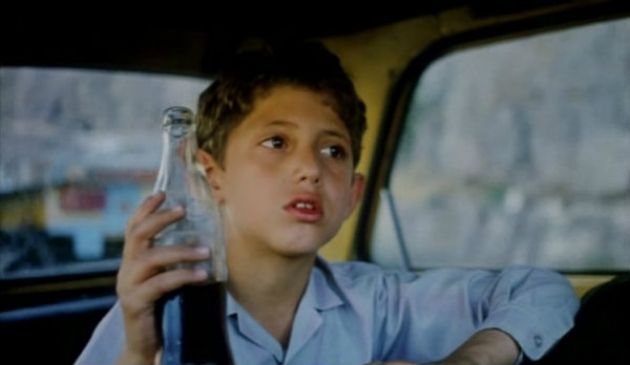
Kiarostami's moving picture continues. A middle aged man and his young son are on the road to Koker, a northern rural town leveled by the devastating earthquake in 1990. It is only revealed later on that the man is a film director (a Kiarostami stand-in) who is looking for a child actor who starred in his previous film, Where is Your Friend's Home? (AK's 1987 film also taking place in that region). As they encounter monstrous traffic jam and many victims of the 'god's will', the line between reality and fiction evaporates: the traveling pair encounters an old man who was also in the said film, carrying a porcelain sink to his house amid devastation around him. He explains, "You never know when you need it." When asked if the big house he is entering (but doesn't have a key to) is his, he replies, "This is not my house. It's only my house in this film. My real house collapsed in the earthquake."

Shot shortly after the real earthquake that took the lives of 50,000, and based on his own experience driving around (with his real son), Life and Nothing More... shows resilience of the people amid a horrible disaster. As they make ends meet, digging out their household items from debris, they still look forward the better future. They fidget a TV antennae to watch a World Cup match in ruins. With Through the Olive Tree (a fictional 'making-of' Life and Nothing More...) as the third film taking place in Koker, these films are seen as the Koker Trilogy. There are many elements here that are present in his later films: interior driving shots, wide scenery long takes, no close-ups. Elegantly simple and captivating throughout with an open ending, Life and Nothing More... is a beautiful film.

Taste of Cherry (1997) - Kiarostami
Image
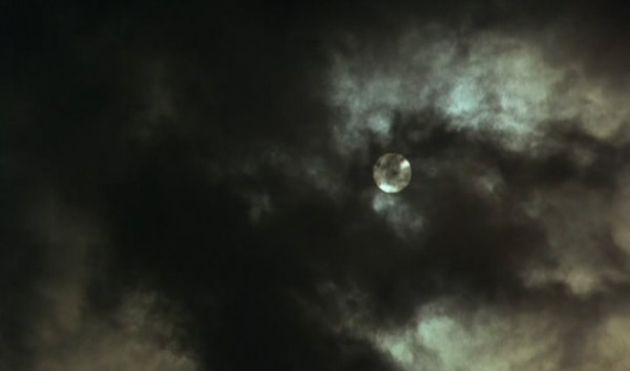
Inquisitive dialog, just like intimate questionnaires in documentaries is where it's at with all Kiarostami's films, staged usually in moving cars. The beauty of Taste of Cherry lies in its simplicity- a man drives around looking for someone to assist him in his suicide. They don't have to do the deed. He will take sleeping pills and lie down in an already dug up grave. In the morning, they can put some earth on him if he's dead. They will be rewarded handsomely. First, a young soldier runs away after finding out what the man is up to. Second, a seminary student from Afghanistan objects because of his religious beliefs and tries to dissuade him. Finally, an old taxidermist agrees to it, because he has a sick child.

Kiarostami lets us know that we are watching a film. With Louis Armstrong's St. Jame's Infirmary playing at the end over the image, he tells us that death is inevitable for all of us and makes us think. His cinema is precious because it doesn't resemble any other. If Tarkovsky tried to make us feel the 'passage of time' with his virtuosic camera movements, framing and lighting, Kiarostami succeeds in astounding simplicity, in one hour and forty minutes. Life is a moving car. Done. The impact is still immense. The abrupt intrusions of continuity in the middle and at the end are quite delicious in cinematic terms. It all fits nicely with his theme of life, death, cinema, reality... just amazing!

Hadewijch (2009) - Dumont
Image
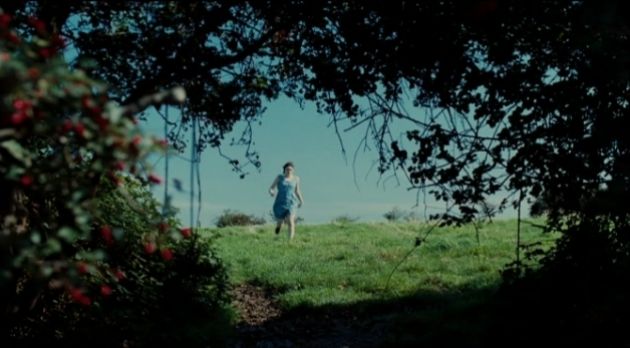
Austere and sincere. Another masterpiece from Dumont.

The White Ribbon (2009) - Haneke
Image
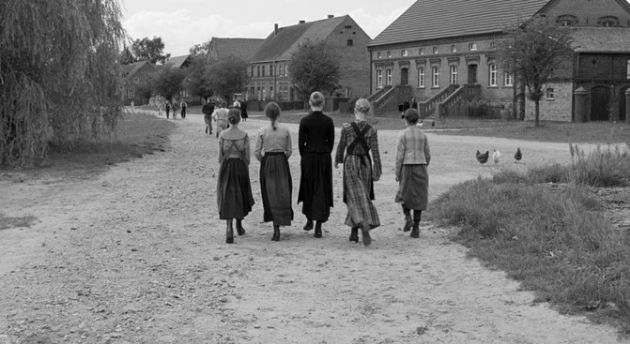
Masterful examination on the existence of 'innocence'.

It's the Earth Not the Moon (2011) - Tocha

Image
Loved every single moment of this 3 hour Portuguese documentary.

Le pont du nord (1981) - Rivette
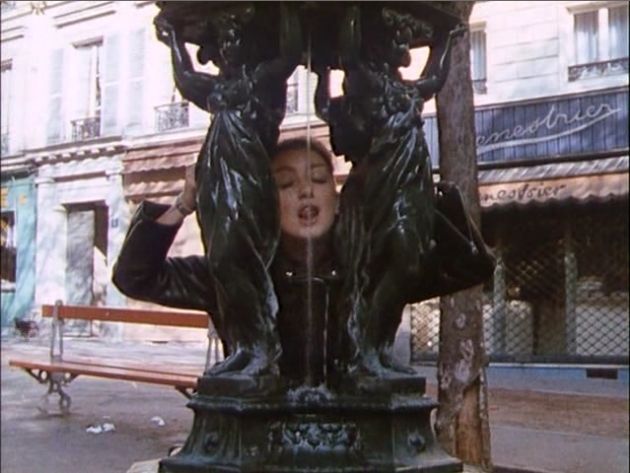
Image
Loveliness of Pascal Ogier is just an icing on the cake in this playful comedy by one of the unsung heroes of French New Wave.

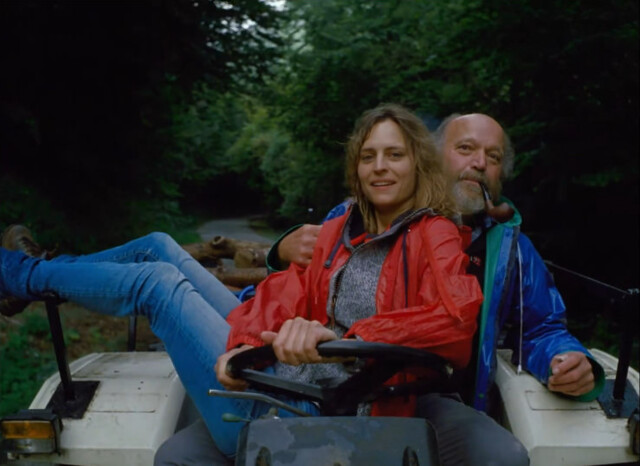
La captive du desert (1990) - Depardon
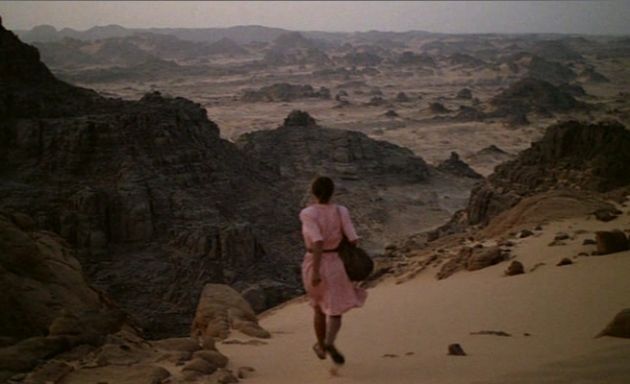
Image
Desert + Sandrine Bonnaire = cinematic heaven

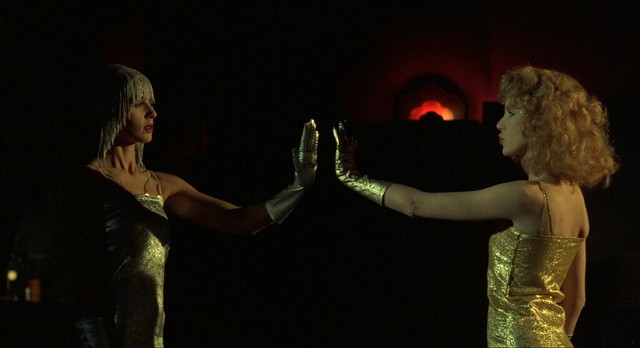
Céline et Julie vont en bateau (1974) - Rivette

Image
One of the classics I hadn't seen that I was able to get to this year. It lives up to all the praises.

A Nous Amours (1983) - Pialat

Image
One of the best cinema debuts ever- 16 year old Sandrine Bonnaire ignites the screen. Pialat's uncompromising direction goes down in my book as one of the best coming of age movies of all time.

Coup de Torchon (1981) - Tavernier
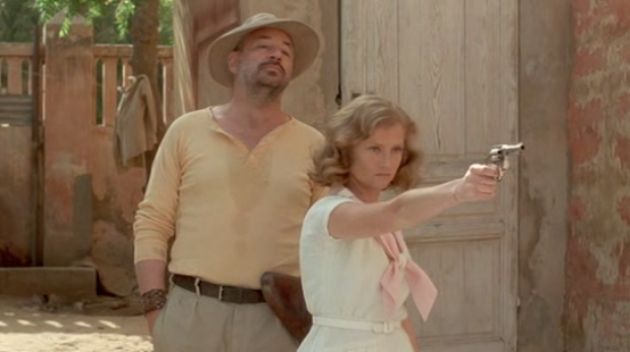
ImageThe most hilarious Jim Thompson adaptation ever!

Emperor's Naked Army Marches On (1987) - Hara
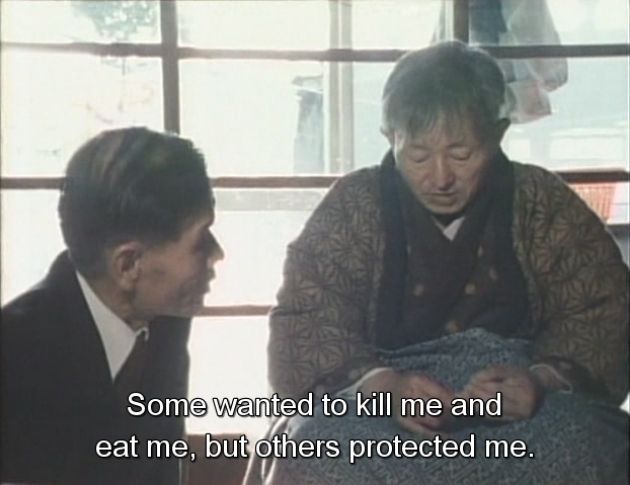
Image
Crazy documentary. You can totally see the continuation of Japanese New Wave in this anti-gov/anti-war film.

Peppermint Candy (1999) - Lee

Image
Dehumanization of a man who experienced the Gwangju Massacre in Korea, 1980, told in reverse timeline. It's definitely the best Korean film I've ever seen.

City of Sadness (1989) - Hou
Image
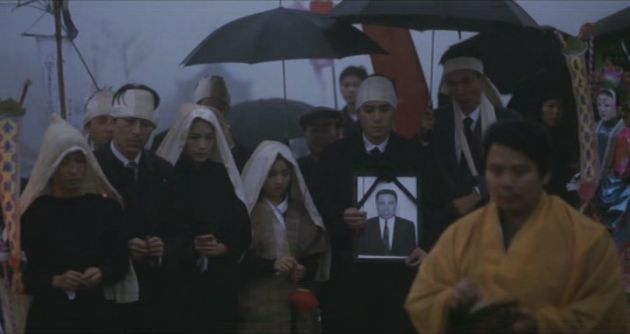
Hou's history lesson of Taiwan is masterful and affecting.

Mon Oncle Amerique (1980) - Resnais

Image
Slowly getting into master filmmaker Resnais's artistry. There are still so much to explore in his filmography!

Mandala (1981) - Im

Image
I grew up watching Im Kwontaek's films. I was too young to appreciate them back then. Beautiful, if not a little conventional storytelling. If you want good films about Buddhism, look no further than Im's films.

Heart of Glass (1976) - Herzog
Image
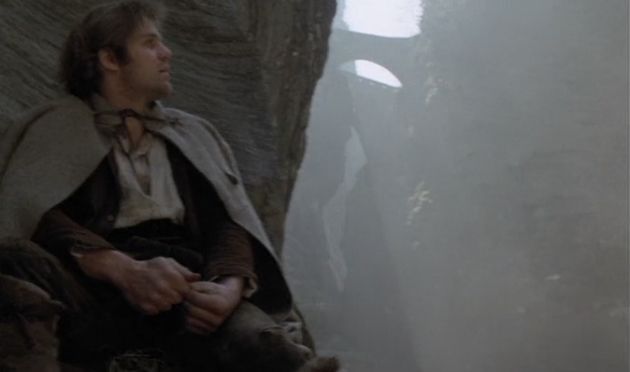
This was One of my blind spots in Herzog's filmography. As expected, a grand experience at the cinema.

35 Rhums (2008) - Denis
Image
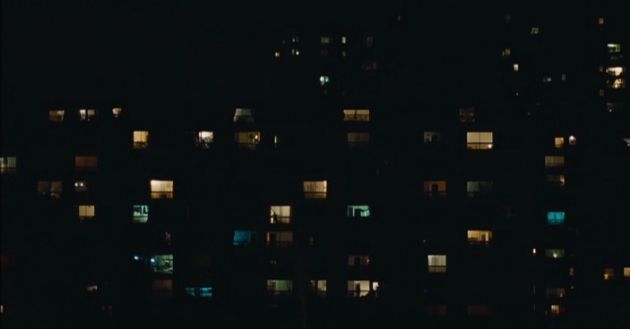
So simple yet so perfect. This quiet family drama reaffirms why Claire Denis is one of my favorite director of all time.

Caravaggio (1986) - Jarman

Image
I was planning on taking large volumes of screenshots from this visually stunning film. But it turns out the dvd I got from netflix is too scratched to play on my computer. I'm seriously thinking about buying this. Jarman was a true visionary. Taking on the well known cocky post-Renaissance painter Amerighi Caravaggio's life with his painterly, dramatic style that surpasses even the best of Greenaway's bombastic visuals, he shows the painter's lust for life and disdain for what was socially acceptable in a very Catholic era. Young Tilda Swinton and Sean Bean are sculpted with theatrical light skillfully thus their youthful beauty immortalized on the celluloid forever. Nigel Terry (King Arthur in Excalibur) plays famed painter with messy private life who was attracted to many of his subjects, including young Tilda and Sean. It wouldn't have worked if it was done by any other, but when Jarman mixes old and new (modern costumes, typewriter etc), transcending time and space, it works wonders. Amazingly beautiful and playful, I am totally blown away by this.

Days of Eclipse (1988) - Sokurov
Image
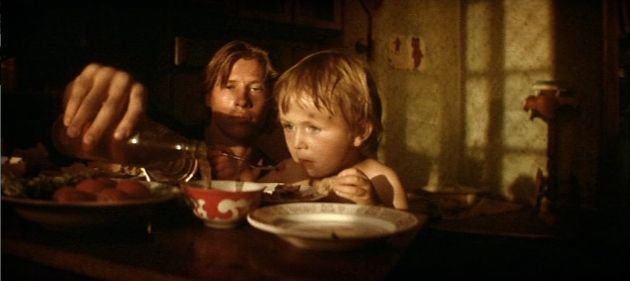
Yes, Sokurov is quite different from Tarkovsky as a director and visual storyteller. I realize that after seeing this film. It's quite hard to describe this 'Sokurovian cinema'. But this film was an eye opener.

Shame (1969) - Bergman
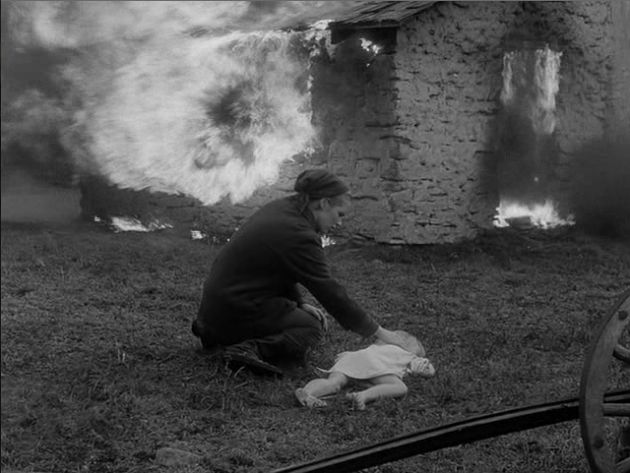
Image
What more can I say about this? Bergman is a true master of cinema.

Directors explored:

Jacques Rivette:
Le pont du nord
Celine et Julie vont en bateau

Maurice Pialat:
A nous amours
Loulou
Police

Abbas Kirarostami:
Life and Nothing More
Taste of Cherry
Homework
The Reoprt

Hou Hsiao Hsien:
City of Sadness
Millennium Mambo

Bruno Dumont:
Flandres
Hadewijch
Hors Satan
Camille Claudel 1915

Alain Resnais:
Mon oncle Amerique
Muriel
Vous n'avez encore vu

Raymond Depardon:
Une femme en Afrique
La captive du desert
L'homme sans O'ccidental

Alexandr Sokurov:
Days of Eclipse
Mother and Son
Moloch

Hong Sangsoo:
In Another Country
Nobody's Daughter Haewon

Top 20 Discoveries 2012