Friday, June 2, 2017

Nocturnal Creatures

J'ai pas sommeil (1994) - Denis
fbd8c990-16e7-404e-ace2-ce4973186b3c_zpsimjlyftm
32d16591-a176-46f9-bc01-8598ed141df6_zpskp6cqu79
d3c024f7-8bc2-430e-941f-1eea573da63f_zpsinsl1a7p
d42d3251-067f-48d0-aa77-86622122775b_zpsyjff8fp1
78206e6a-629e-48da-9254-5c43463b33e3_zpsoukujkwo
8a06ffda-7082-4f2f-afef-c2419b62d285_zpsfzljpwbi
99926bd0-7865-4505-8495-89b31660761c_zpsghclrmti
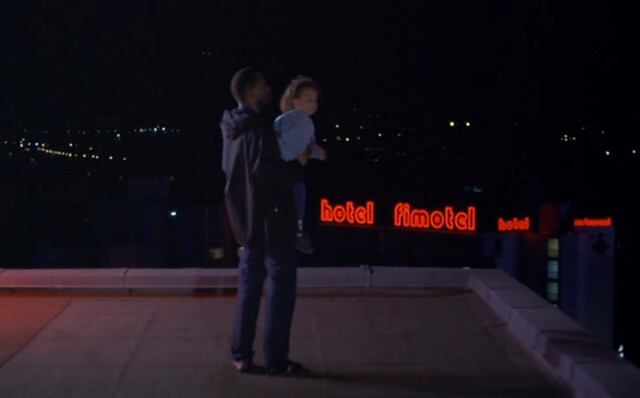
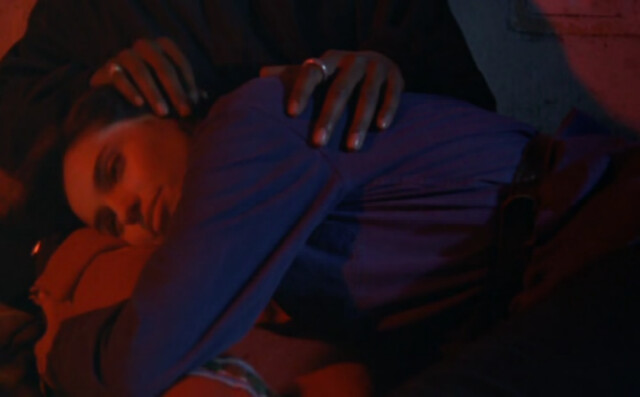
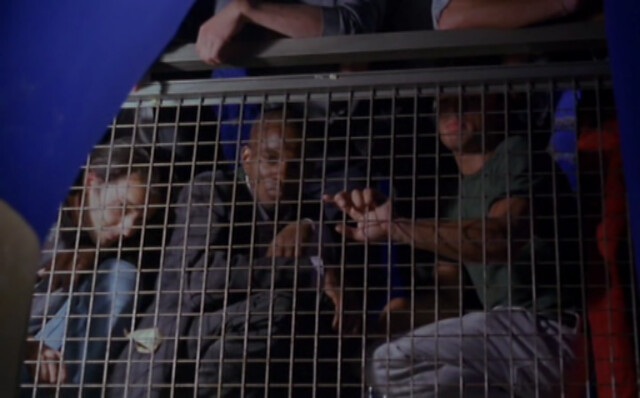
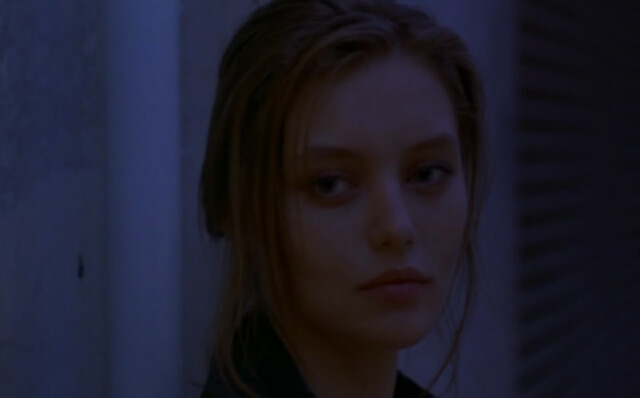
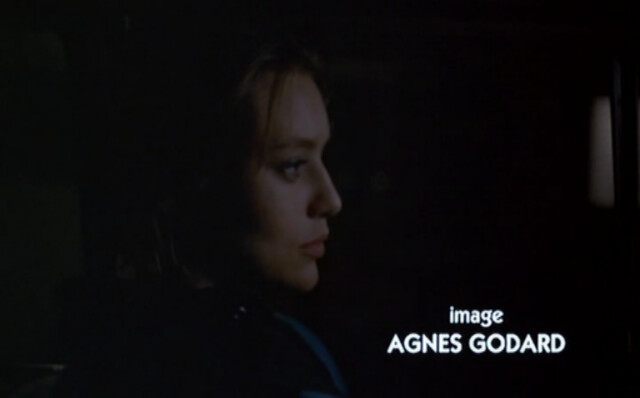
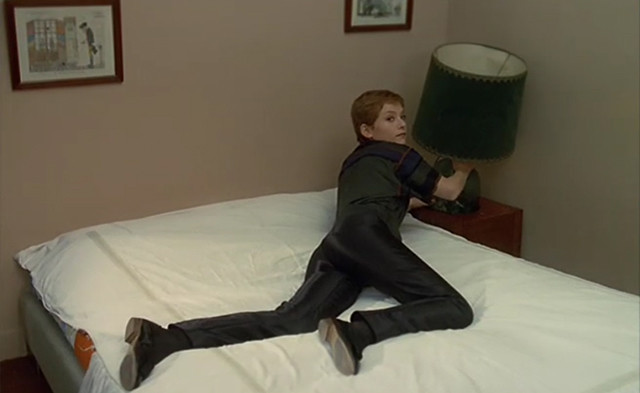
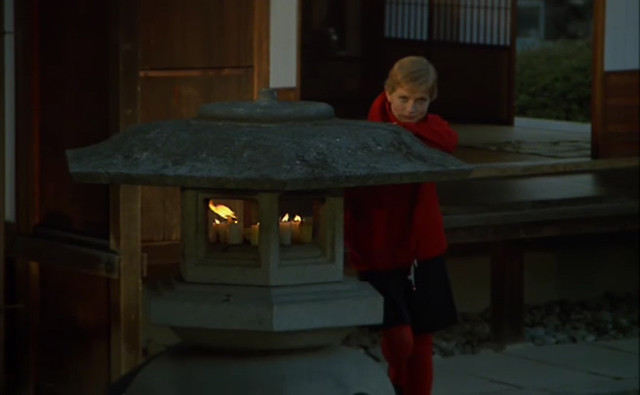
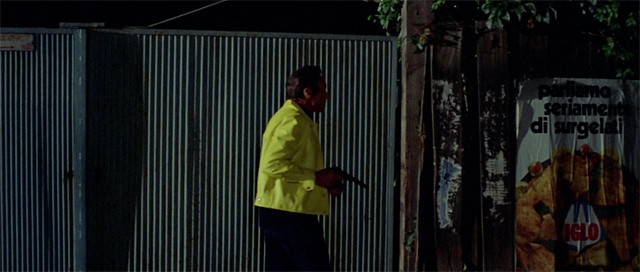
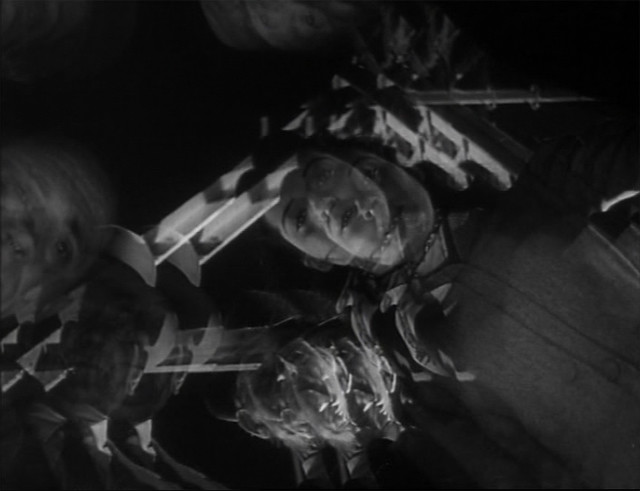
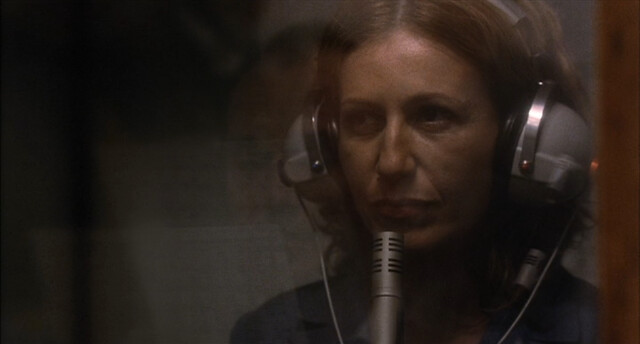
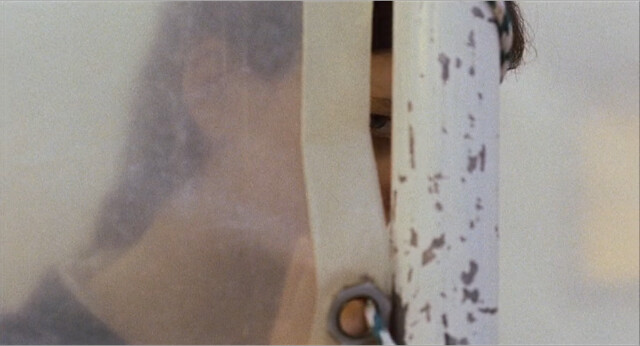
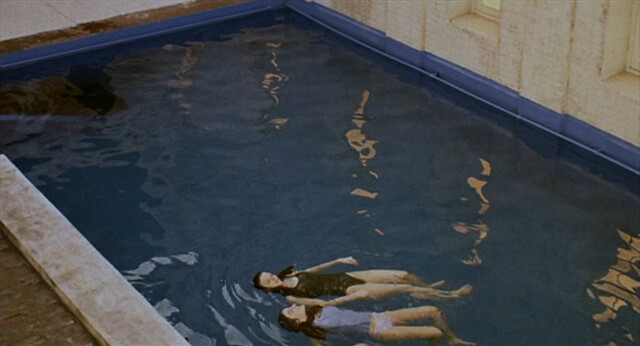
So fluid and graceful. Denis's penchant for sketching out knitty-gritty lives of Parisians, both long time residents and newcomers are present in J'ai pas sommeil. It involves two storylines, slightly brushing each other. One introduces a young Lithuanian girl, Daiga (Katerina Golubeva) in her Soviet made car driving up to Paris all the way from Vilnius. Penniless and with very limited French, Daiga bums around her distant relatives and ends up living in a crummy hotel run by good-hearted Ninon. The other story is of Camille (Richard Courcet), a gay performer, and his partner are involved in series of robbery and murder of old ladies throughout the city. Theo (Alex Descas), Camille's brother, having decided that Paris is not a place for him and his little son, is planning to go back to Martinique and that doesn't bode well with Mona (Béatrice Dalle), the son's mother.

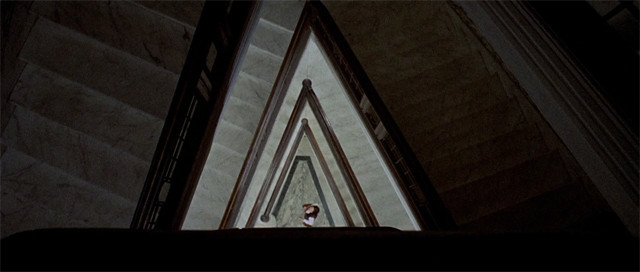
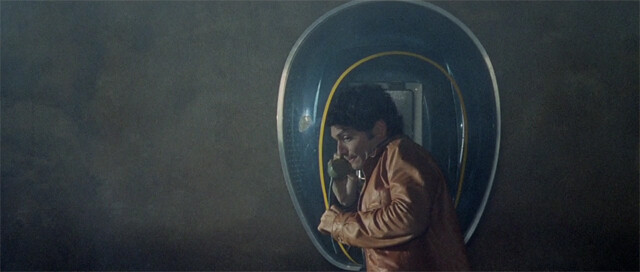
Unlike Wenders and Jarmusch (both of whom Denis worked as an Assistant Director for) fish-out-of-water stories, I find Denis's sensibilities more modern and cosmopolitan. Her portrayal of human desire and yearning lensed by great Agnes Godard has no real parallel. The cinematography in this is so effortlessly cool without ever being flashy. And this is why I always have a hard time taking a screengrab from her films.

J'ai pas sommeil also features alluring Katherina Golubeva. Obviously the camera loves her. Her beauty is overwhelming in every frame she's in.

I have to reassess my Denis priorities here. I do love her later, more visceral, post Beau travail stuff. But nothing really beats her earlier films. J'ai pas sommeil reaffirms that she is one of the greatest filmmakers working today.

Tuesday, May 30, 2017

Pile

Alien: Covenant (2017) - Scott
The most annoying part of this revived Ridley Scott franchise is not its first two (and many more to come I assume) shitty movies. It's the Hollywood hype machine to turn the shit into a digestible bits even before the new movie premieres. I saw two adverts floating on youtube that are not even included in the movie. The movie obviously can't stand on its own legs, so they have to have some kind of backing that ultimately doesn't end up in the final product. I guess only slightly but not much interesting part of this pile of shit is a Fassbender on Fassbender action: David, an android from Prometheus teaches Walter, the newer version of the same model how to play flute - "Just blow in the hole, I'll do the fingering." Fingering in the hole indeed does Ridley Scott with the revival of the franchise that should've died with Prometheus.

The highlight of the film is in the beginning few minutes, by killing off James Franco in a cryo chamber in his sleep (he appears in an advert though). But everything is downhill from there. I went in to be mindlessly entertained and all I got is unwanted pseudo philosophizing and lackluster thrills. Alien: Covenant is a huge pile of crap.

Monday, May 29, 2017

Cold Fish

La Truite (1982) - Losey
truite1
truite04
truite10
truite8
truite 7
truite05
truite 4
truite01
truite02


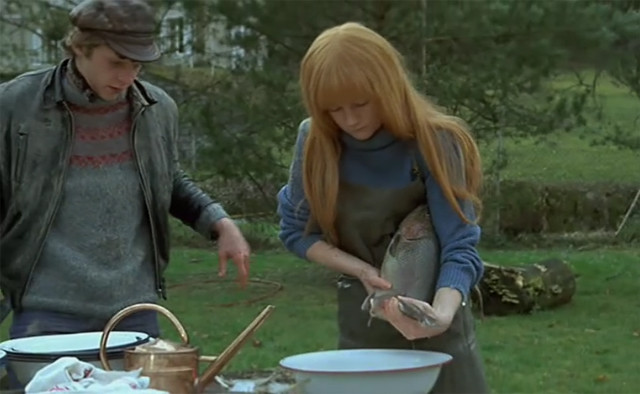
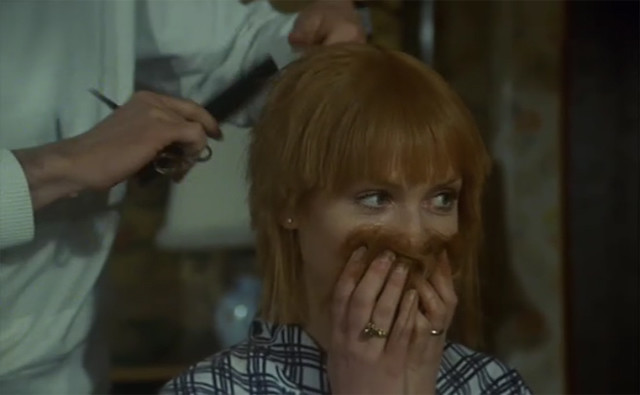
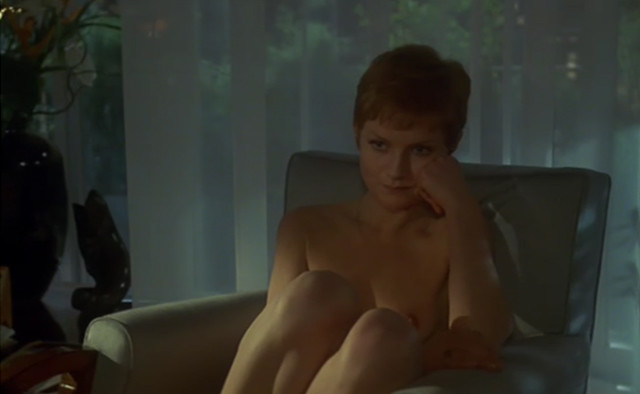
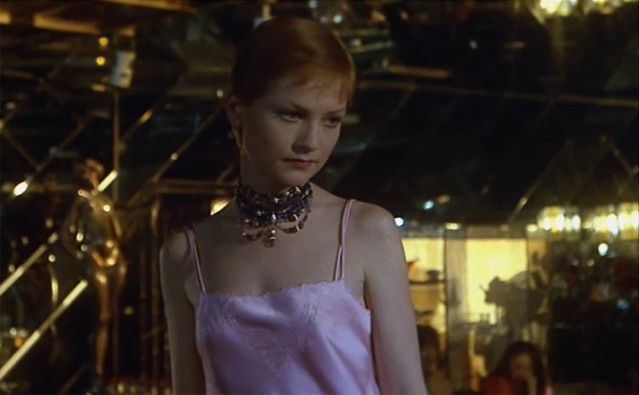
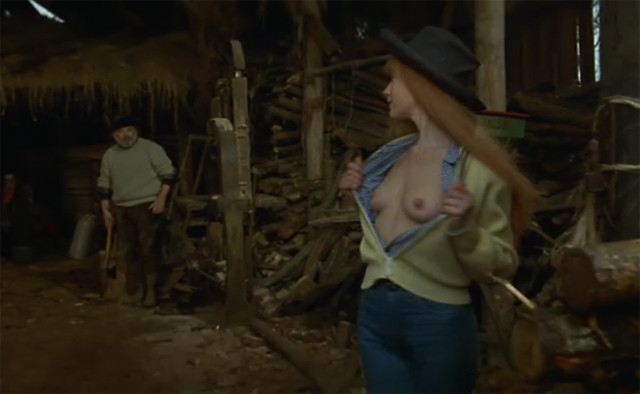
From what I've read, Joseph Losey planned adaptation of Roger Vailland's book of the same name with Brigitte Bardot in mind. He got to make it much later with the one and only, Isabelle Huppert. The choice of Bardot makes a lot of sense to play a sexpot who can't be controlled by surrounding men and like a trout, would slip away from their grasp. But she would've been too obvious of a choice and the movie would've been less interesting. La Truite, instead, is a much more nuanced film about sexual power play, finding love in the cold society and fraternity of women.

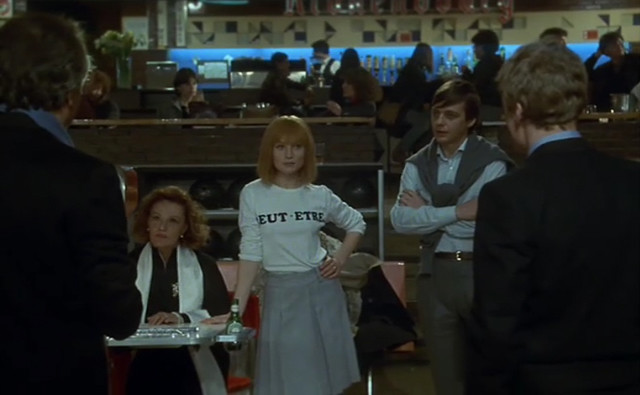
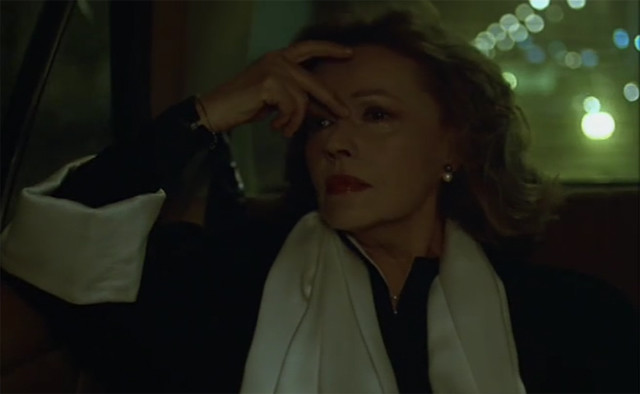
Frederique (Huppert) works at a trout farm in the rural area. She is young and married to an effeminate young man, Galuchat, who grapples with his sexuality and has suicidal tendencies. Frederique is also disgusted by her father and his friend's behavior among village girls- 'taking them to his chalet' has an ugly connotation in her mind. It is revealed in constant flashbacks that she belongs to 'carefree girls club' where they perform rituals and swear to each other never give men what they want. It's maybe or never. Galuchat and Frederique meet an old couple, Rambert (Jean-Pierre Cassell) and Lou (Jeanne Moreau) and their friend St. Genis (Daniel Olbrychski), a rich business man while bowling. Rambert and St. Genis are immediately smitten by Fred. St. Genis offhandedly suggests to take Fred to his business trip to Japan. Rambert is mad jealous and Lou is pissed at Rambert. Fred rummages through high society and wreck a havoc.

Off they go to Japan. Fred soaks in her first plane ride and exotic culture and all the luxury St. Genis provides for her. But she never gives him what he wants. Because Galuchat's suicide attempt, Fred and St.Genis come back to France. Rambert and Lou are in the fritz because of Fred. Lou and Fred bond over their mutual understanding of men's folly.

It's all Huppert though. Her mixed naivete and nonchalance makes a hell of a complex, beguiling character. She can be brutal in kicking old pervert's balls several times but also can be remorseful after throwing the man's stuffed trophies out the window and seeing him cry. Another strong film that demonstrates Huppert's talent and charm.

Death by Bad Art

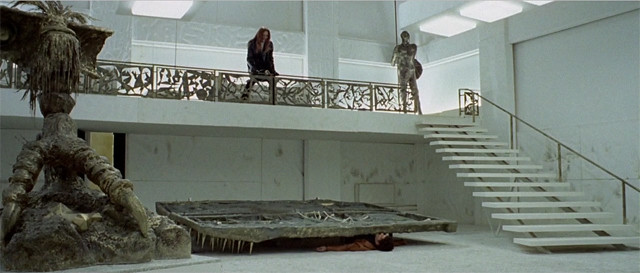
Bird with the Crystal Plumage (1970) - Argento
crystal plumage1
crystal plumage2
crystal plumage6
crystal plumage7
crystal plumage9
crystal plumage11
crystal plumage12
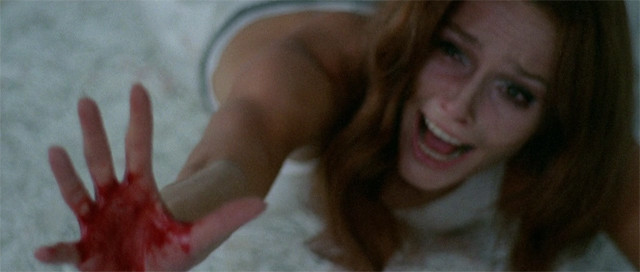
The serial killer is on the loose and an American man (Tony Musante) witnesses a near murder of a beautiful woman (Eva Renzi) in an empty gallery from outside the glass window at night. The incident leaves a great impression on him and he decides to postpone his return to the US and start his own investigation. As usual in a giallo, there are plenty of red herrings and pretty girls getting murdered along the way.

The use of architecture and art Bird with colors and framing, the Crystal Plumage is perhaps one of the most accomplished, stylish debut feature of all time. It contains all of the Dario Argento signature of his later classics and can still be counted as one of his very best. Renzi is appropriately freaky. A great giallo.

Wednesday, May 24, 2017

Visual Journal of Raymond Depardon

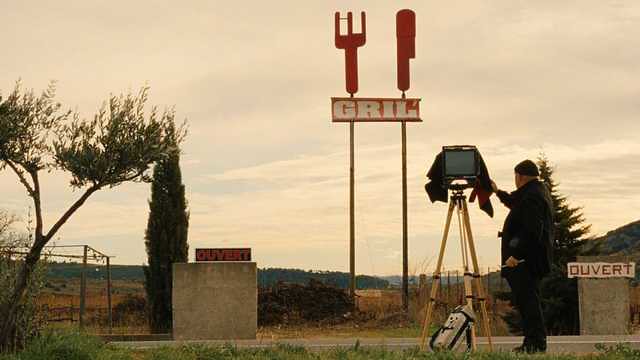
Journal de France (2016) - Depardon
depardon
An intimate portrayal of a journalist, photographer, filmmaker Raymond Depardon as he embarks on a tour of his country with his large format still camera. Unseen narrator is his long time collaborator/wife/Sound recordist Claudine Nougaret. It's both journey through time and intimate portrayal of Depardon and his unending curiosity around the world and at home. Depardon's assembled, mostly handheld reportage takes us to various political hotspots around the world since the 60s - Venesuela, Chilé, Czechoslovakia, Congo, Djibouti, South Africa and a lot more. It also illustrates the artist's obsession with the desert with all it represents. We get to see how Depardon and Nougaret hooked up through various stock footage. It's a great doc that avoids being a sentimental nostalgia piece. Great Saturday morning movie it turns out to be.

Thursday, May 18, 2017

The Great Western Pathos

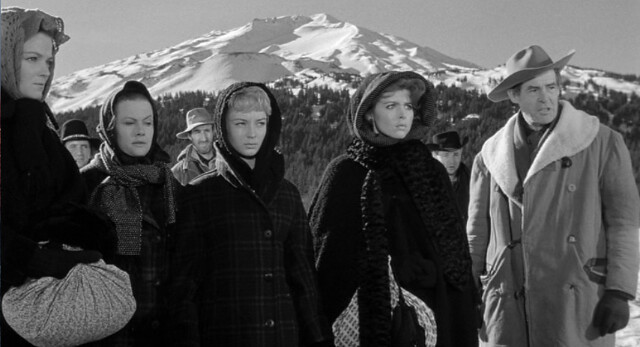
Day of the Outlaw (1959) - de Toth
15c6b1c6-f914-4bc4-a991-d3af74c609cf_zpskmpsiwlj
The self-righteous anger and violence has been a staple pathos for the Western genre. This tough male victimhood is as privileged and outdated as white supremacy movement that is rampant in this country. One can't deny that America is built on violence but no one wants to admit it. All highly regarded Westerns follow pretty much the same pathos - The Searchers, The Man Who Shot Liberty Balance, etc. Andre de Toth's Day of the Outlaw is no exception but it makes a hero out of Robert Ryan's gruffy rancher without ever firing a gun. So kudos for that.

Ryan plays Blaise (more like Blasé), a hardened rancher who's had enough of Crane, a farmer and husband of his former lover Helen (Tina Louise), encroaching his territory. Blaise has no qualms about shooting down Crane just on principle alone. But a group of outlaws, headed by former army captain Bruhn (Burl Ives), rolls into town, just in time for Blaise & Crane showdown and start terrorizing its twenty or so citizens of the small town. Bruhn's men are thirsty and lusty. But perhaps because he knows that he is dying, Bruhn promises the townsfolk that his men will not touch the booze and women, until they have secured a safe passage, away from trailing calvary. Blaise, knowing that Bruhn's death will commence raping and pillaging, urges the town's horse doctor to extract the bullet from Bruhn's chest and keep him alive as long as he can.

After a night of dancing and some molestation of women, Blaise decides to deceive the gang and lead them to certain death in the mountain, promising that there is a secret safe passage through the snowy mountains. Greedy and trigger happy, the gang starts to kill each other off.

Day of the Outlaw is a great western. Top notch acting from Ryan and Ives and Louise is a real beaut. Snowcapped vista also accentuates the harshness of the American west.

Tuesday, May 16, 2017

Chip on His Shoulder

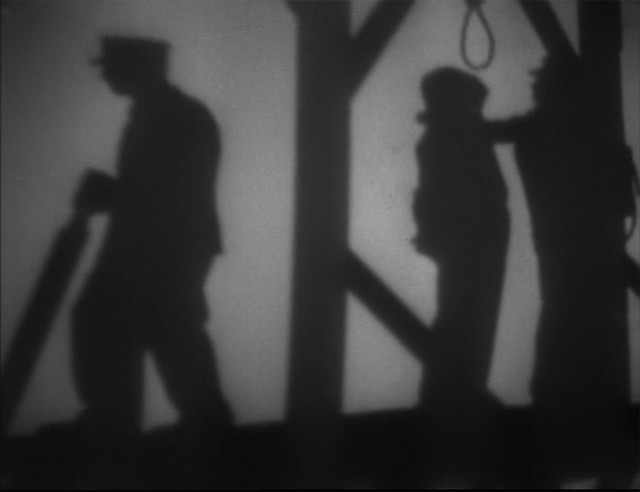
Moonrise (1948) - Borzage
Moonrise1
moonrise 2
moonrise8
moonrise 3
moonrise4
moonrise5
moonrise7
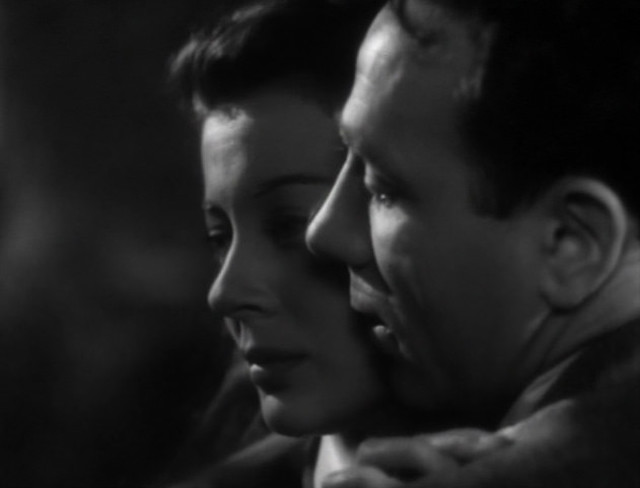
Danny (Dane Clark) has been fighting against a stigma of being a son of a murderer who was hanged- as a child, he was relentlessly bullied and grew up to be a young man with a major chip on his shoulder. He gets into a fight during social dance and ends up killing Jerry, a local rich banker's son (Lloyd Bridges) who's been tormenting him all his life. Danny starts romancing Gilly (Gail Russell), a comely school teacher and Jerry's sweetheart, who's been having feelings for Danny and sees goodness underneath his erratic behavior and moody nature. Soon enough, local sheriff suspects him of foul play and closes in on him. Still struggling with his father's demise, Danny blames the bad blood running in his family for his predicament.

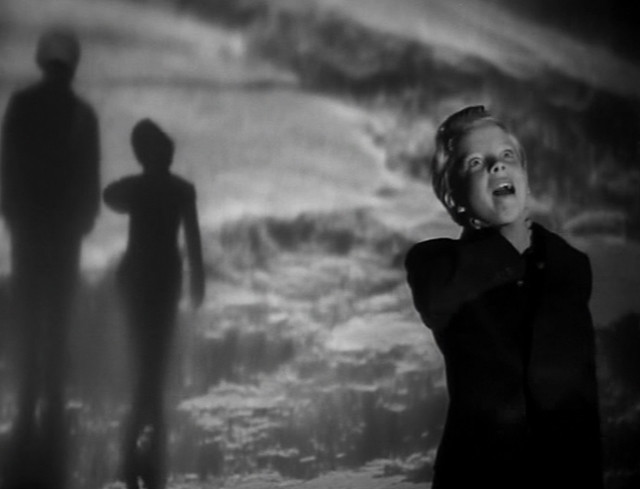
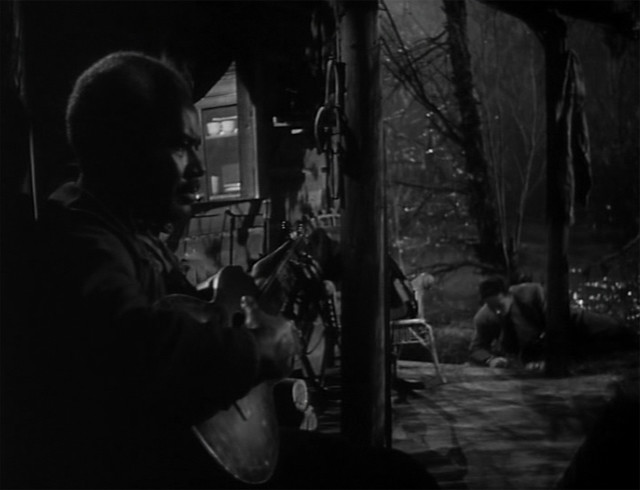
Moonrise starts with an ominous shadowplay and its dark, moody photography never lets up until the very end. Its redemptive plot is nothing to write home about, but there are several beautiful details that makes the film stand out. It's indoor shot southern backwoods has its stagey appeal (with swamps and everything). The foretelling and suggestive dialog/singing reflects Danny's increasing paranoia is quite delicious. It has several poignant moments involving the village idiot (Harry Morgan) Danny projected himself to, animals - coons and bloodhounds, sage black man Mose (Rex Ingram) who has the best lines in the film.

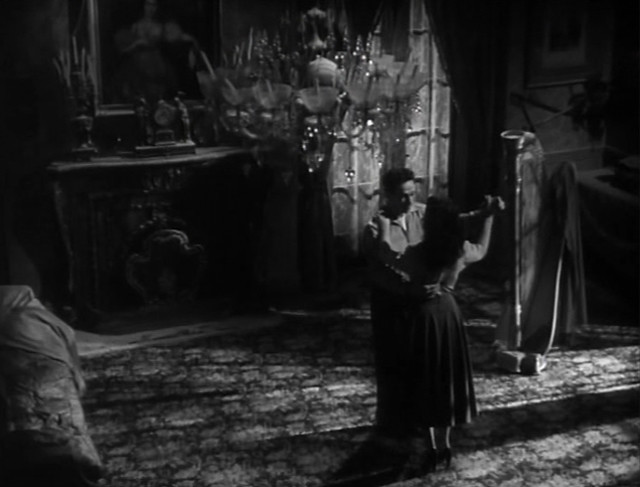
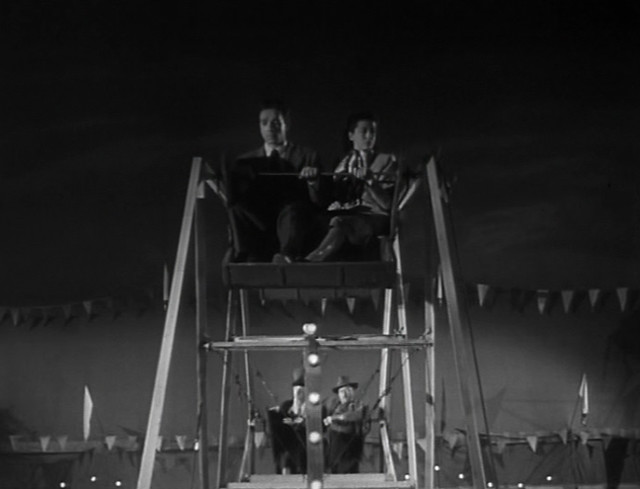
There are several striking scenes in the film that highlights Borzage's skill as a highly visual filmmaker. Most notable ones are the swooping crane shot of Danny and Gilly dancing in a derelict mansion and of course, Danny going crazy on a ferris wheel ride as he jumps off from his seat to the ground. Borzage's sensibility is close to that of Jean Cocteau and Jean Epstein than his Hollywood contemporaries. This could have been a great Farley Granger vehicle. I loved it and looking forward to delve into Frank Borzage's filmography.

Thursday, May 11, 2017

Holy Cinema, in the Subtlest Possible Way

La niña santa/The Holy Girl (2004) - Martel
71a923c2-9137-4081-a85e-4618f5859055_zpsgwq9padw
f6d54976-796a-4f21-9eec-e9b3789860fa_zpsr4hjtubx
5411cf9a-a200-48d4-8798-d9a3d523e75e_zpsr9fxlewt
e1efc07f-f5b0-4f8a-b447-651c72c46d39_zps4lxtigpu
16eeacdf-9acf-44da-83c4-b13f7c8031f9_zps8hmg0qui
Amalia (María Alche), a sullen teen girl, lives with her divorced mom Helena (Mercedes Morán) in an old hotel with a thermal pool where mom works as a representative. She attends bible study group with her catholic school girl friends and recite prayers under her breath obsessively. Lately, she is obsessed with 'vocation'. A ear-nose-throat doctors convention is taking place in the hotel. Amalia finds herself being an interest of Dr. Jano (Carlos Belloso), a married man with kids, when he rubs against her bottom in the crowd gathered for a theremin player just outside the hotel. On the verge of sexual awakening with the help of a promiscuous, gossipy best friend Jose(fina), the experience leaves her not repulsed but curious.

She soon becomes obsessed with Jano, sneaking into his shared room, smelling his shaving cream, following him and spying on him at the poolside. Whatever this man means to her, her obsession becomes her 'vocation'. Jano's guilty conscience is not helping Amalia's cause. To make matters worse, Helena finds him attractive as well.

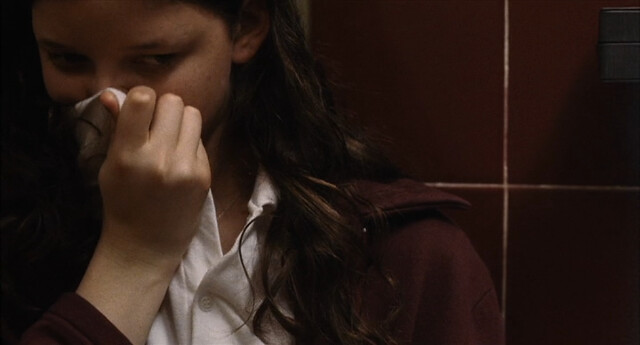
Martel proves to be the master of close-ups and shallow focuses. The details of the senses and small moments she captures on screen - touch, smell, whispers make up the film's superbly orchestrated, organic feel. All the connective tissues of the film are all spread out- the fact doctors are ear-nose-throat specialists - whispers and misheard information, smell, singing, but her approach is so subtle and fluid, you can't help but admire her skills. The Holy Girl is about Amalia as much as it isn't. The film's sordid details of the lives of middle class bourgeoisie can be seen as Almodovar-esque melodrama. But as in all Martel's films there is always a it's-barely-there-but-there satire. I can't really think of any director working today who works on Martel's level. The Holy Girl is a true cinematic feat!

Sunday, May 7, 2017

A Puzzle Piece

Terrorizers (1986) - Yang
terrorizers
Some no good gang is holed up in a shady apartment, shooting people on the street at random. A young photographer takes pictures of a man shot dead on the street by the same gang. A fiction writer is having a writer's block, but her supportive but meekly doctor husband who is up for promotion doesn't understand what she's going through. Edward Yang's Terrorizers briskly, busily sets up the premise in the beginning twenty minutes. The film is a puzzle piece that doesn't resolve neatly, yet done in smart, intriguing way, you can't help but admire Yang's skills as a filmmaker.

In the center of it all is a young street hustler (Wang An) who alone escapes the police raid, but is captured by the young photographer's lens. She breaks her leg during her escape and put on a house arrest by her mother. So she spends her time prank calling people at random. The photographer who is obsessed with the girl in his photos, ends up breaking up with his girlfriend and moving into the shady apartment where the gang was holed up at, making it his dark room. The writer becomes a victim of the girl's prank call and it becomes the catalyst for her finishing the novel and leaving her husband.

It's the young photographer who pieces it together and informs the doctor about the girl who maybe responsible for his wife leaving. After that, the unhinged doctor, whose life is in shambles, carries out revenge, mirroring his wife's now famous novel.

On paper it reads like a sordid crime film very much akin to what the author says in an interview after she won the first prize, that she was "inspired by Japanese crime novels". But Terrorizers is nothing but. Everyone is well equipped with back stories and their motivations, except for the wayward youth with no moral compass, suggesting that this girl, the catalyst for everything that happens in the film might be the work of fiction, that her appearance is what people are wishing for in their daily tedious lives.

With Haneke like double take at the end, the film puts an emphasis on the fiction overtaking reality overtaking fiction. Ambitious and seductive, Terrorizers beckons me to watch more of the Taiwanese master's films.

Saturday, May 6, 2017

Primordial

Womb (2017) - Barley
womb1
womb
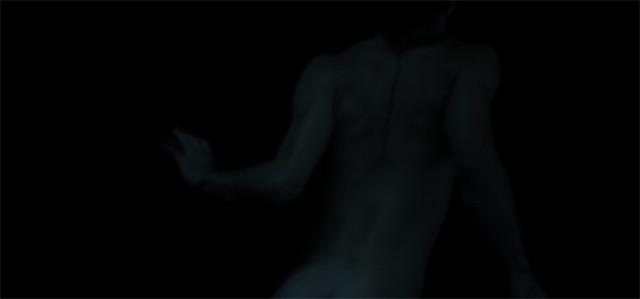
Scott Barley fixes his gaze from his native Welsh outdoors onto a human body in the darkness. Womb can be a little brother to Grandrieux's White Epilepsy, yet still unemcombered by narrative or genre conventions of traditional 'movie-making'.

There is a gaping hole in the universe in the shape of a womb. Barley's internalization of the universe is unwavering. With amazing sound design, Womb is another hypnotic concoction and nice addition to the prolific young artist's growing filmography. There is always something more primordial about Barley's work. His images are devoid of symbols or layered contexts but completely bare and visceral. And I like that about his films. Here he is furthering his cinematic adventure and exploring a new territory as an artist. I love it.

Ideal Version

Empathy (2016) - Rovinelli
6a102b35-2f83-41ad-be0f-b19bbad6e0a1_zps4qimeqnx
Em Cominotti works as an escort. In brief introduction in the beginning, we get to know her background a little bit - a Pittsburg native, currently living in New York, trying to kick heroin habit. Shot on mostly long takes, Empathy is a empathetic, intimate look at a girl's life. Cominotti is a beautiful young woman with warm beguiling smile. You want to get to know her. We see her with a Shakespeare quoting client. Their long take sexual act is graphic but also very natural.

She is back in Pittsburg, hanging out with some old friends, going out to clubs. Then she is in LA. She treats her work as sort of a performance art, playing an ideal version of herself.

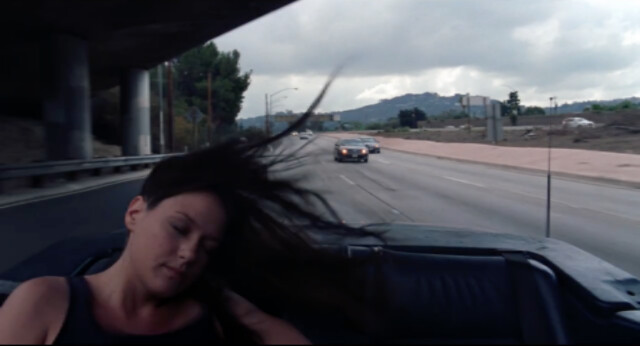
Empathy is a collaboration of director Jeff Rovinelli and Cominotti, a real sex worker and a junkie. It's a scintillating cinema - seductive yet nitty-gritty, near pornographic yet undeniably intimate. It is a fascinating watch. To top it all off, it ends with 10 minute long take of Cominotti in the back sit of convertible as the car drives through a windy Los Angeles highway.

Thursday, May 4, 2017

Exposing the Exposer

Risk (2016) - Poitras

julian_assange_risk_still_-_publicity_-_h_2017-1
Last week, US Attorney General Jeff Sessions announced that Julian Assange's arrest is a priority of the Trump Administration. So Laura Poitras decided to go back to the editing table to add that information in before Risk, her new documentary about Assange and WikiLeaks, gets released in theaters on May 5. (it will debut on the Showtime premium channel this summer.)

Mind you, it debuted as a work in progress last May at the Cannes Film Festival. But a lot has happened since then; bigly, the US election and the Russian hack scandal. Six years in the making, Risk tries to keep up with a whirlwind of information, highlighting Poitras's unprecedented access to Wikileaks and Assange as many events around the world were unfolding.

Risk is an intense film. It starts in 2011, with Sarah Harrison, a close friend of Assange and one of the editors of WikiLeaks, trying to reach Hillary Clinton on the phone. It's a courtesy call to let her, then Secretary of State, and the US State Department know that they are about to leak some damning information. Jacob Applebaum, another editor at WikiLeaks, is seen at a telecom conference in Egypt after the Arab Spring and Abdel Fatah el-Sisi's military takeover, accusing Egyptian telecom moguls of piggybacking on the revolution, while in fact, they colluded with the Mubarak regime and restricted people's access to the internet and Twitter during it.

As the sexual assault case against Assange takes the center stage, Poitras laments that the project is not what she thought she was making, that she thought she could avoid contradiction in him, but that she was wrong. In her sporadic production log voice-overs, she asks herself, why is Assange still allowing me to film this? His ego? Is this film going to be a collateral for his game later on?

Risk does not make a devil or martyr out of Assange. This will surely disappoint and infuriate both his supporters and detractors alike. There are no new revelations, either. One thing it does is paint a grey picture of the very complicated world we are living in.

It shows that in this information age, the Orwellian dystopia where everything is black and white, and the government has total control over media, can't possibly happen. Even Kim Jung-un's North Korean regime is losing grip on its people because of widely circulating contraband South Korean TV dramas, according to a recent high official defector. But instead, we are left in the moral and ethical muck caused partly by hackers, WikiLeaks and individuals like Assange.

Risk never really answers why Assange chose to harm Clinton over Trump during the election. For someone who is in the know, his opinion seems to be pretty conventional: in his words, she is a war hawk and he is unpredictable, which was everyone else's opinion at the time. But for the sake of the argument, let's suppose WikiLeaks dumping hackers' DNC email did tip the scale in the 2016 election in favor of Trump. With the world on the brink of a nuclear war showdown, was Assange wrong about his choice in risk taking? Only time will tell.

The fact is that unlike Edward Snowden, a cleancut whistle blower and a true patriot (who also was the subject of Poitras's award-winning Citizenfour) or Chelsea Manning, a conscientious objector, Assange is rather a calculating, vain character who is in a position of great power and excercises it by his own principles, weighing the risk factors like a chess game, disregarding how his actions might affect the lives of others along the way.

I question Poitras's judgment as a filmmaker: Why did she include a clip of Applebaum jokingly comparing WikiLeaks' method to unprotected sex to roomful of women journalists out of six years of footage? With the accusations against Assange, it's a little on the nose for me.

It doesn't help when Poitras admits having a relationship with Applebaum, who turned out to be an abusive man, accused by many WikiLeaks women employees and forced out of the organization in 2013. With that, she is taking a risk here of the film being too personal to be objective, too limited by her own involvement to see the bigger picture.

Assange was upset that Poitras got the exclusive with Snowden but didn't come to him to release the tapes. So he severed the contact with her. Three years later, he contacts her again to resume filming. In an epilogue, she says Assange wasn't happy with the latest version of the film.

As we speak, WikiLeaks started to dump CIA secret documents in what seems to be the retaliation to the Sessions speech and renewed interests in extraditing Assange (or vice versa). Luckily the film ends with the info that Wikileaks already uploaded tons and tons of secret documents somewhere as a 'kill-switch option.' So just in case anything happens to the organization, they will be released to the public. Expect a lot more leaks and revelations in the years to come.

If anything, Risk shows that Assange is a man of strong principles and greatly enjoys risk-taking when stakes are high. Exposing the exposer can be a risky business. It's the one that will make people love you or hate you in this politically polarized world. Poitras seems deeply conflicted yet committed to tell the truth. And this is why Risk needs to be seen widely.

RISK will open in NY (and nationally) on May 5 at the IFC Center and the Alamo Drafthouse Brooklyn. Showtime will air it in the summer.

Wednesday, May 3, 2017

Languid Visual Poetry

Diamond Sutra (2012) - Bi
e10c3d88-0f7f-4c8c-aa14-859d5b0f83ce_zpsjneruefm
71b76256-c877-4ce2-83c8-a168324d643f_zpsf3uzouop
7dfa8666-3679-4ac2-a4f8-05e0240b14bb_zpsxno6py0q
4261b42a-fc2f-4c6e-ad2d-f48dfbd4da61_zpsqx2jdzxq
So Kaili Blues was not some fluke. Bi Gan's short, Diamond Sutra/The Poet and The Singer, before Kaili charts the same trajectory - a road movie essentially, about two criminals, there are poetry and singing and boat ride involved. All seemlessly, effortlessly mingling together. Its languid visuals and otherworldly beauty is really something to be experienced. Bi really understands cinematic language and visual poetry. Can't wait to see Bi's next project.
Sunday, April 30, 2017

Ritual de Habitual

A Dark Song (2016) - Gavin
adarksong
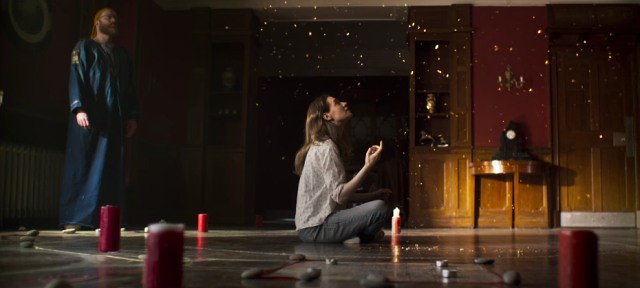
Sophia (Catherine Walker) is seen renting out a big old house in the Welsh countryside, money doesn't seem to matter. As long as the windows are facing west, she'd take it. There is a sense of desperation in her. She picks up Mr. Solomon (Steve Oram), a bearded, track suited occultist at a train station. He has barrage of questions. He is direct and rude. Sophia doesn't seem to mind all that. It turns out she spoke with other occultist and she chose him. She says she's doing it for love. He scoffs. Once he gets there, looking around, and asking more questions, Solomon says the house is wrong and Sophia is not being truthful in her intentions and he is leaving. Back at the station, Sophia confesses that it's her dead son. She wants very much to communicate with him one more time. He softens and agrees to partake in the ritual only under his strict, at times brutal rules. They stack up food and supplies for 6 to 8 months. They surround the house in lime sulfur circle. So starts A Dark Song, a superb thriller that's unlike anything I've seen.
Writer/Director Liam Gavin doesn't go for cheap thrills or emotional fireworks so prevalent with this genre. He takes time to build up to a rather conventional, religious- good versus evil ending. But it is so earned and beautifully done, by the time it comes around I was already sold on the film long ago, it didn't really matter. A Dark Song is all about anticipation or process of anticipation. The premise is set up. Sophia has to prepare for the grueling process Solomon prepares for her - gradually abstaining food, water, sleep and sex, sitting and staying in a drawn circle or square in each room for days, daily cold water cleanse, reading ritual texts and drawing continuously on the floor, and even ritual sex. I love rituals in films. Some sort of daily order fascinates me. That's why I love films like Innocence, Institute Benjamenta and The Ring Finger.

Steve Oram (Sightseers) and Catherine Walker are both great, giving tremendous, natural performances as damaged characters. They don't have to have character arcs. Sophia wants vengeance for the killers of her son. Solomon is merely doing his job - helping her get what she paid for through his unrelenting, brutal rituals. There are moments of tenderness and sexual tensions rising from being two of them alone for a long time, but these don't overshadow the overall film. Dark, gripping and beautiful, A Dark Song is a great film.

Sunday, April 23, 2017

Existential Crisis

Malina (1991) - Schroeter
a8a472b6-51d6-4914-81b0-02d0ff8cff03_zpsoyzpcvfo
adc1f100-9412-4f6a-b58b-83bcf8c1558a_zpsqc9d85ol
0ce8c128-1b10-453e-9e29-96e272419890_zpscym9fajs
86d4bdfb-5491-4baf-a28b-294cd29ee2f5_zpsitm3fzhz
bef572f6-f0ad-4dc5-b57d-3cfd9b9bad38_zpsvwlacp5w
a0227341-50d7-4446-a70f-1a4ec0cc7c36_zpseydio8c8
1648b3d7-022e-4699-96cb-e11aae426c9d_zpsujommdlh
b2dea77e-20e7-4e95-a5a5-8504d9fa639f_zpsnyucbov5
f16de952-6947-4ba9-8a60-ca6cbdaadb45_zpsaztewuqn
73978a94-3faf-4f3e-915e-0ae8d4470f2d_zpsyiyc6yog
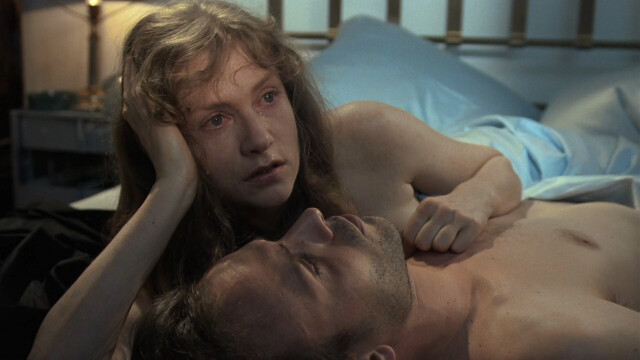
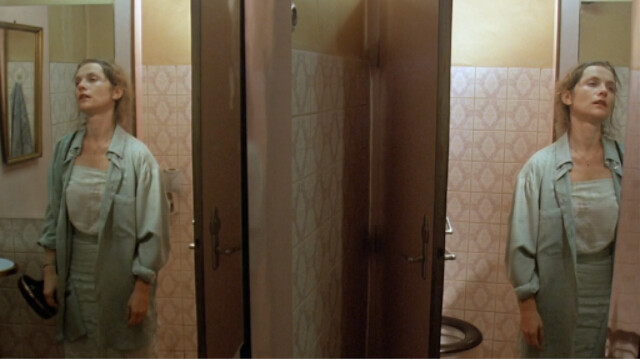
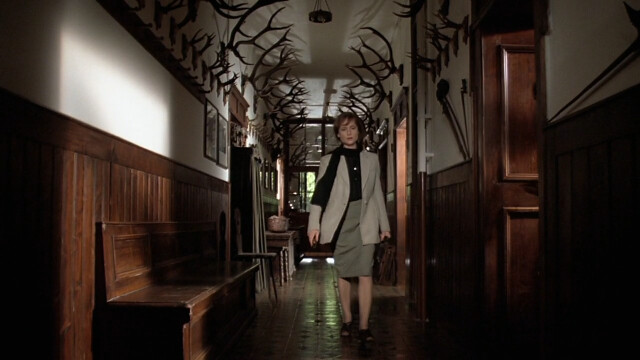
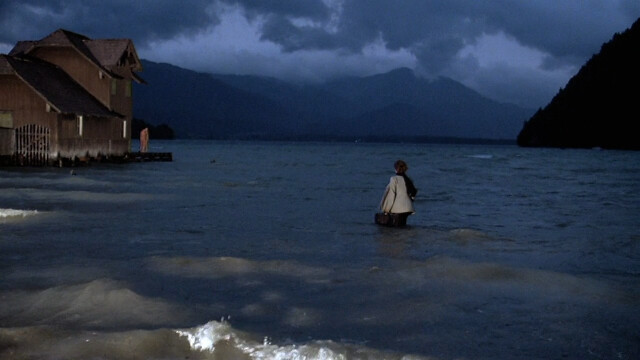
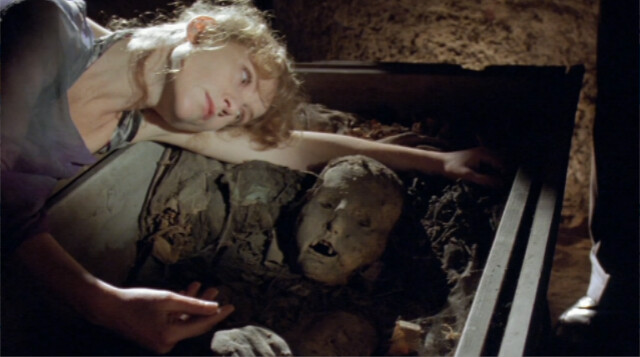
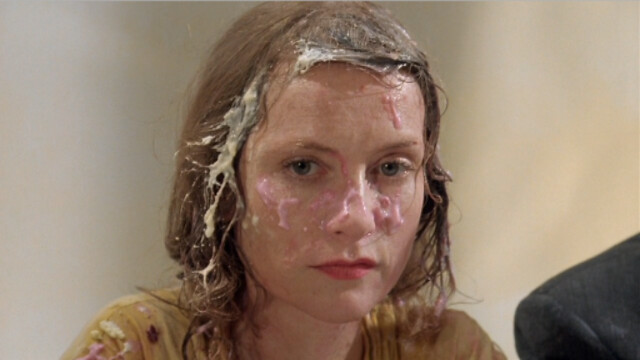
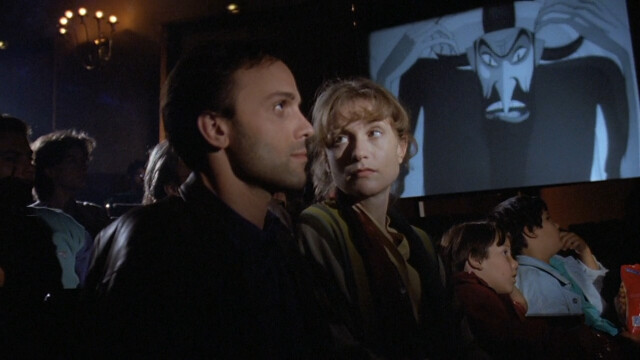
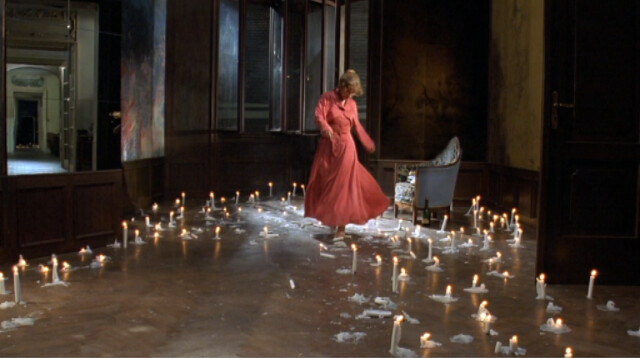
A Viennese writer (Isabelle Huppert) is having an existential crisis. She struggles between two men - Malina (Mathieu Carrière), her stoic, supportive husband and Ivan (Can Togay), her young handsome Bulgarian lover, to define her existence. It's a gripping, surreal film that showcases Huppert as an actress. She is absolutely radiant in this.

The writer is always seen typing away countless letters that ends up on the floor of her flat that will never get sent. She goes through a whirlwind of emotions, searching for that eternal happiness, but not finding with either men. Malina, with the female sounding name, could be the one and the same as the writer herself. He is the rock in her fragile existence in the beginning. But as she slowly loses her grip with reality, he stays distant and cruel. Ivan, whose nonchalance makes her all the more desperate. finally ends up abandoning her.

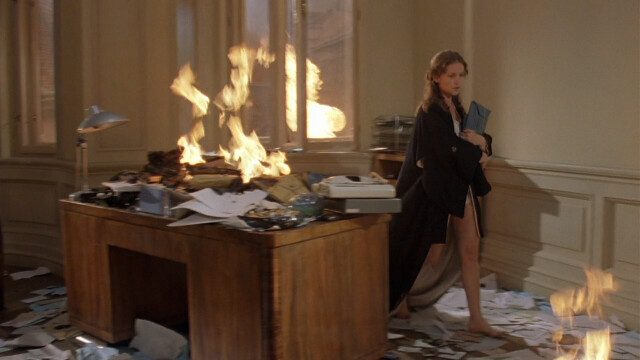
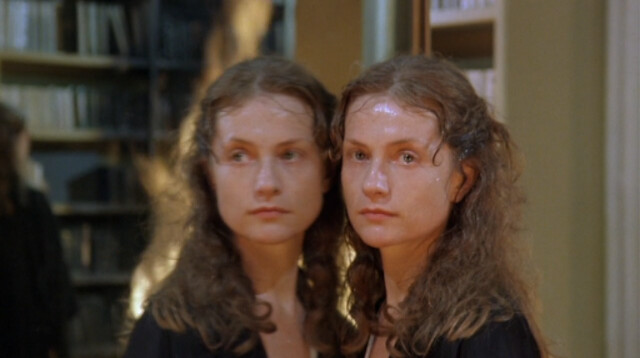
The film begins with a horrific nightmare of the writer. Her father throws her younger-self out the roof of the building. Her father is a recurring figure, sometimes seen in a Nazi uniform, reinforcing patriarchal post-war male dominant European society. Malina is a complex and crazy movie filled to the brim with symbolic images and close ups of Huppert's tearful face. Mirrors, reflecting our writer's state, is also prominently used. It goes completely bonkers in the last 30 minutes as things turn completely surreal, with part of the writer's apartment constantly on fire while Huppert pacing back and forth in her letter strewn flat as if everything is normal. Malina has a same emotional intensity as any Zulawski films and Huppert gives all to her blistering performance as a woman who desperately needs to validate her existence.