Tuesday, November 30, 2010

Monday, November 29, 2010
Poor Man's Hitchcock
Hi, Mom! (1970) - De Palma
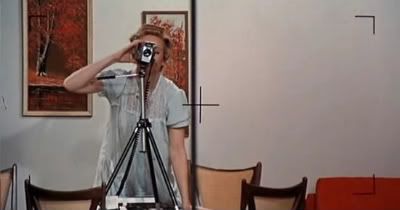
Brian De Palma's take on fame and upper class in the backdrop of sleazy New York in the 70s is hilarious romp. Young De Niro plays Jon, an aspiring pornographer pitching his idea for peeping with a long lens on the inhabitants of a highrise across the street. He then takes advantage of a ditsy lonely girl after spying on her for a while. Then there is a experimental theater group doing an interactive piece called 'Be Black Baby' where well intentioned rich white patrons go through some horrendous ordeal- putting on black faces and getting physically assaulted, only to rave it as life-changing experience.
Maniacally spastic and energetic in its playfulness, this might be my favorite De Palma.

Brian De Palma's take on fame and upper class in the backdrop of sleazy New York in the 70s is hilarious romp. Young De Niro plays Jon, an aspiring pornographer pitching his idea for peeping with a long lens on the inhabitants of a highrise across the street. He then takes advantage of a ditsy lonely girl after spying on her for a while. Then there is a experimental theater group doing an interactive piece called 'Be Black Baby' where well intentioned rich white patrons go through some horrendous ordeal- putting on black faces and getting physically assaulted, only to rave it as life-changing experience.
Maniacally spastic and energetic in its playfulness, this might be my favorite De Palma.
All Dogs Go To Heaven
Plague Dogs (1982) - Rosen
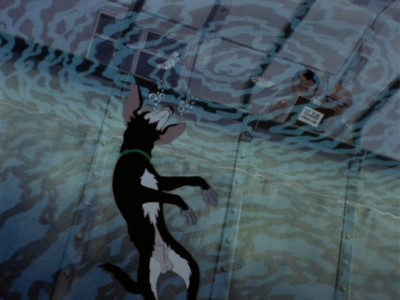
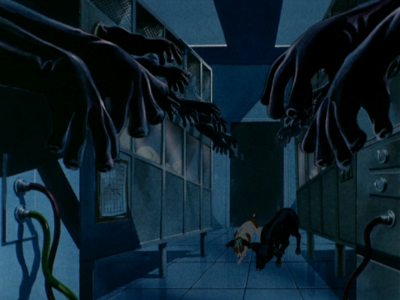
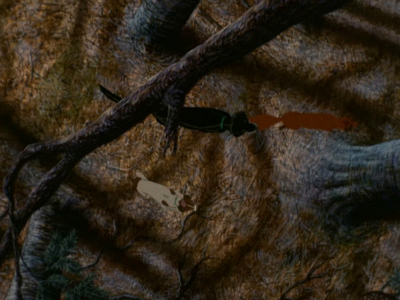
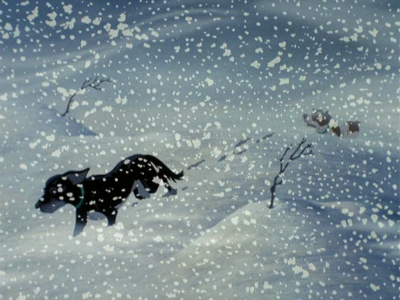
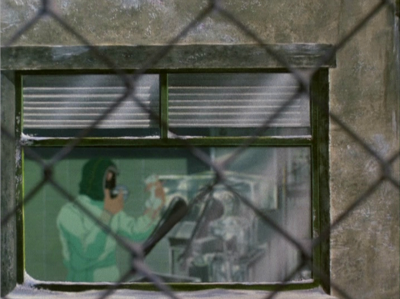
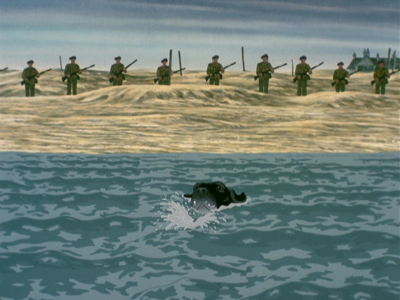
A black retriever named Rowf and a fox terrier, Snitter escape from a top secret laboratory in a mountainous English town by the lake. After many water endurance test where many fellow lab dogs drown, Rowf has issues with water. Snitter has been subjected to brain surgery and has a hole in his skull and also has a lousy luck with humans (his masters die). To avoid starvation, they stalk sheep with the help of a snarky fox named Todd. The body count rises. The towns people are after them, the labcoats are after them. Soon the Defense Ministry is called in with paratroopers to smoke the dogs out and destroy them for fear of them carrying bubonic plague.
No less devastating than Rosen's Watership Down, Plague Dogs is nevertheless beautifully drawn animation with a strong anti-animal lab testing message. The ending will break your heart.


A black retriever named Rowf and a fox terrier, Snitter escape from a top secret laboratory in a mountainous English town by the lake. After many water endurance test where many fellow lab dogs drown, Rowf has issues with water. Snitter has been subjected to brain surgery and has a hole in his skull and also has a lousy luck with humans (his masters die). To avoid starvation, they stalk sheep with the help of a snarky fox named Todd. The body count rises. The towns people are after them, the labcoats are after them. Soon the Defense Ministry is called in with paratroopers to smoke the dogs out and destroy them for fear of them carrying bubonic plague.
No less devastating than Rosen's Watership Down, Plague Dogs is nevertheless beautifully drawn animation with a strong anti-animal lab testing message. The ending will break your heart.
The Lamest. Motorcycle Gang. Ever.
Psychomania (1973) - Sharp
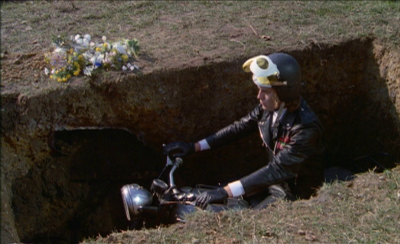
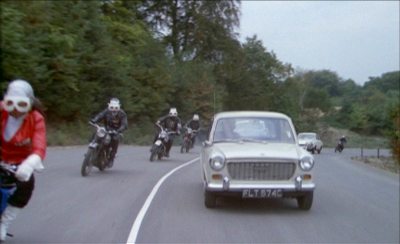
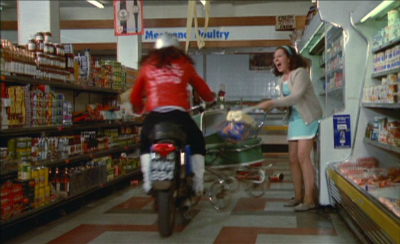
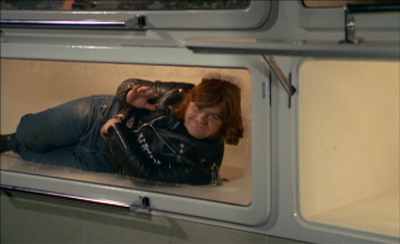
The devil (frog god) worshiping motorcycle gang, 'The Living Dead' roams the English countryside, wrecking bloodless, Monty Python skit resembling havoc- cruising through supermarket and terrorizing old ladies by ripping off sideview mirrors and breaking windshieldsof their cars. Their leader, a suave young man believes, with the approval from his ghost channeling medium mother, that they will come back as invincible after they kill themselves. All the members follow his suit in very comical ways and leaving dry corpses everywhere (they just fall down), but our heroine Abby is still undecided because she loves life!
Not hokey enough to be a cult classic and bike stunts are pretty lame. There is a disclaimer about the film's original negative being lost that they had to transfer from 'the best available sources'. Picture quality wasn't too bad though. And the film is chuckleworthy.


The devil (frog god) worshiping motorcycle gang, 'The Living Dead' roams the English countryside, wrecking bloodless, Monty Python skit resembling havoc- cruising through supermarket and terrorizing old ladies by ripping off sideview mirrors and breaking windshieldsof their cars. Their leader, a suave young man believes, with the approval from his ghost channeling medium mother, that they will come back as invincible after they kill themselves. All the members follow his suit in very comical ways and leaving dry corpses everywhere (they just fall down), but our heroine Abby is still undecided because she loves life!
Not hokey enough to be a cult classic and bike stunts are pretty lame. There is a disclaimer about the film's original negative being lost that they had to transfer from 'the best available sources'. Picture quality wasn't too bad though. And the film is chuckleworthy.
Monday, November 22, 2010
Tony Chestnut (see the movie to get the joke!)
Mumsy, Nanny, Sonny and Girly (1970) - Francis
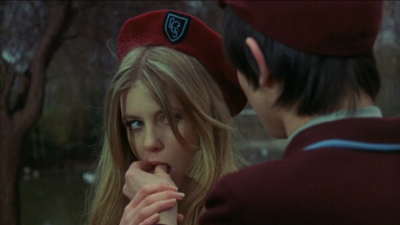
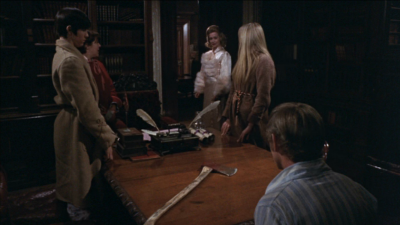
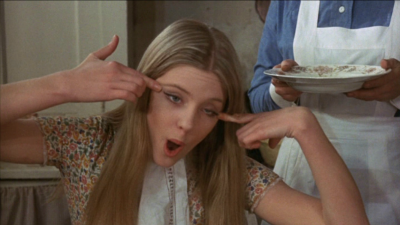
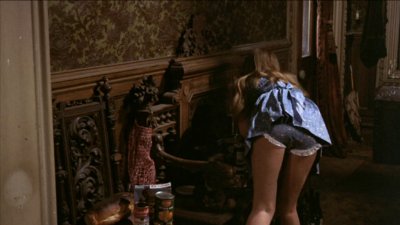
The children, Sonny and Girly dressed in English school uniforms find homeless people in the park and bring them home, to Mumsy and Nanny, to make them family playmates. When their playmates break the rules, they send them to the angels. This nursery rhyme filled, giggly family slowly disintegrates when they bring home a new feisty friend.
Part Teorema and part Wicker Man, Mumsy and Co, features some of the most delicious dialog and bewitching Vanessa Howard as Girly who can sing Siamese National Anthem. Another great Brit class satire borne out of the clash of the traditional family values of the war generation and 60s free love/anti anything generation. Great fun.


The children, Sonny and Girly dressed in English school uniforms find homeless people in the park and bring them home, to Mumsy and Nanny, to make them family playmates. When their playmates break the rules, they send them to the angels. This nursery rhyme filled, giggly family slowly disintegrates when they bring home a new feisty friend.
Part Teorema and part Wicker Man, Mumsy and Co, features some of the most delicious dialog and bewitching Vanessa Howard as Girly who can sing Siamese National Anthem. Another great Brit class satire borne out of the clash of the traditional family values of the war generation and 60s free love/anti anything generation. Great fun.
Wednesday, November 17, 2010
Ideal vs. Normal Relationship
Alle Anderen/Everyone Else (2009) - Ade
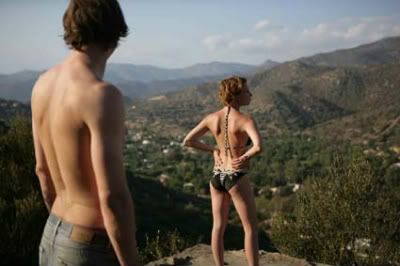
A young, not unattractive professional German couple, Chris (Lars Eidinger)- an architect, Gitti (Birgit Minichmayr), a music promoter, is vacationing in Sunny, picturesque (but testy) Sardinia. Chris is somewhat timid and full of self doubt, Gitti more assertive but needy. Ups and downs and tensions between them are pretty obvious, so as their physical intimacy. It becomes apparent that their relationship is not quite typical/ideal when they run into Chris's successful macho colleague and his nice pregnant wife. Things go a little volatile, as their unconventional (in other words, real) relationship gets tested. Simple in its aesthetics (heavily dependent upon two leads' actings) and brutally honest in its depiction, this 'relationship drama' rings very true to me. Very refreshing.

A young, not unattractive professional German couple, Chris (Lars Eidinger)- an architect, Gitti (Birgit Minichmayr), a music promoter, is vacationing in Sunny, picturesque (but testy) Sardinia. Chris is somewhat timid and full of self doubt, Gitti more assertive but needy. Ups and downs and tensions between them are pretty obvious, so as their physical intimacy. It becomes apparent that their relationship is not quite typical/ideal when they run into Chris's successful macho colleague and his nice pregnant wife. Things go a little volatile, as their unconventional (in other words, real) relationship gets tested. Simple in its aesthetics (heavily dependent upon two leads' actings) and brutally honest in its depiction, this 'relationship drama' rings very true to me. Very refreshing.
Sunday, November 14, 2010
Hope Down South
South of the Border (2009) - Stone
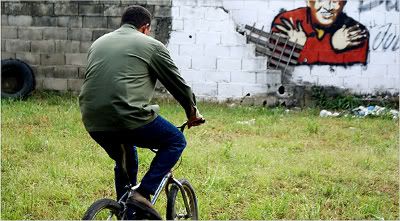
Oliver Stone tours Venezuela, Bolivia, Argentina, Paraguay, Brazil, Ecuador and Cuba, hobnobbing with 'evil' dictators- playing soccer with Morales in Bolivia, cracking a sexist joke at Kirchner in Argentina, etc. This is by far the best Stone film I've seen. He narrates the film but the narration and his presence are very unobtrusive. The film lays out these countries' tumultuous histories. South America, after years of American imperialism and devastating measures from IMF, is finally getting back on its feet and there seems to be genuine solidarity. Curiously Nicaragua is missing from Stone's itinerary.
Since the US is not a superpower anymore and still tangled in the Middle East, is there a hope for Africa?

Oliver Stone tours Venezuela, Bolivia, Argentina, Paraguay, Brazil, Ecuador and Cuba, hobnobbing with 'evil' dictators- playing soccer with Morales in Bolivia, cracking a sexist joke at Kirchner in Argentina, etc. This is by far the best Stone film I've seen. He narrates the film but the narration and his presence are very unobtrusive. The film lays out these countries' tumultuous histories. South America, after years of American imperialism and devastating measures from IMF, is finally getting back on its feet and there seems to be genuine solidarity. Curiously Nicaragua is missing from Stone's itinerary.
Since the US is not a superpower anymore and still tangled in the Middle East, is there a hope for Africa?
Thursday, November 11, 2010
20 Minutes of Bliss: Claire Denis Interview

Whether it's about a disco dancing French legionnaire, underworld organ trafficking or vampires, Claire Denis's enigmatic films have been enrapturing cinephiles around the world since her debut feature Chocolat (1988). With her thrilling new film White Material opening statewide on November 19th, and the retrospective- No Fear: The Films of Claire Denis at IFC starting this week, I sat down with Denis for a brief interview. She was very personable and gracious, offering long and thoughtful responses.
It's been 22 years since Chocolat and more than 10 years since Beau Travail, what prompted you to shoot a film in Africa again?
A while ago, Isabelle (Huppert) mentioned if I would be interested in adapting Doris Lessing's book The Grass is Singing. The book is set in South Africa right after the WWII. It's about Lessing's British ex-pat parents trying their hands in farming which they were terrible at. But even though it's a great book, there were two reasons why I didn't want to do it. First, the book already had a big influence on me making Chocolat. Secondly, I didn't want to do a period film. I don't like the typical nostalgic notion of colonial era- beautiful landscapes, exotic animals, heat, et cetera. I also didn't think it would be fair to show a colonial South Africa after all they've been through- 50 years of apartheid and election of the president Mandela and all. I wanted to make a film about 'now'.
White Material seems like a whole another world though. It feels timeless, not attached to any time period.
But it's not the 30s anymore. Surely you noticed the Chinese motorbike! (laughs). Those motorbikes are everywhere in Cameroon. Then there are those old beat up trucks, but it's mainly because they are poor. I would say the film is set somewhere in the last 10 years or so.
Has it changed a lot since Chocolat, shooting in Cameroon?
Yes. I think it's modern in a way other parts of Africa are modernized. But in rural farming areas, in French countryside even, everyday life is not so easy. It's not because the modernity is coming slowly, but because of the economical hardships. When I was making Chocolat, we were pretty much blind to the economic crises in Africa. Now we all live in the global recession, we see the blow is twice as hard there.
The famed French author Marie Ndiaye co-wrote the script with you. Can you tell me the process?
I've been admiring her work since her very first book (*Quant au Riche Avenir, written when she was only 17). We've been corresponding for a while because we both were intrigued by each other's work. When Isabelle told me about the project, naturally I contacted Marie. We took a trip to a coffee plantation in Ghana together to see what it's like. Since she had never written a film script before, she didn't have any bad inhibition that comes with the pitfalls of bad scriptwriting. She was very open. It was great.
The White Material seems much more narrative driven than your previous films. Do you feel that way?
Yes. After The Intruder (2004), I was driven by the idea of doing something not too mysterious but more concrete. Both this film and 35 Shots of Rum are very straightforward. The idea of heart transplant in The Intruder was both naïve and abstract in a way. Just like the old man in the film, it made me think of my own mortality. Then during editing that film, my producer (Humbert Balsan) died. I actually thought that it would be my last film and I would die myself. I wasn't afraid, but I felt that I'd never be able to make a film like that twice. It was a real turning point for me.
Wow, I didn't know about that.
But I'm sure it's not uncommon that other filmmakers feel like that too sometimes, that the film they are making right now would be their last. It was Isabelle and others who encouraged me to make films again. I did dedicate 35 Shots of Rum to Humbert.
One thing that struck me in the White Material was the son character, Manuel (played memorably by Nicolas Duvauchelle). He is a country-less product of the white colonialists who are losing power. He's described as 'half baked'. Tell me if I'm reading it too deep, but is there a parallel between Manuel and recent violent upheaval in French society?
Oh no. For me and Marie, it was much more concrete and simple. As a mother you don't want your son to be 'soft'. I was like that when I was that age. I would've rather laid on the couch and sleep all day. I think it's more conventional 'mother wanting her son to be a man'.
White Material Review
Chocolat Review
Interview at twitch
The Retrospective- No Fear: Films of Claire Denis at IFC Center runs November 10th - 18th
White Material opens limited in the U.S. this Friday, the 19th, with more cities to follow
Wednesday, November 10, 2010
Post-College Blues
Tiny Furniture (2010) - Dunham

Winner of this year's SXSW Jury Award, at a glance, Tiny Furniture could fit neatly into the typical post-college subgenre that has been a staple in American indies for the last two decades, except it doesn't. Thanks to director/actor Lena Dunham.
Aura(Lena Dunham), a recent graduate from some liberal art college in Midwest with her useless film theory degree and a dying hamster comes back home, to the Manhattan loft, inhabited by her successful photo artist mother Siri (Laurie Simmons, Dunham's real mom) and her high school prodigy, prettier sister Nadine (Grace Dunham, her real sister). Only thing she has to show for her college education is a youtube clip of herself in an unflattering performance art (she already has 375 hits on it!). She is completely stumped at life after college with no job prospects, no ambition and no boyfriend. Only thing that is left for Aura to do is to overstay her welcome in the house and get into trouble.
Even though it has all the slacker genre trappings- affluent white family, sibling rivalry, obligated party scenes, snappy one-liners, Tiny Furniture rises above all the pre-conceived notion of being just another white privileged college kid movie. It's Dunham's guileless characterization of Aura that comes off as real, funny and endearing.
Tightly executed on Canon 7D in controlled static shots by a talented cinematographer Jody Lipes (Afterschool, Wild Combination and director of NY Export: Opus Jazz), the movie fortunately lacks any hand-held camera movement or meandering shots usually associated with indie HD filmmaking.
With Dunham's acute observation and embodiment of romantic humiliation and post-college confusion, Tiny Furniture is an intriguing mixture of autobiographical filmmaking and performance art. I'm looking forward to see what she will come up with next.
Review at twitch

Winner of this year's SXSW Jury Award, at a glance, Tiny Furniture could fit neatly into the typical post-college subgenre that has been a staple in American indies for the last two decades, except it doesn't. Thanks to director/actor Lena Dunham.
Aura(Lena Dunham), a recent graduate from some liberal art college in Midwest with her useless film theory degree and a dying hamster comes back home, to the Manhattan loft, inhabited by her successful photo artist mother Siri (Laurie Simmons, Dunham's real mom) and her high school prodigy, prettier sister Nadine (Grace Dunham, her real sister). Only thing she has to show for her college education is a youtube clip of herself in an unflattering performance art (she already has 375 hits on it!). She is completely stumped at life after college with no job prospects, no ambition and no boyfriend. Only thing that is left for Aura to do is to overstay her welcome in the house and get into trouble.
Even though it has all the slacker genre trappings- affluent white family, sibling rivalry, obligated party scenes, snappy one-liners, Tiny Furniture rises above all the pre-conceived notion of being just another white privileged college kid movie. It's Dunham's guileless characterization of Aura that comes off as real, funny and endearing.
Tightly executed on Canon 7D in controlled static shots by a talented cinematographer Jody Lipes (Afterschool, Wild Combination and director of NY Export: Opus Jazz), the movie fortunately lacks any hand-held camera movement or meandering shots usually associated with indie HD filmmaking.
With Dunham's acute observation and embodiment of romantic humiliation and post-college confusion, Tiny Furniture is an intriguing mixture of autobiographical filmmaking and performance art. I'm looking forward to see what she will come up with next.
Review at twitch
Friday, October 29, 2010
Kashmir
Harud/Autumn (2010) - Bashir
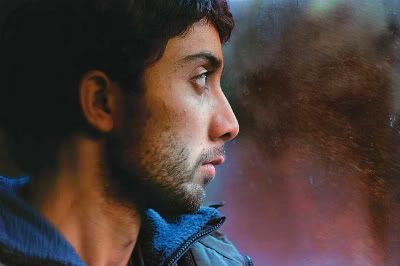
Kashmir, a hotbed of India-Pakistan territory dispute is the subject of Harud (Autumn). A young man, Rafiq (Shahnawaz Bhat), is seen trying to cross the border over to Pakistan only to be captured and returned to his home, to his parents. The village is under watchful eyes of heavily armed occupying Indian Soldiers. Rafiq's brother is one of the thousands of young men who have gone missing since the military insurgence. His mother is still hopeful that her older son will turn up some day and attends rallies by APDP (Association of Parents of Disappeared Persons). His father, a traffic cop, having seen a lot of violence, is deteriorating fast due to post-traumatic stress disorder. Rafiq sleepwalks through the day with his friends who are dreaming about escaping from Kashmir. The jobs are scarce for young people and the news of cell phones arriving in town is quite possibly the most exciting thing they ever heard in quite some time.
Harud, directed by a Kashmir born actor turned director Aamir Bashir, is a quiet, understated drama that acutely presents what living under siege is like. Absence of soundtrack and sparse dialog adds to the gloomy, suffocating tone of the film. It's Shahnawaz Bhat's expressionless face that speaks volumes. There is no life left in that blank stare. We see a glimpse of emotion stirring up in Rafiq when he finds his brother's still camera. He has to bear witness to what's happening in Kashmir through the lens. Bashir meticulously builds up to the film's climax which coincides with Eid (a three-day festival marking the end of Ramadan) where a lamb needs to be sacrificed.
Subtlety is both the film's strengths and weaknesses: Harud never lets up its depressive mood and Bashir keeps it from falling into sappy stereotypical situations. With its unavoidable but artfully done ending, the film is a bit underwhelming. Given the heady subject matter, a little harder, grittier filmmaking would've been more suitable to make a bigger impact.
Harud plays on November 1st (7:30PM) at SVA Theater as a part of 2010 SAIFF.
Review at twitch

Kashmir, a hotbed of India-Pakistan territory dispute is the subject of Harud (Autumn). A young man, Rafiq (Shahnawaz Bhat), is seen trying to cross the border over to Pakistan only to be captured and returned to his home, to his parents. The village is under watchful eyes of heavily armed occupying Indian Soldiers. Rafiq's brother is one of the thousands of young men who have gone missing since the military insurgence. His mother is still hopeful that her older son will turn up some day and attends rallies by APDP (Association of Parents of Disappeared Persons). His father, a traffic cop, having seen a lot of violence, is deteriorating fast due to post-traumatic stress disorder. Rafiq sleepwalks through the day with his friends who are dreaming about escaping from Kashmir. The jobs are scarce for young people and the news of cell phones arriving in town is quite possibly the most exciting thing they ever heard in quite some time.
Harud, directed by a Kashmir born actor turned director Aamir Bashir, is a quiet, understated drama that acutely presents what living under siege is like. Absence of soundtrack and sparse dialog adds to the gloomy, suffocating tone of the film. It's Shahnawaz Bhat's expressionless face that speaks volumes. There is no life left in that blank stare. We see a glimpse of emotion stirring up in Rafiq when he finds his brother's still camera. He has to bear witness to what's happening in Kashmir through the lens. Bashir meticulously builds up to the film's climax which coincides with Eid (a three-day festival marking the end of Ramadan) where a lamb needs to be sacrificed.
Subtlety is both the film's strengths and weaknesses: Harud never lets up its depressive mood and Bashir keeps it from falling into sappy stereotypical situations. With its unavoidable but artfully done ending, the film is a bit underwhelming. Given the heady subject matter, a little harder, grittier filmmaking would've been more suitable to make a bigger impact.
Harud plays on November 1st (7:30PM) at SVA Theater as a part of 2010 SAIFF.
Review at twitch
Wednesday, October 27, 2010
3D Time Capsule
Cave of Fogotten Dreams (2010) - Herzog
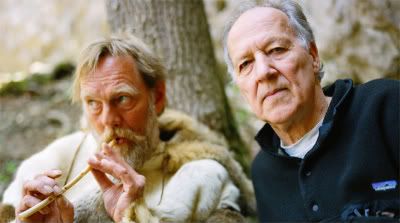
This History Channel funded Werner Herzog's foray into 3D filmmaking is a pretty straightforward documentary. Only it's in 3D. It is a rightful companion piece to Encounters at the End of the World where he explored otherworldly beauty of the world beneath the icy Antarctic Ocean. This time, it's the Chauvet cave of Southern France, home of the 32,000 year old cave drawings. Pristinely preserved by landslide covering up the entrance, the exquisite charcoal drawings of lively animals- lions, wooly rhinos, horses and bison had been untouched by natural elements and humans alike until the 1990s.
Just how he convinced French Cultural Ministry to give him the access for filming inside the fragile caves is a total mystery to me- another great addition to Herzog myth I'm sure. Armed with a custom made small 3D camera and with the crew of 3, he shows us under the dim, battery operated cold panel lights (because any other light will damage the delicate environment), the interior of the cave. The crystals glisten, unreal stalagmites and long extinct animal bones adorn the surroundings. But it's the drawings on uneven contour of the walls that are truly breathtaking. If it were shot traditionally, Cave of the Forgotten Dreams would still be an interesting documentary. At first, this 3D project has an air of excess but after a while, it becomes a fitting, not too obtrusive addition. With the help of Ernst Reijseger's gorgeous string arranged and choral score, Herzog lets you in the once in a lifetime experience in a truly unique way.
Whether it was because of its confounding environment or limited resources for Herzog to go all out with his usual operatic visuals- he and his crew were only allowed on 2 feet wide tracks laid upon the surface and 4 hours a day maximum shooting time in the caves, the film is much more introspective. Perhaps it's being in the presence of the transcending, awe-inspiring 30.000 year old charcoal drawings made a cerebral filmmaker like Herzog to turn spiritual? Or seeing god's face in Quaker Oats container in My Son My Son, What Have Ye Done count as earlier indication?
This little experiment (said to be the first and the last 3D film by him) confirms that Herzog does whatever he feels like, never following trend, but with astounding consistency. It fits within his body of work very smoothly. There are many Herzogian moments throughout the film to make diehard fans giggle- (un)intentionally hilarious interviews with kooky scientists and at one point, he says "mutant radioactive albino crocodiles" in his inimitable accent and it's intriguing enough to satisfy general movie going public.
Review at twitch
Related Links:
Wonderland
Reptile Cam + Crack Pipe + Soul Dancing + Wet Underpants = Bad Lieutenant
Herzog's Americana Continues...

This History Channel funded Werner Herzog's foray into 3D filmmaking is a pretty straightforward documentary. Only it's in 3D. It is a rightful companion piece to Encounters at the End of the World where he explored otherworldly beauty of the world beneath the icy Antarctic Ocean. This time, it's the Chauvet cave of Southern France, home of the 32,000 year old cave drawings. Pristinely preserved by landslide covering up the entrance, the exquisite charcoal drawings of lively animals- lions, wooly rhinos, horses and bison had been untouched by natural elements and humans alike until the 1990s.
Just how he convinced French Cultural Ministry to give him the access for filming inside the fragile caves is a total mystery to me- another great addition to Herzog myth I'm sure. Armed with a custom made small 3D camera and with the crew of 3, he shows us under the dim, battery operated cold panel lights (because any other light will damage the delicate environment), the interior of the cave. The crystals glisten, unreal stalagmites and long extinct animal bones adorn the surroundings. But it's the drawings on uneven contour of the walls that are truly breathtaking. If it were shot traditionally, Cave of the Forgotten Dreams would still be an interesting documentary. At first, this 3D project has an air of excess but after a while, it becomes a fitting, not too obtrusive addition. With the help of Ernst Reijseger's gorgeous string arranged and choral score, Herzog lets you in the once in a lifetime experience in a truly unique way.
Whether it was because of its confounding environment or limited resources for Herzog to go all out with his usual operatic visuals- he and his crew were only allowed on 2 feet wide tracks laid upon the surface and 4 hours a day maximum shooting time in the caves, the film is much more introspective. Perhaps it's being in the presence of the transcending, awe-inspiring 30.000 year old charcoal drawings made a cerebral filmmaker like Herzog to turn spiritual? Or seeing god's face in Quaker Oats container in My Son My Son, What Have Ye Done count as earlier indication?
This little experiment (said to be the first and the last 3D film by him) confirms that Herzog does whatever he feels like, never following trend, but with astounding consistency. It fits within his body of work very smoothly. There are many Herzogian moments throughout the film to make diehard fans giggle- (un)intentionally hilarious interviews with kooky scientists and at one point, he says "mutant radioactive albino crocodiles" in his inimitable accent and it's intriguing enough to satisfy general movie going public.
Review at twitch
Related Links:
Wonderland
Reptile Cam + Crack Pipe + Soul Dancing + Wet Underpants = Bad Lieutenant
Herzog's Americana Continues...
Tuesday, October 26, 2010
Virtual Reality
The Image Threads (2010) - Vijay

What better country to make a film about the internet age than India, the largest IT labor exporting country? This serene, visual contemplation on the nature of the virtual world and finding one's identity in it starts with an ironic quote: "I had a dream about reality. It was such a relief to wake up." by a Polish aphorist Stanislaw J. Lec, which sets the tone of The Image Threads.
An IT professor named Hari, 'pimping (in his own words)' the information technology laborers to the US and Europe, narrates most of the film in philosophical monologue. He sometimes engages in conversations online with a virtual persona who might be either a sultry female model or a man in a mini-skirt or both. Other times he recalls his black magic priest grandfather.
At one point, parallels are drawn between internet virus and the Plague by a girl seductively treading around him, singing the nursery rhyme, Ring Around the Rosie. But the film's languid pace and beauty betrays the ominous subject. Shot in exotic Kerala locale, the film is nothing short of stunning- water stained walls, rusty water pipes, vegetation infused houses, ancient temples, lush jungles, dark caves, bearded yogis, beautiful girls in colorful costumes, sleek gizmos, wires, lights and wikipedia, all vying for your attention. Every frame is work of art. Director Vipin Vijay and his cinematographer Shehnard Jalal often distinguish, then blur the boundaries between the past and present, technology and nature, reality and fantasy, tangible and intangible.
Devoid of any visible narrative, The Image Thread is unlike any film I've ever seen. It is more like a visual essay than a film. To enjoy it, you have to give in to its luscious visuals to wash over you. Calming and hypnotic, it's literally the best films to meditate on.
The Image Threads plays on October 28th (7:30PM) at SVA Theater as a part of 2010 South Asian International Film Festival here in NY.
Link to SAIFF
Review at twitch

What better country to make a film about the internet age than India, the largest IT labor exporting country? This serene, visual contemplation on the nature of the virtual world and finding one's identity in it starts with an ironic quote: "I had a dream about reality. It was such a relief to wake up." by a Polish aphorist Stanislaw J. Lec, which sets the tone of The Image Threads.
An IT professor named Hari, 'pimping (in his own words)' the information technology laborers to the US and Europe, narrates most of the film in philosophical monologue. He sometimes engages in conversations online with a virtual persona who might be either a sultry female model or a man in a mini-skirt or both. Other times he recalls his black magic priest grandfather.
At one point, parallels are drawn between internet virus and the Plague by a girl seductively treading around him, singing the nursery rhyme, Ring Around the Rosie. But the film's languid pace and beauty betrays the ominous subject. Shot in exotic Kerala locale, the film is nothing short of stunning- water stained walls, rusty water pipes, vegetation infused houses, ancient temples, lush jungles, dark caves, bearded yogis, beautiful girls in colorful costumes, sleek gizmos, wires, lights and wikipedia, all vying for your attention. Every frame is work of art. Director Vipin Vijay and his cinematographer Shehnard Jalal often distinguish, then blur the boundaries between the past and present, technology and nature, reality and fantasy, tangible and intangible.
Devoid of any visible narrative, The Image Thread is unlike any film I've ever seen. It is more like a visual essay than a film. To enjoy it, you have to give in to its luscious visuals to wash over you. Calming and hypnotic, it's literally the best films to meditate on.
The Image Threads plays on October 28th (7:30PM) at SVA Theater as a part of 2010 South Asian International Film Festival here in NY.
Link to SAIFF
Review at twitch
Thursday, October 21, 2010
Bromance
Becket (1964) - Glenville
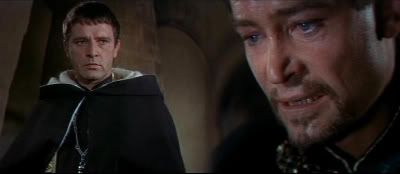
King Henry II (Peter O'Toole) promotes his saxon servant, confidant, bosom buddy Becket (Richard Burton) first to Chancellor, then to Archbishop of Canterbury- a brilliant chess move to quell his foes in his mind, only to get his heart broken when Becket unexpectedly devotes himself to God, not to him.
Burton exudes his brainiac hunk charisma. But it's O'Toole's lovelorn king who is so much fun to watch, as he tears new ones everywhere he goes. Verbal ping-pong match is not as intense here as in Lion in Winter but this is a great fun movie.

King Henry II (Peter O'Toole) promotes his saxon servant, confidant, bosom buddy Becket (Richard Burton) first to Chancellor, then to Archbishop of Canterbury- a brilliant chess move to quell his foes in his mind, only to get his heart broken when Becket unexpectedly devotes himself to God, not to him.
Burton exudes his brainiac hunk charisma. But it's O'Toole's lovelorn king who is so much fun to watch, as he tears new ones everywhere he goes. Verbal ping-pong match is not as intense here as in Lion in Winter but this is a great fun movie.
Mother Superior Jumped the Gun
Matka Joanna od Aniołów/Mother Joan of the Angels (1961) - Kawalerowicz
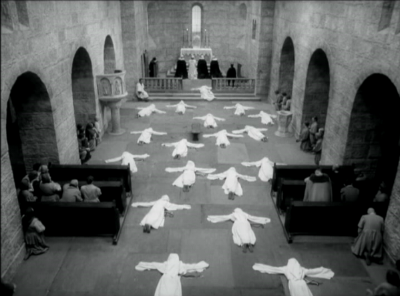
It's the 17th Century Poland. A young handsome priest was burned at a stake for having affair with Mother Joan at the remote convent. That the nuns there are possessed and priests there weren't able to exorcise demons out of the nuns. This is the backstory told to the new priest Joseph.
It's an eerie movie. Jerzy Kawalerowicz has very distinctive visual style with handheld camera movements, first person POVs to convey physical separation of the possessed. No tricks or special effects, no real overacting, but just unsettling in that Eastern European way. There are a lot of lovely scenes: a nun in love with dashing officer singing, tense self-flagellatings of Father Joseph and Mother Joan in a same room divided by drying habits and Father Joseph's encounter with his doppelganger rabbi- one suggesting the other that carnal desire is not from devils but humans, that there are only angels and humans.
Not a big standout Mother Joan of the Angels is, but its understated, visually interesting love story will linger in my head for a while.

It's the 17th Century Poland. A young handsome priest was burned at a stake for having affair with Mother Joan at the remote convent. That the nuns there are possessed and priests there weren't able to exorcise demons out of the nuns. This is the backstory told to the new priest Joseph.
It's an eerie movie. Jerzy Kawalerowicz has very distinctive visual style with handheld camera movements, first person POVs to convey physical separation of the possessed. No tricks or special effects, no real overacting, but just unsettling in that Eastern European way. There are a lot of lovely scenes: a nun in love with dashing officer singing, tense self-flagellatings of Father Joseph and Mother Joan in a same room divided by drying habits and Father Joseph's encounter with his doppelganger rabbi- one suggesting the other that carnal desire is not from devils but humans, that there are only angels and humans.
Not a big standout Mother Joan of the Angels is, but its understated, visually interesting love story will linger in my head for a while.
Wednesday, October 13, 2010
Zen & Violence
NYC Japan Society's monthly film series Zen & Its Opposite: Essential (& Turbulent) Japanese Art House showcases some of the best classical films of Japanese cinema. Based on the Six Planes of Existence in Wheel of Life (Bhavacakra), the film series highlights five Planes, (excluding the Deva/God Realm, Blissful State) with five distinctive films representing each plane:
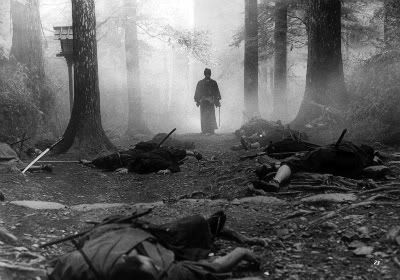
Ashura/Demigod Realm is represented by Kihachi Okamoto's bloody samurai epic Sword of Doom (1966). Ashura is filled with jealousy, struggle and combat stemming from being envious of Deva Realm. As Tatsuya Nakadai's merciless swordman hacks away in a violent purgatory, the film is a perfect match.
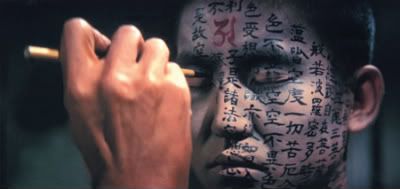
Masaki Kobayashi's stunning 1965 Cannes Palm d'Or winner Kwaidan is Manusya: the Human Realm plagued by passion, desire, doubt and pride.
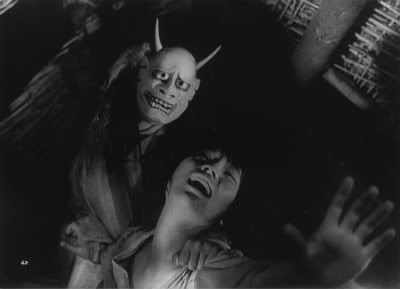
Tiryag-yoni a.k.a. Animal Realm is reflected in Onibaba (1964, dir. Kaneto Shindo), a gritty tale of survival and animal lust in feudal era Japan.
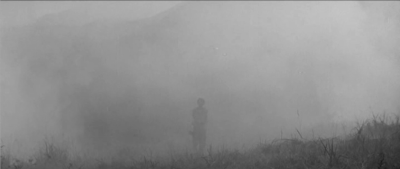
Kon Ichikawa's anti-war masterpiece Fires on the Plane (1959) represents Preta: Hungry Ghost Realm. Perhaps the most fitting one for its respective plane- the marooned Japanese soldiers in the Philippines walk the plain like zombies, slowly dying of starvation and resorting to cannibalism, looking for the salvation in something as insignificant as a distant bonfire.
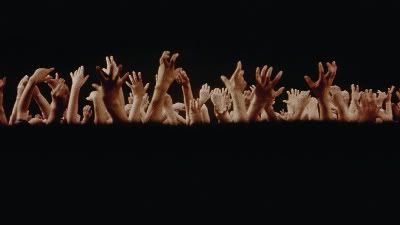
Jigoku (1960), a theatrical, surreal depiction of Hell by the father of Japanese horror Nobuo Nakagawa is Naraka, a rebirth based on strong states of hatred cultivated in previous lives.
It's a rare opportunity to see these classic Japanese films on the big screen. This is an event not to be missed!
The Japan Society's Zen & Its Opposite: Essential (& Turbulent) Japanese Art House kicks off with Kwaidan on October 15th at 7:30 PM, and continues through February 18th, 2011. For tickets and more information please visit Japan society

Ashura/Demigod Realm is represented by Kihachi Okamoto's bloody samurai epic Sword of Doom (1966). Ashura is filled with jealousy, struggle and combat stemming from being envious of Deva Realm. As Tatsuya Nakadai's merciless swordman hacks away in a violent purgatory, the film is a perfect match.

Masaki Kobayashi's stunning 1965 Cannes Palm d'Or winner Kwaidan is Manusya: the Human Realm plagued by passion, desire, doubt and pride.

Tiryag-yoni a.k.a. Animal Realm is reflected in Onibaba (1964, dir. Kaneto Shindo), a gritty tale of survival and animal lust in feudal era Japan.

Kon Ichikawa's anti-war masterpiece Fires on the Plane (1959) represents Preta: Hungry Ghost Realm. Perhaps the most fitting one for its respective plane- the marooned Japanese soldiers in the Philippines walk the plain like zombies, slowly dying of starvation and resorting to cannibalism, looking for the salvation in something as insignificant as a distant bonfire.

Jigoku (1960), a theatrical, surreal depiction of Hell by the father of Japanese horror Nobuo Nakagawa is Naraka, a rebirth based on strong states of hatred cultivated in previous lives.
It's a rare opportunity to see these classic Japanese films on the big screen. This is an event not to be missed!
The Japan Society's Zen & Its Opposite: Essential (& Turbulent) Japanese Art House kicks off with Kwaidan on October 15th at 7:30 PM, and continues through February 18th, 2011. For tickets and more information please visit Japan society
B(eautiful)-Horror
Cat People (1942) - Tourneur
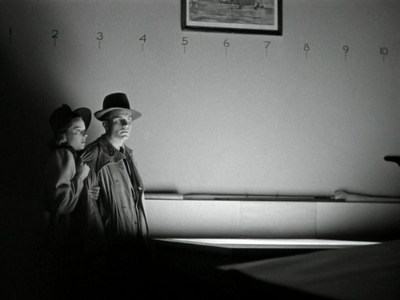
Another Tourneur atmospheric slice of cinematic pulp that is way too beautiful, sophisticated and mysterious for what the genre really deserves. Amazing how much he can accomplish with so little. The settings- dark alley, architecture firm office, indoor swimming pool are ripe for showcasing delicious noirish lighting. The eerie mood permeates into the thin premise and elevates it to something more than a ludicrous story about the supernatural. I'd love to get the Val Lewton box set for Christmas.

Another Tourneur atmospheric slice of cinematic pulp that is way too beautiful, sophisticated and mysterious for what the genre really deserves. Amazing how much he can accomplish with so little. The settings- dark alley, architecture firm office, indoor swimming pool are ripe for showcasing delicious noirish lighting. The eerie mood permeates into the thin premise and elevates it to something more than a ludicrous story about the supernatural. I'd love to get the Val Lewton box set for Christmas.
Monday, October 11, 2010
Fantastic World
Marwencol (2010) - Malmberg
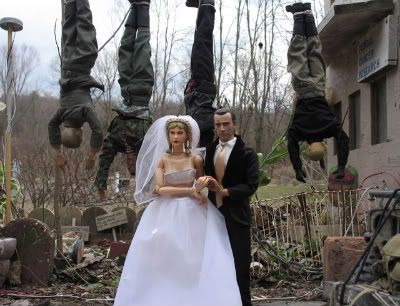
Mark Horgancamp in the rural upstate New York is a cross btwn Robert Crumb and Henry Darger, but more personable and less creepy than the two. After severely beaten and left brain damaged outside a local bar, Hogancamp lost his past memories. He only can remember bits and pieces from his belongings and photographs. He was a raging alcoholic and once married to an attractive blond and if his cryptic drawings were any evidence, was a very talented artist. Since his hands are not steady enough to draw anymore, he starts building an elaborate Belgian WWII town named Marwencol filled with figurines of GIs, Nazi officers and barbie dolls. There he projects his fantasies and anger through his alter-ego(a GI doll with a mean scar on his face who owns a bar) and populate the town with dolls named after real people around him. He develops countless war scenarios, takes photographs and documents the on-going dramas of his makeshift Belgian town in his backyard.
Malmberg's documentary is tender and intimate. Horgancamp is never treated or seen as a freak but a genuine folk artist with great imagination. Discovered by a local photographer by chance, Hogancamp gets to share his world with the rest of the world in a gallery show in New York City while we get to learn the reason behind the attack on him. After the beating, even though alcohol doesn't have a hold on him anymore, certain things that makes him himself didn't change.
It's really great for me to see a creative person at work on screen. It really soothes me.
There is an exhibition of Horgancamp's photos of Marwencol at Esopus Space in New York City, a block down from my job. If you are around the area, please check it out.
Marwencol website

Mark Horgancamp in the rural upstate New York is a cross btwn Robert Crumb and Henry Darger, but more personable and less creepy than the two. After severely beaten and left brain damaged outside a local bar, Hogancamp lost his past memories. He only can remember bits and pieces from his belongings and photographs. He was a raging alcoholic and once married to an attractive blond and if his cryptic drawings were any evidence, was a very talented artist. Since his hands are not steady enough to draw anymore, he starts building an elaborate Belgian WWII town named Marwencol filled with figurines of GIs, Nazi officers and barbie dolls. There he projects his fantasies and anger through his alter-ego(a GI doll with a mean scar on his face who owns a bar) and populate the town with dolls named after real people around him. He develops countless war scenarios, takes photographs and documents the on-going dramas of his makeshift Belgian town in his backyard.
Malmberg's documentary is tender and intimate. Horgancamp is never treated or seen as a freak but a genuine folk artist with great imagination. Discovered by a local photographer by chance, Hogancamp gets to share his world with the rest of the world in a gallery show in New York City while we get to learn the reason behind the attack on him. After the beating, even though alcohol doesn't have a hold on him anymore, certain things that makes him himself didn't change.
It's really great for me to see a creative person at work on screen. It really soothes me.
There is an exhibition of Horgancamp's photos of Marwencol at Esopus Space in New York City, a block down from my job. If you are around the area, please check it out.
Marwencol website
Wednesday, October 6, 2010
War Zombies
Fires on the Plain (1959) - Ichikawa
Tamura is in limbo. He has TB but neither the makeshift hospital nor his infantry unit wants to have him back. They are simply out of resources and have too many mouths to feed. Setting is the Pacific theatre in the Philippines, 1945. Tamura wanders on, witnessing misery upon misery of the Japanese soldiers, far removed from honor, dignity and machismo- often portrayed in war films.
There are smoke rising here and there in the distance. Demoralized ragtag of Japanese foot soldiers are never sure whether they are from the native farmers or the yanks. They are famished and starting to die left and right. Then they turn on each other.
With the beautiful, stark black and white photography, Kon Ichikawa succeeds in making a classic zombie movie: ghosts of the war wandering around in rainy, foggy purgatory looking for their salvation in tiny inconsequential things like a bonfire in the field. A powerful film.
Tamura is in limbo. He has TB but neither the makeshift hospital nor his infantry unit wants to have him back. They are simply out of resources and have too many mouths to feed. Setting is the Pacific theatre in the Philippines, 1945. Tamura wanders on, witnessing misery upon misery of the Japanese soldiers, far removed from honor, dignity and machismo- often portrayed in war films.
There are smoke rising here and there in the distance. Demoralized ragtag of Japanese foot soldiers are never sure whether they are from the native farmers or the yanks. They are famished and starting to die left and right. Then they turn on each other.
With the beautiful, stark black and white photography, Kon Ichikawa succeeds in making a classic zombie movie: ghosts of the war wandering around in rainy, foggy purgatory looking for their salvation in tiny inconsequential things like a bonfire in the field. A powerful film.
Tuesday, October 5, 2010
Culture Crash
Merry Christmas Mr. Lawrence (1983) - Oshima
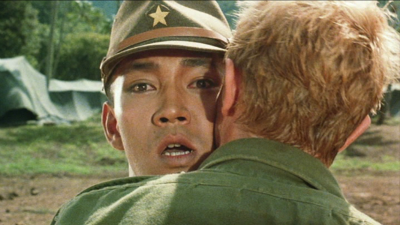
I remember watching this as a teenager on VHS. It was cool to see David Bowie buried up to his neck in the ground. I didn't fully understand what it was about though. Now Criterion put out a swanky 2 disc set of Mr. Lawrence, I decided to revisit it.
Oshima examines the dynamics among military machismo, homosexuality, beauty, sadism and generosity in the lush green setting of WWII Japanese internment camp in Java. Bowie is the case of perfect casting here as an object of desire. Young Ryuichi Sakamoto(also did a synth heavy score for the film) is also memorable as stoic Japanese officer who gets undone by a mere pair of kisses on the cheeks. But the standout is undoubtedly cherubic Takeshi Kitano as sgt. Hara. He is likable, terrifying and all too human all at once.
There are some odd choices, like flashback sequences with maj. Collier(Bowie) and his little brother - guilt of leaving his brother to the school bullies scarred him. Not a bad exposition but it's an awkward fit to put in the later part of the film. The swelling music gets irritating at times too. Oshima drives home the message that there are no right side in the war a bit too often. But he doesn't lose the sight on human desire and goodness of human heart. I really like this film.

I remember watching this as a teenager on VHS. It was cool to see David Bowie buried up to his neck in the ground. I didn't fully understand what it was about though. Now Criterion put out a swanky 2 disc set of Mr. Lawrence, I decided to revisit it.
Oshima examines the dynamics among military machismo, homosexuality, beauty, sadism and generosity in the lush green setting of WWII Japanese internment camp in Java. Bowie is the case of perfect casting here as an object of desire. Young Ryuichi Sakamoto(also did a synth heavy score for the film) is also memorable as stoic Japanese officer who gets undone by a mere pair of kisses on the cheeks. But the standout is undoubtedly cherubic Takeshi Kitano as sgt. Hara. He is likable, terrifying and all too human all at once.
There are some odd choices, like flashback sequences with maj. Collier(Bowie) and his little brother - guilt of leaving his brother to the school bullies scarred him. Not a bad exposition but it's an awkward fit to put in the later part of the film. The swelling music gets irritating at times too. Oshima drives home the message that there are no right side in the war a bit too often. But he doesn't lose the sight on human desire and goodness of human heart. I really like this film.
Wednesday, September 29, 2010
Agony and Ecstasy
Eighteen (2009) - Jang

Teen love is a fickle affair. It's that intense bittersweet period which we remember and cherish for the rest of our lives.
Eighteen tells the story of star-crossed High school lovers, Mi-jeong and Tae-hoon in a 6 months time frame.
In our teen years, there were definitely times when we hate our parents with passion. The fear and frustration that hang over the film originate from one pivotal scene in the beginning with Mi-jeong's crazy father: Tae-hoon and his parents are summoned to Mi-jeong's house after the young couple gets back from the secret trip to the beach. Her father makes them to write down their alibi separately and interrogates them on when and where they spent their time together. When their stories don't match up, he throws an alcohol assisted fit- a table gets overturned, glasses break, faces gets slapped, and plenty of expletives are uttered including 'whore'. In the end, Tae-hoon is made to write up a penance, swearing that he won't see Mi-jeong again until they enter college.
All the elements of typical Asian wayward youth films are present- loneliness invoking motorcycle tracking shots through the neon cityscapes, silent moments on the beach, disapproving parents, prolonged embraces that only teenagers in love can understand...
Eighteen's strength is in its realistic depiction of that short precious teen year. It is one of the most un-fetishized, realistic representations of a teen love story I've seen in a while. And it's refreshing. Cutting back and forth between present and a few days the young couple spend their time alone in the beachside resort in Kang-won Province (which is the prime getaway destination for every Korean youth). The effect is immediate and intimate and the young actors convey the feeling of agony and ecstasy very well.
Review at Twitch

Teen love is a fickle affair. It's that intense bittersweet period which we remember and cherish for the rest of our lives.
Eighteen tells the story of star-crossed High school lovers, Mi-jeong and Tae-hoon in a 6 months time frame.
In our teen years, there were definitely times when we hate our parents with passion. The fear and frustration that hang over the film originate from one pivotal scene in the beginning with Mi-jeong's crazy father: Tae-hoon and his parents are summoned to Mi-jeong's house after the young couple gets back from the secret trip to the beach. Her father makes them to write down their alibi separately and interrogates them on when and where they spent their time together. When their stories don't match up, he throws an alcohol assisted fit- a table gets overturned, glasses break, faces gets slapped, and plenty of expletives are uttered including 'whore'. In the end, Tae-hoon is made to write up a penance, swearing that he won't see Mi-jeong again until they enter college.
All the elements of typical Asian wayward youth films are present- loneliness invoking motorcycle tracking shots through the neon cityscapes, silent moments on the beach, disapproving parents, prolonged embraces that only teenagers in love can understand...
Eighteen's strength is in its realistic depiction of that short precious teen year. It is one of the most un-fetishized, realistic representations of a teen love story I've seen in a while. And it's refreshing. Cutting back and forth between present and a few days the young couple spend their time alone in the beachside resort in Kang-won Province (which is the prime getaway destination for every Korean youth). The effect is immediate and intimate and the young actors convey the feeling of agony and ecstasy very well.
Review at Twitch
Monday, September 27, 2010
Danke Schön Dolores, Danke Schön
Across the Bridge (1957) - Annakin
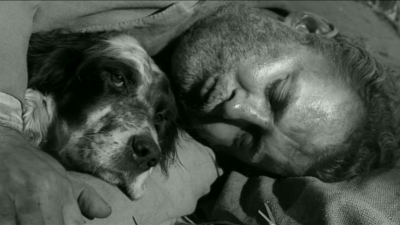
When a German born industrialist Carl Schaffner(Rod Steiger) hears the news of investigation by the Scotland Yard on his company while on a business trip to New York, he plans his escape to Mexico by train. But on the way there, he finds out that there is an arrest warrant out for him and that the border is notified of his disappearance. He manages to swap his identity with a fellow traveler by drugging him, taking his passport and throwing him overboard. Then he discovers the guy he took the identity of is a wanted man in Mexico for assassinating a Governor there.
So starts this unusual noir that is in part Trading Places, part Strangers on a Train and part Touch of Evil that develops in to the best love story btwn man and his dog ever put on film. Elaborate and not too convincing plot settles down when Schaffner gets stranded in the small Mexican town with no chance of escaping. His luck turns sour when his ignorant gringo millionaire shtick no longer buys him any help, thanks to a Mexican police chief who seems to be bent on teaching the man a lesson.
Adapted from a short story by Graham Greene, with all the financial scandals and the US-Mexico border issues, Across the Bridge really needs to be revived for today's audience. Steiger is of course, at his sweaty best, going from a bespectacled, hands rubbing industrialist to a calculating thief and a murderer to a "habla Inglés?" bum in the dusty streets of Mexico with a dog named Dolores as his only friend. Danke schön, Dolores, danke schön.

When a German born industrialist Carl Schaffner(Rod Steiger) hears the news of investigation by the Scotland Yard on his company while on a business trip to New York, he plans his escape to Mexico by train. But on the way there, he finds out that there is an arrest warrant out for him and that the border is notified of his disappearance. He manages to swap his identity with a fellow traveler by drugging him, taking his passport and throwing him overboard. Then he discovers the guy he took the identity of is a wanted man in Mexico for assassinating a Governor there.
So starts this unusual noir that is in part Trading Places, part Strangers on a Train and part Touch of Evil that develops in to the best love story btwn man and his dog ever put on film. Elaborate and not too convincing plot settles down when Schaffner gets stranded in the small Mexican town with no chance of escaping. His luck turns sour when his ignorant gringo millionaire shtick no longer buys him any help, thanks to a Mexican police chief who seems to be bent on teaching the man a lesson.
Adapted from a short story by Graham Greene, with all the financial scandals and the US-Mexico border issues, Across the Bridge really needs to be revived for today's audience. Steiger is of course, at his sweaty best, going from a bespectacled, hands rubbing industrialist to a calculating thief and a murderer to a "habla Inglés?" bum in the dusty streets of Mexico with a dog named Dolores as his only friend. Danke schön, Dolores, danke schön.
Sensual Panique
Alucarda (1978) - Moctezuma
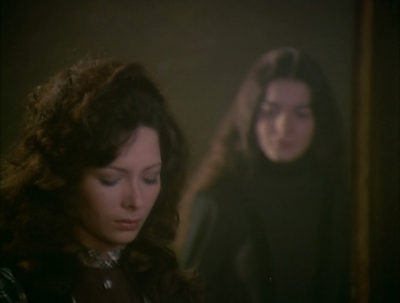
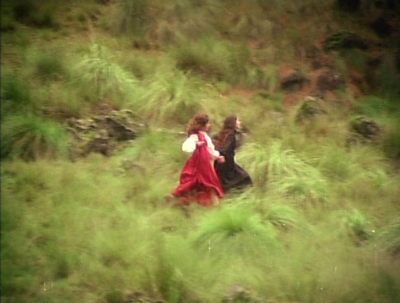
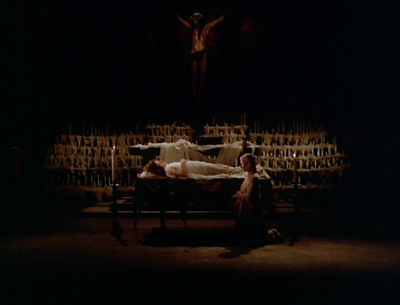
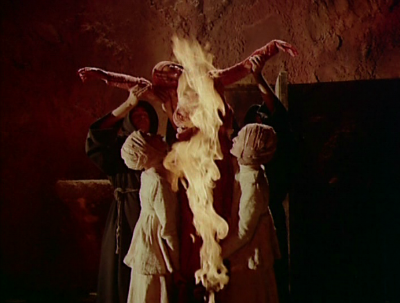
After her parents' death, 15 yr old virginal Justine(Susana Camini) is sent to the convent/orphanage. There she meets Alucarda (Tina Romero), a dark haired beauty with mischievous smile. They develop a relationship quickly even though Justine smells danger around her new, mysterious friend. After their naked blood-letting initiation with a Puck like creature, the Sisters and the priests at the convent suspect that the girls are possessed by the devil and perform a barbaric exorcism on Justine on a cross. A big mistake.
I'm not a huge fan of Mexican Panic Movement of the '70s that includes Arabal and Jodorowsky who presented surreal, counterculture epics. But their colleague Juan Lopez Moctezuma seems he had a different sensibility. It's very sensual and I like it a lot. The film has almost eastern European feel to it (Valerie and Her Week of Wonders comes to mind). Vibrant color palette and organic looking sets are quite beautful to look at. Plenty of nudity, vampirism, beheading and spontaneous combustion occur throughout, all in the sacred ground. The craftmanship and its subversive nature of the film makes it more than just a b-horror.


After her parents' death, 15 yr old virginal Justine(Susana Camini) is sent to the convent/orphanage. There she meets Alucarda (Tina Romero), a dark haired beauty with mischievous smile. They develop a relationship quickly even though Justine smells danger around her new, mysterious friend. After their naked blood-letting initiation with a Puck like creature, the Sisters and the priests at the convent suspect that the girls are possessed by the devil and perform a barbaric exorcism on Justine on a cross. A big mistake.
I'm not a huge fan of Mexican Panic Movement of the '70s that includes Arabal and Jodorowsky who presented surreal, counterculture epics. But their colleague Juan Lopez Moctezuma seems he had a different sensibility. It's very sensual and I like it a lot. The film has almost eastern European feel to it (Valerie and Her Week of Wonders comes to mind). Vibrant color palette and organic looking sets are quite beautful to look at. Plenty of nudity, vampirism, beheading and spontaneous combustion occur throughout, all in the sacred ground. The craftmanship and its subversive nature of the film makes it more than just a b-horror.
Wednesday, September 22, 2010
"These Go to Eleven..."
Turn It Up to 11 (2009) - Baek

No, unlike what its title alludes to(from the classic 1984 rock mocumentary This is Spinal Tap), chronicling the vibrant Korean indie rock movement, Turn It Up to 11 is a real deal. And yes, it's loud. It's good times.
It begins with Lee Kyu-young, an aging punk who comes back to his hometown, Incheon, to settle down after having a kid, leaving his rock'n'roll days in Hong Dae (an area known as the mecca for Korean youth culture near the famous art college, Hong-Ik Univ). Then he gets an idea of turning a defunct tiny bar in the motel alley(crummier Korean version of love hotel zone in Shinjuku) to a club where indie rock bands can play. Because of Lee's reputation from his olden days, his label Ruby Salon attracts the loudest band in the lot, Galaxy Express (the name comes from Japanese anime from the '80s), a trio of good looking, hard rock playing kids in black attire. They are not only pretty faces but also very talented, heading for their inevitable stardom. Then there is Tobacco Juice: a bunch of (in Lee's words) lazy douche bags whose reggae tinged melodious music is unbearably catchy but because of their laziness, rarely manage to put on a live show. In the film, more than once do they miss their own gig because they get drunk at the bar (director Baek Seung-hwa gets to capture all these because he's the drummer of the band).
There are interesting parallels to be drawn with Lee and the English unorthodox rock promoter Tony Wilson who was memorably portrayed by Steve Coogan in Michael Winterbottom's 24 Hour Party People, about '80s Manchester music scene: Tobacco Juice is Lee's Happy Mondays- talented they are but too much of slackers to be ultimately successful.
As Galaxy Express gains popularity through word of mouth while appearing in various prestigious music festivals in front of growing adoring fans, and being regarded as the loudest rock band ever, Tobacco Juice struggles to put out their first studio album in 4 years. Their journeys are filled with joy, friendship, drama, self-deprecating humor, dirty online chats, Chinese dubs, diehard fans, instant ramen noodles, many weird and charming characters, massive quantities of soju and other alcoholic beverages and best of all, very awesome music.
Even though shot in mostly underexposed hand-held video camera, constantly moving from darkly lit small bars to clubs to living rooms to stages with a narration that is more of a fanboy ramble, Turn It Up to 11 nevertheless succeeds in intimately capturing that intoxicating youthful energy of rock'n'roll. As Lee jokingly answers at the end when asked what rock'n'roll is about. "It's about nothing. You have a good time and the show is over and you go home", the film captures those short beautiful moments before we go home.
Review at Twitch

No, unlike what its title alludes to(from the classic 1984 rock mocumentary This is Spinal Tap), chronicling the vibrant Korean indie rock movement, Turn It Up to 11 is a real deal. And yes, it's loud. It's good times.
It begins with Lee Kyu-young, an aging punk who comes back to his hometown, Incheon, to settle down after having a kid, leaving his rock'n'roll days in Hong Dae (an area known as the mecca for Korean youth culture near the famous art college, Hong-Ik Univ). Then he gets an idea of turning a defunct tiny bar in the motel alley(crummier Korean version of love hotel zone in Shinjuku) to a club where indie rock bands can play. Because of Lee's reputation from his olden days, his label Ruby Salon attracts the loudest band in the lot, Galaxy Express (the name comes from Japanese anime from the '80s), a trio of good looking, hard rock playing kids in black attire. They are not only pretty faces but also very talented, heading for their inevitable stardom. Then there is Tobacco Juice: a bunch of (in Lee's words) lazy douche bags whose reggae tinged melodious music is unbearably catchy but because of their laziness, rarely manage to put on a live show. In the film, more than once do they miss their own gig because they get drunk at the bar (director Baek Seung-hwa gets to capture all these because he's the drummer of the band).
There are interesting parallels to be drawn with Lee and the English unorthodox rock promoter Tony Wilson who was memorably portrayed by Steve Coogan in Michael Winterbottom's 24 Hour Party People, about '80s Manchester music scene: Tobacco Juice is Lee's Happy Mondays- talented they are but too much of slackers to be ultimately successful.
As Galaxy Express gains popularity through word of mouth while appearing in various prestigious music festivals in front of growing adoring fans, and being regarded as the loudest rock band ever, Tobacco Juice struggles to put out their first studio album in 4 years. Their journeys are filled with joy, friendship, drama, self-deprecating humor, dirty online chats, Chinese dubs, diehard fans, instant ramen noodles, many weird and charming characters, massive quantities of soju and other alcoholic beverages and best of all, very awesome music.
Even though shot in mostly underexposed hand-held video camera, constantly moving from darkly lit small bars to clubs to living rooms to stages with a narration that is more of a fanboy ramble, Turn It Up to 11 nevertheless succeeds in intimately capturing that intoxicating youthful energy of rock'n'roll. As Lee jokingly answers at the end when asked what rock'n'roll is about. "It's about nothing. You have a good time and the show is over and you go home", the film captures those short beautiful moments before we go home.
Review at Twitch
Monday, September 20, 2010
Different Era
The Missing Person (2009) - Buschel
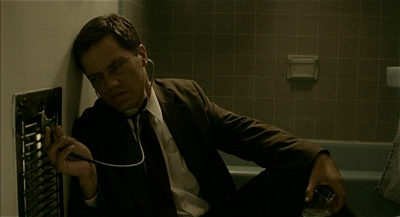
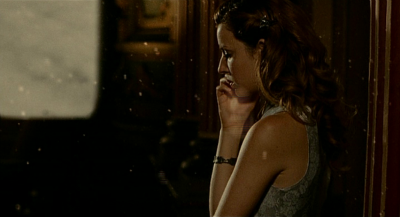
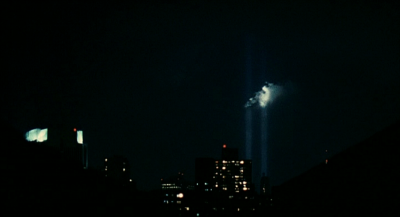
An alcoholic P.I. Rosow (Michael Shannon) gets a phone call at 5 in the morning. He's supposed to get on the train from Chicago to LA. It's a tailing job and there is a money in it. So starts one of the most unusual noir I've seen in recent years involving Bogey era style private eye in the post 9/11 world.
After losing his wife in NY, ex-NYPD Rosow is a damaged fruit. But it's the circumstances that have changed, not his character. Writer/director Noah Buschel relies largely on Shannon's droll, Gould in Long Goodbye-esque performance to amplify that we are indeed living in a different era, albeit it's only been 9 years since.
The Missing Person says a lot about mutual understanding, fraternity in tragedy. It also says about that there will always be opportunities to make profits off of it. With well composed framing, funny self-aware one-liners, Shannon's gin-soaked pitch perfect performance and great supporting cast- Amy Ryan and John Ventimiglia in particular, this peculiar film is another great little film gem that never properly got distributed and went straight to dvd. A real shame.


An alcoholic P.I. Rosow (Michael Shannon) gets a phone call at 5 in the morning. He's supposed to get on the train from Chicago to LA. It's a tailing job and there is a money in it. So starts one of the most unusual noir I've seen in recent years involving Bogey era style private eye in the post 9/11 world.
After losing his wife in NY, ex-NYPD Rosow is a damaged fruit. But it's the circumstances that have changed, not his character. Writer/director Noah Buschel relies largely on Shannon's droll, Gould in Long Goodbye-esque performance to amplify that we are indeed living in a different era, albeit it's only been 9 years since.
The Missing Person says a lot about mutual understanding, fraternity in tragedy. It also says about that there will always be opportunities to make profits off of it. With well composed framing, funny self-aware one-liners, Shannon's gin-soaked pitch perfect performance and great supporting cast- Amy Ryan and John Ventimiglia in particular, this peculiar film is another great little film gem that never properly got distributed and went straight to dvd. A real shame.
Saturday, September 18, 2010
Everyman Blues
This Sporting Life (1963) - Anderson
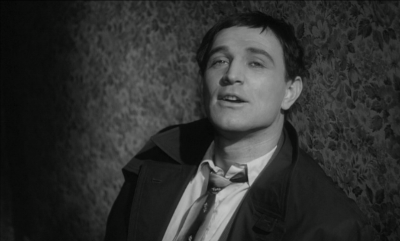
Richard Harris is Frank, a miner turned rugby player trying to woo the cold widow Margaret (Rachel Roberts) of the lodging house. Frank is a good man, but not totally innocent when he wants to get ahead. Grieving Margaret won't budge at his advances though, no matter how hard he tries. He becomes successful, buys things for the widow, goes to ravish parties his boss throws after the games, even takes up on the seduction of his boss's old wife. But he soon finds that he is looked down on by the poor and the affluent alike: "You are just a big ape in the football field!", Margaret pronounces it for him on everyone's behalf. He can't have one thing he wants the most, the affection of the widow.
Harris shines in this film about everyman trapped in the rigid hierarchical society- a man who thinks he got a handle on things even though he has no control over anything. It's amazing how much he resembles young Brando: his hulking physicality, boyish vulnerability, add Paul Newman's soulful eyes and there you have Harris.
There are a lot of great scenes with Harris. My favorite would be him singing at a club- arms crossed and awkward, he exudes his vulnerable charm the best. Anderson makes the most of Harris's great performance, accompanying with almost documentary like, natural filmmaking. This Sporting Life is a heartbreaking film. The ending really got to me.

Richard Harris is Frank, a miner turned rugby player trying to woo the cold widow Margaret (Rachel Roberts) of the lodging house. Frank is a good man, but not totally innocent when he wants to get ahead. Grieving Margaret won't budge at his advances though, no matter how hard he tries. He becomes successful, buys things for the widow, goes to ravish parties his boss throws after the games, even takes up on the seduction of his boss's old wife. But he soon finds that he is looked down on by the poor and the affluent alike: "You are just a big ape in the football field!", Margaret pronounces it for him on everyone's behalf. He can't have one thing he wants the most, the affection of the widow.
Harris shines in this film about everyman trapped in the rigid hierarchical society- a man who thinks he got a handle on things even though he has no control over anything. It's amazing how much he resembles young Brando: his hulking physicality, boyish vulnerability, add Paul Newman's soulful eyes and there you have Harris.
There are a lot of great scenes with Harris. My favorite would be him singing at a club- arms crossed and awkward, he exudes his vulnerable charm the best. Anderson makes the most of Harris's great performance, accompanying with almost documentary like, natural filmmaking. This Sporting Life is a heartbreaking film. The ending really got to me.
Friday, September 17, 2010
Death as the Ultimate Trip
Enter the Void (2009) - Noé
Quite possibly the worst film I've seen in a long time. I'm not saying this because the film is hard-to-take in a typical ugly-side-of-the-humanity, 'Gaspar Noé way' but because it's so painfully boring.
Obviously Noé was going for the psychedelic visual masterpiece á la 2001 Space Odyssey ditching the narrative in the gutter, since the plot is so insipid it had to be intentional- it reminded me of the worst of boy filmmakers' (Luc Besson and Danny Boyle) work, if they ever made R rated films: Oscar (Nathaniel Brown) is a small time druggie/dealer in Japan who gets killed by the police and spend the rest of the movie floating around watching over his beloved younger sister Lisa (Paz de la Huerta), a stripper, until he is conceived (graphically) and reincarnated again.
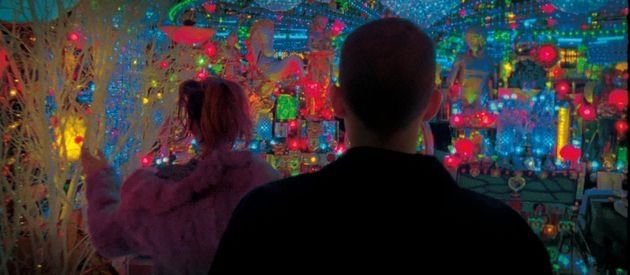
Acting is unbearable- two male lead (non actors) are horrendous and de la Huerta again proves she is nothing more than a hot body. In an interview that came with the press kit, Noe talks about wanting to do a film in Japan for a long time because it's so fascinating and since Tokyo is THE city of neon lights. Funny, because in his hands, Tokyo becomes the dullest city in the world.
He really tries hard to invite the audience to FEEL the movie with the first 20 minutes with continuous POV shots, then after Oscar's death, over the shoulder shots of him from his childhood till his death (again!), then overhead crane shots for the rest of the film. The problem is this: The CGI enhanced visuals are at first somewhat impressive. But then it goes on forever, repeating the same boring overhead gliding-over again and again. When the camera descends into and out of various holes and lighting fixtures for the umpteenth time, you feel like you are sitting in a personal cinematic hell. There is really no point looking at your watch anymore- it is purgatory. Fitting. But I'm pretty sure this isn't what Noé intended.
It really does not have that hypnotic power they intended at all. It's worse than blurry visual clusterfuck of Michael Bay action sequence. Noé probably thought he was making a Kubrick but ends up with Transformers painted with Day-Glo. I honestly think 3D is a perfect match for him. If you are still curious about this film, I strongly advise you against seeing it sober.

Quite possibly the worst film I've seen in a long time. I'm not saying this because the film is hard-to-take in a typical ugly-side-of-the-humanity, 'Gaspar Noé way' but because it's so painfully boring.
Obviously Noé was going for the psychedelic visual masterpiece á la 2001 Space Odyssey ditching the narrative in the gutter, since the plot is so insipid it had to be intentional- it reminded me of the worst of boy filmmakers' (Luc Besson and Danny Boyle) work, if they ever made R rated films: Oscar (Nathaniel Brown) is a small time druggie/dealer in Japan who gets killed by the police and spend the rest of the movie floating around watching over his beloved younger sister Lisa (Paz de la Huerta), a stripper, until he is conceived (graphically) and reincarnated again.
Acting is unbearable- two male lead (non actors) are horrendous and de la Huerta again proves she is nothing more than a hot body. In an interview that came with the press kit, Noe talks about wanting to do a film in Japan for a long time because it's so fascinating and since Tokyo is THE city of neon lights. Funny, because in his hands, Tokyo becomes the dullest city in the world.
He really tries hard to invite the audience to FEEL the movie with the first 20 minutes with continuous POV shots, then after Oscar's death, over the shoulder shots of him from his childhood till his death (again!), then overhead crane shots for the rest of the film. The problem is this: The CGI enhanced visuals are at first somewhat impressive. But then it goes on forever, repeating the same boring overhead gliding-over again and again. When the camera descends into and out of various holes and lighting fixtures for the umpteenth time, you feel like you are sitting in a personal cinematic hell. There is really no point looking at your watch anymore- it is purgatory. Fitting. But I'm pretty sure this isn't what Noé intended.
It really does not have that hypnotic power they intended at all. It's worse than blurry visual clusterfuck of Michael Bay action sequence. Noé probably thought he was making a Kubrick but ends up with Transformers painted with Day-Glo. I honestly think 3D is a perfect match for him. If you are still curious about this film, I strongly advise you against seeing it sober.
Subscribe to:
Posts (Atom)