

 It amazes me that people still use 'commie' as a slur. That after all these years, the idea of common ownership, brotherhood among all mankind and the utopia once touted by as far back as Greek philosophers are hijacked by the powers that be and still being used as a fearmongering, scare tactic. That they don't differentiate it with state capitalism of Russia and many other who followed suit after WWII. Director Raoul Peck with The Young Karl Marx, trying to show the noble intent of a young German thinker in the start of his career as a political thinker and activist, along with his friend Fredrich Engels. The result is a soul stirring work that is emblematic of all other Peck's films - direct, clear, devoid of cheap sentimentality and emotional crescendo often associated with historical biographies.
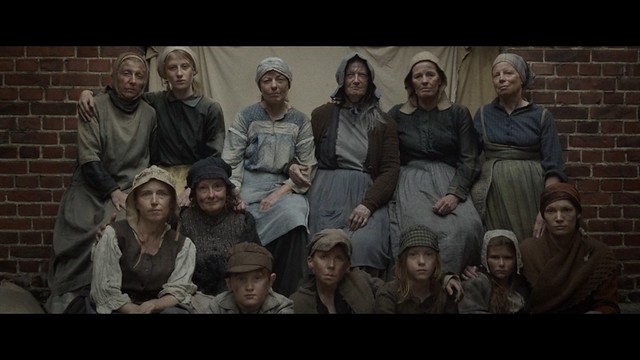
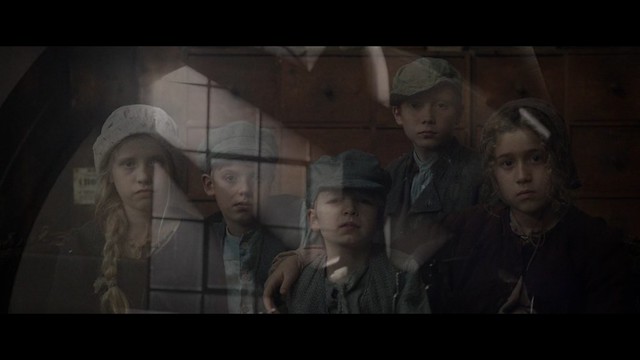
The film starts out with illustrating the serfdom and the idea of commodity and ownership - peasants gathering fallen tree branches in the woods for fire, while being careful not to break them off from the living tree, were mercilessly raided by weapons wielding raiders who treat them all equally as thieves. This is what Marx witnessed as a child. The background of the film is the 1840s, in the wake of Industrial Revolution in England. And the working class is realizing that they are living in two class system - Bourgeoisie and Proletariat, and that their living conditions are not so different from feudalist system.
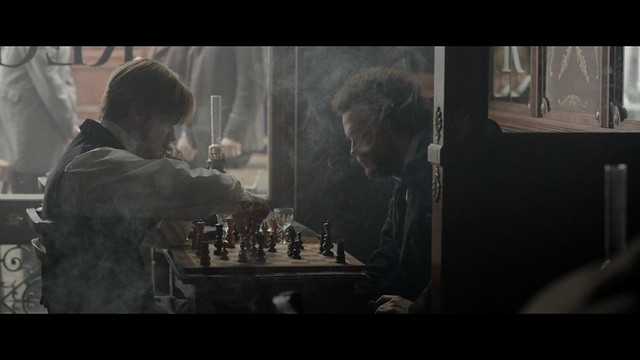
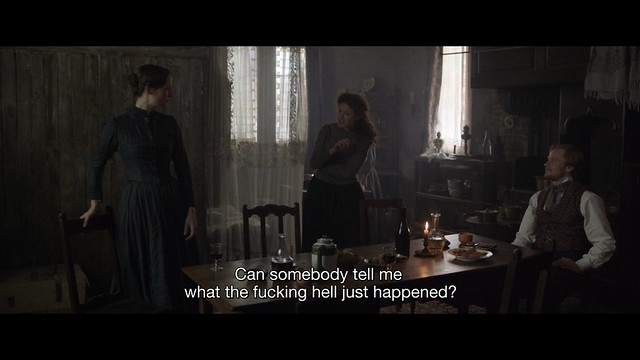
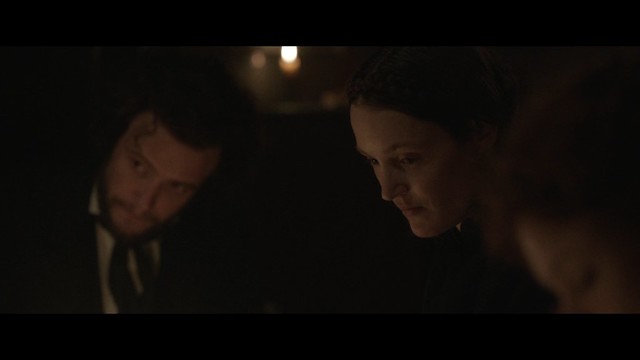
Young Marx (August Diehl), persecuted by his activities and writing, flees Germany, first to Paris where Proudhon (Olivier Gourmet), a much-respected political theorist and other prominent thinkers were at the time. Paris is also where he met and married his wife Jenny (Vicky Krieps) who is from a noble family hailing from Trier, a city near Luxembourg. He also befriends with Engels (Stefan Konarske), a 26-year-old son of a rich German textile mills owner in London. Conflicted by how wealthy industrialists, including his father, treat their workers, Engels rebels against his father and marries an Irish textile worker, Mary (Hannah Steele). Marx finds in Engels his intellectual equal and rabble-rousing partner. The two join The League of the Just, an elder statemen group of communists, a predecessor to Marx and Engels' the Communist League.
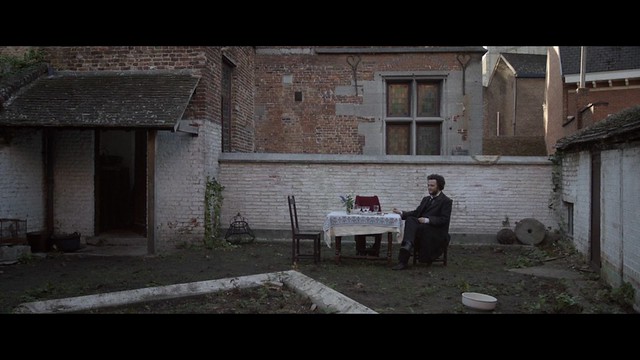
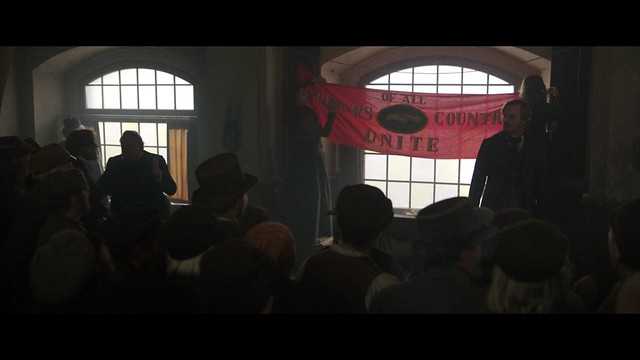
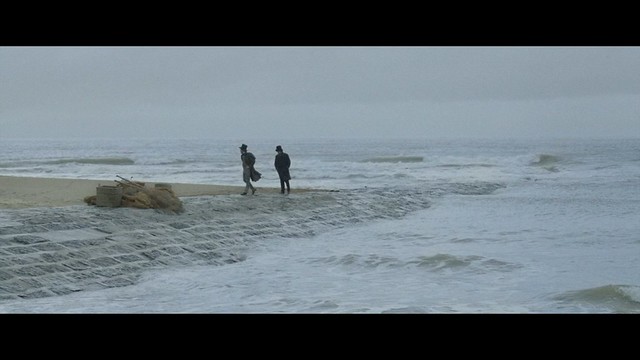
Struggling with poverty and hounded by police, Marx leads a life of a constant state of exile (Germany, France, Belgium, and England), often supported and encouraged by Engels to keep going. Where everyone's rhetoric not being supported by meaningful action - that of Proudhon, Weitling and Ruge, faltered and fizzled out, the young Marx and Engels writing and theories, based on the lived experience of the proletariat paved the way for the violent struggle, 1848 Revolution, then Russian Revolution and the concept of the trade unions, workers solidarity and eventually permanent revolution.
Peck, as always, the case, brings much humanity out of the political history and figures with great compassion and urgency. The period details are impeccably replicated and acting, from Diehl, Konarske and Krieps and the supporting cast, solid. The Young Karl Marx is not sensationalized in any way. It's a total antidote to throw in someone's face who is accusing you of being a commie, just because you don't subscribe to the capitalist way of thinking. Maybe the film is too even tempered, and that might be the reason the film wasn't widely seen, but it deserves some serious attention while our world is burning more ways than one right now.


