Tuesday, July 23, 2013

Meaningless Eternal

The Possibility of an Island (2008) - Houellebecq
 photo c6fbf5c3-cd2b-497e-bc92-7e993d49d8a2_zps839a09fa.jpg
 photo 03c1b4b7-bfb1-41c7-992f-171bef800d10_zpsd719a20e.jpg
 photo 1827757a-7ca9-4835-be67-188b3fb8439b_zps0498d5ea.jpg
 photo 754296b9-92c9-4b69-b8e5-28b822e05c02_zps2435ba94.jpg
 photo e8efe3b0-c69d-49b1-8244-7e4eb959d267_zps91386e35.jpg
 photo a308dfd1-1b4c-4e2f-8d1b-4807935630b5_zps582d7725.jpg
 photo a24203ac-f463-46f4-b513-15d6d2ace5d9_zpsb0b6c8be.jpg
 photo 93ddffda-1731-40d1-a8b2-760fd71cfe93_zps173db2a5.jpg
 photo 56de5456-927f-4baa-b4d4-b571e3698a3c_zps69c9f4d2.jpg
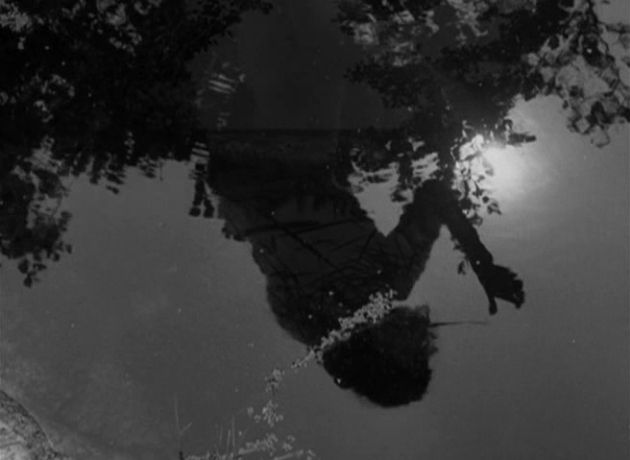
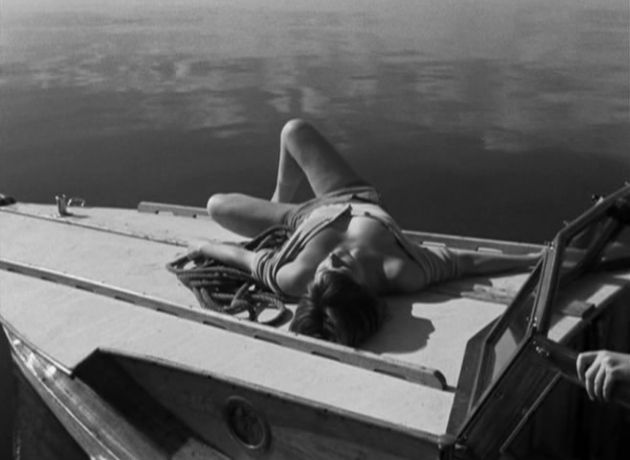
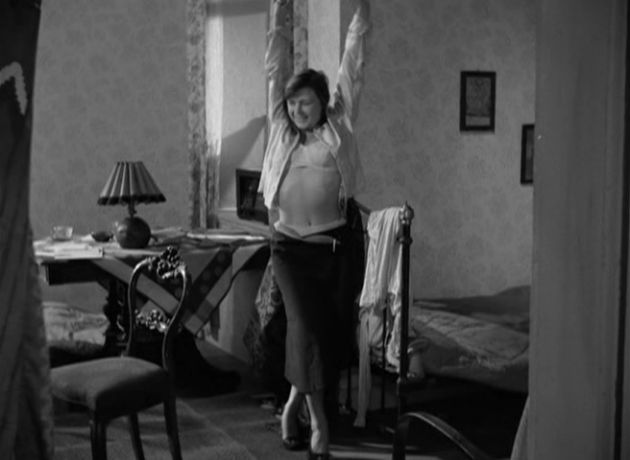
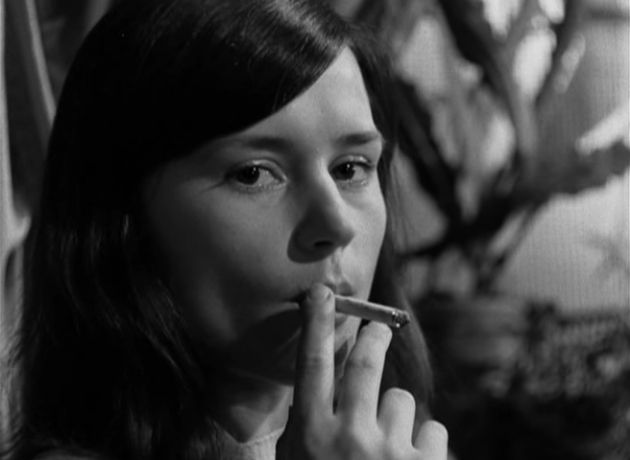
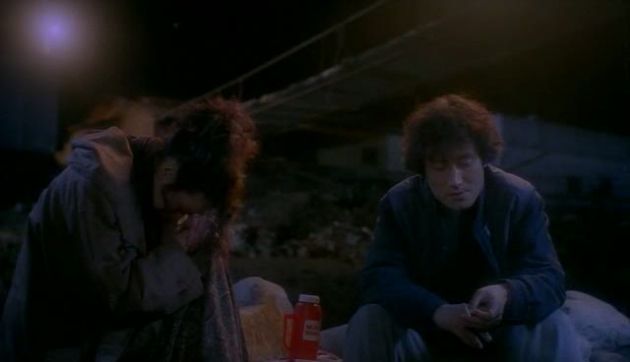
The Possibility of an Island, directed by the author of its source material, the Europe's premiere literary enfant terrible, Michel Houellebecq, even in this severely truncated film version, retains much of his theme nonetheless- our absolute aloneness, meaninglessness of human existence. But most of the venom and deviant sexual nature of the book are replaced by Mozart and Beethoven blaring soundtrack and uncharacteristic sentimentality, the film could easily come across as indecipherable, pretentious mess for the viewers who are not familiar with his work. What it does have though is some stunning locations doubling as the earth after apocalypse(s) and retro looking sci-fi sets that are reminiscent of both Tarkovsky and Renais. Daniel the hate spewing, womanizing comedian and a media celebrity in the book is gone. The social commentaries and banality of human life are only reflected (not so effectively) in the few scenes in the beginning with a bikini contest where a fifteen year old Russian girl shakes her booty in front of ugly old people in some mediterranean island resort that Daniel (Benoit Magmiel, looking like a hairless mole rat)is staying in. The Possibility concerns a religious guru (Patrick Bauchau) who promises eternal life with the backing of a scientist who finds a way to clone adult beings with one's memories and behaviors intact and with no dietary organs (they only need water and the sun to photosynthesize). Daniel is a reluctant follower and later becomes designated heir to the ailing guru. But after some hundred years, with everyone gone and no one to connect with, Daniel the clone no. 25 (in the book, never specified in the film) learns the life his predecessors led by reading ipad tablet like journals, finally gets out of his cocoon existence and embark on a search for a woman (Ramata Koite) or the idea of the woman the original Daniel once knew in a barren landscape.

With minimal dialog and rather ungraceful filmmaking, the film obviously doesn't have the same resonance of the book. But it's still an interesting Sci-fi with some gorgeous cinematography.

Friday, July 19, 2013

Austere Tribute to Japanese People

Japan's Tragedy (2012) - Kobayashi
 photo f88c67c0-32bd-41ba-9dbb-06dfedd83f56_zpsf0c706ff.jpg
How do you proceed making a film about Japan's recent tragedies- first, the crippling recession that forced 31,650 Japanese into taking their own lives in 2010, then the horrific Tsunami and Fukushima nuclear meltdown a year later, that took about 20,000 lives? One of the modern masters of Japanese cinema, Kobayashi Masahiro (Bashing, Haru's Journey) teams up with the legendary actor Nakadai Tatsuya (Yojimbo, Ran, Harakiri) again in an austere, emotionally devastating film that takes place in one location, shot in monochrome static long takes. It's a fitting film to an immeasurable grief that the battered nation must have been suffering for the last few years.

Frail Murai Fujio (Nakadai) is discharged from the hospital. He has lung cancer and without further treatment, he won't last 3 months. But that's too long of a wait for him. With his wife Yoshiko passed on a year ago, he wants to die. Against his unemployed, divorced son Yoshio (Terajima Tenobu)'s wishes, Fujio nails the doors and windows shut in his room and refuses to budge from his seat in front of the portrait of his dead wife. He grimly jokes that he will become a mummy. He warns his son that under no circumstance that he should come into the room. The idea is, after his death, Yoshio can continue to live off of his pension for a year without reporting his passing. As Fujio sits motionlessly, memories of good times and bad times appear and disappear in his mind.
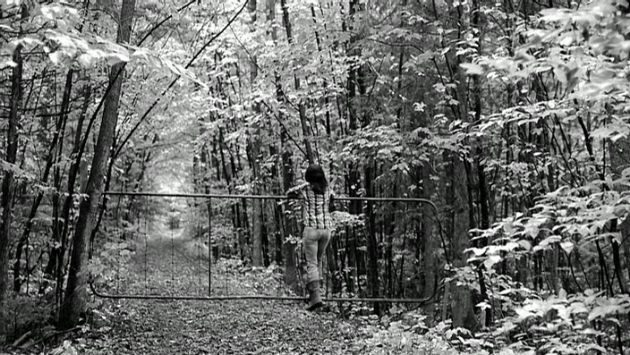
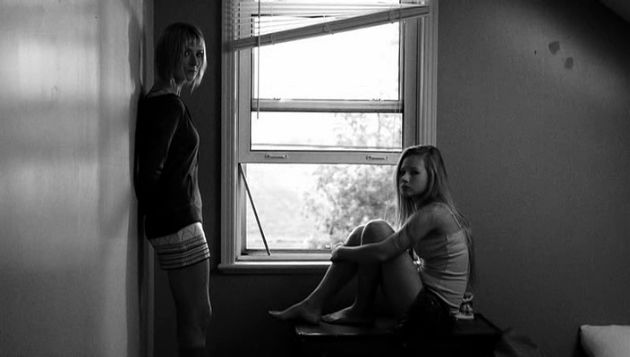
Yoshio has had his share of tragedies. The prolonged unemployment led him to drinking. His wife and daughter left him and went back to her home town in the northwest, only to go missing after the devastating tsunami and Fukushima disaster. With everyone he loves gone, and the only family left being his sick, suicidal father, things really can't be any more hopeless. Even in his dire circumstances, Yoshio shows resilience, proving his survival instinct is still there, perhaps because his father has none left.

Based on a real life story about a pension scamming scandal in 2010, the tragedy befallen on the Murai family can also be used for describing the desperate situation that millions of other middle-class Japanese families have found themselves in.

Kobayashi's strength has always been portraying the realistic side of life with a sobering eye while not losing humanism in his characters. Even though Kobayashi's usual style does not reflect a typical Japanese family drama in the tradition of Ozu, he pointedly chooses to be minimalistic with Japan's Tragedy. All the interior, static misé-en-scene is unmistakably reminiscent of the old master, especially in flashback sequences which take place at and around the dining table.

The film's black and white cinematography and use of the off-frame spaces by Ooki Sumio is masterful. The cold stillness and somber greys provide the film its weight but also, strangely enough, comfort. The effectiveness of a color sequence near the end: the happy days of Murai family really broke my heart. Not only is it a complete contrast to the rest of the film, but it illustrates the fragility of human life with such a simple method.

Once again, Nakadai proves that there is no other actor on earth who could portray grief better without overacting. Kobayashi knows this and makes full use of the close-up of Nakadai's face as he stares into camera in silence in many long takes. Terajima Tenobu is equally good as a stand-in for the millions of middle-aged men and women, a generation which is perhaps going through the darkest time in Japanese history since WWII.

Emotionally and physically austere, Japan's Tragedy is not an easy film to watch. But it's a beautiful tribute to the people who've been suffering through so much grief.

Japan's Tragedy will be showing July 21 as part of Japan Cuts 2013. For more info and tickets please visit Japan Society's website.

Thursday, July 18, 2013

Art Doesn Make a Difference...Until It Does: Joshua Oppenheimer on The Act of Killing

 photo ay_112819991_zps61b3780f.jpg
When I first watched The Act of Killing in March, I predicted that it would be a hard film to beat as the best film of the year. I still stand by that statement. It's an astonishing film that needs to be widely distributed, watched and talked about. So I jumped onto the chance to interview its director Joshua Oppenheimer when he was in New York for ND/NF. And this intense and lengthy interview is the result of it:

First, the thing is, not many people know about this side of Indonesian history, including myself. THE YEAR OF LIVING DANGEROUSLY, the country's involvement in The East Timor about ten years ago and the Bali bombing - that's the extent of the Indonesian history I know about. Can you tell me a short background history of THE ACT OF KILLING?

Well, after Japanese surrendered, Indonesia fought a war for independence against the Dutch (1945-49). It was a pretty exploitative colonial regime that was in place for three hundred years. The center of the struggle against colonialism was the Indonesian left. It included the communist party but with the land reform effort that was going on, the unions too- because Dutch had a very feudal control over the land. There was kind of fight from the beginning between the faction of the Indonesian army, which wanted to take over from the Dutch and keep everything as it was and basically not proceed with the redistribution of land or nation's wealth. The anti-colonial political class at the time included the president Sukarno, who was a left leaning socialist, and the left was doing well in the elections. The right-wing faction of the army basically wanted to put a stop to that. They saw an opportunity in the 30 September Movement in 1965 and took over. They were basically thugs whose parents worked for the Dutch. They weren't for independence and only interested in enriching themselves. So you can see there was a left wing decolonizing country with a strong right wing opposition which was no longer pro-Dutch but now anti-government. It was the beginning of the Cold War and the US, afraid of having a resource rich country like Indonesia not aligned with the West in the strategically important South East Asia, played a big role in that military coup. So when they took power, they started killing everyone on the left who was basically anybody. And the army outsourced the killing to the civilian death squads so they can wash their hands off of it and say 'it wasn't us' but also that they could implicate a whole layer of civil society- the civilians in the killings.

So between 1965-66, anywhere between half a million to two and a half million people were killed.

That's so crazy.

And it was reported in the West as good news. There was this grotesque NBC documentary called Indonesia: The Troubled Victory where they are very honest about the numbers of the people who were killed. And they show death squad leaders like Anwar, talking about how their victims would wanted to be killed, or saying things like how Bali is more beautiful without the communists.

I was showing the film in Holland. I was asked about the relationship between Indonesia and the Dutch, which I hadn't really thought about it before. Actually these guys (the gangsters)' parents were the thugs, assassins or administrators in the Dutch colonial regime. The West generally praised the genocide: the New York Times ran the headlines. "the West's best news for years in Asia". Time Magazine wrote, "A gleam of light in Asia". So I've always understood that this was forgotten in the West because the history was incoherent. I mean, how do you assimilate the story of murderers as winners? It just doesn't make sense. As human beings, supporting genocide doesn't sound good. 'So let's not talk about it' was the prevailing attitude.

Bill Moyers is writing a piece about The Act of Killing now on his blog and the New York Times where he is making another argument, which I had not thought of before, a truly apt one at that -- the fact is that in 65-66 the US was selling the Vietnam war to the public. They were selling it by appealing it to the domino theory- the communism will spread from China to Vietnam to Indonesia. Indonesia was the key, Vietnam didn't really matter, beside some rubber plantation, it was a resource poor country. Indonesia has tin mines, copper mines, oil fields, gas fields, timber... a lot of resources. Plus it was straddling all the important shipping lanes with nearby Singapore and around the Malay Peninsula. So obviously Indonesia was the prize. So once communists were wiped out, there was no risk of communism spreading to the country anymore. This victory, if you call it that, undermines the whole rationale for the Vietnam War. So that's probably another reason why we have forgotten it.

One last note about this story I have to tell you about that time is that China and the Soviet Union have already split, the us was worried that Indonesia would be under China's influence, so they published all these anti-Chinese propaganda. There always has been a big Chinese diaspora to South East Asia. But they were now saying they were secretly communists. Because of this propaganda, which stirred up anti-Chinese feelings, very much like anti-Semitism, resulted in 50,000 Chinese being killed in Indonesia.

It's just amazing to me how little we know about our involvement in atrocities around the world. Recently I had a chance to talk to director John Sayles about his film AMIGO. Timeline-wise it was earlier than when that genocide took place in Indonesia. But it's pretty much the same thing.

Were there large population of Chinese too?

It was the turn of the century so it wasn't the red scare but because of the Philippines' strategic importance to the resource rich China, the US sent troops half way around the globe to kill Filipinos.

Yeah and we learn Spanish American war and the Philippines is just a footnote, maybe a one or two sentences in our history books.

Was your previous film THE GLOBALIZATION TAPES which was shot by palm oil plantation workers, a starting point for THE ACT OF KILLING?

I was working for an agency in London and I was sent to Indonesia to do The Globalization Tapes.  It was a six month quick assignment. I could've been sent to anywhere but I was sent to this plantation community where they were trying to organize and their biggest obstacle was fear, as their parents and grandparents were in the union and were accused of being the leftist and were killed or put in concentration camps. They were afraid this could happen again and that was the first time I heard of the genocide and maybe the reason I came up with this crazy idea to make a film about it. Surprisingly no one had made a film like that. When I landed in Indonesia I was on the periphery. I didn't enter through the usual channel with the big Human Rights organizations. After landing in Jakarta I went straight up to north Sumatra and found myself in this world. It was rather full hardy to dive into this head-first. Then I was being stopped. Then I had to go back to Jakarta and go through usual channels with Human Rights groups. They told me they couldn't help but they encouraged me to keep going.

The film is basically us seeing Anwar Congo (the main subject of the film) realizing and getting his comeuppances of his actions of the past and the emotional catharsis that follows.

I would say it's more anti-catharsis because there is no release. He wants to vomit up the ghosts that are possessing him because he's trying... think Anwar from the beginning, he used the film to distance himself from what he did. To replace the miasmic horror that comes to him in his nightmares, he is trying to build up a cinematic scar tissue over his wound, just as, at the time of the killings, acting was part of the act of killing -- coming out of the movies intoxicated by whatever movie he saw across from his office. It's his way of distancing himself from what he'd done. He used that where as Adi, the other killer, actually killed off part of his conscience -- he numbed himself.

I think that Anwar's trying to replace his terror with these scenes. And every time the terror is like the reel it seeps out between the frames, between the shots and he tries to catch it, it seeps out, catch it, seeps out, catch it again, like trying to catch a genie he can't never put back in the bottle. In the end, as he becomes more and more desperate, his justifications become more and more grotesque and become more celebratory. That's another thing about this. The celebration of genocide, which looks like the symptom of their remorselessness is in fact the symptom of their humanity. Because when you hear from the perpetrators in War Crimes Tribunals for instance, they are either apologizing or they are denying, but often times we get to ask the questions when they're removed from the power. Here, these men are still in power. They were not forced to say it was wrong and nobody who killed will on their own accord admit that that was wrong because it's too dangerous. It's too painful. How can you live with yourself? If you can justify it, you will. So these men justify it as Adi says, the government gives you an excuse in the form of propaganda and you become addicted to that excuse and when you are doubtful, the justification spills over into celebration.

So I think Anwar's actually trying to make it okay by hoping that if you make it beautiful and acceptable or just contain in a movie then he can make it safe and okay for himself. The irony is that celebration of genocide is not the symptom of remorselessness, rather it's a symptom of humanity. It can be seen as a tragedy. Then, the symptom of their guilt becomes the cover for having thus corrupted themselves by killing people, the cover for committing further evil. It makes it possible to kill again. It makes it possible to extort your victims, like they do it in the market or keep them off their land as you described and enrich themselves to commit more evil. So the very thing  that is a symptom of your conscience becomes the cover by you commit further evil, I think that's the real tragedy of the film.

But going back to it being anti-catharsis, at the end when Anwar is trying to vomit up his ghosts, only to find that he is the ghost. I mean we are our past. At that moment I wanted so much as a filmmaker to have had a love for Anwar actually. I wanted to put my arms around him and say 'it's going to be ok.' Then I realized that he's chocking, his vomiting. He is feeling nauseous because he is choking over the budding realization that its not going to be ok.

Did you anticipate that happening when you started the project?

He actually had chocked one time before and I thought that would be the end of the film. The previous time was when he's watching with his grandchildren the reenactment of the interrogation scene where he played the victim and he gets choked with a wire, he actually chocked then. It was more reflexive. He couldn't breath.

As I said, Anwar, his task, his project was to run away from what he'd done. It's kind of an exercise in denial. It's not a therapy it's an anti-therapy, trying to create these scenes to distance himself from what he did and I thought my task was not at all to catalyze the psychodrama. I was working on behalf of the survivors and try to expose the regime of impunity first and foremost and Indonesians themselves that they finally acknowledge the nature of their society which is how the film is functioned in indonesia which has been fantastic.

That's good.

But the idea Anwar celebrating the genocide in the waterfall scene I'm misrecognizing that. Maybe I didn't want to see as what it was while we were shooting that this is actually the sign of his desperation and perhaps the whole regime's desperation. And yet I say it's both the sign of desperation to convince himself that it's okay and it's also an instrument of terror to keep everyone afraid and to go out and kill again. I saw it as the latter, because I was trying to expose the regime of terror.

I think the film has this kind of cross purposes- the film is not sentimental because that essential internal tension between the two of us. Had I anticipated the roof scene, the film would've been sentimental and it would've somehow made itself apparent. When Anwar said, "Now I feel how my victims felt," and if I said, "Yes good, you finally admitted to it," it would've been sentimental. And it would have been obscene, because I work for the survivors and tried to exposed the regime that is founded on genocide. Seeking the catharsis of the killers and even redemption as the goal of the film would be obscene. I think this film having a powerful impact in Indonesia and elsewhere is because it's the killers themselves showing how destroyed they are. And therefore the regime has to be destroyed. These men who should be enjoying the fruits of their victory, instead, are chocking on what they've done. Adi gazing himself in the mirror while his beautiful actress daughter getting a face massage is chilling. He numbed himself. in Indonesian, it's called mathiabasak- killing a feeling.

Adi was the scariest character in the film.

Yes, because he didn't know why it was wrong. He even says it. The thing is, his conscience has died. He has killed off his conscience and that's the way of living with what he's done.

You said the project was conceived out of collaboration with the survivors. The thing is it is a very lopsided film: you don't really get to see the survivors, you are just reflecting what's happening to the perpetrators so they can see themselves. Was it because of the lack of access, that people were afraid of retaliation?

In the beginning it was. I couldn't film the survivors safely. We kept getting stopped. But once I was working in the shadows of these perpetrators, the red carpet was rolled out for us to make this film. You see ministers from Jakarta fly up to where we were at to be in the film. The state tv producers, talk show hosts hype the film even before it existed. So then I could actually film the survivors. I had to lie about it. I had to say 'I'm going to film for NGO friends. That gave me an excuse to go to the countryside and be away from them. And I also did things that seemed boring enough that they wouldn't be tempted to come along just for fun.

And of course there is one survivor in the film- the stepson of the Chinese man. We had a multiple camera set up and I wasn't filming (with my camera) when he told the story about his stepfather and his family. And actually I think it could've been his real father who was killed with the rest of his family. If I knew this, I would've pull him aside and told him he shouldn't have been there. I only saw that footage when we were back to London, editing. Then I realized, "Oh my god his father was killed!" I felt so bad I called him and it was three years later (another year of shooting and editing was taking time) and his wife answered and told me he passed away from complications of diabetes roughly two years after the shoot. I called him was because I felt so awful. I felt exposed and dirty when putting together the film, I would've never allowed him being in the film and have him in jeopardy. I asked her if he ever talked about getting interviewed for my film. And she told me that he talked often about it and he wanted to let people know about the horrible things that happened to his family. Then I felt at least the film had help succeed in telling his story

The survivors couldn't be in the film without their face being blurred. The fundamental challenge the film makes to the viewers is for them to ask viewers to see the small part of themselves in Anwar and to see how we are all perpetrators. (looking at his shirt) Everything we are wearing is haunted by the suffering of people who make it. We know that. We depend on other people's suffering for our survival. The sweatshops are always located in countries where there's a history of terror and perpetrators have won and have not been brought to justice and that's why factories can get away with using thugs to keep workers afraid. We depend on men like Herman and Safit and anwar for our clothes for our... (pointing at my 7 year old ipod classic with a microphone attached) this thing you are recording me with, this plastic credit card, everything in our day.

True. That was my original question about catharsis. I was talking about catharsis of the audience, not Anwar's.

Just as The Act of Killing has destroyed Anwar, it harms us a little bit too. something in us must die. We must lie to ourselves. We must tell a story to ourselves just like Anwar does to cope this reality that we know about. And indeed we do. One of the stories we tell is this black and white, good guy bad guy story. The Star Wars story where we are the good guys.

If the survivors were there in the film then it's an uncomfortable place to be as a viewer to identify with Anwar. And we would seek refuge in that point of identification with the survivors and we would see ourselves as good guys and the whole project would fail.

But I'm making another film with the survivors in April. It's already shot. Its about survivors who confront the men who killed their sons.  It's not an ordinary survivors documentary.

What Adi says about us, the justification for invading Iraq and killing off Native Americans and all the things we do militarily, you think there is a difference between what Anwar and Adi did and what the US has been doing?

Each time the US gets into armed conflict, there are variations. But I think there is a commonality to them all. Our foreign policy is the armed wing of chamber of commerce. In that sense, we go and kill people and overthrow regimes on behalf of US companies and we rationalize it.

It's the same in a sense that Anwar is the part of just one US adventure. His previous job before his gangster life was guarding the US consulate. The boss of Anwar's death squad (who died before the film was made) was a very good friend and golf buddy of the US consul.

All the people who remained anonymous in the credit, they are okay?

They are all okay. I'm in touch with them all the time.

How was it received in indonesia?

the film can't be released theatrically in Indonesia. There is a political film censorship and if you submitted the film, they will likely ban the film. Then it will become a crime to screen the film. Then it will be used as an excuse for paramilitary groups to attack the screenings. So what we had was a clandestine, micro screenings. We showed it to all the editors and producers of all the biggest news outlets. Throughout the fall, we showed it to leading filmmakers, human rights advocates, historians, academics, survivor groups, journalists...and they universally loved the film. They started publishing in articles. They had to break 47 years of self-censorship and started writing deep investigative reports about the genocide. Then we told all these organizations which loved the film to go back and screen the film.  We gave them copies and whatever they need to screen the film with. It started with Human Rights Day, December 10 screening in 2012 with 50 screenings in 30 cities. It grew maybe by 10 screenings a day and now it's grown to 290 screenings in 94 cities for tens and thousands people. I'm guessing it's the most talked about and most anticipated film in Indonesian history.

The film has cracked open this facade where genocide was heroic and suddenly stories are pouring out about what really happened and what it really means in the present. Werner Herzog was a big supporter of the film and he said to me, "Art doesn't make a difference," I was like, oh that's a shame, then he looked at me for a long time and said, "...until it does." I'm so lucky to be part of the moment that it's making a difference. Only thing that's sad is that I haven't been able to safely go there for this. 


The Act of Killing opens July 19 in New York and national rollout to follow. Visit the film's website for more info and release dates.

Friday, July 12, 2013

Finding Human Kindness and Optimism in an Ordinary Man

A Story of Yonosuke (2013) - Okita
story of yonosuke photo 8c96ac0a-f1a2-44f2-9435-5877977e1940_zps99f73bd8.jpgFrom reading a brief synopsis online of A Story of Yonosuke, and with its 2 1/2 hour plus runtime, and the fact it is a period piece (taking place in 1987), I was fully expecting a Being There or Forest Gump type parable steeped in a socio-political survey on Japan's economic boom and its downturn in recent years. In a way the film is a parable, but in the subtlest terms.

It's a winsome tale about an affable young man named Yonosuke (a funny sounding name, I was told), who is not mentally handicapped nor an ethereal butler who may or may not exist. Rather, he is a regular guy who still manages to touch many lives with his gentle, optimistic nature.

Even though the film's periodic details are astutely recreated and observed, it is not the nostalgia piece where someone would say, "Yes, I remember the Yomiuri Giants winning the world series that year". As you delve into Yonosuke's life, it makes you forget the film's artificial backdrop soon enough.

Yonosuke, a college freshman from Nagasaki, is played by Kora Kengo (Norwegian Wood, Woodsman and the Rain). His sharp features and intensity are diffused by his big fuzzy hair and goofy smile. He is an ordinary, good natured kid whom everyone wishes would be their best friend. Yonosuke first befriends Kuramochi (Ikematsu Sosuke) and Yui (Asakura Aki) (they later become a couple), when they stumble into the school's samba club in an orientation week. They become an inseparable trio. After getting infatuated with an older, alluring 'party girl' Chiharu (Ito Ayumi), Yonosuke unloads his feelings about her on the reluctant ears of Kato (Ayano Gou), a reserved man Yonosuke mistakes for someone he knows. They also become best friends. Then he meets Shoko (Yoshitaka Yuriko), a rich industrialist's daughter, who is always chaperoned by a driver and waited by a maid. Their class differences provide many comedic moments in the film. A wide-eyed naif, Shoko falls for good natured Yonosuke right away. She even follows him to Nagasaki for the summer break at a moment's notice, bewildering him and his rightfully suspicious parents. Their courtship is perhaps the most beguiling part of the film: awkward, funny, tender and uplifting- as should any first love be remembered by.

"When I die, would anyone cry?" wonders Yonosuke at his grandma's funeral. It's a question all of us ask ourselves at some point in our lives. "No, everyone will laugh when they think of you." Shoko tells him. And this they do. Throughout the film, director Okita Shuichi unhurriedly inserts people from Yonosuke's life reminiscing about their time with him after some 16 years, without sacrificing the film's gentle narrative flow and without corny sentimentality. Their chance encounters with Yonosuke enriched their lives immeasurably and they feel privileged to have known him.

I take the film as a reminder that beauty and kindness is in all of us, in this time of economic hardship/post-Fukushima Japan. It's a warm hearted, hopeful film subtly realized by Okita and its spirit is beautifully embodied by Kora. A Story of Yonosuke will go down as one of the best films I've seen this year.

A Story of Yonosuke screens on July 13, as part of Japan Cuts 2013. For tickets and more info, please visit Japan Society's website.

Wednesday, July 10, 2013

Sadistic Thrill?

Lesson of the Evil (2012) - Miike

To be honest, I wasn't a big fan of Battle Royal. I never got the thrill from seeing school girls and boys offing each other. I thought it was way too sadistic. So going in to see Lesson of the Evil, I knew what I was getting into. I mean, it's a Takashi Miike movie for god's sake. As usual, it's very well done. It was mildly gratuitous seeing a handsome young teacher doing evil shit, then it increasingly becomes uncomfortable as he wipes out an entire High School class with a shotgun. Obviously Miike hasn't heard of Newtown. Sorry dude, I don't get a hard on seeing crying school girls getting shot in the face.

Lessons of the Evil plays part of this year's NYAFF  and Japan Cuts. If you want more information and tickets, please check FSLC and Japan Society websites.

Tuesday, July 9, 2013

Lost. Found. Lost Again

Lost Book Found (1996) - Cohen
 photo 1bd41764-d9f4-4c9f-ae6b-60e2603963dd_zpse3e57f0a.jpg
What is a city if not layers and layers memories and personal stories and anecdotes? A soft spoken narrator explains that he had bought off someone's notebook filled with personal musings about NY city. The gibberish makes sense in fairly loose associations when he looks at something, years later- be it a sale sign, graffiti, a phrase from the radio, etc. One day the whole thing makes sense, the universe is complete, then it dissipates and becomes just a distant memory. Then again piece of his writing pops up and you are in euphoria again. Lost Book Found reminds me of Chantal Akerman's 80s New York visual essays. New York, through his grainy super-8 and videos is all 42nd Street trashy glitz with signs, graffiti, dirty streets, gold stores and panhandlers. As the image fading to black and mismatched sound and music fading in and out, Lost Book Found floats in its own gentle rhythm. I wonder what he thinks about super gentrified-disneyfied New York where no traces of that greasy old city is left. Clocking at 37 minutes, the film seems a wee bit too long. But I do love his pacing.

Monday, July 8, 2013

City of Contradictions

Beijing Blues (2012) - Gao
 photo 55b40618-72df-47f4-8959-9b19b512980a_zps0c1ed635.jpg
Working with mostly non-actors and unobtrusive handheld cinematography by Wu Di, director Gao Gushu creates an intimate portrayal of Beijing that one rarely sees in films.
Beijing Blues is a police procedural shot in the documentary fashion, taking place in Haidian District's Shuangyushu neighborhood in Beijing in winter. Zhang Lixian, a creator/journalist of a popular online magazine Duku, plays steely eyed, asthmatic, diabetic police inspector Zhang. Armed with a handicam, Zhang patrols around wide, clean Beijing streets to apprehend law breakers. Mild mannered and persevering, he is our guide to the smoggy megalopolis that is as much a character here as any inhabitants in Beijing Blues.

Zhang's daily routine is not exactly an action-filled thrill ride. Rather, it's full of swindlers, petty thieves, and con artists. Working in teams, these low-end criminals prey on ordinary Beijingers in fake fender-benders, elaborate counterfeit scams, false proselytizing ... nothing too glamorous. With Buddha-like patience, Zhang and his colleagues observe these criminals in long stretches and catch them red-handed. He is well known and liked in the neighborhood. There is a funny sequence of him even being followed by another film crew making a documentary about him.

The film gets a narrative jolt about two-thirds of the way in, when Gold-digger, the master criminal and the nemesis of Zhang, announces that he will steal 300,000 yuan in three days and give the money to a neighborhood boy who's a victim (and a son of a con artist) of hit-and-run. With the New Year's celebration on the way, Zhang needs to track him down fast.

Gao observes everything without being judgmental. The excessive use by the police of CCTV, which seems to be in every Beijing street corner, is kind of unnerving. Also, relying on merchants' surveillance footage and the handicam recording seems to be the normal procedure in China. Law-abiding Beijingers too, condone and cheer on the apprehension of criminals without ever questioning the method of the law enforcement. Under Gao's uncluttered eyes, Beijing, the capitol of capitalism on steroids, is full of contradictions. It's also blisteringly beautiful in the snow.

Winner of Taiwan's coveted Golden Horse award for Best Film, Beijing Blues is indicative of a healthy indie film output from mainland China.

Beijing Blues plays as part of New York Asian Film Festival 2013 on July 9. For more info and tickets, please visit FSLC website.

Saturday, July 6, 2013

Art of Life

Museum Hours (2012) - Cohen
 photo c5517a2a-9d82-47de-b413-4eba38d32c46_zps0c0697fe.jpg
It's Cohen's landscapes that are so arresting- the mundane urban settings become meaningful -- the empty, stillness of the frames get more resonance by sporadic, gentle musings. Museum Hours loosely concerns an old guard Johann (Bobby Sommer) at Kunsthistorisches Museum and a middle aged woman Anne (Mary Margaret O'Hara) from Montreal, visiting Vienna to see her distant cousin who fell into a coma. There is a gentle flow to the film that is not hurried to anywhere, not married to anything, so it slowly puts your mind at ease. It opens you up, to put you in place of an observer, not unlike observing a painting in a museum.

Kunsthistorisches in Vienna is famous for housing, among other things, large volumes of Pieter Bruegel the Elder's work. Bruegel's paintings, along with Goya's happen to be some of my favorites. Cohen even dedicates a chunk of time for a museum guide to explain his work that even without their subversive nature, everything has equal importance. The guard narrates that he finds new things every time he sees Bruegel's paintings -- there is a broken egg, a man is squatting down and defecating in this corner, etc. Gently weaving real life and chance encounters of these two people with numerous paintings in the museum, the film is a sublime beauty. Anne singing to her cousin, snowy melancholic Vienna streets under the street light, Johann lovingly talking about his young coworker, a skate kid sitting, staring nowhere -- these images and sounds are equally beautiful and resonant in Museum Hours. Quite possibly the front runner for my favorite movie this year.

*the film was preceded by Cohen's ultra-short, Springtime shot in industrial Gowanus area in Brooklyn. Mood and imagewise, and not knowing his work at all, it was a good indication of what's to come.

Revisionist History Sold as Light Entertainment


An Inaccurate Memoir (2012) - Yang

Taking cues from The Good, The Bad and the Weird and Let The Bullets Fly, Leon Yang's An Inaccurate Memoir is a large scale, genre mash-up period piece taking place in dusty Northern China in 1930s. 

It starts out with the disrespectful Japanese army carting off a giant statue of Buddha into their base while a gang of colorful bandits break their leader Fang (Huang Xiaoming), out of jail in a daring rescue mission and retreat to their elaborate desert underground hideout. The bandits have allegiance to no one but to themselves and only care about getting rich. They are mostly into thieving and kidnapping business. But things change when they unwittingly kidnap Gao (Zhang Yi) for ransom, thinking he is a rich man.

It turns out that Gao's mission is to assassinate emperor Hirohito and his kidnapping was a ploy to get the bandits involved in his cause. So you can guess how it's going to play out: the greedy bandits grow a pair and find newfangled nationalism! The middle part is filled with a bungled bank robbery attempt (in traditional Chinese doll masks), multiple love intrigues, cornrows and other way-too-modern-looking attires, many fuzzy subplots and the big raid at the Japanese base in order to kidnap a Japanese prince. 


The thing is, we know our history that there was no kidnapping of any Japanese princes, Hirohito didn't get assassinated and it wasn't the Chinese who ended the WWII. The movie ends as the remaining bandits about to embark on their mission to Japan.

Told in conscientious Gao's narration, An Inaccurate Memoir is a pure wish fulfillment filled with incredibly good looking people -- never mind that they are living in a dusty hole, they always look fabulous! -- sold as a sleek entertainment. Its half-baked plot makes the film not so entertaining, though. Also, I had a hard time buying "we honor those nameless heroes who fought for our freedom" message at the end. Honestly, I don't foresee anyone getting choked up about it.

An Inaccurate Memoir plays Sunday, July 7 as part of the New York Asian Film Festival 2013. For tickets and info, please visit FSLC website.

Monday, July 1, 2013

Uncle Charlie

Stoker (2013) - Park
 photo 7fcb2b42-a599-45a3-9dd1-e22c2f12b537_zpsd13129d3.jpg
I had no desire to see this when it came out in theaters and now I'm beating myself up for not seeing it on the big screen. It's an impeccably designed and directed Hollywood debut of Park Chan-wook. And I'm glad it still retains all the elements that Park's known for. Stoker is just as gothic, macabre, psychosexual, over-the-top as any other of his. And it's great fun. This sleek take on a young girl's coming of age, Cinderella story has none of the Hitchcockian suspense the film takes its cues from and the psychology runs very thin. But don't matter. Park is more of Argento type of filmmaker and his visual prowess is in full display here. Stoker made me gasp many times in its numerous brilliant moments. The transition shot from hair to grass alone is worth the admission. Casting also is right on the money: Mia Wasikowska's perfect as a trapped goth girl. Matthew Goode, always preppy creepy, is goode as uncle Charlie. Even the collagen lipped Nicole Kidman fits the given role. It's a thoroughly enjoyable, nasty little movie.

Tuesday, June 25, 2013

High Melodrama

Secret Sunshine (2007) - Lee
 photo 2762ec79-7730-4995-b006-3cc0da9e09a4_zps8e3ac70a.jpg
Secret Sunshine tells a story of tragedy prone Shin-ae (Jeon Do-yeon). After her husband's death, She and her young son move to a small southern town called Milyang (meaning secret sunshine), the birth place of her deceased husband, to start anew. As soon as she somewhat acclimates herself to the country living, another tragedy strikes. And when she is most vulnerable, she finds Jesus. Does everything really happen for a reason? Is everywhere the same? Is there a meaning in that sunshine?

At times, the film is as corny as it sounds. It is definitely not as good as Lee Chang Dong's other films (Peppermint Candy, Poetry). Sunshine does avoid many of the pitfalls of stereotypes associated with Korean melodramas but not nearly enough. Though it is saved by Jeon Do-yeon's performance. You just want to protect her at all cost. And that's what happens to a local businessman Jongchan (Song Gangho). Known for his comic performances, Song's everyman hopelessly in love with someone who is clearly above his class is just as well drawn as that of Jeon's protagonist. Watch it for the performances.

Sunday, June 23, 2013

Deathwish on Wheels

Crash (1997) - Cronenberg
 photo 948390fc-f4a0-42a1-aa61-eb38adfb7bab_zps7cb96f28.jpg
After seeing it at its release in 1997, where I witnessed many walkouts (including some of my friends), I got to see this in theater again today. However controversial it was back then, the graphic sex scenes aren't as shocking, repetitive nor boring as I perceived the first time. Autoeroticar in this is pretty darn hot actually. And I find the movie still brilliant. Based on J.G. Ballard's book of the same name, Cronenberg, no stranger to the human body/technology relationship, confidently tackles our post-war era fascination with cars. These shiny metal objects not only signify wealth and power but our hidden desire for destruction and death. Along this perverted ride are James Spader, Deborah Kara Unger, Holly Hunter, Elias Koteas and Rosanna Arquette, bravely charting the dark underbelly of the human progress built on destruction and shame. Crash seems immune to aging compared to other tech-oriented Cronenberg movies.

Thursday, June 20, 2013

Break Up


La Séparation (1994) - VincentImage
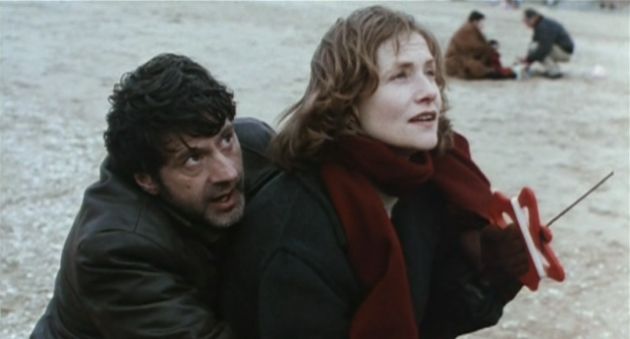
A nicely nuanced, well acted film about the disintegration of a relationship. Told in Pierre (Daniel Auteuil)'s point of view, La Separation starts out when Pierre and Anne (Isabelle Huppert)'s relationship has already lost its passion (at least for Anne). They have a 15 month old boy together. But for Anne, love isn't there anymore, as she puts their relationship in one sentence that she read in a bathroom stall: in a marriage hell, there is one who suffers and one who is bored. She declares matter of factly that she fell in love with someone else. They are cordial for a while, going to the parties together and seeing their friends, but it's gnawing on Pierre. It slowly becomes unbearable living together with the knowledge. The emotional explosions are short and small. Lawyers get involved, visitation rights are mentioned. But the film is not about the divorce procedural (I learn that the couple is not even married later on), but observations in human interactions and musings on how we fall in love in the first place. Both Auteuil and Huppert are top of their forms in this.

Wednesday, June 19, 2013

Passing Times

L'heure d'été/Summer Hours (2008) - Assayas
Image
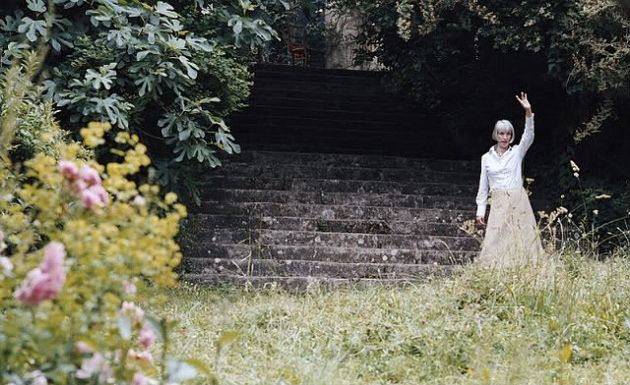
Light touches, a lot of room for actors but mostly Olivier Assayas's Summer Hours is about feelings, nostalgia without sentimentality. Three grown up siblings, an economics prof. Frederick (Charles Bering) the eldest, NY based designer Adrienne (Juliette Binoche) and Jeremie (Jérémie Renner), a Puma factory manager in China, gather with their children and spouses for their mom Helen (Edith Scob)'s birthday at an idyllic summer house filled with precious art and furniture. It is their childhood home with many personal memories and secrets. Helen, at 75, knows that her days are numbered, so she starts arranging things and pesters her children about divvy-ing up the the house and assets. They wouldn't hear any of it. But after Helen dies, with financial instability, they decide to sell the house and have all the art liquidated- many of them being donated to Musée d'Orsay for tax purposes. The grown ups don't have much attachment to the house anymore and too busy with their own lives.

In a typical Assayas fashion, the director orchestrates the star studded cast with balance and care. The result is a warm, mature, harmonious film that reflects human experience.  But heart of the film belongs to Edith Scob's presence and grace in the first 30 minutes. Loved Binoché's bitchy, unsentimental Adrienne. Also loved two contemplative moments: one with Helen sitting alone in the dark and one with Frederick alone in the shadows. And what a finale: Alice de Lencquesaing from Father of my children, now a slightly mischievous teen, provides the well deserved, poignant, fitting ending sequence to the film.

Tuesday, June 18, 2013

Paradise Lost, Again

Summer with Monika (1953) - Bergman Image
Image
Image
Image
Image
Image
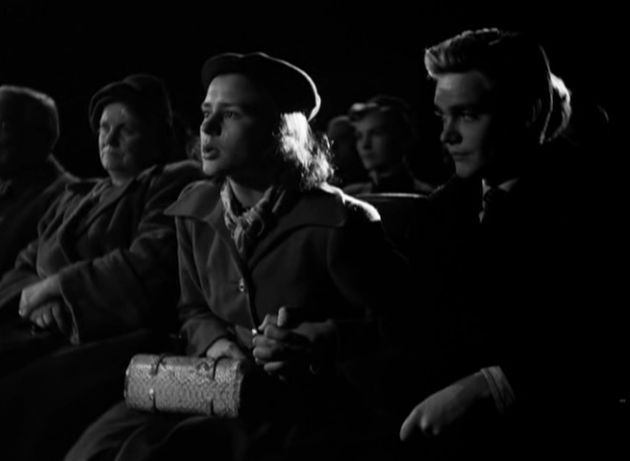
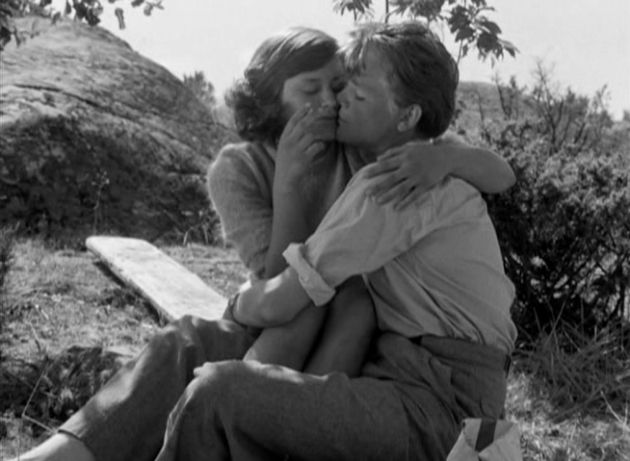
Monika (Harriet Andersson) and Harry (Lars Ekborg), young lowly stock room employees fall in love. Summer's near and after harassment at work and getting fired for being late, they run away to a remote island on Harry's dad's motor boat. For a while it's a paradise. They are in love and nothing really matters. No need to think about the future. Monika get's pregnant, supplies run out and soon they resort to stealing food from neighboring villages. In the end, they have to come back to Stockholm. Harry needs to get a job to provide and Monika's not satisfied with their less than glamorous life.

Andersson's youthful energy and insatiability for life is infectious and that's why that Monika staring into camera scene near the end is so chilling. She was slightly manipulative as any young pretty girls are, but there is something more pernicious in her eyes now. Her innocence and youthfulness is gone. Harry, now a regular boob, with the baby girl in his hand, pines for that glorious summer days. Bergman paints realistic picture of a Summer fling and its aftermath. It's not like in Hollywood movies that Monika likes. Summer with Monika plays out like an Italian neo-realist movie but has a more of a sinister edge to it.

Wednesday, June 12, 2013

Korean Film Archive on Youtube

Look at all these cool posters!!
 photo movieposter-9_zps287da779.jpg photo movieposter-8_zps3b436a8e.jpg
 photo movieposter-7_zps3bafa7c5.jpg photo movieposter-6_zpsc23a45e0.jpg
 photo movieposter-4_zps0de01cd9.jpg photo movieposter-3_zps87f12122.jpg
 photo movieposter-2_zpscaf156d3.jpg photo movieposter-1_zps654b5d13.jpg
 photo movieposter_zps35985026.jpg photo movieposter-10_zps517b1517.jpg

I'm sure you noticed as of late, I've been in a Korean movie watching kick! Growing up in Korea, I've never really watched Korean films. Even after Korean film renaissance began around mid 90s, I was very slow to catch up with the rapid ascension of the Korean cinema and the country's reputation as one of the leading film producing countries in the world. I've seen my share of it now, joining many K-cinephiles, enjoying steady diet of current crop of Korean actioners/thrillers/policiers, etc. But I've neglected the classic Korean films of the yesteryears and been curious about them ever since I watched Madam Freedom (1956) a couple years back. Then I recently stumbled on to this: Korean Film Archive. It boasts 71 Korean classics (mainly from the 60s through early 90s), decent qualities with a decent subtitle options (CC button). Most of them not available anywhere neither on disc format nor streaming. I've watched Black Republic the other day and will check out many more in the days to come. Granted many of them are 80s skinflicks (Military dictatorship haydays under Pres. Chun Doo-hwan who promoted 3Ss- Sex, Screen, Sports to keep the citizens occupied) with amusing titles like The Ball Shot by a Midget, Parrot Cried with Its Body and Does Cuckoo Cry at Night?

But if you are like me, curious about Korean films prior to mid-90s, please visit the site and check them out yourselves.

Tuesday, June 11, 2013

Life is Beautiful


Peppermint Candy (1999) - Lee
Image
Image
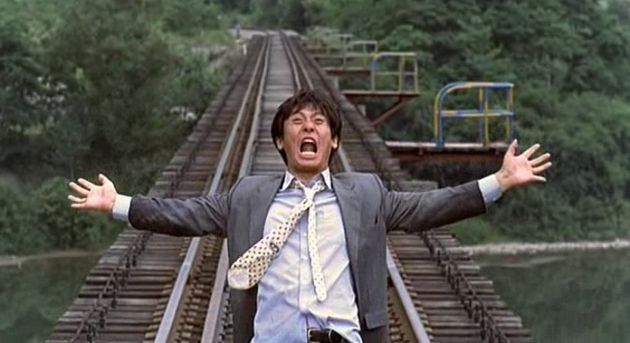
The film chronicles key events in the life of Kim Young-ho (Sol Kyung-gu). It opens with Kim stumbling into his school reunion outing near an idyllic creek under the railroad tracks. After making a scene, he throws himself in front of an oncoming train. Tracing backward into 20 years, it shows the dehumanizing effect that the violence has on a person. With a crooked smile and bad temper, Kim is not a nice guy. But he wasn't always like that. It's hard to believe that he was once a young man who liked looking at wild flowers and wanted to be a photographer.

The Gwangju Masssacre in 1980 in which thousands of pro-democracy students lost their lives by the military force, deeply scarred a generation of Korean people. Peppermint Candy deals with that incident in a personal storytelling that is amazingly effective. Kim's sneering detachment, unhappiness and violent nature of his later years is explained slowly through traveling back in time in an absorbing, revealing way. Its accumulative power in making us sympathize with this deeply detestable person is undeniable. Lee Chang-dong is a gifted writer/filmmaker whose use of 'time traveling' device here is much more elegant and resonant here than the likes of Memento and Irreversible. His attention to detail and use of different cinematic devices (music, phrases and especially peppermint candy) for connecting different times are not showy but beautifully done, almost reminding me of Kieslowski films- again, much more resonant given the historical/personal context. I can't say anything more than that it's an amazingly beautiful, touching film.

Miner's Woe

Black Republic (1990) - Park
Image
Image
Image
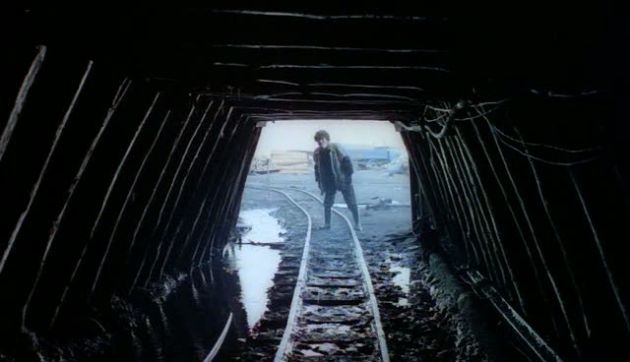
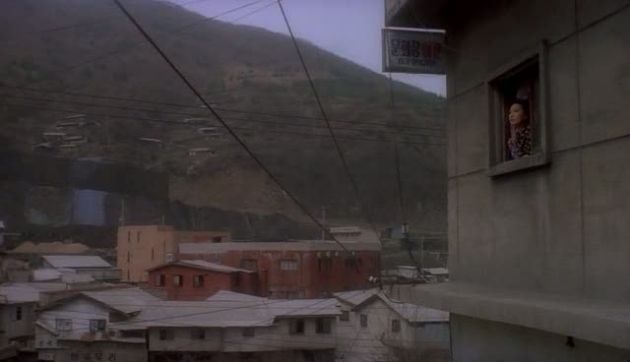
Kim (Hong Sang-soo regular Mun Seong-gun)arrives in a small, dying mining town in the midst of nationwide labor protests. He is an educated labor organizer from Seoul, wanted by the police for his activities, trying to lay low. The mining companies are shuttering its doors due to strikes and low employment and Kim can't get a job without proper identification. He finally gets hired by a small coal Briquette manufacturing company. It's a dirty, back breaking work. The company owner's spoiled, loan sharking son (Park Joong-hoon) somehow takes a liking to Kim (possibly because they are around the same age, and Kim looks like a learned man unlike dirty faced country hicks around him?). Song (homey Shim Hye-jin), one of his girls at the cafe (mostly pay-dates,just above being downright prostitutes), takes a shine on Kim. She wants to escape the small town and be free.

Park Kwang-su's social realist melodrama has well drawn characters and brings out sympathy for down and out 'ordinary people'. The Korean title roughly translates to 'They are Like Us'. By that, what Park means to say is that these small town people are like us- they go through life's hardships, fall in love, rage against injustice, get jealous, etc. I liked it.

Friday, June 7, 2013

The Life Chaotic

Elle Veut le Chaos (2008) - Côté
Image
Image
Image
Image
Image
Image
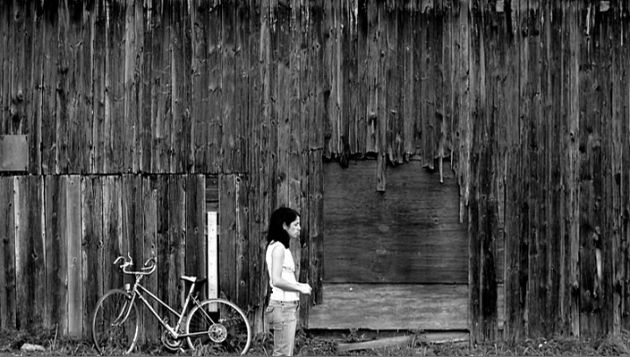
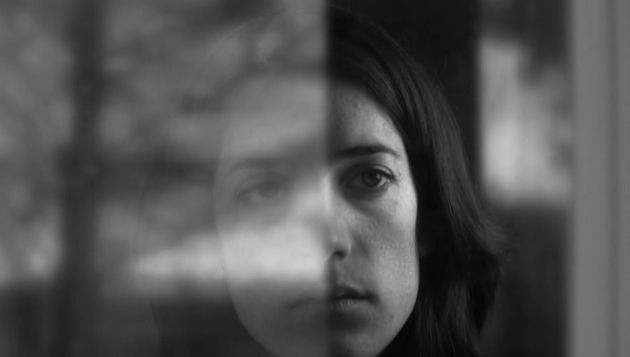
Enigmatic in its beautiful black and white images, Denis Côté's Elle Veut le Chaos/All That She Wants tells a slight story of Coralie (Eve Duranceau), who ekes out a living in nowhereland next to a highway near Montreal. Côté seems to have a knack for lightly sketching out these sort of small time outsiders while keeping their mysterious origins intact. Coralie lives with Jacob, an older man/father figure. Their lives seem forever indentured to the violent gang, headed by Alain, next door. Their relationships are never clearly defined. As the film plays out, one can guess that they (including Coralie's crazy mother who runs away in the beginning of the film) all belonged to the gang at some point. And they are all somewhat related to Alain.

Pierrot (Laurent Lucas), just came out of jail, comes back and tells Coralie that he wants to take her away to his home in France. But that's not what she wants. Jacob wants to kill Spazz, the most violent of the gang, and get away. Coralie doesn't want that either. Meanwhile, the gang brings in two young Russian girls whores who can't speak French, for their entertainment.

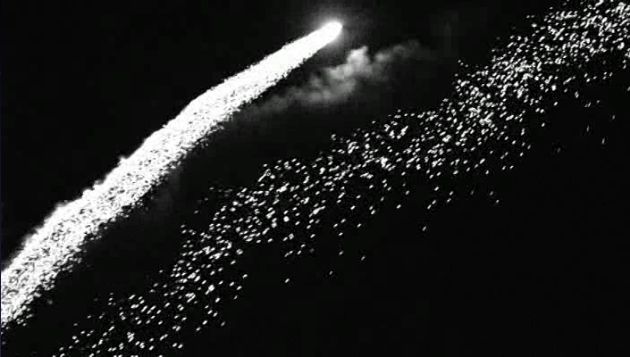
Cause and effect don't really apply to Côté's films. Violence happens abruptly, motivations hidden and unclear and things turn out unexpectedly. The mood he creates is absorbing and has a somewhat otherworldly quality to it. Oh, and fireworks look beautiful in black and white.

Thursday, June 6, 2013

Rock'n'Roll Mom

Mama (2013) - Muschietti
 photo e52d4b6e-ceb1-4e68-b836-6c6e31db6ee5_zps5d5a11d2.jpg
Surprisingly decent horror movie despite its title. Jessica Chastain finally plays someone other than a Mid-Western housewife (haven't seen Zero Dark Thirty). She is Annabelle, a dark haired, tattooed bassist for a rock band (styled after Chrissy Hines I'm sure), far from mother material who's thrown into one when her artist boyfriend Luke's long lost nieces were discovered in a secluded cabin in the woods, living wild-child style. After a child psychiatrist helps them win the custody, under the condition that he will be observing the kids as a case study, Annabelle moves into a clinic owned manor house with the newfangled family. It's totally not her thing, but she can't abandon Luke now. It turns out kids were raised by some unknown woman they call Mama with the diet consists of cherries, rats and raccoons for 5 years. They think it's the kids' imagination gone wild, some kind of mental illness, split personality disorder maybe. Then strange things start happening in the house...

Did I say Chastain is great in this? She is. Her character's nicely drawn: her interactions with kids awkward and awesome. Did I say she has giant octopus tentacles tattooed on her shoulder? Pretty hot. Mama has that dark signature Guillermo Del Toro children's movie written all over- tragic ghost story with a not so evil, just creepy antagonist. Has some real scares. It's the best J-horror a Hollywood production can muster.