Sunday, January 1, 2017

Interview: Scott Barley on Sleep Has Her House

However dismal 2016 has been, I had a privilege to start the year discovering the work of a Welsh/Scottish filmmaker/artist Scott Barley. As it turns out that I also had a privilege to end and start another year with the work of Barley and conduct a second interview on his new work Sleep Has Her House. It's a monumental piece of pure cinema that is hard to describe in words. It was a visceral, immersive experience that I will never forget. Many of the questions I put on Barley here are about "how", since I know a bit of his background and his objectives from the last conversation we had, and mostly because the technician in me was wowed by his craft in SHHH. I was so genuinely invested in the experience, some of my questions came across as naive in hindsight. No matter.

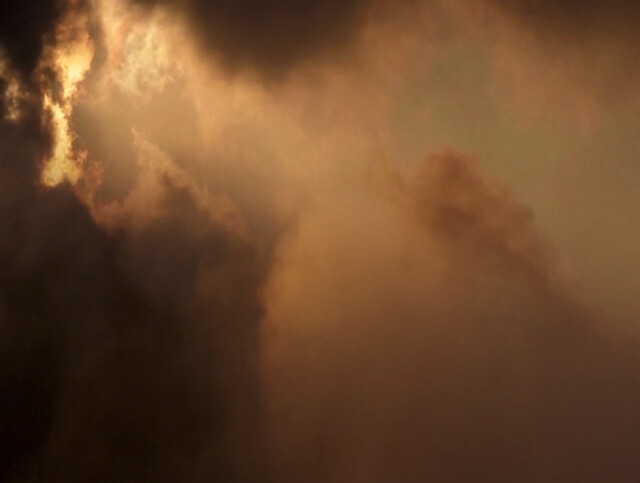
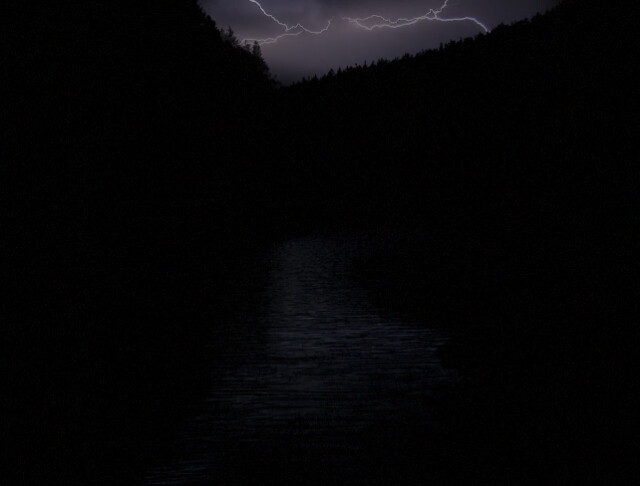
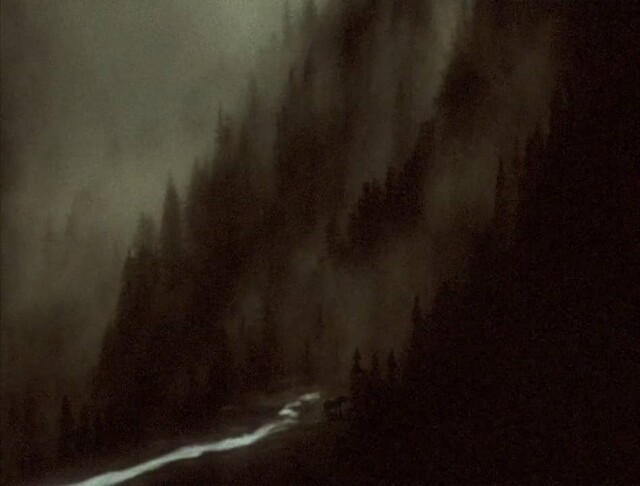
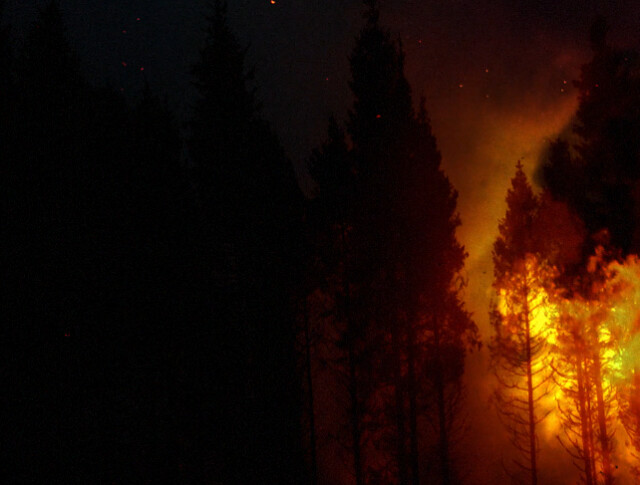
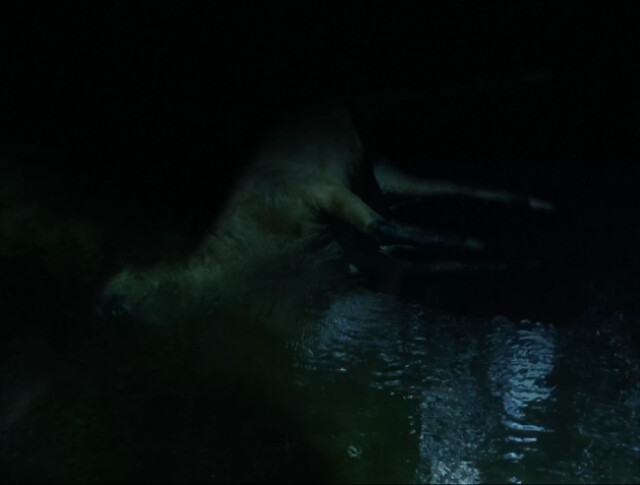
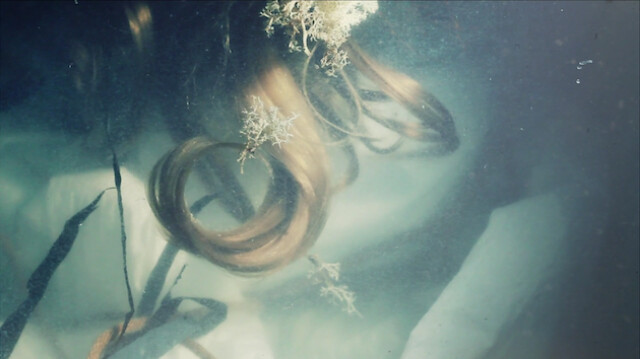
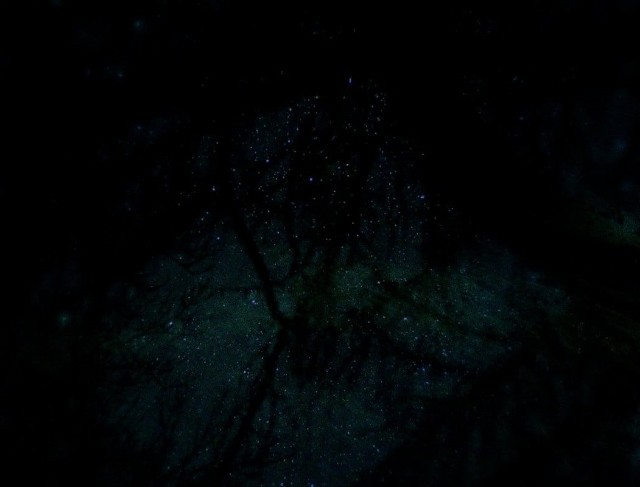
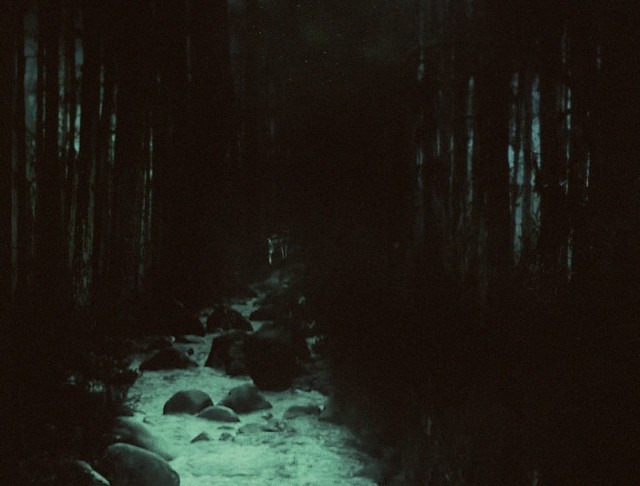
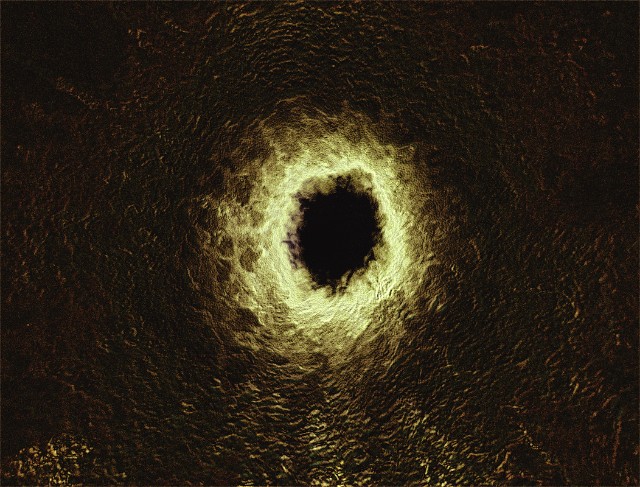
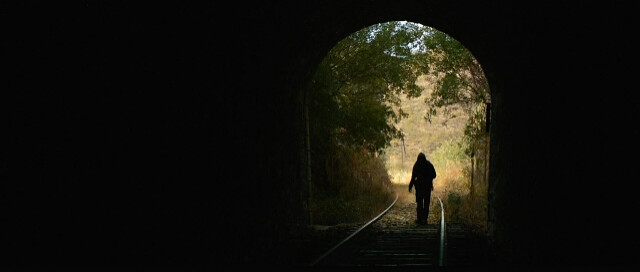
Here is without further ado, my second interview with Scott Barley, accompanied by stills from Sleep Has Her House, courtesy of the filmmaker.


The texts in the beginning that starts with “The shadows of screams climb beyond the hills…” Can you tell me the origin of that poem?

Despite not consciously thinking of it at the time that I wrote the opening, I think that Thomas Pynchon’s, Gravity’s Rainbow was a big influence. It’s the opening line. Ever since reading it, it has remained with me like a scar – “A screaming comes across the sky. It has happened before, but there is nothing to compare it to now.”

I also work in a stream of consciousness way, and don’t overthink what surfaces in my mind. I go with what feels right, always.
1
In our previous conversation, you talked about being lost in your work and only later you understand the meaning of a particular work that you’ve done. You talked about the importance of polysemy. I am wondering if there was any difference in your approach doing Sleep Has Her House, a feature that has to sustain a greater length and structure than your previous work.

I was conscious of that, and it frightened me for a long time whilst making the film. But it came to a point where I just decided to no longer be guided, or rather, to be anchored by this fear. Ultimately, I made Sleep Has Her House exactly the same way as I have made my previous, shorter works. I feel my way in the dark. I feel what feels right, and never question it, and never deviate from it. I feel, and feel alone. I love not being fully in control when making. I want the film itself to have its own autonomy as it is being made, and for it to always be a few steps ahead of me. I want it to give birth to itself. For me, making a film is largely the same as watching one. You must not resist. Once you let go, you are no longer a captive. Just let it wash over you like an ocean. Swim with it. Drown in it.

I think that my approach is more visible in Sleep Has Her House than any of my previous works, partly due to the longer running time, but also because of the stronger presence of the liminal, the mystic, and the unknown, which I feel took root with my short film, Hunter (2015), but is also there much earlier, in works like Nightwalk (2013) for example. All I am doing is going deeper, darker, and narrower.
5
Guessing from your images, those locations in Scotland you filmed have otherworldly beauty. What is your relationship as an artist with these places?

My heart is, and always has been in the Highlands. I have family there, and it’s where I feel most at home of any where I have been. Working in these landscapes and tenebrousness is a way of articulating and sharing my biophilia and nyctophilia. It’s also about sharing an aloneness with others. As Nathaniel Dorsky said, ”Sharing aloneness with other people is a great answer to loneliness.”

We must remember the difference. And in another sense, it’s about re-establishing a relationship with what we as a species have lost; what we have ignored, taken for granted, or destroyed, and how our attempts to control nature is a folly. We are guests in Her house.
4
How many days and nights have you spent filming up there? Do you usually travel and film alone?

For Sleep Has Has Her House, it was shot over the course of 4 separate days throughout 2015 and 2016; one day in the Brecon Beacons of Wales, and 3 days of traveling around West Scotland, with around 16 months of post-production in between. It seems ridiculous, seeing that in print, but that's how it goes.

I have traveled with others on occasion, but I always work alone, apart from some university projects, where having a crew was mandatory, i.e. Shadows (2015), Ille Lacrimas (2014). I am not against working with others, but as my work becomes more personal, I have found that my own process which I have developed does not easily permit communication and collaboration with others, as I don’t always know myself why I choose to do something a certain way. As I said before, I always go with my feeling, and trust that. I traveled with a friend and colleague whilst shooting some of Sleep Has Her House, but I worked completely alone. Every part of the process, whether that is concept, shooting, editing, or sound-design is performed by me alone. I think filmmaking, genuine art-making, regardless of whether you're working alone or with a crew is always a solitary endeavour – you are pouring your soul into something. It can be lonesome. And it can hurt.

As Emil Cioran said, ”Write books only if you are going to say in them the things you would never dare confide to anyone.” The same applies to filmmaking. And I would add, you put into your work what you would never even dare to confide to oneself, or even wish to understand. It is not a reveal, or a "pouring" of logic, it is nothing but a deluge of pure, unadulterated feeling; feeling alone. And pure feeling cannot and should not be translated into rational thought.
3
I am astonished by the fact that it was all shot on iPhone. Can you tell me the process from capturing those images and how it morphs into the final piece?

Firstly, I should probably mention that I always begin a film almost like one would keep a diary. I have no idea, or agenda to make a film. I simply document. I shoot what attracts me, random things, animals, variances in light, the water, the stars; simply what draws me in on different days, different nights, in different places. Once I have built up a body of footage, I start to see connections. These pieces of footage could be taken months or even years apart – and miles apart too. Just like in Hunter (2015) there are sequences in Sleep Has Her House which are comprised of shots filmed in two separate countries that are then invisibly stitched together. But these connections between different pieces of footage all happen organically. I never force these connections. I never force a film when it doesn’t come. The films find me – not the other way round. When they come alive and start to writhe, I simply hold on. All my films have been made this way. Some happen quicker than others. Once these connections are established, a narrative - through images - begins to germinate.

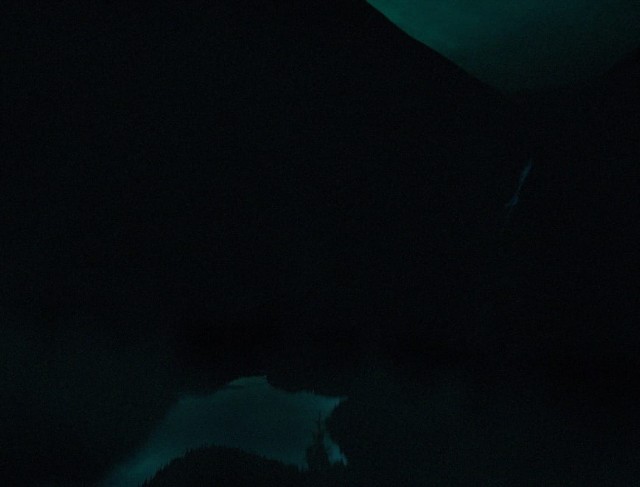
Sleep Has Her House was roughly 90% shot on my iPhone, the rest being made up of some drawings I did about 5 years ago whilst studying fine art, and some more recent DSLR footage. All of that was then superimposed together. Some shots, such as the 12 minute take of the sun setting in real-time, followed by the darkness, and finally the storm corrupting the night is comprised of nearly 60 layers of footage in 2K resolution. It took two months for that shot to render.
2
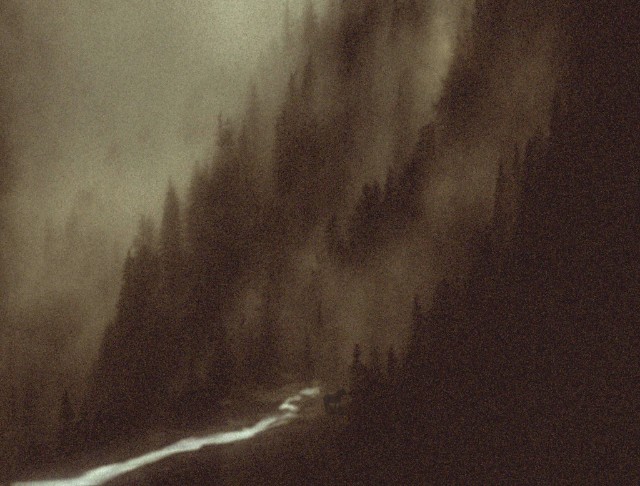
One mesmerizing shot after another, Sleep Has Her House is a truly hypnotic experience. But the techie in me was wondering as to how you accomplished the look of those images. For instance, those incredibly long waterfall sequences where we very slowly pull out to reveal the full extent of the landscape in the darkness. Or the scene of mist rolling over the forest and the trees change their colors.

Thank you. I hope you don't mind me saying, but just like the films themselves, I think it is best to be kept in the dark. Once we objectify, once we understand – we kill.

There was one visceral moment when the rainstorm passes through and from complete darkness comes the frightening (yet beautiful) forest fire which made me jump out of my seat! Even though the film is finished and obviously you are alive to tell me that it’s done, at that moment, stupidly on my part, I was very concerned about your safety and well being. Can you tell me about that experience?

As Michael Haneke said, “Film is 24 lies per second at the service of truth, or at the service of the attempt to find the truth.”
The fire is complete fakery, something that I composited, but I’m very happy - from your response - that it seemed genuine.
6
What do you think about in the middle of the night alone in the forest?

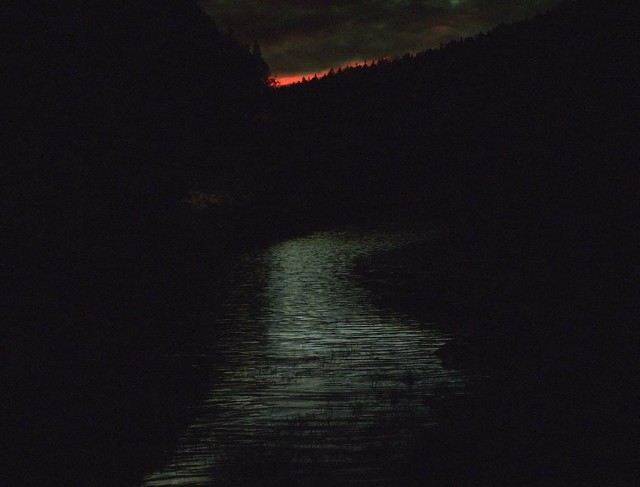
I think about the weight of the dark. Rather, I feel it. The heaviness. Sometimes you can feel the heaviness of the night. The dark - on different nights - has different colours. I feel its heaviness most when it is red or green. I do not mean that the colour of the night is red, or green, but I feel a colour around me. It absorbs me. It goes from the air into my core. Sometimes, the night has a hunger. It devours everything. In these moments, everything is unknown to me again. I listen. I hear. I feel the air. I feel the earth. The only thing I know is the earth under my feet. Everything is elsewhere. I am a child. I think about the same things that I try to show in my films. I think about all the things that are beyond me. I sense things dancing within the dark, out of reach. They disarm us. They seduce us.

I remain quiet. I remain still. Sometimes, I close my eyes, and I try to dance with them.

Sleep Has Her House has world premiere on streaming flatform, Tao Films, please visit their website

My 1st interview with Barley in February 2016

Saturday, December 31, 2016
Solace in Darkness: Scott Barley's Sleep Has Her House

Sleep Has Her House (2016) - Barley
Screen Shot 2016-12-22 at 6.51.38 AM
Screen Shot 2016-12-22 at 6.49.31 AM
Screen Shot 2016-12-07 at 10.05.23 PM
592953425
Screen Shot 2016-12-07 at 10.11.42 PM
There are images that can't be described even with all the adjectives in the world. Regarding film as a sensory medium first and foremost, experiencing Scott Barley's short films has awakened in me the deeper appreciation for the medium like no other. Now the prolific young artist comes up with his feature length work, Sleep Has Her House. And I was privileged enough to experience it before it premieres on Tao Films, an independent film streaming website on January 2017. In experiencing SHHH, awe becomes loneliness becomes concern becomes fear becomes dream. It was the most magical and visceral film experiences I've had in a longest time.

I'm a big fan of Jean-Luc Godard's use of nature shots in his films. His use of nature - water, sky, sun, trees, reiterates that there exists a greater power. And it balances out what we are presented with, in characters and their earthly musings in scattered non-plots. It puts human existence into perspective. In Barley's work, nature, often shown at night, reflects the inner-scape of the artist. However grand and beautiful his images are, there is a familiarity and coziness to them. In Barley's world, an inner-scape and an outer-scape are one in the same. It's his ability to internalize his surroundings that is truly remarkable. Darkness can be a scary and frightening place. Embarking on SHHH might conjure up the image of a Saturn eating his own offspring at first. But once you take a leap and plunge into his shadowy, slowly moving images, the beautiful, mysterious yet familiar darkness envelops you and sucks you in. There is an ebbs and flows to SHHH, like a piece of fine music, like a taste of complex whiskey. Just like a typical narrative, there is beginning, middle and end. There is even a literal thundering climax too.

"Night is for everyone, therefore more democratic," says one of the characters in JLG's Hellas pour moi. Indeed. Darkness hides our imperfections, our sins, our true self, therefore everyone is equal. But in Barley's hands, darkness is our most comfortable, safe place to be- where you can be most honest and true to yourself. Alone, together. We watch his work in the dark, alone. Yet sharing the experience of being alone, we find solace in darkness, together. Alone, together. Loneliness I feel watching in Barley's work extends to the thought of what it must be like - Barley himself as a filmmaker, alone in the woods at night. Alone, together.

I've said too much already. SHHH needs to be experienced firsthand. Hope you will have a chance to experience the dark melancholia of Barley's world too, in front of a slightly glowing computer, between a headset in darkness - your head space, your inner-sanctum, your coven - so we can cobble up our fraternity of having experienced being alone, together. And it's a beautiful thing.

Monday, December 26, 2016
Blowing off Steam

Nocturama (2016) - Bonello
la-rentree-tres-politique-du-cinema-francais-ok-thomas-r,M366202
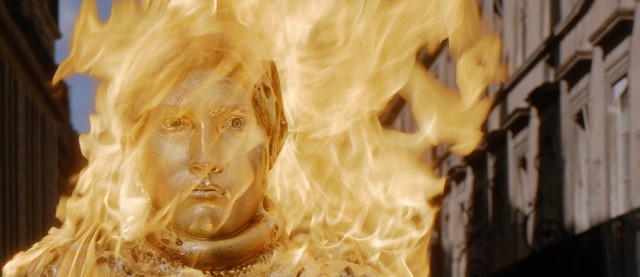
Breakfast Club meets Dawn of the Dead. Bonello's controversy seeking cinematic stunt is all looks and no substance. First half is unbelievably tense, almost silent film as a group of twenty-something Parisians orchestrate terror attacks and an assassination of political and economical targets (head of HSBC France, a big glass office building, Ministry of Interior and the gold statue of Jean d'Arc). After most of them successfully retreat to their meeting point - a large lux department store, things slow down significantly. As they have to hole up the night. A bit hesitant at first, then they try on brand name clothes and drink wine while dancing to bad rap and electronica while avoiding the news on the big screen TVs. Are they avoiding their inevitable doom or are they that clueless?

Adele Haenel makes a cameo, to deliver the line Nocturama is build upon, in the middle of the film as a girl on a bike in the middle of the night, as David, one of the babyfaced terrorist sneaks out of the department store out of boredom to smoke a cigarette, runs into her and talks to her. "It had to happen. And now it did."

In the wake of the Berlin terror attack and the assassination of Russian Ambassador in Turkey, Haenel's statement surely reflects the mood and tension of not just France but the whole European continent. It's the anger and frustrations being bottled up not only in immigrants but every single Parisians, Bonello tells us, as he fuzzes up these young people's motivations or directions. But then again, Nocturama is just an abashedly entertaining, slick moviemaking. I wish Bonello reflecting the mood and violence on the street in this movie is the extent of bottled up anger and blowing off steam are true and the extent of it. If only. But we all know that the world we are living in now is much darker and much more sinister place, unfortunately.

Friday, December 23, 2016
My Top 10 Favorite Films of 2016
Yes, another year has gone by. By all accounts, 2016 was a shitty year. Many of my idols have passed (too many to count). And the election...I have no comment.
On the contrary, wow, what a year for cinema it has been?! So many good films all around. And what year for women filmmakers! Maren Ade, Andrea Arnold, Mia Hansen-Løve, Kelly Reichardt, Lucile Hadzihalilovic -- all were top of their game this year. Hopefully the real world will catch up to the cinema world and start being awesome, one would hope? So without further a do, I present to you my favorite films of 2016, please click the titles for full reviews:


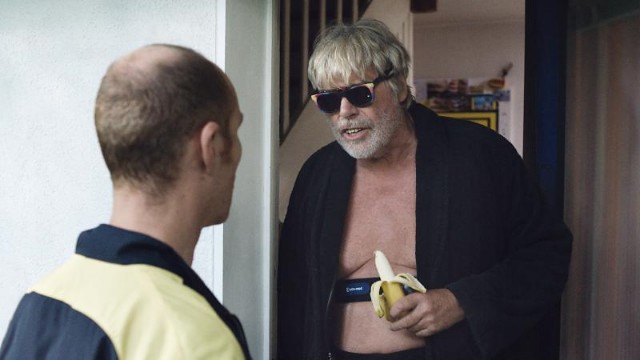
1. Toni Erdmann
toni-erdmann-ftr_r1_1
Perhaps the best written, funniest dramedy ever that strikes the right chords on every level. Touching and wise and true without ever being corny. Maren Ade is a great talent and a terrific writer.

*My interview with director Maren Ade & stars Sandra Hüller and Peter Simonischek

2. American Honey
CqERaMkW8AAH2cu
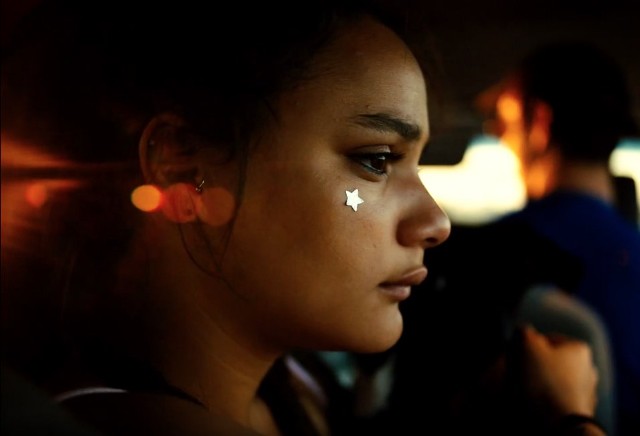
Energetic and powerful. More than any other film this year, American Honey is a through and through director's film. Borne out of improvisation among non-actors, Andrea Arnold paints small American Dream that still sees the possibilities of hope in a barren, ugly Americana . She even makes Brando out of Shia LaBeouf which is no easy feat.

3. La academia de la musas/Academy of Muses
353793_tmdb
Guerrin does it again- blurring the line between what's fiction and what's real, making a delicious concoction that reaches far into the possibilities of cinema.

4. L'avenir/Things to Come
Screen Shot 2016-11-27 at 10.57.15 AM
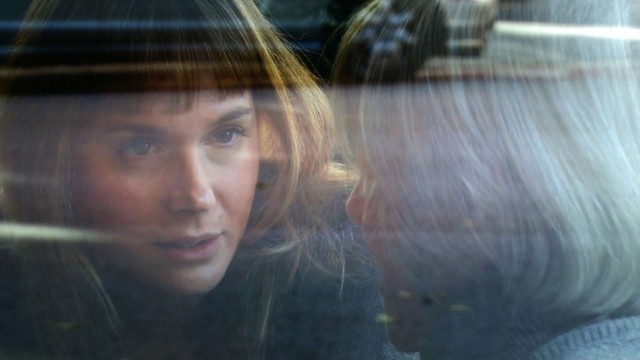
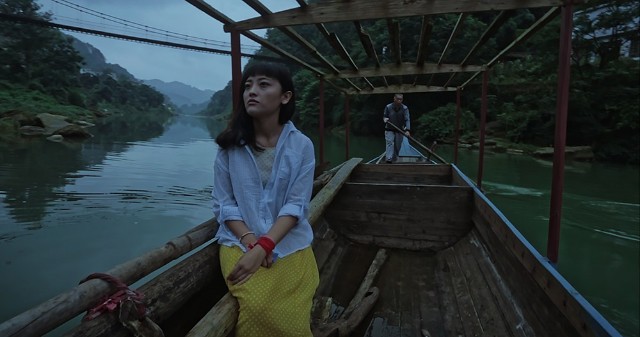
After watching L'avenir, I came to realize that it's a Hou Hsiao-Hsien movie starring Isabelle Huppert. Another marvelous observation of time passing and of course, Huppert in the center. What can anyone ask for more?

5. Elle
CxjxyWrWEAAhFzI
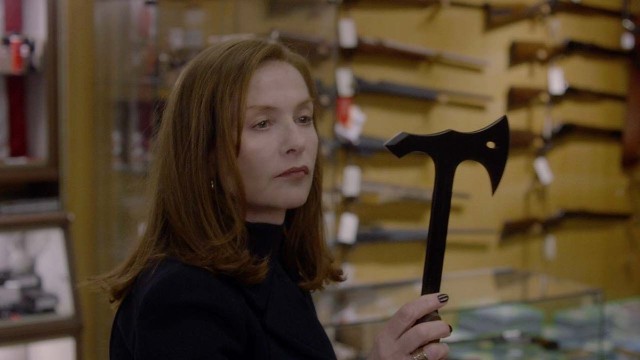
It should be noted that Isabelle Huppert is quite possibly the best actress ever to grace the silver screen. Verhoeven's always been an interesting director but no one gave him credits for how deft of a director he was. Elle proves that he is one of the best working directors, in Hollywood or else where.

6. Cemetery of Splendour
WZss8midvvsfGvtHByTRVf-1200-80
Beautiful, low key yet playful. The Thai master does it again.

7. Mountains May Depart
festivals_mountainsmaydepart
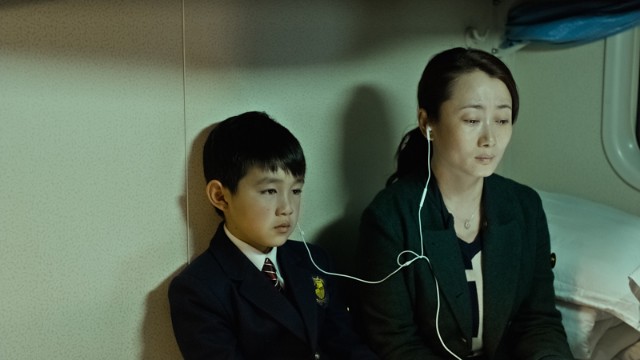
Poignant, aesthetically bold, Jia Zhangke is still the best working Chinese director today.

8. Kaili Blues
pagaille-dans-les-salles-parisiennes-ou-sont-les-films-d-auteur,M315852
A real surprise of the year. Mature, audacious debut of a major talent. Can't wait to see what Bi Gan will do next.

9. O ornitólogo/The Ornithologist
Screen Shot 2016-12-17 at 11.18.32 AM
One of the most audacious, playful film of the year. Love to screen this in a threesome along with Christopher Honoré's Metamorphoses and Alain Guiradie's Staying Vertical as the renaissance of queer cinema of today.

10. Neruda - Larrain
Neruda - Gael García Bernal
Pablo Larrain emerges as one of the best contemporary directors with Neruda. Smart, well versed in cinema history and creative. Neruda exemplifies what Larrain can do with the narrative while not losing sight of the medium's main objective- an entertainment for the masses.

and the rest...

11. Trois souvenirs de ma jeunesse/My Golden Days

*My interview with director Arnaud Desplechin

12. The Lobster

13. Evolution

*My Interview with director Lucile Hadzihalilovic

14. Certain Women

15. Right Now, Wrong Then

16. Aquarius

17. Death of Louis XIV

18. La Peur/The Fear

19. Bacalaureat/Graduation

20. Neon Demon

Wednesday, December 21, 2016

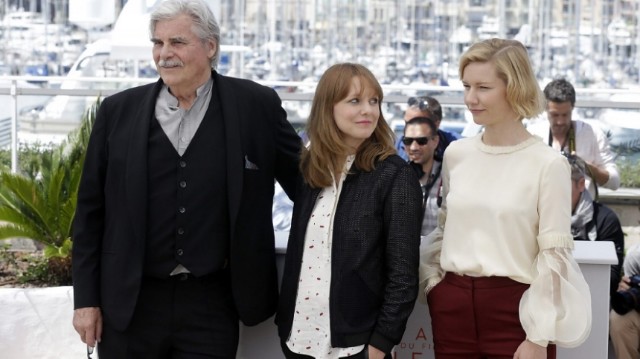
Interview: Maren Ade, Sandra Hüller and Peter Simonischek on Making Toni Erdmann

MV5BYWJlYmZkYjQtYTNhZi00MTdlLThjZTUtMTM0ZDc2MTAxZmQ2XkEyXkFqcGdeQXVyNDkzNTM2ODg@._V1_SX1777_CR0,0,1777,999_AL_
Toni Erdmann, a German dramedy about father-daughter relationship that won rave reviews at Cannes this year is coming out in theaters on Christmas day here in the States. This exceptionally written and acted film is director Maren Ade's third feature. It's a perfect holiday movie, packed with full of surprises and uproariously funny moments. I've never had a this much fun at the movies in a long time. It is definitely my favorite film of the year.

I had a pleasure of talking to three principals from the film- writer/director Maren Ade (Everyone Else), Actress Sandra Hüller (Requiem) and Peter Simonischek (October, November) when they were in town for New York Film Fest this October. They were a raucous team- speaking over one another and finishing each other's sentences. There lively demeanor, comradery and bad jokes filled the cold hotel room in Upper Eastside with laughter and joy.


My first question is for Maren. It’s been quite a while since your last film. Everyone Else/Alle Anderen came out in 2008. How come it took a long time for you to do another film?

Maren Ade: I didn’t spent all of the time doing Toni Erdmann, but let’s say about 5 years or so. It took a while to write it and to research it. It’s also pretty long. And I became a mother and had two children in between. I know it’s actually it’s not a good excuse. (laughs) 


But I really worked a lot for this. It’s just a film that had so many different topics…for me it was a big luxury because I never had to leave a certain phase of happiness doing it. I mean, only thing that would bother me sometimes is that it’s ‘always the same thing’ over and over. It takes time to shoot and edit and do all these different things but at the end, preparing for Cannes, I couldn’t even look at it anymore.

How long was the process for you guys?

Sandra Hüller: About a year.


Peter Simonischek: Yeah about a year, maybe a little longer.

MA: Yeah we started casting in May and we started shooting in June the next year.

It’s funny because from my limited knowledge of both of your work, you’ve done some serious stuff. I’ve seen October, November with you Peter and of course, Requiem with you Sandra. So it was a complete surprise for me to see you in very comedic performances.


PS: I’m more of a theater actor. I don’t have an impressive film career per se. I didn’t do horrible, shitty things--

(Sandra and Maren start to laugh)

But I did things like TV series 20 years ago. The thing is, there are not many opportunities - there are not many good roles or directors…and everything must fit. In a small country like Austria, there are not many opportunities…

MA: But you did comedies in theater, no?

PS: Yes. 


SH: He is much more familiar to comedy than I am.

PS: Yes, I did a lot of comedies too. When I went in to theater fifty years ago, I never thought of doing TV or film, I just wanted to go on stage. Maybe I did 5 or 6 good films but the rest is middle measure. Maybe two or three bad ones.

How was the casting process? How did you end up with these two?


MA: It’s a father-daughter dynamics and I believe in casting very much also. I obviously only invite actors who are good first. But often it’s very important how the constellation is, even when two people are just seating next to each other, a story comes in your mind. So sometimes it's really about suitability. Sandra and Peter were the last combination I tried but I knew right away that I would cast. They had different partners before. I was very excited to bring them together. Actually even before you two met, I thought it would be a good constellation.

SH: That’s not what she told me. It took like 3 or 4 weeks.

MA: No.

SH: Yeah yeah, you took a lot of time to decide.

MA: No it was not that long.

SH: Ah ok.

MA: I swear to you it wasn’t more than 3 to 4 days

SH: Let’s not fight.

MA: Ok. Between the first casting and the next one it took some time but--

SH: But not after we got on board--

MA: yeah.

What did you guys first think about the script when you guys first read it?

PS: After I read it, I said, "my god what’s this?"

(everyone laughs)

I thought jeez, this is wonderful and so crazy and so great. It’s so extravagant and out of the ordinary. I was very curious who the writer was. I am at this big theater and others had read the script and then they called me. Everyone was like, “Did you read this?” “Oh god it’s great, let’s do this!”

Everyone who read the script was elec-- how do you say it? Electrified? So I took the invitation for the casting. It’s not usual for my generation of actors doing auditions like that like everyone else because of our age and so on but it was never a problem for me. I had some bad experience in theater working over agreement without auditioning. Horrible. I’ll never do that again.

SH: We also needed to find out whether we could work together.

MA: Yeah that was very important.

SH: Also because it was such a long shoot (3 month) for a German film.


MA: It’s not always clear that two actors who can get along together and what kind of performance can they get out of each other. I mean--

PS: It was the very very first lucky experience for me. You (Maren) and you (Sandra). It was absolutely fantastic. It would’ve been very very sad after the first casting together and then if you said to me ,”I’m sorry Peter but it won’t work”. I was very disciplined with my emotions and said to myself, “she will tell me, maybe or not.”

How about you sandra?

SH: Well… no I wanted to work with Maren for few years. I did an audition for the last film she did but I didn’t get it. But I really wanted to work with her. When I read Toni, I knew it was a good script and really enjoyed it but thought I couldn’t do it. it was too complicated and the whole business world was so strange to me. But then we had a conversation and we started the casting process and then I learned some things about Ines that was really interesting to me. It was a big challenge to shoot such a long time and I was doing theater and I had a child who was three at the time and I know you said it was an excuse but--

MA: I know!

SH: It was a really difficult situation in my private life. So I wasn’t really sure but we found out that we worked very well together and we’d probably have a good time together for three months.

Ines is a very cold and business like. And the things she talks about in business jargons I didn’t really get. Was there a lot of research involved?

SH: Maren did a lot of research. I knew nothing of that world. I’d find it interesting to meet those people of my generation who’d do these things. In the beginning, I’d create a map like you’d do in school with the CEO on top, like a tree. I was never interested in that world before. Now I think I can read the economy section of the newspaper.

(Peter claps loudly, another laughter from everyone)

It was important for me that the film really spends some time in the work environment because it was so important to Ines which is basically her life. We all spend our lifetime with our work and in films it’s often so reduced. Usually it’s boring and hard to find a story there. So it took us a while to find a project I can take over from a consultant that we met and we transformed it to fit the story better. It was necessary for me to have an example that really existed.

Was it difficult for you to play that part of Ines?

SH: Yes it was because it was really far away from my own experiences. You can attach yourself to a character in an emotional way. But almost in every scene she makes decisions that I wouldn’t have made. I’m much more sentimental than she is. I had to learn how to skip some of the impulses I have in the first place. But I liked that. I learned a lot from her. Sometimes it’s best not to do what you feel like to do and sometimes it’s better.

Yeah, I had to read a lot and had to watch some movies about this kind of business. Really. there are some really nice documentaries, like Work Hard Play Hard and stuff, where you can see the same kind of body language that they all have that doesn’t say anything about their personal lives. It’s really crazy but also interesting to find out.

It was interesting to me. For me, the movie is about people putting on some sort of a mask to function in the society: Ines has a very cold façade because she has to present herself like that in that environment in order to survive and Winfried is confronting her with another façade which is snaggle toothed Toni. Because she has a role that she needs to play and it’s not natural, so the father is putting on the mask himself to kind of offset that.

It is interesting that there is also a generational gap that’s going on, not only the German society but in general, that there is a rift between the hard working, go getter type of Ines’s generation and kind of happy go lucky of Winfried generation. I am wondering if that was intentional take on your part?

MA: For me he is a typical post war generation who was very political and who was fighting a lot for human values and raise their children with that in mind. They had a kind of hostile relationship with the generation before them. They believed in the free world, world without borders and also economy without borders. And now it ended up with globalization where rich is really rich and poor's really poor. But he lost Ines to that world that he preached. She has all those values that her dad taught her but she is using it in a different way in her business world. She is independent, she is determined but still curious about other things if she’s given a chance.

For me it was the feeling that I have that in my generation that things became so complicated, we don't know who to blame, who’s responsible and for what. It’s complicated to tell who’s a friend and who’s an enemy- there are so many angles on everything.

It's like the father stands for the system of values that is almost like an island that is slowly sinking. We are not allowed to see things like that anymore. It was much simpler back then.

I don’t want to give an answer to the question. It’s just something I felt when I was writing and reflecting on my thoughts.

It’s not like the father is teaching her how to live but it’s more like father reminding her what’s already inside her - that the fun part is already inside her. I thought the turning point for Ines to show her funny side is not in the Whitney Houston scene (even though that is a fantastic scene) but even way before that when she is having sex with her lover. That her father brought out something in her with the unfortunate pastry incident.

SH: 'The Pastry Incident'. I’m gonna write that down!

I never saw it as teaching. I’m still too close to Ines, I don’t know. But they are fighting with each other actually. It was a challenge for both of them. When they are sitting in the kitchen in the beginning of the film, she asks him, “What are you gonna do with your life, except playing with whoopie cushions?" or whatever. So it was an invitation for him to think about what he wants to do with the rest of his retired life. And he comes up with this character and he can do anything, like a superhero. I don’t know. So It’s not that she is only learning from him. I think it’s both ways.

MA: I think it’s also got to do with deciding what is happening by accident and what is on purpose. His purpose was to be close to his daughter. He was at a dead end and he didn’t know how to communicate with her. So if you had asked Winfried- this is always a question that I ask myself, if I could really get an answer from the character, He would’ve said, “Yeah I didn't know. I just went in the bar and I thought we maybe could talk again and she comes in the limosine and we’ll have some fun with my Ines and that's how it would end.

PS: "The flight was cheap."

MA: "The flight was cheap. I missed the flight back!!" (laughs)

He is also giving that answer at the end. He doesn’t believe in what he did before. He doesn’t even know what he gave her. He doesn’t even understand what the outcome of that naked party was. I mean he still has the feeling that he owes her an answer to that.

Was it difficult for you to play basically two characters?

PS: It was one gig to play two.

MA: Actually you play a bad actor. And that’s a good thing. That's some thing you said during the production that you are playing one character.

PS: Sure. One person. Winfried. He disguise himself as Toni to be funny and risky. It is a very courageous thing to do for a person who is not an actor. Not bad. But not only in the shop where nobody knows him but he acts in front of colleagues of Ines and also in front of her boss. Not bad. "But this is not your daughter." Pfffw.

MA: It was really interesting to direct that because it’s forcusing on what good acting is - is it not real enough or good enough or bad enough, or good-bad acting, you know?

SH: It must’ve been really tough for Peter because if you look at his personal journey- he is Elvis and…everybody else all at the same time. Winfried wasn’t really allowed to do that.

PH: There were a lot of possibilities for sure.

MA: We did go, some times, the full way, really going overboard. And then we would pull back.

I see.


PS: Shopping center (starts to laugh to himself, shaking his head)

MA/SH: Yeah.

SH: In there Peter played very American version of Toni. The Texas version.

(They all laugh)

PS: You see, really, it was a lot of fun.

Why Romania?


MA: Why Romania?

Yeah, why Romania? And did you guys enjoy shooting there?

MA: Umm, yeah it was very nice place and we had very good team there. It suited to the story because there are a lot of multinational companies in Romania. After the end of communism, there was a big sellout and everyone was trying to get something out of the country. I was interested in this hierarchies of German companies in Romania.

**
I don’t want to make a comparison but there is a Romanian movie the is out playing at the festival as well. Bacalaureat/Graduation. I haven’t seen it yet but From what I hear movie also deals with father-daughter relationship.

MA: Yeah I want to see it.

If it was a Hollywood film, it would’ve ended when father and daughter embrace each other in the park.

SH: Yeah tell me how would that look like?

MA: who plays who?

Probably like, the late Robin Williams and I don’t know Kate Mara or someone like that. They would hug and that would be the end of the film. But this doesn’t end that way. It goes on. I found that interesting. Did you want to make a point that the life goes on, that it’s not a big life-changing, revelatory experience and everyone becomes happy and whatnot?

MA: I don’t believe so much in big transformations or 'you have to get over yourself' or something. I mean they are possible but not for a film. The time frame of the film is too small. You know what, this is such an obvious moment to put the credits. I did try it, just as a joke. I knew I would never end a movie like that but just to prove that it is really wrong, I did it. It was so stupid. It would been so disappointing because it’s simply not true.

SH: That’s what its about? It’s about hugging in the park in Bucharest?


MA: I also like that he is really struggling in the (Kukeri) coustume and she doesn’t see that. And he is alone. Because that’s not the end of the story. If it doesn’t end like that, in Hollywood films, they would meet 20 years later.

SH: They are all old and say to each other that they can share the secret then.

Toni Erdmann opens Christmas Day in New York and Los Angeles.


**Got a chance to see Christian Mungiu's Bacalaureat after this interview. It's another great film from Mungiu, sharply observing ordinary Romanians dealing with the country's monstrous bureaucratic system. But it's a very different film than Toni Erdmann. Although the film has a father-daughter relationship, their similarities remains on a very superficial level.

Monday, December 19, 2016

My Top 10 Discoveries 2016

This is more like a year end summery of my viewing habits. It pains me that I wasn't more adventurous this year and didn't dig deep enough to see more films, because it is evident that I watched more interesting stuff earlier in the year than later. I'll be more adventurous next year I hope.

Hunter (2015) - Scott Barley
3200254a-3a7b-4526-a62a-92dfbed96449_zpsr6wtr3b4
2016 started with a bang for me. In the KG Artist section at the torrent site, I discovered Scott Barley's work. Dark, mysterious and touching, his portrayal of beautiful loneliness deeply affected me. I've devoured everything the young artist has to offer. I contacted him and to my surprise, he responded and our correspondence resulted in an in-depth interview. There were other short experimental stuff I checked out too, notably:

Crystal World
(2013) - Pia Borg
crystal world2_zpsdetj4ha8

Then I watched
La Cienaga (2001) - Lucrecia Martel
tumblr_obo160iKlZ1r6kxjco4_1280
and I don't have to tell you how great it is. Lucrecia Martel is, borrowing an esteemed fellow filmmaker Christoph Hochhäusler's own words, "she is one of the world's greatest filmmakers working today".
Just like La Cienaga, there were certain well regarded films I've been neglecting to see for a long time, but finally visited and found their greatness:

Long Day Closes
(1992) - Terence Davies
51050a98-2865-4803-8224-2336472e4abc_zpsaxspigbh
The World (2004) - Jia Zhangke
d6469c56-0abb-45e6-8f3f-aa9b8f1206ac_zps8r4jkfzy
and
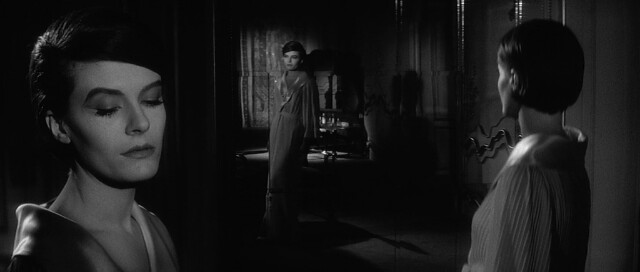
Last Year at Marienbad (1961) - Alain Resnais
Screen Shot 2016-11-20 at 6.25.28 PM
Great, all great stuff...

Found Garrel's self-reflexive artistry delicate and delicious:
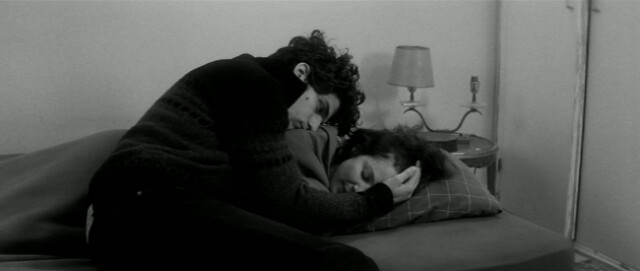
Jealousy (2013) - Philippe Garrel
f1f5811c-b579-4eb4-9fa1-389b0475c28d_zpsm7j0qt7z

Then there was the heady world of Alexander Kluge to plunge into
Die Macht der Gefühle/The Power of Emotion (1983) - Alexander Kluge
0e481f78-2518-471f-b8bb-5b3d4bd4ecd2_zpsdizwfetx
Der Angriff der Gegenwart auf die übrige Zeit/The Assault of the Present on the Rest of Time (1985)
Screen Shot 2016-12-15 at 9.25.44 PM

Also discovered the sensual world of Brazilian director Gabriel Mascaro
Ventos de Agosto/August Winds (2014) - Gabriel Mascaro
Ventosdeagosto_still_001_credito_beto_figueirora_300dpi

Then I dug into exciting world of Giallo and experienced first hand the sensual violence and the batting eyelashes of Edwige Fenech
abffcb2d-6a3d-4ced-98fc-d8ac4b297f1c_zpspo0i7482
and watched her in many giallos, especially in
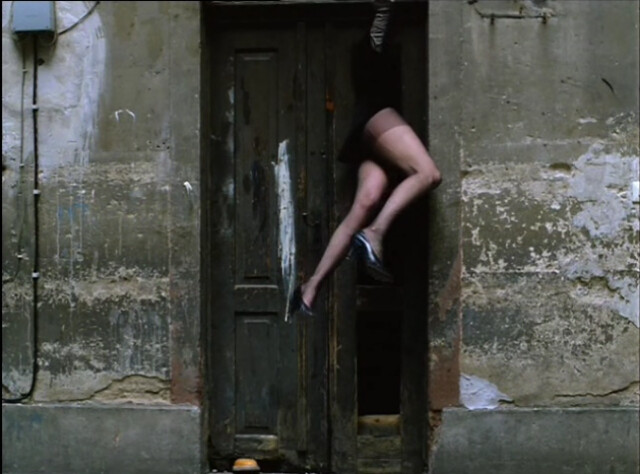
All the Colors of the Dark (1972) - Sergio Martino
99e2f782-d1b3-4bd4-9748-f0291e01bd91_zpsagjkwsgr
also discovered that trudging through a dozen notable giallos that a good giallo is hard to come by. Other notable ones (But not as good as All the Colors) are - Strip Nude for Your Killer (1975) and Your Vice is a Locked Room and Only I Have the Key (1972)

Saturday, December 17, 2016

Path to Sainthood

O Ornitólogo/The Ornithologist (2016) - Rodriguez
Screen Shot 2016-12-17 at 11.18.32 AM
Screen Shot 2016-12-17 at 11.19.15 AM
Screen Shot 2016-12-17 at 11.45.07 AM
Screen Shot 2016-12-17 at 11.25.26 AM
Screen Shot 2016-12-17 at 11.27.04 AM
Screen Shot 2016-12-17 at 11.29.22 AM
Screen Shot 2016-12-17 at 11.30.42 AM
Screen Shot 2016-12-17 at 11.31.36 AM
Screen Shot 2016-12-17 at 11.32.22 AM
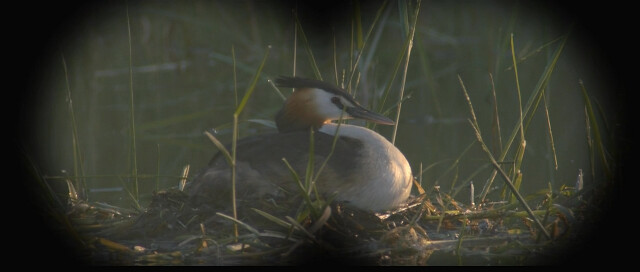
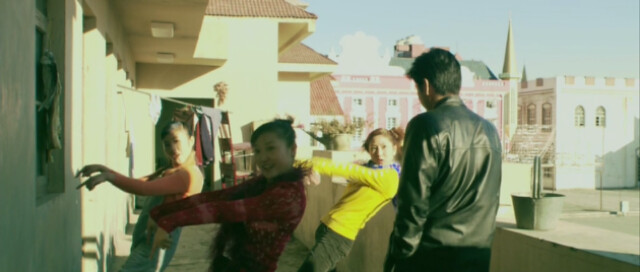
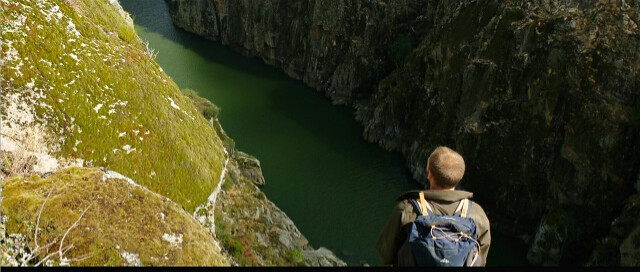
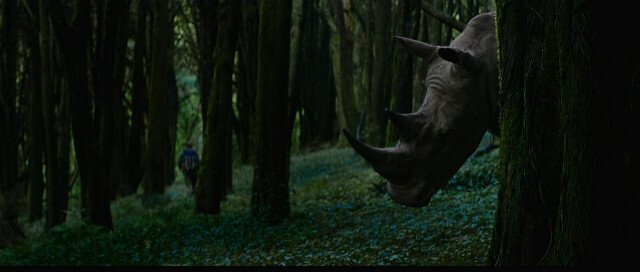
Portuguese filmmaker Joao Pedro Rodriguez's The Ornithologist strongly reminds me of irreverent, freewheeling cinema of Weerasethakul and Gomes. It tells a gay ornithologist's long and winding journey to self-discovery/sainthood in a series of misadventures while kayaking/hiking through the picturesque wilderness of Northern Portugal. Fernando is seen kayaking, observing rare birds through his trusty binoculars and communicating occasionally with his boyfriend through his cell phone. But the reception is spotty in the wilds. As he observes, there is a constant reminder that he is being observed too from the sky, the top of the cliff or trees, that this is not a one-way affair.

After his kayak hits the rapids and capsizes, he is revived by two chatty Chinese female hikers who are on a pilgrimage on foot to Santiago de Compostela, known as the St. James Trail. They are devout Christians who seem a little odd. There are a group of men in masks performing strange rituals in the woods at night and the girls ask Fernando to protect them and accompany them to find the way back to the Trail. But before Fernando realizes, these two 'crazy Chinese bitches' tie him up at night in St. Sebastian style to a tree and talk about castrating him in Chinese. He escapes at night and finds himself lost in the woods without a map.

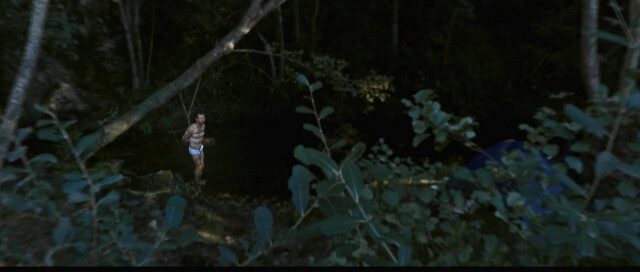
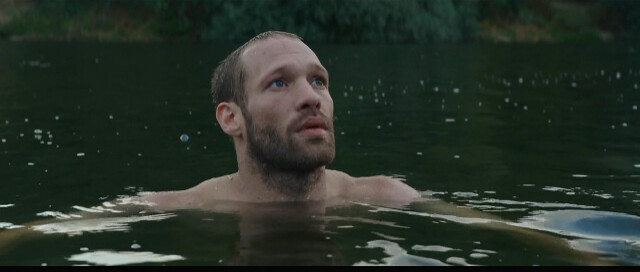
Fernando then runs into a baby-faced deaf mute goat herder named Jesus. After skinnydipping together, they have sex but one thing leads to another, he ends up putting a knife in Jesus's chest. By the time he gets his hoodie back and a having a knotted rope for a belt, Fernando slowly becomes looking more like a Jesuit priest. First with a white dove then encountering a lot of other animals (both alive and stuffed), and shedding his earthly attachment - phone, his pills, he is becoming one with his surroundings.

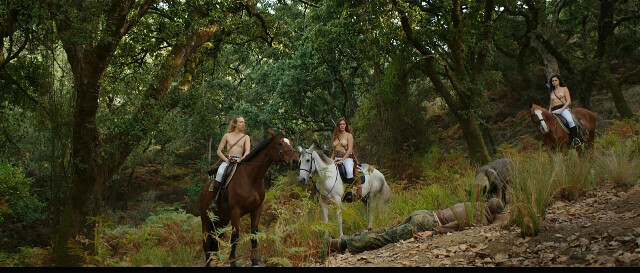
He then gets hunted by topless Amazonian women on a horseback, and meets back up with Jesus, or his twin brother who turns out to be a masked ritual performing man who had urinated on him before.

The increasing absurdity, punctuated by beautiful images of nature, this leisurely paced film is an intoxicating mix of madcap imagination and sensory cinematic experience that is truly hard to forget. It would make a great threesome with Honoré's Metamorphoses and Giuradie's Staying Vertical as examples of recent playful, eccentric and adventurous queer cinema at its best.

Thursday, December 15, 2016

Superfluous

Der Angriff der Gegenwart auf die übrige Zeit/The Assault of the Present on the Rest of Time (1985) - Kluge
Screen Shot 2016-12-15 at 9.27.41 PM
Screen Shot 2016-12-15 at 9.26.14 PM
Screen Shot 2016-12-15 at 9.25.44 PM
Screen Shot 2016-12-15 at 9.24.26 PM
Screen Shot 2016-12-15 at 9.20.52 PM
Screen Shot 2016-12-15 at 9.18.36 PM
Screen Shot 2016-12-15 at 9.19.45 PM
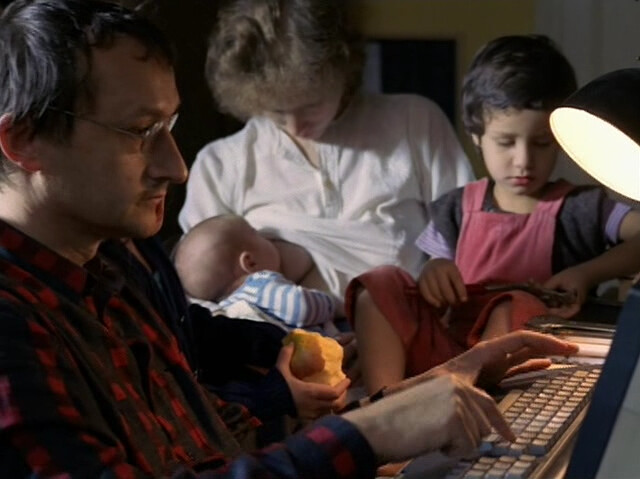
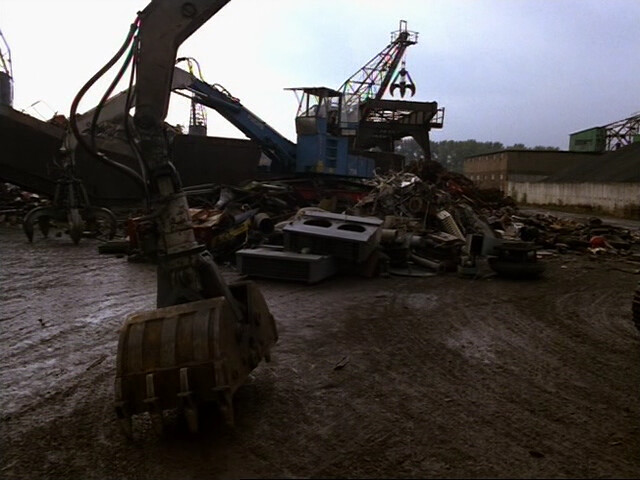
Just like his The Power of Emotion, The Assault is a jumble of short films taking on many different ideas. There is an interviewer pointing out a historian the stupidity of dividing world matters to 16 year intervals, a junkyard owner who get stumped by a philosophical questions about metal scrapes he's been producing, a chauffeur driving a businessman who makes a living making grave decisions all the time, there is a woman doctor who gets ousted by over equipped, mechanized, modern hospitals, a foster parent of an orphan girl hesitates giving back the girl to her opulent relative who doesn't really care about her, a family hooked on computer (internet), waiting for others to respond in front of it day and night and so on. The structure and method are pretty much the same as The Power of Emotions. There are operas, pinhole effects, narrator (Kluge himself) and stock footage of war and old movies. It's all heady stuff. People put too much emphasis on the present that they forget what came before it. They never learn from the past however atrocious it has been. We are always hurtling toward death anyway.

Kluge takes on cinema too. There is a bit about an old Polish couple in charge of The National Polish Film Archive, trying to save the place from Germans during its occupation by selling out their beautiful daughter to a German soldier. The last 1/3rd devotes to a story of a film director, played by Armin Mueller Stahl. He is struggling to answer why he is making a movie about a necrophiliac priest in the Middle Ages instead of contemporary stories. His eyes looking over yonder, he weakly responds that it's a love story, and that people weren't really capable of love in the middle ages. He turns out to be going blind and can't see his actors or whatever is going on in front of him. He has to rely on his assistants. There is a long sequence of a producer arguing over the phone, justifying why he needs to keep the blind director on the project. The reasons to keep him are just as good as the reasons not to.

The word that comes around frequently through out the many stories is superfluous. Kluge is an academical satirist who happens to make films. His films are layered and subtle. It never spoon feeds you with back stories or describing the motives of the characters and never laugh out loud funny. The film raises many questions about modern and often superfluous world we live in. I laughed out loud when he supposes that Film's been around only 90 years and it's superfluous, and maybe telephone will take over as a mode of communication. How right he was!

Poetic License

Neruda (2016) - Larrain
Neruda - Gael García Bernal
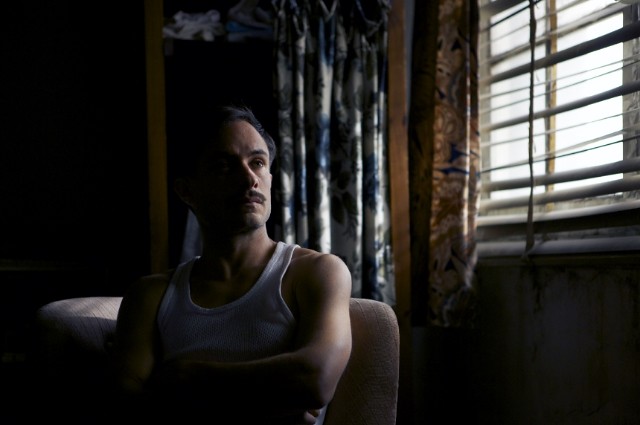
Despite its title, Neruda is not a typical biopic about the famed Nobel laureate and Chiléan national treasure Pablo Neruda, though it does feature the poet (adroitly played by Luis Gnecco) on the lam. But the film is more to do with the power of his poetry or, dare I say with a straight face, the transcendent power of art.

Neruda has all the ingredients of an 'award winning' film. Unlike all the heavy handed, self-important and mostly boring award winners, however, it floats around like a cloud while retaining all the artistry, elegance and poignancy without missing a beat. Immensely watchable and wildly entertaining, Neruda, along with his other release of the season Jackie, proves that Pablo Larrain has emerged as one of the major talents in contemporary cinema.

Neruda starts with a voice-over of a police prefect, speaking disdainfully about then senator Neruda. 'That fat communist,' he calls the poet. He is revealed later as inspector Oscar Peluchonneau (Gael Garcia Bernal). The year is 1948: Chilé elected Gabriel Gonzalez Videla a couple of years before, but Gonzalez betrays his radical left upbringing and starts hunting down his former communist friends, including Neruda, once his ardent supporter. Surrounded by his admirers and comrades-in-arms and his rich aristocratic Argentine wife Delia (Mercedes Moran) in tow, Neruda goes 'underground.'

Not willing to leave his beloved country nor give up his bourgeois tendencies -- visiting his beloved whorehouses and throwing wild parties whenever he can -- Neruda exposes himself to dangers of being captured and jailed, while Delia suffers quietly, locked in various safe houses. So begins the very loose game of cat-and-mouse between Peluchonneau and Neruda.

The hard as nails inspector has many close calls of crossing paths with the fugitive but the fat, bald man always sneaks away, always leaving the same detective novel for Peluchonneau to pick up. As the film progresses in its dreamlike, at times surrealistic way, both we and the inspector himself begin to wonder if he were a creation of the mind of the poet? Is he a mere supporting character in an unfolding narrative?

Larrain and writer Guillermo Calderón (Violetta Went to Heaven, The Club), with the help of fantastic acting from the entire cast, expertly move the focus from the famous historical figure to his art. Neruda is seen as a womanizing bourgeoisie, a so-called champaigne commie. But it's his beautiful poetry that captured the heart of the working class. Everywhere he goes, people ask him to recite his poems. From a drag queen in a whorehouse to a street urchin, to strikers and political prisoners, his poetry gives them a voice.

Sergio Armstrong (Young and Wild, No)'s fluid camerawork-- 360 degree long takes, plenty of anamorphic lens flares and full of light-- owns the film's borderline dreamstate quality. Shot digitally but with one 35mm anamorphic lens to have that old timey film look (more grains, soft edges), Neruda is definitely one of the most beautifully shot films in recent years that beckons to be seen on a big screen.

As Peluchonneau tracks down Neruda to the snowy Andes, the film takes another one of its many unexpected turns and becomes a metaphysical road movie - that it's not Neruda the person the inspector is after, rather, it's an idea of Neruda: a mirage or something unattainable, like his poetry, as it leaves your mouth and becomes something intangible but unequivocally meaningful.

Treading boundaries of reality in a free form that is unquestionably cinematic, Larrain achieves something very special with Neruda. It's a beautifully crafted film that feels completely effortless and airy. It is clever, playful and fluid yet not too showy, emotionally resonant yet not corny. It's a political treatise, yet it doesn't take itself too seriously. But it doesn't make light of the persecution and people's suffering either. Neruda is a great achievement in cinematic art form.

Neruda opens in the US on Friday, December 16.

Sunday, December 11, 2016

Death of a Revolutionary

abacus.a.102630541.lg
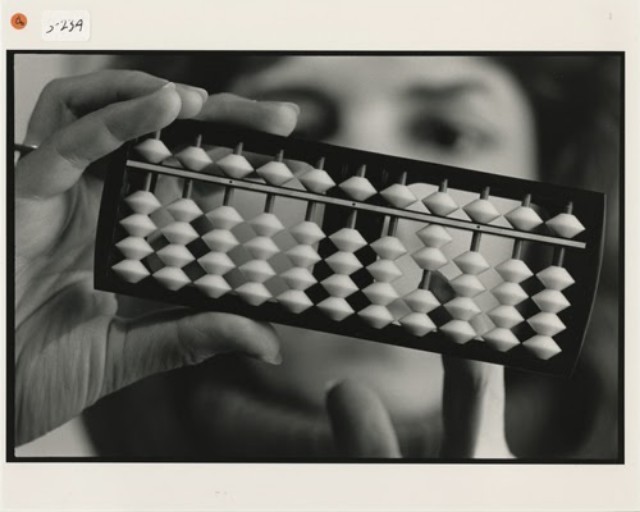
I was alone honing my pitching skills on the hill near my house by throwing rocks at empty soda cans. I used to do this after school everyday because I didn’t want to go to the abacus lessons. I mean we were living in a later part of the twentieth century. Who needed an abacus? Screw doing meaningless calculations. I had a future in major league baseball, not in being a grain grocer.

“Hey watch out!” Someone shouted. Before I got a chance to look back, a stray baseball from the other side of the lot hit me in the back of the head and knocked me down. I got up and retrieved the ball. Embarrassing. “Are you okay?” It was Jun, waving his glove from a far. I could tell that it was him because of his thick eyebrows. I nodded stupidly and threw the ball back to him.

Jun didn’t remember this when I told him about the incident when we were in class together in our high school senior year.
“I was intimidated by you back then, always looking sharp, hanging out with older boys,”
I was looking at a skinny, badly dressed teenager with a black eye. He just smiled. I remember these little things. I guess people don’t.
“Well, you like me better like this, right?” He said. And I nodded. Except for the black eye. I was worried about him.

Jun was around. A kid from the neighborhood. We went to the same elementary school. I don’t think we were ever buddy-buddies but we knew each other’s existence. He came to my mother’s clinic when he was sick. My mother knew everyone in the neighborhood. It came with the territory. She told me about Jun’s family; his family fortune dwindled when his father died in an accident when he was in middle school.

Being in high school, it meant only one thing- study day and night for college entrance exam. But the politics and what’s going on around the campus (our school was conveniently located right in the middle of the University Way, a cultural mecca and favored demonstration spot for college students), seeped into the classrooms. It was still dangerous time in Korea. Military dictatorship was still in place and dissidents were violently oppressed and persecuted. Student protests were daily occurrences. Molotov cocktails were thrown and tear gas lingered the street.

Even the teachers were divided. Young, idealistic recent college graduates were supportive of demonstrators. The older teachers just thought the younger ones were hopelessly idealistic or, worse yet, North Korean spies and communists! Study, they would say. Still want to take to the street? After the exam! If you don’t study now, you don’t get to go to good colleges and that means you won’t get good jobs and you will be a failure in life. Period.

Jun had become a studious fellow. He was one of the best in class. He excelled in English, Science and math but especially Korean Literature. He was a spelling champ. It was a well known fact that he was involved in student protests. There were times he would be called out of the class by some authority figures. And other times he would be absent. Teachers regarded him as a nuisance and would give him hard time. They picked on him and beat him- the practice was common when I was growing up. And they regularly called him a commie.

Mainstream media didn’t report missing persons cases that often. But there were always rumors of arrested college student demonstrators going missing and turning up dead, supposedly tortured by riot police squad. Most of us didn’t believe it until we saw some photos that were put up around our school by so-called agitators. A dead bloated body of a young man- one of the missing protesters, was fished out from a river. His eyes bulging out from a blackened face. The pictures were very disturbing. Couple days later they were taken down by the police. It wouldn’t surprise me if Jun had been involved in pasting those pictures up.

A lot has happened in the past seven years; Korean people democratically elected a president for the first time after a long military dictatorship, two of the former presidents were indicted of corruption and found responsible for the massacre of civilians with their roles in military coup, and then the end of the bubble economy in the late 90s. My mother told Jun that I am in town. He arranges a party for my homecoming. We hadn’t seen each other for a long time.
He is still living near where my parents live. I meet him near the bus stop. We ride the bus together, which is heading to the University Way. He’s aged. He got rid of his glasses. But his eyebrows are still impressive. 3 years of military service, putting head on the ground (military drill, where you do push-ups with your head and feet without using your hands) explains of his rapidly receding hairline, or so he says. All this time, I’ve been dying to find out about his revolutionary past. “You were pretty passionate back then, about things, “ “Like what?” He says. “You know, what was going on in the streets, demonstrations…” He waives off my inquiries as the bus turns on to a traffic jam. “That was long time ago, when we were young…” He trails off. Long time ago? When we were young? That is it? “It is important that you don’t give up what you believe in.” I say stupidly, He looks at me dispassionately. Then he looks away. It is an uncomfortable ride rest of the way.

Over unnaturally hot, cheap street food and Soju (cheap Korean malt liquor), a half dozen of us spew crass humor about women, making fun of our physical appearances and talk about good old days. But we never talk about Jun’s revolutionary past.