Wednesday, April 29, 2020

Capturing the Essence of a City in time of Chaos

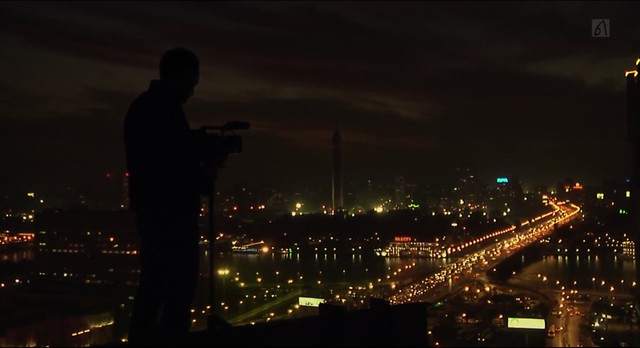
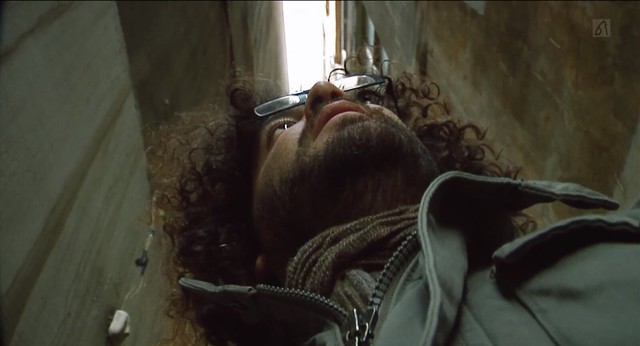
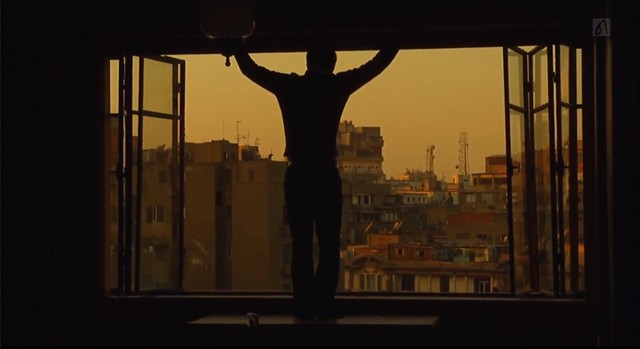
In the Last Days of the City (2016) - El Said
Screen Shot 2020-04-29 at 1.05.39 PM
Screen Shot 2020-04-29 at 1.03.02 PM
Screen Shot 2020-04-29 at 1.05.03 PM
Screen Shot 2020-04-29 at 1.03.46 PM
Screen Shot 2020-04-29 at 1.04.23 PM
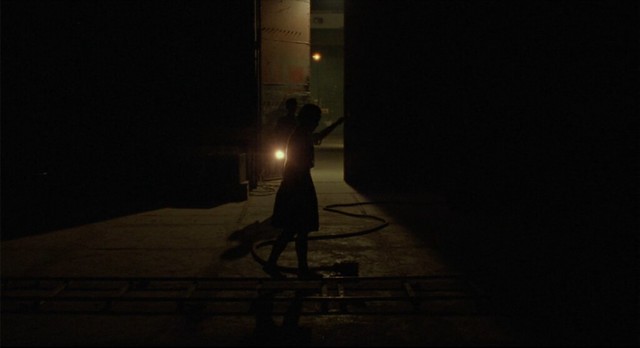
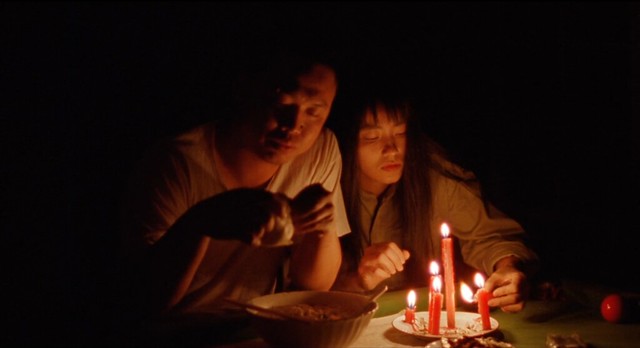
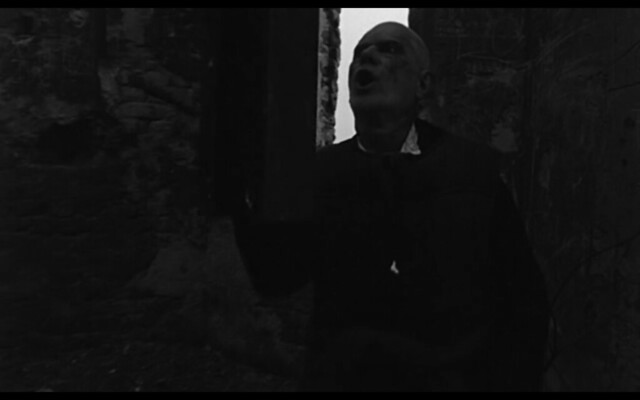
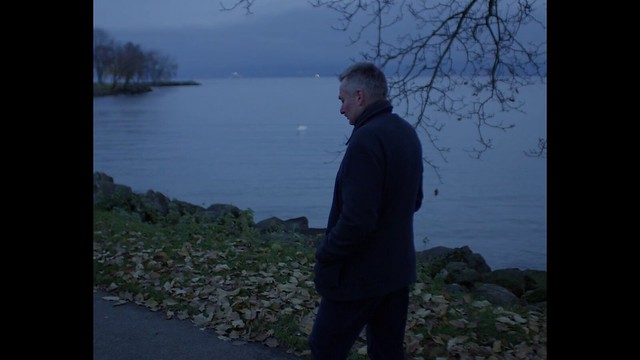
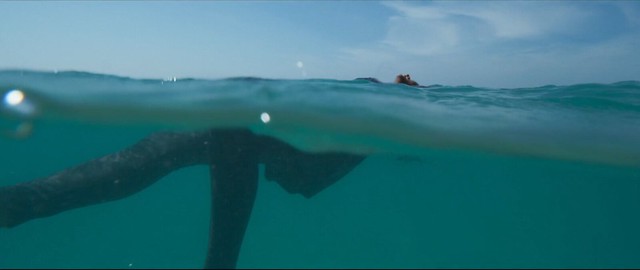
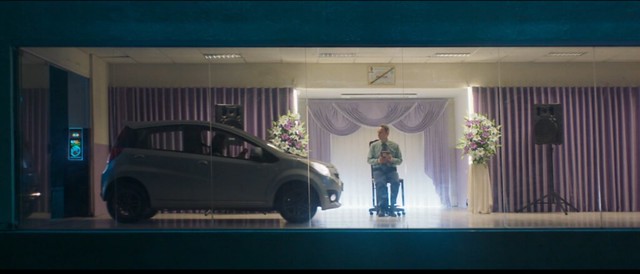
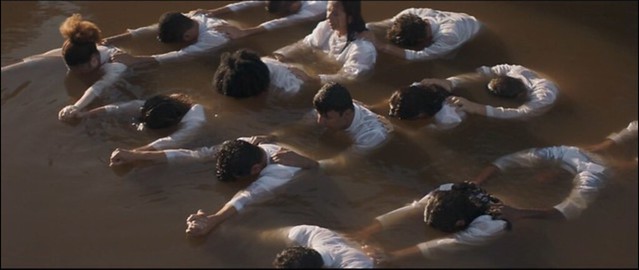
It's 2009. This is before Arab Spring, pre-Tahrir Square Cairo. Mubarak is still in power, but there is a change in the air in a largely secular city of nearly million. A filmmaker Khalid (Khalid Abdala) seems to be making a personal documentary. With a handheld camera, he is seen documenting and editing various footage - a teacher in a theater group, his ailing mother in the hospital, his friends, and the daily hustle and bustle of the city. It coincides with him searching for a flat because he needs to move out of the place he shared with Laila (Laila Samy), his ex-lover, who makes frequent appearances on those tapes.

His childhood friends, one from Beirut, one from Bagdad and one from Berlin, are in the city for a conference and they exchange their perspectives. They make a pact that they will exchange their footage. Khalid is having a hard time finding a new space and also working on his films leaving his real estate broker and his editor equally frustrated.

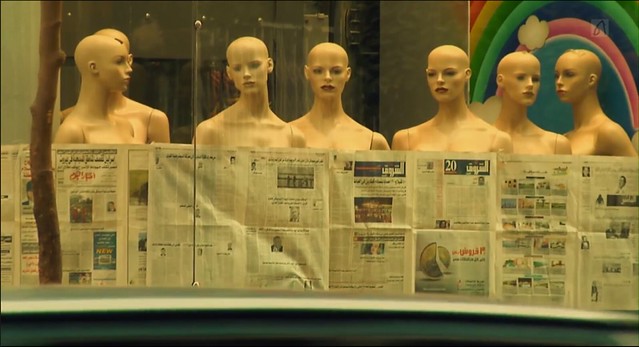
In the mean time, the world is changing before his eyes. The mannequins on storefront display with western style clothes to bare with newspaper covered to the head to toe black hijabs. Daily street demonstrations with nervous looking cops in riot gear watching them contrasts with government propaganda on the radio blaring in taxi cabs. The news of heated soccer matches between neighboring countries add to the general fervor in the streets.

I remember seeing a film Microphone by Ahmad Abdalla which was a love letter to Alexandria in 2010. I remember how vibrant and optimistic the film was and how devastating to see what unfolded in Egypt right after. In the Last Days of the City, captured in real time by El Said, but released in 2016, is a lyrical, contemplative time capsule across the Arab world that is at once personal, fleeting and heart breaking in retrospect.

This film was recommended by Hany Osman. Thank you Hany.

Friday, April 24, 2020

Childhood as an Epic

A Brighter Summer Day (1990) - Yang
Screen Shot 2020-04-24 at 4.22.16 PM
Screen Shot 2020-04-24 at 4.12.40 PM
Screen Shot 2020-04-24 at 4.13.37 PM
Screen Shot 2020-04-24 at 10.05.58 AM
Screen Shot 2020-04-24 at 11.51.13 AM
Screen Shot 2020-04-24 at 12.08.18 PM
Screen Shot 2020-04-24 at 12.10.13 PM
Screen Shot 2020-04-24 at 1.58.59 PM
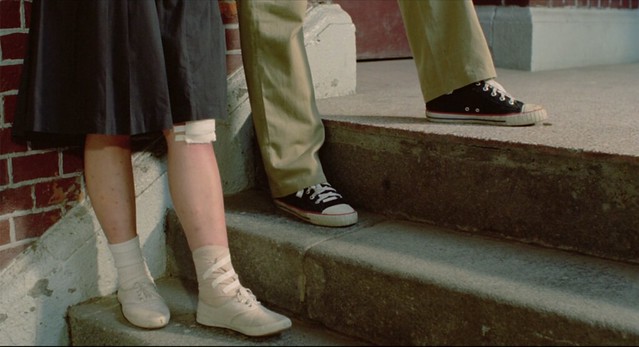
Brighter Summer Day my ass, it's more like Grimmer Sad Day. Edward Yang's grand tale of coming of age in 60s Taipei might not match the other 4 to 5 hour sweeping epic stewing philosophical meanderings about life, time and space (there's War and Peace mentioned a couple of times by characters), but I guess that's the point. Life of the ordinary people as an epic. And an epic A Brighter Summer Day is: an epic downer.

Our expectations would be different if the English title of the film was the same as its Tawanese title, Youth Murder Incident at Guling Street. Based on the real incident in Taiwan, which explains everything. But because it was based on lyrics from Elvis's Are You Lonesome Tonight?, and I had no idea what it was about other than vague notion of it being coming of age film, it was all the more devastating.

It tells a story of Si'r (Chang Chen), a 14 year old night school student embroiled in two gang factions in the neighborhoods and his family, as well as his friends, enemies and about 100 different characters. It's a sprawling, novelistic work that plays out like a good book. Si'r's friends belong to Little Park Gang and sings in a band that plays American rock'n'roll. He finds himself attracted to Ming (Lisa Yang), the girlfriend of Honey, the missing leader of the gang. She turns out to be a femme fatale of sorts and Si'r fixates on her a little too much it stops to be cute but obsessive. There is a story with his parents coming from the mainland China and his educated father being harassed and discriminated at work in context of complex Taiwanese history.

There's a lot of details in this film that are just gorgeous cinematically- the local movie studio next to the night school provides plenty of great cinematic moments, the Gang raid and sword fight in the pouring monsoon night also present some excitiing visuals.

Yang had a great understanding of using childhood memories and making it universal, that this is not some random violence but each one of us are capable of the violence at the end. A Brighter Summer Day is a rich, beautiful filmmaking that needs to be watched and appreciated.

Thursday, April 16, 2020

Misery Incorporated

Satantango (1994) - Tarr
Screen Shot 2020-04-14 at 3.30.03 PM
Screen Shot 2020-04-14 at 12.07.28 PM
Screen Shot 2020-04-14 at 3.37.32 PM
Screen Shot 2020-04-14 at 3.33.54 PM
Screen Shot 2020-04-14 at 12.59.06 PM
Screen Shot 2020-04-14 at 12.47.59 PM
Screen Shot 2020-04-15 at 12.18.16 PM
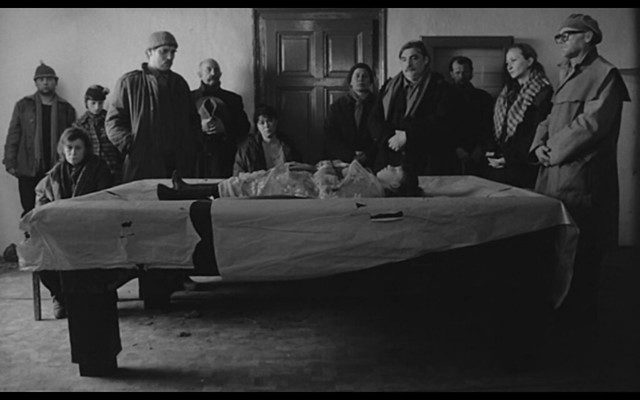
Bela Tarr's 7 hour 15 minute contemplation on individualism vs collectivism and power stretches beyond its initial take on the breakup of communism parable. In a very unsparing terms, Tarr paints a grim picture of human nature. Divided in 12 chapters, the film's narrative often folds into itself and start over, presenting a set of two different perspectives of the same setting or incidents- not for the different point-of-view but just to harp on the endlessness of its purgatory. This is satan's tango - two steps forward, two steps back. Repeat.

Satantango starts with a ten minute tracking shot of large cattle slowly moving about in the rain. It's late October and its never ending autumn rain has started. It's cold, muddy and unrelenting. This small farming village in rural Hungary is awakened by the ominous sound of church bells, even though the nearest church was destroyed long ago in the war. The village is in obvious decline physically and morally- the old houses are in various stages of disrepair, men are after each other's wives in public, everyone's drinking too much.... Also, everyone is scheming to take each other's share of money (from the farm collective?) and planning to skip the god-forsaken town and start over somewhere else.

There is a rumor going around that Irimias, the community's prodigal son, a wizard of some kind, who was presumed dead for two years, is coming back to set things straight. Things get tense and testy with the news. It seems everyone is fearful of this character. In the mean time, Irimias, out in some sort of parole, pledges to a local bureaucrat that he will work for them and report on the townsfolks. Some sort of a trickster, charismatic Irimias sets out to pull off the biggest swindle.

On the eve of Irimias's arrival, the townsfolk gather around in the only pub in the village to participate all night drinking, dancing and whoring binge. In true Bela Tarr fashion, this uncut/long take sequence is a mindboggling technical feat. This is where 'Satantango' takes place.

There is a long segment in the middle, involving Estike, a little girl who witnesses towns physical and moral decline. This could be a standalone film by itself. Neglected and abandoned, Estike takes her miserable existence out on a kitten, "because you are smaller than I am, I have power over you." It illustrates the whole theme of the film in no subtle terms. The prolonged torture sequence is hard to watch, especially for cat lovers like me. Estike with the dead cat tucked under her arm, walks endlessly in the rain, completely neglected, ends her life drinking rat poison.

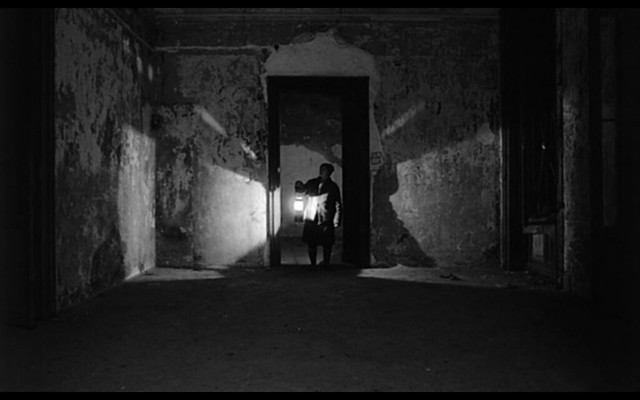
Estike's death provides a big summon from Irimias to the townsfolk. In awe of his charisma and in hopes for a new beginning, they give up all their money to him who promises a new life somewhere else. Everyone packs up their belongings and starts a long road to the destination that Irimias promised. After long, wet, muddy trip on foot, they arrive at an abandoned mansion. Disillusioned and angry, the infighting begins between believers and non-believers. Some ask for money back when Irimias finally returns. And he spins it around as a test of faith. His stinging criticism of their less than perfect characters is at once intimidating and persuasive, they end up giving back the money to him and put trust in him, even though some see that this is a con game. The news on their final destination - some sort of a beautiful manor where everyone's going to live is not ready, so in the mean time, they will each get a small allowance money and be set up for a job in some village. You a butcher in this village, you a church hand, etc. Except for one, Futaki, the village's designated cynic, all of them follow Irimias's instructions and go separate ways. The cattle mindset is a scary thing.

The village's obese doctor, who was left behind after being hospitalized and still doesn't know everyone left, hear the church bell and decides to investigate. It turns out to be some jingoistic idiot who's been banging on the remnants of iron beams in a ruined church. Everyone misheard it as a church bell or did they?

So, does Satantango warrant its 7 hour running time? I do admit that there is magnetic qualities in Tarr's images, especially when viewing the film in proper settings - on the big screen in the dark. I can imagine its power in theatrical viewing (I myself viewed it at home). His use of sound - always a mechanical hum in the background, dialog fading out when the camera moves away from characters are all very impressive. I can see the devout fans indulging long hours in the communal setting whenever it travels around in repertory theaters and regarding it as one of the greatest masterpieces of our time. But I still personally prefer Werkmeister Harmonies which came out 6 years after over this in exploring the same themes. Werkmeister is more concise(?) and impactful. Satantango's miserablist sentiment and its unrelenting pessimism does have its place. But nah, I don't see the beauty in it.

Friday, April 10, 2020

History/Story of Cinema and Us

Histoire(s) du cinema (1988-98) - Godard
Screen Shot 2020-04-10 at 8.25.23 AM
So one thing I am thankful for this time of worldwide pandemic, where we are witnessing our capitalist society slowly collapsing in real time, is it finally shoved me into watching the whole of Histoir(s)du cinema, Godard's monumental reflection on the 20th century and the role of cinema in it. It's been a long overdue, to say the least. Except for Numero Deux which Godard directed with Anne-Marie Miéville (1975), Histoire(s) is the precursor to all his later essayistic films. Clocking at 266 hours, although divided in 8 parts, it marks the longest among his films.
Screen Shot 2020-04-09 at 6.27.38 PM
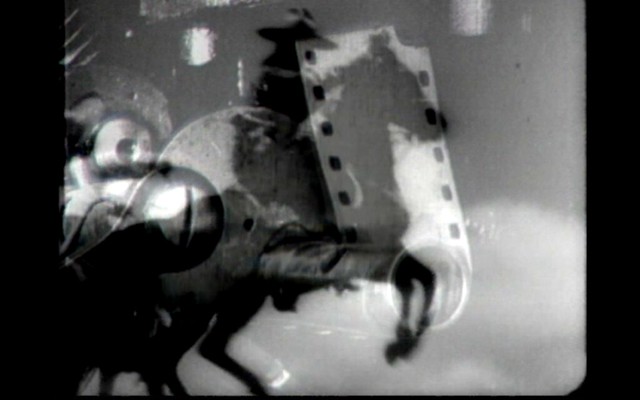
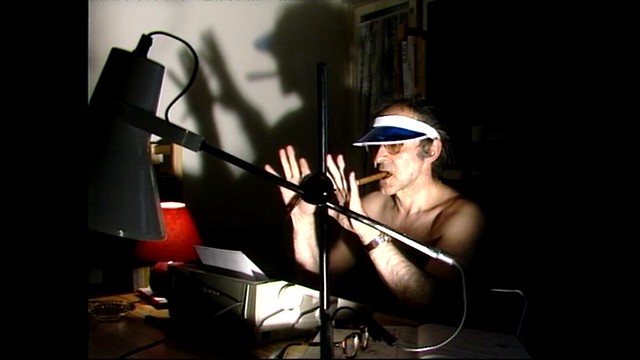
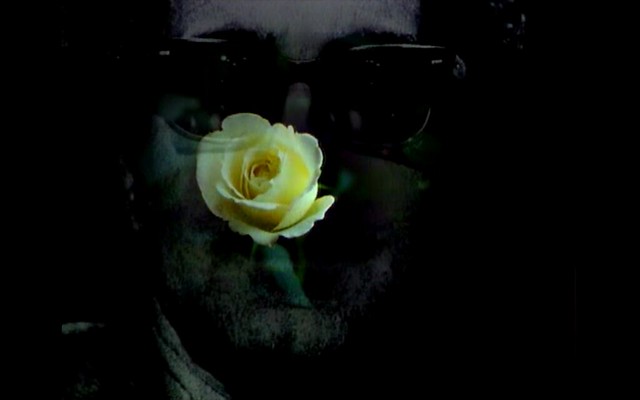
With a cigar permanently fixed in the corner of his mouth, his electric typewriter always roaring its plastic screech in the background and forever blinking images testing us with our persistence of vision, Godard sets out to examine the 20th century riddled with war and destruction and cinema's place within it, or shall we say, our place in cinema. His repetitive themes throughout the whole series is that cinema is neither art nor technique but a mystery. He makes numerous comparison with art and cinema throughout. The difference between film theorist and their books, Godard has been a 'camera-pen' of the auteur theory in practice, churning out these visual essays for almost four decades now.
Screen Shot 2020-04-09 at 6.06.20 PM
Screen Shot 2020-04-09 at 6.08.14 PM
Godard makes the convincing case with him being a French New Wave filmmaker and how that puts him in unique position to assess cinema history: Belonging to the Post-War generation, seeing enough films through the cinema's evolution and progression. Born out of the idea of image projection by a feverish Napoleonic soldier in Russian prison, Histoire(s) is also the (hi)story of French cinema.
Screen Shot 2020-04-09 at 7.10.19 PM
Godard's wordplay never stops. Besides the word histoire in French having two meanings (history and story), he dissects words and constantly rearranges them also. This project being started during the peak of video technology, he points out the implications of its terms - Master/Slave when describing master tape/file and its copies - the term we still refer in film post-productions and information technology. His assertion of the power of image throughout his filmography also hasn't changed - it seems, in Godard's mind, sequential shots of dead bodies in the atrocities of war and pornography reveals the duplicitous nature of cinema.
Screen Shot 2020-04-09 at 7.45.16 PM
In Deleuze's Cinema I & II, the philosopher makes a distinction between Movement-Image period and Time-Image period before/After World War II: and how Movement-Image oriented thinking gave rise to nazism and propaganda and ended up in the gas chamber. Time-Image concerns aberration of image and sound. And that more or less starts with Italian Neorealism which precedes French New Wave. Partly because they didn't have any reference point with total destruction of their surroundings, they had to think seeing images differently with sound as an independent partner, not just dialogue track. Obviously well-read, Godard knows this, and praises the films of de Sica, Antonioni and Pasolini because Italian filmmakers, with its long illustrated history and language, didn't remain silent during the war years (1941-45) and right after. In Cinema II, Deleuze also makes a point of the power of false; falseness in image, just as impactful but also dangerous. Godard says cinema is not entertainment nor communication device but rather cosmetics, a small industry of lies.
Screen Shot 2020-04-10 at 10.48.04 AM
Balkan War in the 90s really affected Godard and its continuation and repetition of atrocities since the war affirmed his cynicism toward humanity greatly and it show in the later part of Histoire(s). He continues to revisit the notion of 'newness of history' and 'history of news'. In the time of fake news, how do we see through all these falseness and dig out the truth? Godard seems to admit that we live in a corrupt state, but like poetry and art, cinema can see us through. And I really hope this is the case.

Wednesday, April 8, 2020

Technocracy

La France contre les robots (2020) - Straub
LA FRANCE CONTRE LES ROBOTS_1
This is a very timely text from 1945, as the whole world is going through dark times. You can watch it here in its 9 minute entirety. Well actually 4 1/2 minutes but two takes:

"The word 'revolution' to us Frenchmen is not a vague term. We know that Revolution is a rupture, that Revolution is an Absolute. There is no such thing as a moderate revolution, there is no such thing as a planned revolution—as one speaks of a planned economy. The revolution we are announcing will overturn the entire existing order or it will not take place at all. If we believe that the present system is capable of being reformed, that it can, in itself, check the fatal course of its evolution towards Dictatorship—the dictatorship of money, of race, of class, of the Nation—we will certainly refuse to run the risk of an explosion capable of destroying precious things that can only be rebuilt with much time, perseverance, selflessness, and love. But the present system will not change the course of its evolution for the good reason that it is no longer evolving; it is merely reorganizing itself with the view of lasting a little longer, of surviving. Far from professing to resolve its own contradictions, which are, in any case, impossible to resolve, it seems more and more inclined to impose them by force through strict regulation of individual effort that grows more rigid and more particular every day, carried out in the name of a sort of State Socialism, which is the democratic form of Dictatorship. Every day, in fact, brings us another proof that the purely ideological era has long since passed, in New York as well as in Moscow and London. We can see the Imperial English Democracy, the Plutocratic American Democracy and the Marxist Empire of Soviet Dominions walking, if not hand in hand—far from it!—at least pursuing the same goal, that is to say maintaining at all costs and even while appearing to oppose it, the system in which they have acquired wealth and power. For, in the end, Russia has profited no less from the capitalist system than America and England; it has played the role of the Member of Parliament who makes a fortune in Opposition. In short: regimes formerly opposed in ideology are now directly united by Technology. A world dominated by Technology is lost for Liberty."

Tuesday, April 7, 2020

Religious Hypocrisy

Divino Amor (2019) - Mascaro
Screen Shot 2020-04-07 at 5.20.06 PM
Screen Shot 2020-04-07 at 5.18.15 PM
Screen Shot 2020-04-07 at 5.24.22 PM
Screen Shot 2020-04-07 at 5.14.57 PM
Screen Shot 2020-04-07 at 5.15.38 PM
Screen Shot 2020-04-07 at 5.16.16 PM
Screen Shot 2020-04-07 at 5.19.26 PM
Screen Shot 2020-04-07 at 5.16.50 PM

It's 2027 Brazil. The country has gone full Christian fundamentalist. Gabriel Mascaro (August Wind, Neon Bull)'s version of it is all neon and electronic music. Joana (Dira Paes) and Danilo (Julio Machado) are a middle class couple. She is a notary public, working in a gigantic concrete government building and he is a florist, working in their ground floor apartment complex. They haven't been able to conceive a child even though they try every possible way and method (with hi-tech gizmos bought from China via mail). Something is wrong with Danilo's sperm.

They belong to Divino Amor/Divine Love, a Christian religious group exclusively for couples. It's a government mandated therapy/support group for couples who’s been having marriage troubles. It’s all nice and good on the surface but definitely has cultish air. They do trust exercises and also share partners in bed.

Joana, a devout Christian, using her position of power as a bureaucrat, has been discouraging couples who seek a divorce at her job. Her sometimes aggressive tactics don't sit well with her clients as well as her superiors. She also constantly visits a drive-thru church to seek advice from a pastor. These store front churches are everywhere in the future Brazil, lending an easy access to god. But god has been silent on her and her husband's prayers to have a child and therefore her faith is waning. Then a miracle happens. She is pregnant. But who is the father?

Mascaro, along with a fellow filmmaker from the region of Pernambuco, Kleber Mondonça Filho (last year’s smash hit Bacurau), takes on sci-fi genre to satirize the current political climate of Brazil. German director Christian Petzold once told me that his use of genre conventions in his films gives him more freedom in reflecting the current state of things. It also rings true here with the recent crop of Brazilian films, including Adirley Queirós’ Once There Was Brazilia.

But unlike over-the-top carnage of Bacurau, Divine Love is more subtle and downbeat, somberly reflecting on the life under the extreme right-wing, religious zealotry of Bolsonaro regime. Seductively photographed by Diego García (Cemetery of Splendour, Our Time, Neon Bull), the film is perfectly framed and its neon colors beautifully rendered. The film inserts in just enough details for us to see that the country has changed: women on the beach are wearing head to toe black garb - very much like burkini, every building, businesses and shops have customer identifying prompter at the door by their name, marital status and whether they are pregnant or not and there is no mention or show of homosexuality whatsoever anywhere. In true Mascaro fashion, sex scenes are very graphic and honest, but only limited to married couple or consenting adults, all heterosexual.

The film is narrated by Joana's child who might be born out of immaculate conception and just might be the savior people have been waiting for, but left nameless and unregistered, because of he is born into religious fundamentalist country once was known as most culturally, sexually, racially diverse country in the world, Brazil, less than a decade ago.

Divine Love is a quietly biting satire, brilliantly realized by Mascaro, a director who is operating on the highest level of artistry in every aspect. Do not miss this!

Saturday, April 4, 2020

Galician Fire

O que arde/Fire Will Come (2019) - Laxe
Screen Shot 2020-04-04 at 8.59.03 AM
Screen Shot 2020-04-04 at 9.24.39 AM
Screen Shot 2020-04-04 at 10.31.00 AM
Screen Shot 2020-04-04 at 9.27.53 AM
Screen Shot 2020-04-04 at 9.28.42 AM
Screen Shot 2020-04-04 at 9.41.29 AM
Screen Shot 2020-04-04 at 9.59.34 AM
Screen Shot 2020-04-04 at 10.07.09 AM
Screen Shot 2020-04-04 at 10.08.40 AM

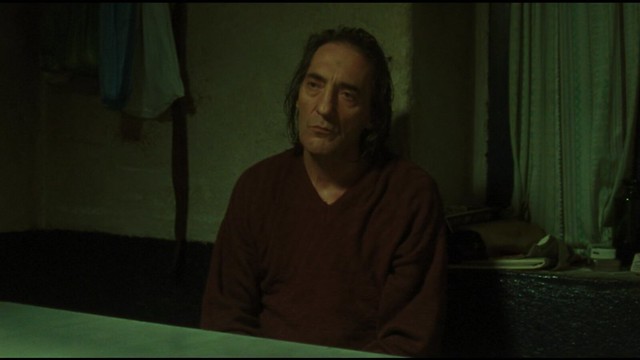
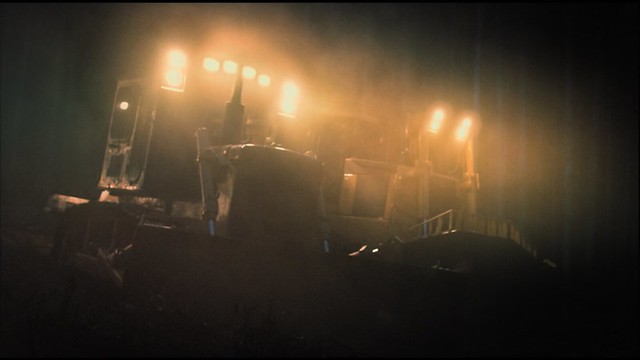
Fire Will Come/O que arde starts with startling images of bulldozers logging at night, as trees violently shake before they are ran over, out of frame. It's deep in the rural Galicia, a northwestern region of Spain. With a pair of glowing yellow headlights in the fog, these machines appear more like demons of the night, rummaging through forest, looking for their prey.

Amador (played by non-professional Amador Arias) gets released from a prison where he was serving time for an arson he committed. He is a quiet fellow, but has an ancient face that tells thousands stories. He is greeted by his old mother Benedicta (also non-professional Benedicta Sanchez) in her old cot. In his absence, she has been tending to her three cows and an old German shepherd named Luna. Amador’s coming home doesn’t seem to make any ripples in her routine at all. Almost in silence, they go on with their daily routine as if nothing has changed. It’s a simple life. There’s no electricity or indoor plumbing. And the life out here has been this way forever.

There are some young villagers trying to fix up an old cottage, once the pride and joy of their more prosperous past now left in ruins. They are hoping the tourists will flock to the region. It is obvious that it's a fool's errand - the whole town not realizing that the good times have passed them by. The world is changing and the old rural towns like this, whether they like it or not, is dying rapidly with everyone in it.

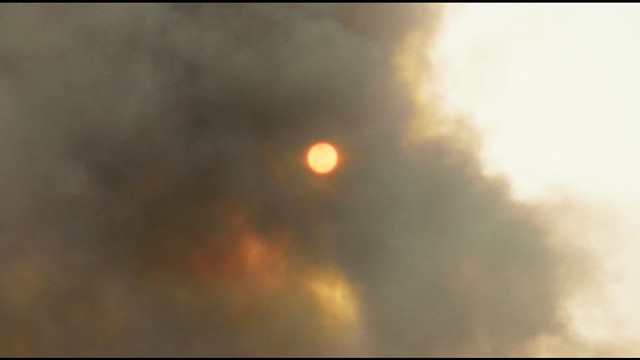
People lead their simple lives in this sleepy old hamlet. The news of Amador's return quickly spreads through village and some people are uneasy about the presence of the arsonist. Amador keeps to himself, tends to cows, make fire in an old school stove, checks on the mountain spring, which is the water supply for the whole village and tends to his mother. There is even a possibility of romance between him and a local veterinarian who tended to one of his cows. Then a forest fire happens.

Laxe observes his beloved Galician region and its people simply and quietly. The old way of living is rapidly disappearing. The notion of time is more visible in these parts of the world because it's close to nature. There is obviously an environmental message with clear-cut logging and our inability to deal with large scale disasters which will happen again and again, whether it's man-made or not. Nature doesn't give a shit about what we are or our feelings. It rings true now more than ever, as the American West deals with uncontrollable forest fire year after year, due to global warming which accelerates these disasters. The future can't exist separately from our past and present. The notion of progress is just repetitions, accumulations and intensifications of time as it circulates, suspends and speeds up. If our past and present don't look good, no matter how much 'progress' we make, the future isn't going to be sunny.

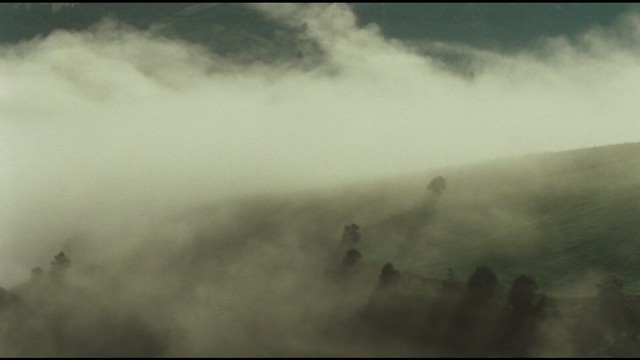
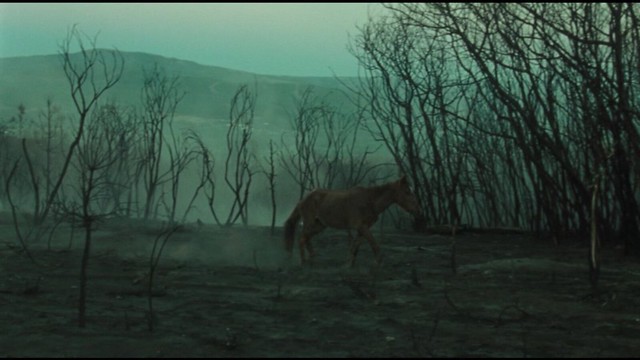
Fire, like time, is a great equalizer. Laxe here seems to be playing with this almost biblical theme. Fire Will Come gives us some stunning images of beauty of Galicia. We see Benedicta taking refuge in a hollowed out tree in the rain. We see Amador and Luna looking over the town from a hill up above, Amador walking home in the fog, an immaciated horse trotting in a burnt out forest.... His mix of naturalism and documentary style gives poeticism even in the scenes of forest fire and fire fighters combating it. The film is just as striking as Amador's serene face. It's just beautiful filmmaking all through out.

Friday, April 3, 2020

Many Faces of a Woman

The Party (2017) - Potter
Screen Shot 2020-04-03 at 10.42.02 AM
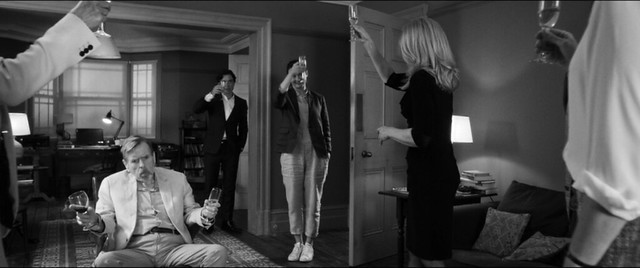
Sally Potter's big ensemble chamber piece The Party has a Thomas Vinterberg's The Celebration vibe. Both take place in a confined one house setting where its participants are exorcising their demons as the party/celebration progresses. But The Party handles it in a more mature tone; it doesn't put the blame on one patriarchal monster, instead, it spreads its blames around. And unlike unrelenting emotional manipulation of its Swedish counterpart, The Party, even with the plenty of cynicism and twists and turns, is uproariously funny and each characterization is superb, embodied by Kristen Scott Thomas, Tim Spall, Patricia Clarkson, Bruno Ganz, Cherry Jones, Emily Mortimer and Cillian Murphy. It takes swipes at every archetype - unemotional career-driven woman politician, an old predatory academic and a student, a foreign mystic, a raging venture capitalist, a cynic who has something terrible to say about everyone.

Potter's reflections on what it means to be a career woman is in full display in Thomas's Janet, a politician who just achieved her goal of becoming a minister, while neglecting on her own marriage. Clarkson shines as April, Janet's best friend and a designated party pooper, spouting cynical comments to everyone and everywhere. She is the realist counterpart of the idealist Janet. Her cynicism is her only defense from hurt and heartache and defeat in life. Martha (professor played by Jones) and younger chef wife Jinny (Mortimer) are having babies (triplets) but the difference in their social background and age and sexual orientation give plenty of challenges staying together. 

Men, on the other hand - characterized as a submissive supporter- 'behind every great woman, there is a man' type, an aging hippie whose ideas are in vogue again against topsy-turvy world, and a hot-blooded capitalist, huddle together on the floor, like a wimping animals surrounded by female 'hysterics'.

The Party is a sharply observed, fun chamber piece that highlights Potter as a fine writer of human experiences that only can be learned from first hand life experience.

Wednesday, March 25, 2020

AN EASY GIRL: Rebecca Zlotowski Interview

Zlotowski
Before everything went to hell with the COVID-19, I was prepping for attending Film at Lincoln Center's annual Rendezvous with French Cinema Festival as I've been covering it for Screen Anarchy for the last several years. I was even lucky enough to have a chat with lovely director Rebecca Zlotowski (Belle Epine, Grand Central) about her seductive new film An Easy Girl, starring a French tabloid sensation, Zahia Dehar. Dehar made headlines in 2009 in a sex scandal involving players in French National Footbal team. She was a minor at the time. She later used her notoriety to be an internet celebrity and entrepreneur.

A few days after our conversation, the citywide quarantine hit. With the movie slated to come out this Summer, tentatively, here I give you the interview with Zlotowski. Sharp witted and cautious, Zlotowski is a Scorcese-level fast talker. She is careful with what she says and fully aware of the limitations of giving fully formed, thoughtful answers in a 20 minute interview. But I thank her for her sincerity and professionalism all the same.

For those of us who doesn’t know who Zahia Dehar is, can you tell us tell us something about her?

I can’t. I mean, I can mention her backstory and it’s probably part of the reason I met her in France. But it is super interesting to me to see people not knowing the backstory.

Not knowing the backstory?

I mean, she’s been involved in…and that’s why I feel that, in a very modest way, because this film is a modest one about a very complex subject. But if you know her backstory, you can only see the top layers, the perception of her story being that she was involved in the very famous underage prostitution case ten years ago.

Right.

She’s been involved in this “moral affairs” and I think she still does work as a prostitute occasionally. But what she does in private is private. But yes, for French audiences, her backstory absolutely plays in to the film. Yet the fact is, she still inspired me to created a very poetic, literal character. It was part of the process that was interesting to me because it deconstructed certain archetypes and stereotypes that people are maybe not ready for it in France. But everyone is looking at this pretty, sexy French actress in a totally different way when I show the film here in New York.

You have a co-writer….

Teddy Lussi-Modeste. Yes he is a very strong collaborator and we have been working together a long time. A partner in crime. But for this one, I was writing in March, shot it in July and the film was in Cannes in next May. It was a very short process and very fast. Of course I had in mind the subject of the prostitution around the character in mind connected to her. But the thing is that the film was not about the prostitution at all but it was about transaction.

Yes.

That she can receive things in return for her sexuality. But it was done in a very sentimental and very light and sexy and funny way to support those two women, by having encounters and conversation like a normal civil life. Her sexuality is a tool for empowering and social climbing which is kind of difficult to admit, but interesting to write about, nonetheless.

When you were writing, the script, did you have Zahia as Sofia in mind?

Absolutely. Actually, she sent me a message in instagram. I was very confused that she even knew me. People are so narcissistic these days. (laughs) I just looked at her pictures and saw the way she talked and I never heard her voice before and I was surprised. The first thing that shocked me was the way she presented herself. She reminded me of a character from 1969. She was as naïve, as polite and elegant as people would have been in the 60s, using all the elegant words, not cursing or rude or self absorbed. She wasn’t being the character I wrote but she was already that character. There is a strong connection between this film and Eric Rohmer’s La Collectioneuse in the film's theme. That was the beginning idea of the film. I wrote it for her and with her.

You’ve worked with famous actresses before (Léa Seydoux, Natalie Portman, Lily-Rose Depp). How was it different working with two main non-actors – Zahia but also Mina Farid?

I was glad. Yes, to me it was very different not to work with people with strong solid acting background. I knew it was a responsibility to work with someone who is trying the first time. You have to give them advices. For instance, I had to tell them that the camera wasn’t on them, just for them to hold emotions for the next shot because they give you everything right away, so once or twice I had to tell them to look at the camera to remind them that this is a set and we are making a movie. For instance, I had to give them tips and advices that maybe a director says to an actress in the beginning of her career. So that was the only difference. The rest were the same.

Got you.

The same. Whenever you work with an actor or actress, working with them is a new language every time. I wish I have some magical method which I can use it on all actors and actresses but that’s not the case.

Mina Farid is great. How did you cast her?

It was in Cannes. So with my casting director, we set out to find a non-actor. It was tough because she also had to be young. I saw a lot of girls and some of them were very sexual. I wanted someone who was a little more innocent, a little shy about her sexuality because I wanted the film to be a coming of age tale, not a tale of sexuality. Maybe Jacques Doillon or other filmmakers I really love would have chosen someone else, chosen someone with more of a mystery to them, but I didn’t want to do that. I wanted to do a film about what’s happening when you are 15 years old and you have to choose a job in your life.

Right.

Do you think there is a generational difference in characters with all the technologies we have when you think about Prudence in Belle Epine (Zlotowski's first film), the film you made that takes place in the 80s, and Naima in An Easy Girl? You think it is more dangerous growing up with surrounded by all these technology - instagram, twitter, facebook and all that? Because when we were growing up, we didn’t have all that.

Danger? I think it’s a blessing for them. Of course you have terrible things like harassment and bullying and focusing on what people think of them. But what is changed is that there are so many possibilities for lonely people not to feel lonely anymore. I do not feel that as dangerous or threatening at all. When everything is bleak around you I think having all these technology is better.

The other side of the social media equation is this worshipping of rich and famous celebrity culture and being extremely materialistic. Do you think that has any impact on our youth?

Of course, but is it new? Is that really connected to social media? I mean I am a big fan of 60s Italian cinema where people are beautiful and wealthy and sexy and all that. Some of the actresses are saying, “Yes I am a little bit materialistic.” I do not have a problem with that. Everyone wants something different. Even if I am not materialistic, I am privileged enough to have something else that makes me happy. So if they want that, that’s their prerogative.

That’s how I felt at the end of the movie that Naima hasn’t changed much, that she is true to herself.

I didn’t want to punish her. I didn’t want the film to be moral about it. I didn’t want it to be judgmental. Of course she was disappointed at the end, but by the behavior in front of her. She wasn’t disappointed she believed in it and she took pleasure. The film is an ode to pleasure and freedom and adventure and fraternity between those girls.

One scene I loved was when Sophia was questioned by this old rich woman and it turns out she reads Maguerite Duras and she is well read and really cultured. Is that the case with Zahia Dehar in real life?

No. (laughs) But she is a cinephile and once or twice I was very surprised by very specific knowledge of films that she likes. I don't even know them. She is very into Chinese and Hong Kong movies. She watches a lot of movies and goes to movie theaters often. She has many surprising qualities.

At this year’s Ceasar Award, Adèle Haenel walked out of the ceremony along with Céline Schiamma when they announced best director award, which awarded Roman Polanski. Any thoughts?

It’s goig to be a very long conversation if we start that. I mean, I am very close to Céline, I am very much in support of their film, I am in support of the reaction she had, I don’t want to be judgmental and in my mind there is no pro- or anti-. But it happened and I am very glad that it’s generating a lot of discussions around it. The thing is that as an observer that the moment I am being very careful because I don’t want it to be written on your paper that I feel this way or that way, because it’s a very polarized moment. And when you can’t add the complexity to the subject, since we do not have ten minutes, my thoughts will be incomplete.

OK. I will leave it at that.

An Easy Girl played as part of this year's Rendez-vous with French Cinema and tentatively set to release this Summer.

Friday, March 13, 2020

BACURAU: Kleber Mendonça Filho and Juliano Dornelles Interview

Filho Dornelles
Flipping the idea of first world hegemony on its head, a Brazilian Western sci-fi genre mashup Bacurau is a campy, violent, funny, angry, energetic and carthartic film that is extremely enjoyable for both genre fans and politically minded. It is also perhaps the best film to watch in the time of world-wide pandemic as we begin to turn our attention to the safety of us but our loved ones and the solidarity with our neighbhors and community. That we are all in this together.

Bacurau is playing in Film at Lincoln Center and IFC Center in New York. Opens today in Los Angeles and national roll out will follow. Please visit Kino Lorber website for details.

I described this film in my review as batshit crazy. It was the most fun I had in movies in years. I was lucky enough to meet the film's co-directors Kleber Mendonça Filho (Neighboring Sounds, Aquarius) and Juliano Dornelles when they were in town for the theatrical release of the film here in New York. Our long interview topics ranges from the fate of the Brazilian film industry, genre conventions, Parasite to James Bond.

Filho and Dornelles are an interesting pair. Filho, more reserved and articulate, Dornelles, younger, animated and full of laughs and energy often finished each other's sentenses. It was the one of the most stimulating interview I've ever conducted. So without further a do:

Let’s go back to 2016 for a moment. The reason I am bringing up 2016 is that that was the year I saw your film Neighboring Sounds. Aquarius was coming out a little later that year. Then I saw Gabriel Mascaro’s Neon Bull.

Kleber Mendonça Filho: You understand that Gabriel is also from where I came from.

Recife. Yes, I had a pleasure of talking to Gabriel when he was here presenting his film.

Divine Love (Mascaro's new film)?

No, for Neon Bull. So I got the basic idea of what was happening back then in Brazil. So you have this great wealth of these new Brazilian films coming out. The Brazilian film industry is booming, especially in formerly neglected regions, such as Pernambuco and other Northern regions. There are filmmakers such as yourself, Gabriel Mascaro, Adirley Queiros, making interesting stuff all over. But things have changed since then. And it was only four years ago. Now Lula (and his Workers’ Party) is not in charge anymore. We had that disastrous fire in the Amazon. And we have this raging racist Bolsonaro in charge…. I guess my question is has there been a big change in Brazilian film industry in those four years?

KMF: Yes.

Juliano Dornelles: Yes and we are about to see the consequences of those changes. For example, last year, we had the best year in Brazilian film history, maybe?

KMF: Yes,

JD: Probably the best three years of our film history, to say the least. But Bacurau has been the project that was in development in many years, even before all that. My wife is a costume designer. And she was invited to work in 5 feature films last year. Now three of them are canceled and two of them delayed. So she spent one whole year without working on a film. This is a sign that things are slowing down.

KMF: It is very interesting to understand that in 2016, there was a soft coup d'etat in Brazil. There was a powergrab. The power was taken away from the usual democratic means, using a fake excuse that doesn’t have the legs, by any measure, to stand on. The power was taken from the politicians who were more progressive side of politics, from the Workers’ Party. Basically because of the opposition was so angry and frustrated that they have been losing every democratic election. So when that happened, and I am talking specifically about the culture, the first thing they did, when they grabbed the power, was to, extinguish the Ministry of Culture. It was basically saying, ‘We hate you artists. Because "you are all drug addicts--"

JD: “Drug addicts, homosexuals--”

KMF: "...and pedophiles. You think you are smarter than us?” That was the first thing they did.

JD: They did it with GLEE.

KMF: yeah, they did it with pleasure. And then, after that, two month later, they decided to bring it back. And their new measures start to sabotage the artistic community. Which basically meant they effectively extinguished the national film agency, they were making it increasingly impossible for us to make films. I mean it’s always been difficult- even democratic times, just like any government agency, things are comically bureaucratic. And it is bureaucratic because in a society where corruption is endemic, you need a lot of papers to make sure everything is supposedly done right. And now today the agency still exists, but it’s…nothing really works. It’s very slow. then suddenly you are surprised that something did work, then there are 500 projects which are backlogged.

JD: Slow, disorganized and random. Sometimes something happens but it doesn’t mean nothing because many other projects are in the same situations…. so we are completely in the dark.

KMF: And of course there are recommendations that any new project will need to be ideologically aligned with the government. I mean, this is absolutely unconstitutional. We have a constitution which says this kind of things can’t be happening that it is illegal. So if you are some angelic filmmaker and I don’t know if there is one that exists, then you will have a much better chance to get something made.

JD: There was a situation when they took over the cinemateque (Cinemateca Brazilera) and of course they fired a lot of people who were conservation specialists, those technicians who does archiving and preservation of films and they are not working there anymore and replaced by these guys we don’t know who they are. They are telling us to organize, for example, a military film festival.

My God, that’s crazy.

JD: So that’s the reality in Brazil right now.

KMF: They are telling us that some film technologies are obsolete, so not to worry…

JD: So what’s happening right now is that people like us, directors are talking to each other and take films out of the cinemateca and hold them ourselves in our houses!

KMF: Because we are not exactly sure what is happening at cinemateca. We can’t take our chances with our films.

JD: This reminds me the scene in Tim Burton’s Batman where Joker paints smiley faces all over these paintings in the museum. Like a…

KMF: He saying that it’s more like Francis Bacon.(laughs)

You said that this project was long time coming, even before Bolsonaro took over. I noticed that it’s a lot angrier than Neighboring Sounds or Aquarius. (to JD) Is that your contribution?

JD: Uh, no it’s because we both were much more angry. Of course the film is a homage to genre cinema of the seventies from the US, Italy and Australia. But this comes from both of us. We’ve been thinking about this kind of thing for a long time. But this anger you saw in the film, it’s just a state of mind that we were at the time when we finished our final draft. Yes, it was when illegitimate government was already in. Michel Temer took over from Dilma (Rousseff of the Workers’ Party) and we were observing this growing fascism.

KMF: Yes. Three films are quite different in tone: Neighboring Sounds is more diffused and ethereal, because it was more stable time. Stable but not perfect.

Right.

KMF: Tense, like all other societies. You can make Neighboring Sounds in Sweden, you know what I mean. Then in Aquarius, I raised the tone. I wrote things in Aquarius that I wouldn’t have written in Neighboring Sounds, even to my dismay.

JD: Really?

KMF: Because it was happening. People were screaming at each other and pointing fingers. Sometimes I watch films and think, how could you not pay attention to what was happening. In my films I’ve been quite conscious of expressing the energy of the moment. I think it’s very important.

It seems, as you mentioned, to be global sentiment. I know you just hung out with Bong Joonho in London the other day. It seem that there is kind of class consciousness in global level.

KMF: I think the way things turned out the last 20 years, I mean Les Miserables also is one. Parasite of course.

Joker?

KMF: I don’t know what Joker is trying to tell me though. I was very into the film but the end, I don’t know what it’s trying to tell me, to be honest. Parasite, Les Miserable I understand.

JD: Bacurau? (laughs)

Yes. Yes.

KMF: Yes. It sends the clear message. I mean if you are cutting a character’s head off, it is quite obvious what the movie is telling us. But it’s nothing new. It comes from the past.

Yes.

KMF: It happens in Brazilian streets every time when there is violence, today. We are not only talking about the 70s or French Revolution. We are talking about dramatic expressions of political anger.

I’ve been talking to some directors over the years about using genre cinema as means of free expression. Does it apply to you in this case?

JD: Of course. It’s funny because there are many people I love and I work with in my career in Recife, trying to make films without any catharses. I just couldn’t understand what would be the point of making something if it doesn’t have that kind of release?

KMF: But genre for me is a piece of clothing that I find a little outrageous to wear it and I’m just waiting for the right time. (laughs) I mean I made Neighboring Sounds which I love but I couldn’t land a spaceship in the middle of the street in that film. It would not have been the right film for that. It would’ve fucked the whole thing up because it was about the street I was living in and about tensions and relationships among those people. Aquarius was about this wonderful, sometimes overbearing 65 year old woman and she lives in this place. So no room for a slasher or… at least in my mind anyway…or ghosts…. well there are ghosts in it.

Right.

KMF: In Bacurau, all right, now we have room for Western, we can have some Splatter, we can have some Thriller, some special effects…it was very liberating.

JD: Most importantly. We wanted to have it. We wanted to make a film like that! It was a perfect timing.

KMF: …and now I can use that special piece of clothing that will feel just right to wear it.

Speaking of a powerful woman, played here again, by the great Sonia Braga. Is there any Brazilian myth or folk tale about a Matriarchal society that you based Bacurau on?

JD: No. I don’t know where it comes from. We talk a lot about matriarchy now in the past 5 years or so. Kleber has his wonderful mother and I have mine. But we always have these women in our lives whom we love very much and respect. And we think they have a great influence on our lives and work. We can imagine that there are different ways of life with different codes and conducts that are different from us.

KMF: I don’t think it’s that far-fetched or utopian. I think it’s completely possible.

JD: Exactly. The beautiful thing is that if you look closer to many places in Brazil, you will find these small isolated, organically formed communities- in favelas and such, self-sustaining places. And because they don’t have much, there is a sense of solidarity. But they are completely aware of what’s going on in the world at the same time.

Like Cuba.

JD: Exactly. We have been to Cuba with Bacurau and what I've heard from those people was completely mindblowing because they are so lucid…lucid? They understand everything that’s happening in the world. They are not as isolated as other people make them out to be. They are very aware. We needed the first (flicks his fingers) spark. We were tired of seeing the country people being portrayed on TV, in the news and documentaries as simpletons. So that was the first spark to make Bacurau - let’s make a film about real, complex and beautiful and strange and sometimes bad people, you know? They are not distinguishable even. They are always portrayed as simple people. Or funny, exotic, cute… this is simply wrong…I don’t know I lost my train of thought.

KMF: There are hundreds and thousands of women in all over the world and Brazil raise their kids alone because their fathers are absent. It happens in all social classes, but if you look at communities, in poor communities in favelas, it happens a lot and it’s heartbreaking.

JD: It is important to mention that Brazil is a very patriarchal Country and it’s been always like that. But there was a story on this one village maybe a little bigger than the place we shot our film. We went for a research to find a such a place and we found this little place with the town square, very dignified and well taken care of. And in the middle of it, there was a statue. So we went closer to see whose statue it was. And it was not a statue of a politician or landowner. It was a woman and she was a teacher. So the character actually existed already.

KMF: It was very moving.

Got you.

JD: You know what I mean? So it’s a reality. Maybe not predominant but still a reality.

KMF: I think it’s more touching to make a dystopian film where women are strong but men are not despicable. Men are part of the equation but women are very strong. Then we have horrible men, then we have good men, then we have trans people, then we have unstable women…for me that’s the best version of the world.

Tell me about Silvero Pereira, who plays Lungo who is very charismatic. I know he is quite a famous figure in LGBTQ community. How did you bring him into this project?

KMF: It was a suggestion of Marcelo Caito.

JD: Marcelo Caito is a very talented director and producer. He is a militant from the LGBT community. Even before Bacurau, he was a very important person in LGBT community. He had this play about drag queens.

KMF: About violence against drag queens. Very tough play.

JD; You saw the play. You tell us about it. Because I haven’t seen the play yet.

KMF: It was beautiful. We were editing the film and he invited us to see the play. It was also like 4 minute walk from where I was editing. So I just walked there to see it.

JD: I wasn’t there that day so I couldn’t go.

KMF: So I was looking at him on the monitor in the editing room then I see him as a drag queen, it was such an amazing experience. But the play is very hostile. It’s very political and it demands respect. Of course I knew who he was, but seeing him in the play, everything was clearer. I could understand Lunga even more. The energy that he put into the film was very genuine.

JD: We went to this dinner to meet him, just to talk to him, not like business like. Just to flirt. Like a blind date. (laughs) We were at the table and you see the way he walks and the way he looks at you – you know that powerful look that make you uncomfortable. But he doesn’t hide his feminine side. But he is also badass. So he was exactly how we wrote the character of Lunga. So we didn’t have to think or adjust too much. I remember we went outside the restaurant and Kleber, you said to Silvero, “ I think you have a face of someone who can kill somebody.” (laughs) Just like Charles Bronson or Clint Eastwood or Sean Connery. It’s perfect!

KMF: For me the that’s the difference between Sean Connery and Roger Moore. Because Sean Connery looks like he can kill somebody. (laughs) I enjoy Roger Moore as Bond. But he doesn’t have that kind of face.

Did you have Sonia Braga in mind when you wrote the part of Domingas?

KMF: Secretly without telling her, not even telling Julian about it. Because when you write with an actor/actress in mind, it’s just like you are editing a film with the piece of music you really like but you don’t have rights cleared and you don’t have money to pay for the rights and you grow attached to the music… But yeah I had some dream of me that she be interested in it. But at the same time it was a bit dangerous and she said that herself the other day. That it is dangerous to think about this film because how am I gonna merge or arrange all these incredible faces because it’s a very regional film, there are locals, Americans, non-professionals, professionals…is it gonna work, I mean…. Because Sonia has such an amazing face but of course she was incredibly intelligent and made all the decisions on costumes and make up and her willingness to play, it is not fair to say without make up because there is make up, but not the kind of-

JD: Not the ‘diva’ make up.

KMF: Yes. the normal person make up. (laughs)

JD: I just think Sonia is a very smart intelligent woman because it demonstrates that she is into making interesting films. She just came off playing the character of a hero: the film was about her and the camera was pointing toward her 100 percent of the time. It’s amazing that she came with us since the beginning and stayed with us on location, even when she wasn’t needed on set, she was there to just live in the environment and to know the people. She is very disciplined.

KMF: And she is still in touch with everybody including extras and locals.

Wow. That’s amazing. So what’s going to happen? What’s going to happen to the Brazilian cinema that I love?

KMF: What was happening was we were getting a lot of diversity. And I hope young people will make films any way they can. Which is the way I started making films when I first started. Then I’d show films to our friends.

JD: We didn’t start making film in school. We didn’t study cinema.

KMF: We just bought cameras and we started making films. I spent 15 years in that mold which was a bit too much.

JD: Yeah I agree.

KMF: Then I was beginning to get fed up with….Then we got some funding and that’s when I started doing things a little more professionally, people getting paid and all. That you know this is work.

JD: One important thing is that Brazil in that 15 years were very different. We achieved a lot in Lula years – the kind of decentralization of funding for cinema because it was very concentrated in the South East.

KMF: Neighboring Sound was the direct result of this.

Right.

JD: for a guy like him, in the 90s, there was no money. Back then it was only 35mm films that was considered legit. He was making films on VHS or BetaCam.

KMF: But because of hierarchy, any terrible films shot on 35mm would get a lot of play, because that was ‘cinema’. I did have some good stuff on video but that would never see the light of day.

JD: My generation is a little different. We started with the digital cameras. So we could edit our films in our PCs. It changed a lot. So more people were doing it in the beginning of 2000s.

KMF: And then the funding became more decentralized. 

JD: And we started to organize as a group, supporting each other and such.

KMF: In Pernambuco there are lot of cultural organizations now and they are still very much in place. And our film got selected by Cannes got us a lot of exposure. And we had a chance to talk with the governor for an hour. This was a major event.

What I want to say to the younger filmmakers is that I hope the situation now is inspirational to go and do something. We have a lot of technology available to do things cheaply.

It’s always the case with the countries with economic hardship or austerity measures, be it Portugal, Greece where great film movement flourish, no? More challenge and scarce the better?

KMF: Exactly.

JD: But this is very important. There are 300,000 film industry professionals. What are they gonna do? Netflix can’t absorb all of them.

KMF; The government is intentionally making them unemployed. It’s a terrible situation. The film industry is not a hobby.

JD: We are bigger than pharmaceutical industry in Brazil. It’s not small at all. We have a pharmacy in every corner. Just to give you an example. What are we gonna do?

KMF: We are working on that. (laughs)

It’s been a pleasure talking with you guys.

JD: Pleasure was all ours.
Friday, March 6, 2020

MADE IN HONG KONG [OFFICIAL TRAILER]

Made in Hong Kong 4K Restoration is a Gutter Punk Goodness

Made in Hong Kong (1997) - Fruit Chan
made in hong kong
Fruit Chan's Made in Hong Kong came out right after Hong Kong Handover to Mainland China in 1997. With its youthful energy and boisterous amateur cast, the film reflects rather an anxious and pessimistic view of what lays ahead for the new generation facing uncertainty.

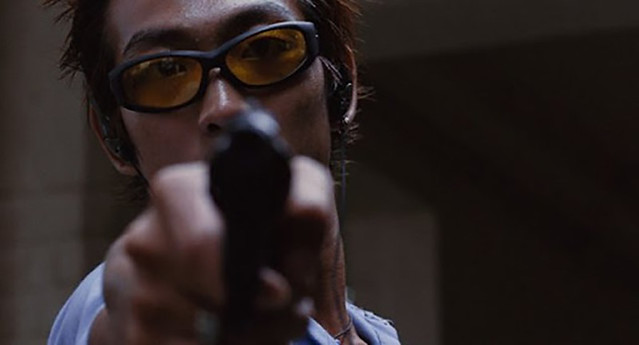
It's a kinetic, viseral, shoe-string budget film about a wayward high school drop out/triad wannabe Moon (Sam Lee in a star making role) working as a low level debt collector. Moon spends most of his days jerking off, going through his mom's purse, hanging out with his buddy Sylvester (Wenders Li), a big simpleton who gets bullied around by high school students. Moon terrorizes people who owe Big Brother Cheung money for living.

On one of these runs for collecting money, he meets Ping (Neiky Hui-Chi Yim), a naif with a pixie haircut and falls in love. They soon become an inseparable trio, roaming the busy streets of Hong Kong, having fun. But their carefree lives turn sour after witnessing a suicide of a high school girl named Susan in the neighborhood. Being in possession of the dead girl's suicide note haunt Moon, all throughout, as he procrastinates to do the right thing and return it to her parents.

Moon finds out Ping is dying of a kidney failure and Sylvester is always in need of his protection from the bullies. Then there is a turf war in the neighborhood involving his rival Fat Chan that he has to reckon with.

Made in Hong Kong does not only serve as an anxiety ridden, wayward youth film but also work as a time capsule. Fruit Chan has captured some extraordinary details of the places in Hong Kong in late 90s on celluloid: overcrowded subsidized housing projects, bustling city markets, decrepit corridors and alleys, long stair cases, signs and architecturally uneven skyline of the forever changing city. If Chris Doyle lensed Hong Kong in Wong Kar-Wai movies are hyper romanticized version of the city, Made in Hong Kong, shot by O Sing-pui (who went on to shoot Ip-Man), presents an energetic, ghetto punk version of the same city through a glass darkly.
There are some spectacular scenes that stands out in the film: a steep mountain top cemetery of Chai Wan as the trio runs around looking for the Susan's grave. The kinetic hit sequence where Moon fails to kill the businessmen, alternating between attempt and fantasy, Moon being attacked by a skateboarding hitman with a screwdriver sent by Fat Chan. Made in Hong Kong is filled with nervous energy all the way through its pessimistic, melancholic end.

In 2017, on the 20th anniversary of its release, Made in Hong Kong was restored by the Udine Far East Film Festival (Italy), starting from the original camera negatives and working under the direct supervision of Fruit Chan and cinematographer O Sing-pui. The restoration is as authentic and true to the original film as possible. The film is gorgeous to look at. Pristine images preserve Hong Kong in its uncertain times and jittery atmosphere perfectly, like in a time capsule. See it on the big screen. You won't be disappointed. The film opens Friday 3/6 at Metrograph

Rendezvous with French Cinema 2020

An Easy Girl/Une fille facile - Rebecca Zlotowski
easy girl
Set in sun-kissed Cannes in summer, An Easy Girl is an astutely observed coming of age story in the material world we are living in. Writer/director Rebecca Zlotowski expertly balances the film from slipping into a typical 'rich older man meets young girl for sexual favors' tale. The film examines the youth in the age of social media and unfettered consumerism and tells that there is more to what meets the eye.

It's the start of a summer break and Naima (Mina Farid) has just turned 16. Still aimless and unsure of her self, she looks up to her newly arrived cousin from Paris, Sophia (Zahia Dehar, a French tabloid sensation cum model/designer). Sophia knows how to command her beauty and use it on men to support her extravagant tastes. She tells her young cousin it's not love but sensations she is after. Sophia catches the eyes of Andres (Nino Lopez), an extremely wealthy art collector who's yacht is docked in the harbor. The girls are then invited on board for soirée under the watchful eye of Philippe (Benoit Magimel), his assistant.

Even though Naima is clearly uncomfortable with her glitzy, guilded surroundings, a glimpse and a taste into the rich and famous is too tempting. But she knows that being free is not just having a lot of money. And it's quiet, withdrawn Philippe who she feels a sort of kinship with.

Discovering and finding value in oneself is what she learns in the course of the hot summer of fun. Farid is pitch perfect for the role of a girl who is still searching for herself and her place in the universe with natural, subtle acting and Dehar is also very effective playing hedonistic, detached young woman who floats through life. 

Burning Ghost/Vif-argent - Batut
Screen Shot 2020-02-15 at 9.58.16 AM
Burning Ghost is a paranormal love story that falls between Ghost/Sixth Sense and Afterlife. Juste (Thimotée Robart) is a young man who serves as a gentle guide for recently departed souls to the afterlife, under the order of bureaucratic grim reaper Kramarz (Saadia Bentaïeb). He is invisible to everyone except his colleagues and freshly departed. His idling purgatory is disrupted when Agathe (Mikael Hers regular, Judith Chemla) recognizes him and obviously can see him on the street and follows him. Ten years ago, they met in Turkey and Agathe never forgot about her first love. Now she finds him not aged at all. They fall in love all over again. But because of the laws of the afterlife that mortals are not privy of, Juste becomes invisible to Agathe, and only can appear in her dream.

Closely teetering on sentimental saccharine fest saved by Céline Bozon's elegant, lyrical cinematography and charming leads, Burning Ghost is a beautiful contemplation of memories, love and death.

On a Magical Night/Chambre 212 - Honoré
On a Magical Night
Maria (Chiara Mastroianni) is a law professor who sleeps around with her younger pupils, even though Richard (Benjamin Biolay, a French singer/music producer who is a Benicio Del Toro doppelgänger), her husband of 25 years, is a good man. She just woke up in bed with one of her student named Asdrubal Electorat, just because his name aroused her. Richard finds out the affair by seeing her busy chat app on the phone. Avoiding the confrontation, Maria goes over to a hotel next street to stay the night.

There she is visited by several people from her past, including young Richard (Vincent Lacoste), his first love/piano teacher Irene(Camille Cottin), her Charles Aznavour-like own will (Stéphane Roger) and dozen of her former lovers over the years.

In true Honoré fashion, On a Magical Night is a musical fantasy steeped in whimsical comedies of old Hollywood and his love for cinema: the setting is snowy winter Paris, Maria and Richard live above a movie theater, piano singalong serves as reconnecting with one's past, obvious studio set mise-en-scene, etc.

Honoré's contemplation of memories, love and marriage are delightfully captured by great ensemble cast with his usual muses - Mastroianni and Lacoste). It's a great fun film to get away from the wretched reality.
Joan of Arc - Dumont
jeanne
On an intellectual level, I understand what Dumont, the famed auteur of French cinema, heir to the Bressonian minimalist tradition, is doing with Joan of Arc franchise (if you will), but that doesn't necessarily make it an enjoyable movie going experience. After Jeannette: The Childhood of Joan of Arc; a headbanger's ball that was part musical, part comedy of manners, part historical retelling of a young French maid who believed that she was god's messenger to take up arms and lead the French army to rid of English invasion, Dumont continues to tell the other half of the story, faithfully following Charles Péguy's rhythmic prose from three part poem/play, which tells Joan's defeat and trial and burning at the stake.

With minimal settings and mostly non-professional actors, Dumont examines Joan (played by Lise Leplat Prudhomme, a ten year old girl who played the character in the first film and not Jeanne Voisin who replaced her as a teen Joan in the same film - I mean, why bother with logic?), as she struggles to answer her accusers of heresy. She doesn't hear the voice that was guiding her to the battle anymore. Does she still keep her faith or admit that god might have abandoned her?

The tragic beauty of the story of Joan has always been her inner struggle and her unwavering faith in the face of torture and death. Even though Prudhomme does an amiable job and Dumont makes a point of using a child instead of a grown woman (Joan was 19 when she died), as innocent victim of sexism and hypocracy of the church. But it doesn't make a compelling experience to watch as clergies dryly argue over Joan's fate while the child screams on top of her lungs, "It is none of your concern!" over and over.

Someone Somewhere/Deux Moi - Klapisch
Someone,Somewhere
A romantic comedy in the tradition of "there is a perfect match right next door unbeknownst you". Melanie (Ana Girardot) is a medical lab technician who sleeps too much and has a low self-esteem after a long relationship ended. Rémy (François Civil) is an web sales warehouse worker who thinks he is a bad luck around him. They happen to live adjacent buildings on the same level and have never met in real life.

Kalpisch, as usual, paints Paris as a city with clusters of lonely souls trying to connect with each other, sometimes successfully and other times not. With most stretches of film's running time, he makes the case that these two attractive Parisians are made for each other, but only after they work out their kinks, with the help of a pair of psychotherapists.
Someone Somewhere feels a bit like self-help - "you are allowed to love yourself" movie, but the characters are very affable and relatable. Girardot and Civil are very good so as large supporting characters (notably Camille Cottin and François Berléand as psychotherapists, Pierre Niney as old friend reconnected through social network, and Paul Hamy as a failed tinder date).