Friday, June 27, 2014

Subterranean Homesick Alien

Under the Skin (2013) - Glazer
Screen Shot 2024-02-11 at 6.09.19 AM Screen Shot 2024-02-11 at 6.09.58 AM Screen Shot 2024-02-11 at 6.10.48 AM Screen Shot 2024-02-11 at 6.11.35 AM Screen Shot 2024-02-11 at 6.16.13 AM Screen Shot 2024-02-11 at 6.18.10 AM Screen Shot 2024-02-11 at 6.18.41 AM Screen Shot 2024-02-11 at 6.23.01 AM Screen Shot 2024-02-11 at 6.24.10 AM Screen Shot 2024-02-11 at 6.24.22 AM

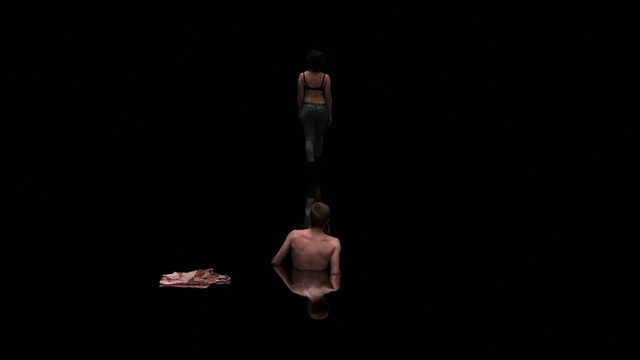
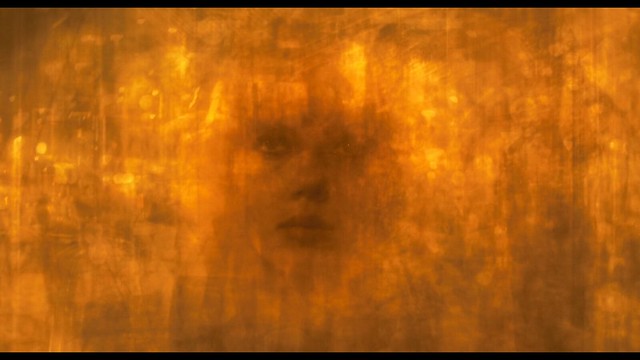
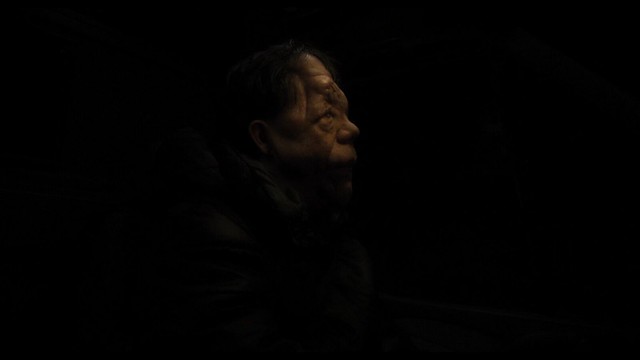
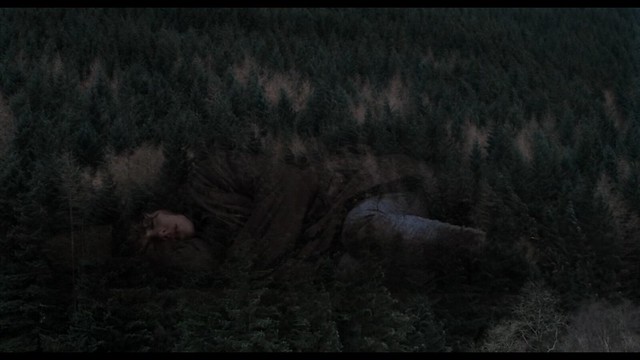
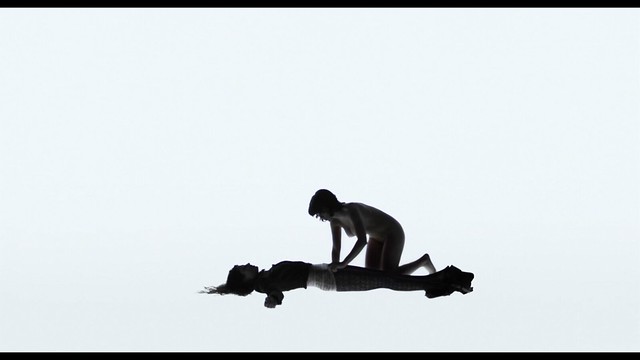
When David Lynch stopped making films, it was a big blow for me. Thank god there is Jonathan Glazer. Even though it's been 9 years since Birth, Under the Skin restored my faith in art films. There is not really an adequate comparison one can give for this film. Stripped down(!) to something more primal, devoid of any symbolism or allusions to anything, Under the Skin is a unique, standalone experience to be had. Yes that it features Scarlett Johansson who possesses, according to Woody Allen, 'overwhelming sexuality', as an alien, and that it beckons to be seen as an allegory of Hollywood stardom. But Under the Skin feels like something more. With arresting images and hypnotic soundtrack, the film is one of the most singularly mesmerizing movie watching experience I've had in a long time.

Thursday, June 26, 2014

Mind Control

Kafka (1991) - Soderbergh
 photo a864096d-15db-44d3-858c-8dd06ca7162a_zpsa10fbe2e.jpg
It's a pleasure revisiting Kafka, Steven Soderbergh's sophomore effort, after so many years. It tells a conspiratorial plot involving nebbish insurance clerk, Kafka (Jeremy Irons), discovering more than crippling bureaucracy behind the walls of 'the castle'. It involves mind control and a mad scientist.

Soderbergh gets the look and feel right, shooting it contrasty/grainy B&W then adds some color to accentuate the surreal nature of it all. Jeremy Irons is too proper and too erect to come across as a sickly eccentric. But if you could get fucking JEREMY IRONS on your second movie to play KAFKA, who could say no?
Teressa Russell is unbelievably hot as a sultry eyed revolutionary and always dependable Ian Holm pigeonholes himself again as the mad doctor/tool of a bureaucrat who finds kinship in Kafka's writing, regarding it as the future he envisions.

Opening sequence:

Hamfisted

The Prisoners (2013) - Villenvenue
 photo b887e425-08c0-4cda-a866-2b6282bf1927_zps55893c94.jpg
I give Villenvenue is a very capable filmmaker - he is very good at creating moody, high tension atmosphere with some help from Roger Deakins. As I expected, The Prisoners is an overwrought, heavy handed thriller where coincidences and little clues all neatly line up at the end after series of red herring. Where Zodiac- another calculated, clinical exercise from David Fincher succeeds in understatement while maintaining incredible tension, The Prisoners collapses in its own weight. Paul Dano (playing dimwit again)'s unjust imprisonment makes you feeling disgusted, but what's the endgame here, since it becomes less of a focal point? Comeuppances, moral judgment and punishment are easily predictable. All it needs is a Wagnerian score to top it off. Too bad really, because Gyllenhaal and Hugh Jackman are superb in this.

Tuesday, June 24, 2014

Eurotrip

So Nicole and I did a Tour of Europe this Summer. It's been a long time coming and we really wanted to get the hell outta dodge for a while. This twelve-day trip encompassed three countries (Italy, Austria and Czech Republic) and seven cities. We started our journey in Rome then moved on to Pisa, Cinque Terre, Florence, then a night train to Vienna and ended up in Prague. It was a short, exhausting trip but totally worth it. We took more than a thousand pictures but here are the gist of what we saw:

Friday, June 20, 2014

Outside Looking In: Joanna Hogg Interview

 photo 7a3b06c6-7250-40b1-be10-50eaa1646a58_zpse5bdc571.jpg
With her new film Exhibition beginning a two-week exclusive engagement at the Film Society of Lincoln Center today, along with her two previous films Unrelated and Archipelago getting theatrical runs concurrently, British filmmaker Joanna Hogg is in town and I was lucky enough to catch up with her for a chat.

I saw Exhibition at last year's New York Film Festival and was blown away by it, so I was eager to pick her brains about her Antonioni-esque use of the environment in her family/relationship dramas. Unguarded and sincere, she opened up to all the questions and explained away lengthily much more so than many other directors I've talked with over the years. For this, I thank you Ms. Hogg.

An exclusive theatrical run of Exhibition starts 6/20 and continues through 7/3. Unrelated and Archipelago have a one-week engagement 6/27 - 7/3 at FSLC. Please visit their website for more info.


All throughout your films, the settings, the places play important roles. Do you have certain places in mind when you start writing a script?
 
With all three of my feature films, they all started with a specific place in mind. It's very important for me to have an idea about the place. I don't see the settings for my films as 'locations'. It's fundamental for me that it's about a place that I know very well, that I have a lot of connection with. That was with all three films, a place being a springboard for the story.

Compared to your previous films, EXHIBITION is even more place specific. This modern architecture house the couple calls home: Can you tell me a little about this house and how you decided to shoot there?

Yes. Would you want me to go through all three films with that? Because each one was all very different.

Of course, by all means!

With Unrelated, which was my first feature film after many years of working in television, and toward the end of my television career -- had worked about 12 years there -- I started renting a small apartment in Italy on a farm in the south of Sienna. And I found this place which became very inspiring to me. Whenever I stayed there, I started to write ideas. I was painting when I was there. I felt very creative when I was there in this apartment. And it was a lot to do with the land around it. It was very close to a motorway. It sort of cut through the idea of sort of 'Tuscan village life'. The motorway was only a mile long and didn't go anywhere. 

But the whole landscape was kind of exciting to me and I was trying to think of stories and ideas for a film because being in television for so long I very much wanted to do cinema. So I started to come up with the idea but all set within this place where I had the apartment. And that eventually turned into Unrelated. So it came from living in this place myself. The place became a creative space for me.

And ARCHIPELAGO?

As a child, my family used to go on Easter holidays to an island off of Cornwall, the Scilly Isles. We went to the same island for many years and stayed in the same place. This was in the 70s through early 80s. There was only one place to stay, this little hotel. And I revisited after a long time. I had a very powerful feeling being in this place reminding me of my childhood holidays and of love of the landscape. 

I think the love of a place also often to do with familiarity. Childhood memories and connections can be very intense and that place took me back to those feelings. So I decided to set the film on that island. But again, I didn't have a complete story in mind. I had to construct it. But I constructed it from getting to know this place again.

But I must say that it sounds so far that both Unrelated and Archipelago are autobiographical and I would say they are not. With Archipelago...

[We are interrupted by loud police sirens outside whizzing by.]

Sirens here are so crazy! It has a very different sound in London... it really intrudes here, doesn't it? Sorry I am losing my train of thought here.

So with Archipelago, yes I completely constructed the story. Of course there are ideas in there that are very personal but it's...yeah, my family wasn't like that. There are things I have experienced that are in there but it's sort of a big cauldron you throw different things into and it becomes its own animal.

Yes, I was gonna ask you about that aspect of your films but I'll save it for later. So we move on to EXHIBITION.

Exhibition. That was different because I knew the house and I knew the architect who built the house in 1969. I met him in the early 90s when he was still living in the house he built for himself and his wife. I became friends with them and the house made a big impression on me. So it was somewhere I thought about when I started thinking about making a film about a couple who are artists. It seem to be a perfect container for that sort of story in a way.

Who was the architect?

James Melvin.

It was built in 1969?

'69, yes.

It looks very modern.

Yes. It had a redesign in the mid 90s by an architectural practice called Saurbruch Hutton, based in Berlin. They are colorist in a way. They work with color. They can possibly be credited to introducing color into modern architecture. A lot of the color elements in the house were added by them. The original 60s design was very monochromatic and didn't have many color at all. When they redesigned it in the 90s, they added colors. 

For instance, the pink sliding doors you see in the film which became a practical effect in his study. And there are other parts of the house that had a color added to them. The fundamental details of the house -- the large glass windows, the spiral stair case, the lift in the middle, the structure of the house is exactly how it was. That's all James Melvin. Some people think that there was this big disruption in the late 60s but it's not. It's not pure in a sense but that's why it's more interesting. It's not a museum piece. It's had people lived in.

I am assuming everything was shot on location.

Yes.

Were there any challenges shooting on location?

It's interesting you ask that because I have a friend who is a photographer/cinematographer who's been to the house himself, said to me that he didn't think it was possible to shoot there. It's a cube. It's almost square with the lift block in the middle of it. So when you are in the living room, you got this interruption of the lift block. So he thought it would be very difficult to shoot in. And also he thought the amount of glass, in terms of reflection, it would be impossible to deal with.

Of course! Those things he said would be difficult became the gift for the film. Because I was interested in the reflections. You see a lot of the architecture through the reflection because when you are looking outside you are looking back at the house with yourself in the way. So that inside out aspect was very interesting to me. And even the lift block, I mean, was a kind of nice interruption. So the you don't see the space completely. It's always broken up by something. In fact, with Ed Rutherford, my cinematographer, we avoided shooting too wide. Whenever we set up a shot and we go wide, the panoramic view looked like a real estate agent catalog. Sort of a property photograph. (laughs) So we shot a lot with 50mm lens. So we kept things more contained. You never see the house in its entirety from inside or outside. The only time we see the entire house from the outside is when they have the cake (molded in the shape of the house).

So all the limits worked in your advantage.

It did. But from a practical point of view, it was sort of cruel for the crew. Because the only way to get up the different floors in the house was on the spiral staircase.

I thought it was pretty remarkable how you use sound and space to create the couple's connection/disconnection, as you might say. How much of a sound design went into the film?

Well, a lot of sound was created afterward, based on the recordings that were made after the shoot. I recorded sound myself and also the sound designer. We also used the location sound recordist had recorded during the shoot directly from the scene. I made sure that the sound recordist would capture everything around us that was going on. 

For example, the road works outside the house, which we didn't organize - it just happened on the second day of the shoot and for almost entire shoot. We made sure to record those sound, lots of drilling. For me it was important that there is a real authenticity about the sound that it's not coming from a (sound) library that it's new recordings specific to that locations we were shooting in. 

And that house has a particular way of soaking in sounds from the outside. I was really interested in this and I don't think I exaggerated really in the film. When you are standing in the house, there is a corner you can here a sound, like someone talking, closing a door from outside. It travels back in and you feel like those sound is coming from within the house. As I described the visual structure, being inside out, it was the same with the sound.

EXHIBITION is much more of a visual/aural experience than your previous films. Do you feel that it's a big departure for you artistically as a filmmaker?

It seems like a departure but I feel the other films were just building to that. Each one I become a little braver. I am always interested in pushing myself as a filmmaker and not staying with what I'm comfortable with. One of the main differences that I was really challenging myself with was the idea of a narrative that was less linear. The other two have relatively linear storylines. Whereas Exhibition, I wanted something more fragmented to represent different levels of reality and unreality, dream and memory. Again, increasing interest in sound design. I wanted to push that much further. And the reduction of characters, concentrating on one married couple without an extended family, contained in this...cube.

You've used non actors in your films. Especially artists. Christopher Baker, Viv Albertine, Liam Gillick. Do you know them personally? And how do you approach them being in your films?

I don't always know them personally. In the case of Christopher Baker, he has been my painting teacher for many years. I met him in 2002 and have been painting with him on and off since then. So I knew him even before I started making Unrelated. He can possibly be credited for helping get my creativity back on track. So I know him quite well. I'd watch him during painting lessons and I remember thinking at a certain point, 'I'd like to find a part for him in my film one day'. And Archipelago was obviously the right one.

There is this zen-like quality about him that is infinitely patient and wise.

He is like that in real life. But at the same time he was playing the part of the story. I think it's because I had a privilege of observing him for many years, I was able to fit him in the story. I like sometimes having that 'real-life filtering in to fiction'.

And Liam and Vive. Vive has been a friend of mine for many years. But I neve thought of casting her before. I haven't looked at her before thinking, 'I'd put her in a film' until less than a couple of weeks before shooting. I've been looking at many people. Casting had taken a long time because I wanted to find my couple early on. Because I needed to find them early on to fit into the story and have them get to know each other and get to know the house. But it all happened last minute.

Oh wow.

Possibly that ended up being good. But it was certainly a bit chaotic two weeks before filming and I was getting a little nervous. Liam I didn't know at all. I knew his work as an artist but I didn't know him personally until just before the shoot. So I was very happy to find him.

They both are great and have a great chemistry together. Were there any improvisation involved?

Yes. I mean, it's...I always hesitate to call it improvisation because I always feel that gives a feeling that it has no plan or design or precision at all. How I work is very precise. But as I described working with Christopher, I like the approach of bringing something from real life in to fiction with my actors and non-actors. With Vive and Liam, I sort of sometimes feed them lines and other times they would put things in their own words.

I had a precise plan on paper but I didn't show it to them because I didn't want them to worry about what was going to happen next. Then there was certain point in the shoot where I'd write a scene the night before and then show it to them about half an hour before shooting, just enough of time for them to see the map of what I'm trying to do.

I'm pretty sure you get to be asked a lot about Tom Hiddleston, who is in all of your films and now a big star. How did your working relationship begin?

Well, I met him for Unrelated. The casting director was helping me with that film. I'd seen him in a play at his drama school and was very impressed by him. And when I was looking for an actor to play Oakley, she introduced me to Tom and he was really wonderful in Unrelated obviously. He was much younger then. But we had a great working relationship and I thought of him straight away when I was preparing for Archipelago. He is so good at transforming himself into different characters. It's always irresistible to find him new characters to play. Although I like to work with actors and non-actors alike, Tom is different. He can totally become that character in a way that feels very real.

I mean he is completely different in UNRELATED and ARCHIPELAGO.

Yes. He is channeling something different for each one. And with each one, also in Exhibition, even though it's a much smaller role, he is taking it just as seriously.

Would you work with him again, even though he is a big movie star now doing all these blockbusters?

Yeah, I would. If there is time. (laughs) He is always busy with other films but I have plans for something else I want to do with him.

I'd very much looking forward to that.

The scene where Viv's character fakes fainting during dinner where her friends are talking incessantly about their children made me and my wife laughing out loud in the theater. (we both laugh) We don't have children and my wife really wants to try the fake fainting spell at a boring dinner like that.

Yeah she should do that because I ruined it for myself. Since I put it in the film, I don't think I can get away with that. (Laughs)

Is that from a real life experience?

It's a fantasy. (Laughs)

Childlessness and I wouldn't say the absence of good parenting, maybe a disconnection between different generations are always present in your films. Are they based on your real life concerns or are they external themes you want to explore?

Childlessness is from my own experience. I don't have children and I've grappled with the idea of wanting to have children then trying to come to terms with...you know, been though different processes. So that was something I wanted to express. So when I made Unrelated, it was very much something I was going through at that time. With Archipelago I don't deal with that. I deal with the family in a different way. 

Then I wanted to come back to that theme again with Exhibition but with a different stage in life. The stage where they come to terms with it, possibly. Although as we see, it's something that comes and goes. I think there is still a sadness there. It's something that never goes away. I still feel ambivalent about it. But if I had children, I wouldn't be making films, so I value filmmaking. They are my children in a way.

Excellent. So what's next for you? What are you planning?

It's always difficult to talk about the next film... because I am still constructing it. But I'm gonna go back in time.

Oooh, a period piece?

Well, not too far. To the 80s. And it's also going to be set part in London again. I'm in the period of making city films.

I can't wait.

Read my review of Exhibition here
Read my review of Archipelago here

Thursday, June 12, 2014

Violette Leduc Bio

Violette (2014) - Provost
Ever since her breakout role as a deaf office worker, Carla, in Jacques Audiard's audacious caper flick Read My Lips, Emmanuelle Devos has risen as one of the top French actresses of our time, working with auteur filmmakers such as Arnaud Desplechin and Alain Resnais and rubbing shoulders with Catherine Deneuve and Gerard Depardeu. The thing is, I can't think of another actress who made a career out of her frumpiness more successfully than Devos. And she happens to be a favorite of mine.

In Martin Provost's biopic of a post-war French writer Violette Leduc, Devos delivers another gold, again using her arguably unremarkable physical attributes as a weapon.

The film starts with Violette (Devos)'s black market smuggler days during WWII and helplessly in love with a writer/fellow boarder, Maurice Sachs in rural France. Even though Sachs is closet homosexual, lonely Violette doesn't let up throwing herself onto him. As a way of fight off her advances, he suggests her to write.

After getting back to Paris and reading the controversial feminist writer Simone de Beauvoir (Sandrine Kiberlain)'s writings, Violette, forever lonely and emotionally needy, soon gets enamored with the famous writer. de Beauvoir in turn, recognizes Violette's talent and encourages her to write on. With this, their lifelong friendship starts. Violette finds herself in de Beauvoir's circle of famous literary friends (Jean Genet, Jean-Paul Sartre and Albert Camus among them). She even finds an admirer of her work and benevolent patron in a sensitive perfume mogul, Jacques Guérin (Olivier Gourmet).

Her first novel, In the Prison of Her Skin, based on her life in an all-girl boarding school, frankly describing her lesbian affair with another student (certain part of the book would later be adapted by a sexploitation maestro Radley Metzger as Therese and Isabelle). Her books, all based on her life stories, salacious and scandalous at the time of the release, gets recognitions later on as a trailblazer in feminist writing. She unlike many other writers, at least gets to taste her success in her lifetime. However alone in her private life, she gets to attain some inner peace that she very much deserves.

Provost (Seraphine), once again demonstrates his penchant for portraying well-rounded woman characters in his films: Violette doesn't come across as just a hysterical, extremely self-conscious woman and de Beauvoir, not as just a cold fish feminist icon. With the help of strong, down to earth performances by Kiberlain and Devos, Violette features great, undeniably human characters. Stately photographed by Yves Cape (Holy Motors, White Material, Humanité), the look of the film, spanning many seasons, is that of subtle elegance and accentuates the superb acting.

Devos is as usual, wonderful. Using her unconventional beauty and charm, she portrays a lonely woman who gets to express her insecurities and desires truthfully in writing, regardless of its consequences. Beautifully acted and executed, Violette is a great biopic that has a real heart.
VIOLETTE is Scheduled to open in NY on Friday, June 13 at Lincoln Plaza Cinema and Angelika Film Center, followed by a national release.

Thursday, June 5, 2014

Mature Romance

Mademoiselle Chambon (2009) - Brizé
 photo 20b7375e-d4c8-4e1c-b788-59621d7950f4_zps030cf279.png
A subtle melodrama beautifully acted by two leads, Sandrine Kiberlain and Vincent Lindon. Kiberlain plays a new teacher in a small town and Lindon plays a father of one of her pupils and local contractor. The story doesn't really make a conventional case for the attraction between the two. It's not their class differences, however slight, that attract. Lindon's Jean is not unhappily married and his wife is expecting another baby. Is it his dissatisfaction of everyday life or Mlle Chambon's loneliness? Are they willing to give up whatever they have for a fuck? Fortunately, Mlle Chambon stays classy and discrete and thankfully, mature. Kiberlain's characterization of a wandering teacher is very slight but just enough to make her all too human. It gets me to see in a drama where a grown man and woman cry silently in each other's presence. Brief Encounter in a smaller scale, Chambon is a great mature romance.

Wednesday, June 4, 2014

Time Standing Still

Jardin des deux rives/Garden on both Riverbanks (2013) - El Kamel
 photo b5338e54-7e00-4f25-9d4b-cef49476d03a_zpse1ad399e.jpg
"Here is present without time...", starts the poem by Mahmoud Darwich, first read softly in Arabic, then in French over the images of shuttered doors and bricked up windows of row houses. It is the industrial wasteland known as Le quartier de l'Union in northern France. Once the capital of textile industry, now a ghost town, all the former glory faded and forgotten, surviving only by few old residents who lament about the days in voice overs.

Amel El Kamel, a filmmaker with animation background, uses high resolution, short interval looped images to tell the story of town where time stands still, where life is stagnant as if stuck in limbo: a twilight zone town where things are not quite still but looped in purgatory. As the camera slowly zooms out and pans, scanning over water and artful graffiti, her contemplation of time and decay of human existence, with the help of Darwich's poetry, is elegant in both content and form. The film filled my morning with peace and tranquility.

Monday, June 2, 2014

A delicate Investigation of Life's Mysteries

Recuerdos de una manãna (2011) - Guerín
 photo a89d93be-021b-491f-a435-771336a77668_zps19d62fdb.png
 photo 004c4fee-218c-4528-83c1-eb5ee1224f9d_zps579a45e2.png
 photo ec97e110-d80c-4c7e-95da-b192422dd556_zpsb415350c.png
 photo 537d11d0-ee8c-45ba-a619-d081086488fd_zps1890e582.png
Guerín observes his neighborhood from his Barcelona apartment window. It seems there are a lot of musicians living in the neighborhood, you can see them and hear them practicing through open windows. One of these musicians, Manel, a violinist, jumped from his balcony to end his life. He is captured in Guerín's camera many times, practicing shirtless most of the time. Guerín interviews his neighbors about the suicide, how they knew him, how they found him and how the death affected them. Manel had been depressed. His relationship with the woman who worked at the radio industry was over. Others concedes that he wasn't a very good musician. The world goes on, the seasons change, people go on about their business.

Just like his other films, Guerín conducts his little investigation in the mystery that is life and it's beautiful. Also he can't help inserting a beautiful woman violinist as she dances to music in her apartment and plays with her infant daughter and practices her music. Not sentimental but infinitely warm and inviting, it's Recuerdos de una manãna's lyrical imagery that does all the lamenting about fleeting life. Barcelona never looked more beautiful in the rain than here.

Open Roads: New Italian Cinema at FSLC

When we think of Italian cinema, we think of undisputed old masters - Fellini, Visconti, Rossellini, Antonioni, De Sica, Bertolucci and so on. But for the longest time, Italian cinema had fallen out of favor. Sure, there have been flourish of genre films in the 60s - 80s. But the Italian public's national pride and interests in their film industry subsided. Even the locals pffffttted away my inquiries about current Italian cinema when I was attending an art festival in Ravenna, in 2005. Back then, they were all about Kim Ki-Duk and Asian cinema.

But after the rampant political corruption and infamous "boom boom" era of Berlusconi came to a close, and regional support for the arts growing, it seems Italian cinema is finally finding its footing again. And with the international success of Mateo Garrone's Gomorrah and Reality and Paolo Sorrentino's The Great Beauty winning the Best Foreign Language Oscar last year, we are indeed witnessing the resurgence of Italian cinema.

For this year's New Italian Cinema series, Film Society of Lincoln Center presents exceptionally strong and diverse edition which includes the latest work from established veterans (Gianni Amelio, Roberto Andò, Daniele Luchetti) and top award winners, alongside promising new talents from both the commercial and independent spheres, with in-person appearances at many screenings. The series runs June 5 - 12. For more tickets and more info, please visit FSLC website.

I am very happy to get the first dibs on these five diverse films for the festival:
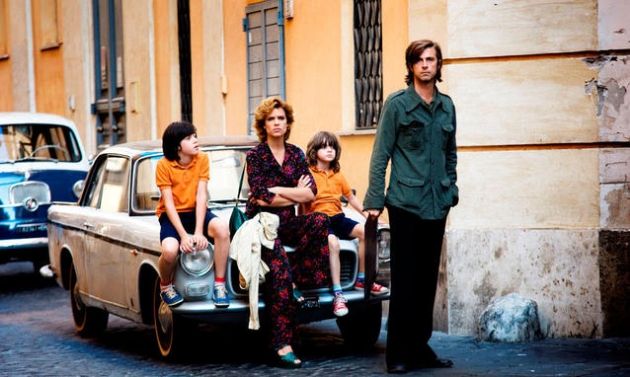
 photo 64c8d71f-fe06-4132-a0be-6c2bd18d48eb_zps3dd986af.jpg
Those Happy Years (dir. Daniele Luchetti) *Opening Night Film

Daniele Luchetti (My Brother is an Only Child, La Nostra Vita), one of the staple names in current Italian cinema, presents a deeply affecting family drama based on his childhood- growing up in socially tumultuous 70's Italy.

Told in grown up Dario (Samuel Garofalo)'s voice, the film chronicles ups and downs of a couple- Guido (Kim Rossi Stuart), a conceptual artist and his slowly blossoming wife Serena (Micaela Ramazzoti) and their two young sons. A son of an artist and an overly critical mother, Guido is swept up in 'being an artist', surrounded by naked models and dreaming of that big break. He and jealous Serena always fight about his infidelity in front of kids. She doesn't understand why she and kids can't visit him at the studio and he protests that as an artist he needs space.

The big break comes along and Guido has a naked body painting performance in Milan. Serena shows up with kids and Guido barks at her. She then takes off with her friend Helke (Martina Gedeck) to France in a feminist retreat with kids in tow. For many Italian women, it's the time of self-realization and free love. She hooks up with Helke and everything is being documented by Dario, the budding filmmaker with his super-8 camera. In the meantime, Guido's Milan show flops.

Those Happy Years is a delicate, detailed period piece that's intimate and inviting with affecting performances by everyone involved. It might be reflecting specific time and place, but also shows struggles of being an artist and the process of creating something worthwhile which often is linked to life experiences.
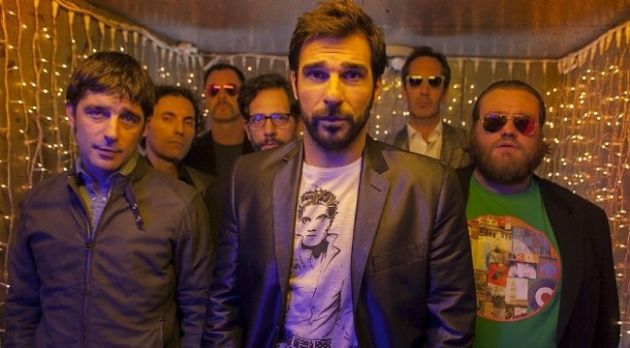

 photo 1b439029-16d0-4328-90aa-d8b71a158408_zpsae884fa5.jpg
I Can Quit Whenever I Want (dir. Sydney Sibilia)

Pietro (Edoardo Leo), a 30 something, financially struggling biochemistry professor, loses his contract with the school. There is no funding for his algorithm research. Even with his tutoring jobs, he and his social worker girlfriend are not making ends meet. Then after tracking one of his student who owes him tutoring money into a night club and unintentionally taking drugs, Pietro realizes that he can make quality grade 'smart drugs' - made from yet to be illegal substances in Italy and sell them. All he needs is assembling a willing and able crew from his down and out middle-aged academic friends doing menial jobs to survive - a fellow biologist working as a dishwasher at a Chinese restaurant, microeconomist as a carny, archeologist as a construction worker, anthropologist as a junkyard worker and a couple of Latin scholars as night gas station attendents. Hilarity ensues.

This satiric take on Italy's economical downturn and joblessness among the over-educated, under-employed generation is a slick, funny entertainment and destined for a Hollywood remake. I can totally see the remake starring Paul Rudd, Adam Scott and Zach Galifianakis.
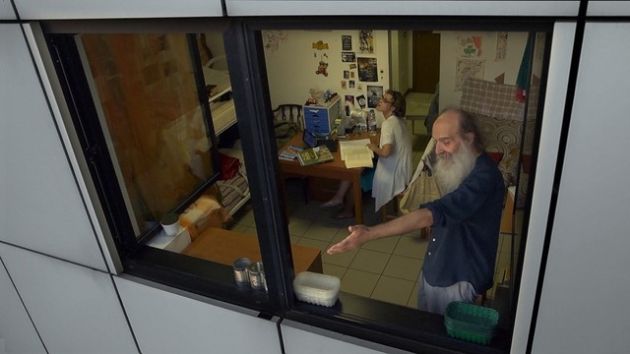

 photo 5bf2b19e-4165-40ee-ad68-f787798387fd_zpsf6eab6ba.jpg
Sacro GRA (dir. Gianfranco Rossi)

I love this region specific observational documentary. The film depicts the lives of those who live around the Sacro GRA (Grande Raccordo Anulare), the ring highway system that surrounds Rome. It has no narration or a specific destination. We move from person to person as they go on their lives. We observe them in their most natural states in their homes and jobs- an EMT worker, as he drives along the highway saving lives, a beetle expert listening to the inside of palm trees with a stick-in microphone, an old fisherman who catches eels in the river Tiber with his stoic Lithuanian wife, an aging actor who stars in 'still photo novelas', people who live in their cars, bar floozies, prostitutes.... Then we get to observe people living in a ultra modern, highrise apartment, conversing with each other about life's incongruities and sweet nothings through the lens of the camera rigged just outside the window, looking in.

The whole film feels like the real life 'Wings of Desire' where the audience take on the roles of the heavenly creatures listening in. Shot in two year span in different seasons, Sacro GRA is a beautiful observation of human life that is gentle and thoroughly engaging. *Winner of the Golden Lion at Venice Film Festival (the first documentary to win the top prize in the fest history).
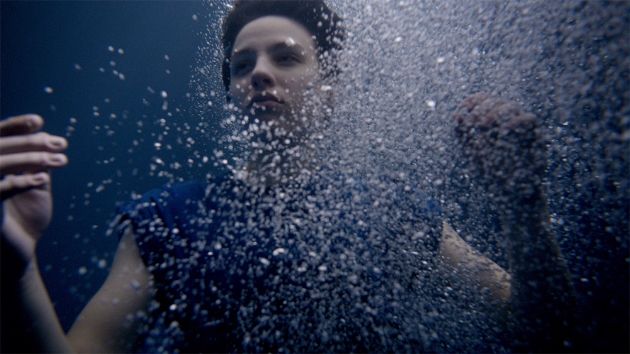

 photo 93cb3762-9555-4852-adcf-6083d2f58150_zps3bbc32db.jpg
South is Nothing (dir. Fabio Mollo)

Organized crime still has a tight grip on many communities in southern Italy. South is Nothing, a brooding drama reflects the dark shadow it casts in the lives of people who live there. Grazia (Miriam Karlvist) is a highschool tomboy living in a such southern Italian port town. She helps out her tight lipped father at his fish store. Her family is broken after the disappearance of her older brother. Her father doesn't answer any of Grazia's inquiries about her brother. What is not spoken can't hurt you, so the saying goes.

Meanwhile, Grazia sees her brother's ghost when she swims in the ocean, as if in a dream, trying to tell her something. Convinced that her brother's alive, she looks for him with the help of a transient fellow student who takes an interest in her.

Mollo gracefully makes a point of the pressure these people live under without overstating any real physical presence. It's the crushing silences and whispers among the inhabitants that speaks volumes. The fear and frustration is ingrained in their faces. You either give in to the mafia and move up north, or you perish.

Karlvist is remarkable here as short haired, flat-chested Grazia, grappling with an unimaginable loss. Was she always a tomboy? Or is it her over protective brother's absence made her that way? South is Nothing also works as a great character study and cinematically exemplary film in current crop of Italian cinema.
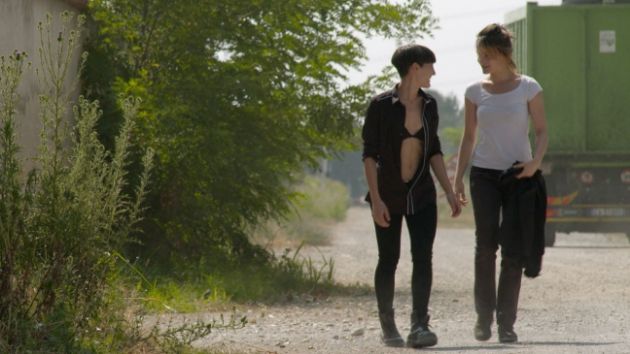

 photo 6354e5ca-2ce3-4d65-8d99-dd4e56057b4c_zps42ff9c54.jpg
Small Homeland (dir. Alessandro Rossetto)

Documentary filmmaker Alessandro Rossetto's narrative debut, Small Homeland is a sprawling observation of rural Italy's working class town with the regionalist/nationalist movement simmering in the background. It starts out with a sweeping aerial shot of rural landscape that ends on a black monolith which is a chintzy hotel. The film takes some time to introduce all the characters and settle on the meat of the narrative, concerning two young rebelious women, Luisa (Anna Carnielo) and Renata (Roberta Da Soller) doing menial jobs as maids at the hotel surrounded by cow heaps and horse stables. Luisa and Renata dream of getting the hell outta town. For money and subsequent blackmailing, the duo and Luisa's good natured Albanian lover Bilal (Vladimir Doda) also perform private sex shows for a local sleazeball Rino (Diego Ribon), who happens to be a friend of Luisa's gun totting, xenophobic father, Franco (Mirko Artuso).

Under Rino's leadership, the local hicks are riled up over swelling numbers of immigrants in Veneto region, scarcity of jobs, violent crimes and constant fear mongering media featuring picture of Osama Bin Laden.

With three people credited as writers, Small Homeland loses focus a bit. The slow build up of simmering tension leads to inevitable melodrama at the end. Still, the film is an absorbing reflection of current Italian society going through sociopolitical turmoil.
Thursday, May 29, 2014

Brezhnev and Reagan, Fuck Off!

We are the Best! (2013) - Moodysson
 photo 9be62125-a01c-4ef3-b2d9-8c9e0366e53b_zps45f283d5.jpg
Two 13-year old tomboys, Bobo and Klara listen to punk, hate their sports loving classmates and think their parents are super lame. After seeing some rude old geezers practicing yucky rock songs at a local youth center (thank goodness for socialist country), they spontaneously set out to form a punk band out of spite. But they don't know how to play any instrument and still want to maintain the time slots they signed up for so the old geezers won't get to play.

Then they see Hedvig, a blonde, christian good girl who has been playing classical guitar at the school talent show to unresponsive, downright rude audiences, year after year. Hedvig doesn't have any friends. Bobo and Klara decides to forcibly make her join the group. She is an awesome guitarist and teaches them how to play bass and drums. They cut Hedvig's hair off despite her mom's protest. But Hedvig comes around voluntarily. Despite her strict Christian upbringing, she likes being in a punk band. Together, they compose a song with catchy lyrics like "Hate the sport, hate the sport!", "Brezhnev and Reagan, fuck off!"

Now they need money for an electric guitar. But after begging for change on the street with some corny "my parents are drunks and we are starving," sob stories, they decide to spend the collected money on candies and ice cream instead.

Then there is the first crush. There is this punk band they like. More extroverted Klara calls them up and arrange a meeting. Elis, the lead singer of the band is very cute. Just like any other music band dynamics, they go through jealous fits and leadership conflicts and bring the group to the inevitable brink of breakup. All things come down to a chance to perform at some lame school gym concert in the suburbs. Would it be a total riot or total riot?

Lukas Moodysson, after plunging into hard-hitting downers like Lilya 4ever and A Hole in My Heart, goes back to what he knows and does the best - truthful, tender depiction of (pre)teen world. Just like his amazing debut, Fucking Åmål and based on a graphic novel Never Goodnight by his wife Coco, Moodysson showcases his penchant for naturalistic dialog and capturing the concerns of the world of pre-adolescent girls and the spirit of punk so acutely. It's the feel good movie of the year.

We Are the Best! opens May 30 in New York and LA. Visit Magnolia Pictures website for more information.

Impressionistic Tribute to Memories

Elena (2012) - Costa
 photo dec72fde-5ac3-4053-9598-30ddfdc6f244_zpsb701b319.jpg
 It's a difficult job to create a documentary with a subject that is so close to its maker without coming across as a little too precious. Indeed, there are many moments in Elena that could be regarded as self-indulgent. But no one can deny that Elena is breathtakingly beautiful, one of a kind documentary.

Elena tells a story about 20 year old Brazilian actress who comes to New York to pursue her acting career. She leaves behind her younger sister Petra and mom. She falls into hard times. More than twenty years later, Petra, now an actress herself, a filmmaker and a dead ringer for her sister, traces her big sister's footsteps in NY, trying to reconstruct who Elena was and also to find herself along the way.

While watching the film, one can really feel the tough decisions the director had to make: should Elena be a straightforward chronicle of the young woman's life or should it be fleeting, abstract expression of preserving one's memories. Even with loads of home video footage, voice recordings and voice overs, Elena doesn't quite work as a fact based documentary. Instead, Costa aims for an impressionistic tribute to the memories of her sister whose absence made a great impact on her life. The combination is a mixed bag.

Costa keeps everything dream-like and fleeting. It's the poetic images - twirling bodies, sundresses flowing under water, green grass and cherry blossoms in the summer that takes the center stage. And the images are often breathtaking. It would've worked better as a short performance video art called, "Memories Dissolving into Water: a Tribute to My Sister Elena". I really hope Costa gets to make some more films, there is no denying that she is a bright new talent to keep an eye on.

Elena is distributed by Variance Films. It opens on Friday May 30 at IFC Center. Roll out to other cities will follow.

Monday, May 26, 2014

Memories Eternal

X-Men: Days of Future Past (2014) - Singer
 photo c07a5611-67ba-42a9-a2b1-41d25d99b0f9_zps353f49cd.jpg
This franchise, along with its Wolverine spinoffs, has been dragged out long enough, even though there are plenty more characters, subplots and parallel universes to cling on to until the end of days. Singer and co. decides to put a semi definite "." on the X-Men series with Days of Future Past. The plot: The world is destroyed by the war between humans and mutants. Only a few mutants remain, hounded by Sentinels- indestructible creatures borne out of shape shifting Mystique (Jennifer Lawrence)'s DNA when she was captured after assassinating a military industrialist Trask (Peter Dinklage). The only hope is to go back in time and prevent Mystique from killing Trask. Kitty (Ellen Page), a mutant who possesses the power of "phasing", sends Wolverine, who has unlimited instant cell regeneration, therefore, only one who can withstand destructive long term phasing, to 1973 to stop Mystique. There he has to convince both young Prof. X (James McAvoy) and his rival young Magneto (Michael Fassbender) to team up and stop the development of Sentinels. A lot is at stake here, folks.

Days of Future Past in its seriousness, invalidates the first 3 X-Men movies since its timeline doesn't match with the existence of Sentinels. It's more of a continuation of X-Men: First Class with Fassbender's showy Magneto in the center with Wolverine thrown in. The mood is grim and no one smiles. Wolverine has skeletal blades instead of metal in his paws. Prof. X is struggling with spine damage and lost his way. Magneto is still scheming to end humanity. Someone's got to save prez! In the mean time, Sentinels are picking up mutants like daisies - they get crushed in graphic detail - they burst in to flames, bodies explode, heads crushed, etc.

What's left is that Wolverine remains the most tragic character in superhero franchise. He is the sole witness to all the destruction and death of the loved ones and when it's all fixed, it's only he who remembers all for eternity.

Fresh Off the Boat

The Immigrant (2013) - Gray
 photo 2b6a8f01-ef4c-42e0-a2f0-72dff6f14a0f_zps3a02733b.png
 photo 511455c4-cfd8-4551-be09-ff9def017391_zps74aa54fa.png
 photo 8f8ff9bb-2d45-4503-ba63-b1f32bbdf610_zps14b347c4.png
 photo 99b8593a-d4dc-4522-a69c-782ee47994a9_zps972e114b.png
 photo 0d543bac-a47b-41be-b143-3658d24ed44a_zps80033f49.png
 photo cda5e887-766d-4fa1-ba13-ee21515ae010_zpsc49b9211.png
I like this. The storyline is so old fashioned and melodramatic, but its sincerity is undeniably noble. Darius Khondji's cinematography is faithful to the other period piece look - copper colored and silhouette-y. I don't know what they did to the film shot footage, but it's way too sharp, it looks like digital. I'd prefer it if it was a little grainier and grittier.

It's clear that Gray doesn't really care about the setting, the plot, boobies and other characters much. They are all indistinguishable but it's all about Bruno, Ewa and to some extent Emil (Jeremy Renner). Not them even. But it all culminates to the end confession of Bruno (Joaquin Phoenix), a gentle pimp in 1920s New York to down and out fresh off the boat Polish immigrant Ewa (Marion Cotillard). He is in love with the woman he corrupted, and he can't barely look at her in the eye: his head tilted to the side, squinting in the grey light. Gray quietly lenses Phoenix's face from the side in medium shot, never a close up. For that scene, this sappy 2 hour period piece is totally worth watching. It doesn't even matter if the actors are too old for their respective roles. It's an 'adult movie'. Two Lovers is next.

Jagged Rock Between Us

L'Avventura (1960) - Antonioni
 photo 3c3e4642-e54d-43a3-9277-4416f94850b1_zps69630056.png
I don't know. The ills of modern society making people unable to connect with one another has been done better since. The first part with the island and the woman disappearing is truly arresting. The rest though, is way too glacially paced for my taste. Also cinematically, I prefer Antonioni's color pictures more than b&w ones. They drive home the contrast between humans and its surroundings better. I gotta watch La Notte.

Wednesday, May 21, 2014

Not So Sweet Revenge

Blue Ruin (2013) - Saulnier
 photo Blue_Ruin2-thumb-630xauto-38531_zps2abfa3d4.jpg
An assured southern gothic revenge movie from Jeremy Saulnier (Murder Party). Two southern families have a blood feud to settle. Schlubby, wide eyed Dwight (Macon Blair) has been waiting for the release of Wade, who served time for killing his parents, so he could kill him. Dwight is not really a seasoned killer and he realizes that the feud has to end somewhere.

Blue Ruin is amazingly suspenseful without showing much or characters saying much. Macon Blair gives an amazing performance as an ordinary man put in a delicate position. Great film.

Tuesday, May 20, 2014

Hungarian Nights

Sinbad (1971) - Huszárik
 photo f01d2dbf-12ab-4b4a-9263-063006d353fc_zpseca11f3e.png
 photo fed2b81b-8183-421c-9f2d-c5d0b2e0cebb_zps1660c95d.png
 photo d054b030-1b7b-4ea3-9510-de2d0a0f4c06_zps4d73574e.png
 photo 614e0519-0478-4eb2-aa89-97fb26500a20_zpsea33330c.png
 photo 3c753585-f6b8-458e-9a7f-26516e3eee8b_zps001bfd1b.png
 photo bf6f18ea-f3f1-4008-baac-3d9933e503dd_zps41881119.png
 photo 98970db0-7164-40e1-8d25-a4303f8ad036_zps55c9cc6d.png
 photo 4fe8c079-7cf3-45e1-8b27-df4f20e8d6c8_zpsb622bfc3.png
 photo f2ecc90e-4be1-44a1-8987-e9708ee3bfa4_zpsda77e7ee.png
Shots of burning embers, budding flowers, lock of hair, frozen leaves take residences in Sinbad, Hungarian filmmaker Zoltan Huszárik's take on Arabian Nights via Gyula Krúdy, stars Zoltán Latinovitz as the aging womanizer Sinbad. This fragmented, lyrical film jumps time, place and seasons to reflect Sinbad's mind state as he reminisces his conquests and contemplates his life. It's a playful feast for the eyes.

Hard Times Series Premiere

My friend Tahir Jetter's new webseries is going up tomorrow, May 21st, 8pm. Tahir is a super talented writer/director whose short, Close, got into Sundance back in 2011. I've been watching him struggling, putting a lot of time, effort and money to this project and was lucky enough to get a glimpse of the series. Unlike most of the things that are out there on the web, Hard Times is a very well polished, fresh, humorous look at twenty something life in a global recession era. Here is a trailer, take a look:

Make sure to tune in for Hard Times ep.1:
http://www.hardtimesseries.com

Sunday, May 18, 2014

Pinoccio Doesn't Lie

Pin (1988) - Stern
 photo fd158d65-9b81-4867-a0ee-bec255510207_zps29f3aa53.jpg
Really creepy movie about a medical dummy taking over one's life, psycho style. Dr. Linden has a medical dummy sitting in his office and whenever his well behaved button nosed children - Leon and Ursula drop in, he would use his ventriloquist skillz to have them believe in Pin talking to them. This would go on for a while and Leon especially takes into believing that Pin is a real living being and talks to him. He still can't figure out why Pin refuse to speak to him while his father is not around. One day, Leon is traumatized after witnessing one of his father's nurses gets down and dirty, using Pin. Ursula, uninhibited and adventurous, starts having sex at an early age and becomes pregnant. With Pin and Leon's ratting out to their father, she gets an abortion at 15 (by her father naturally). Then their parents die in a car crash with Pin in the back seat.

Things get weirder. Leon is obsessed with Pin and wants to have him around. Ursula, now a library clerk, is creeped out by it, but for love she has for her brother, keeps on living in the house with Leon and Pin. When Ursula shows an interest in hunky Stan, overprotective and puritanical Leon starts scheming with Pin to off Stan just like he offed aunt Dorothy.

Pin is one of the creepest 80s horror movies I've seen. I mean, wow. Creepy.

Wednesday, May 14, 2014

Best Coming Out of the Closet Moment

Fucking Åmål/Show Me Love (1998) - Moodysson
 photo d60a92a9-d199-4ee4-a27c-299878062b15_zps948814f6.jpg
So this is where it all started eh? For some reason I always thought this Swedish coming of age tale involved fucking some guy named Amal. Not so. Åmål is a small Swedish town where the film takes place. It's like, "I live in this small ass town where everyone's so fucking boring. Man, fucking Åmål!" kind of thing. Shot on grainy 16mm, Fucking Åmål tells a sweet teen lesbian love story.

Agnes is a lonely girl with no friends. But she is crushing heavily on a blonde bombshell bad girl, Elin. Tired of all the wrong attentions she gets everyday, Elin is easily irritable and gets into physical fights with her older sister Jessica all the time. It's Agnes's 16th birthday and her parents wants her to invite people for the party. Her clueless parents even cooks up the storm for it. Only person who shows up is a girl on a wheelchair whom Agnes hates. Elin decides on a whim to show up at the party late, because the other party is filled with immature, gross jocks. On a dare, drunken Elin kisses Agnes and takes off. But even with bad behavior and popular girl persona, deep down Elin is a good girl who feels bad for what she's done. She comes back and they try to hitchhike to Stockholm where things must be much more fun. They end up making out in a back seat of a car that belongs to a creepy old stranger who stops to pick them up.

There is rumor going around that Agnes is a lesbian. Elin has to keep a distance from Agnes and pretend to like the boy who's been stalking her just to keep up the appearance. After another sucky experience with the mindless, boring boys, Elin realizes that she is also in love with Agnes who seems to be a lot more intelligent and interesting. Fucking Åmål is a sweet, acutely observed, intimately portrayed teen movie with a great heart. It features best coming out of the closet moment in movie history.

Tuesday, May 13, 2014

Familial Comedy from Uruguay

Tanta Agua (2013) - Guevara, Jorge
 photo b641e8d2-6970-49a5-a7dc-9ce803a16b6e_zps82c27399.png
Alberto (Néstor Guzzini), a schlubby divocé takes his two unenthused children, Lucia (Málu Chouza) and Federico (Joaquín Castiglioni) on a road trip from Montevideo to a famed hot spring. The problem is, when they get there, the pool is closed because of an electric storm. Then the kids are surprised to find out that the motel room they are staying at doesn't even have a TV. But dad is determined to have some quality time with the kids. Not even torrential downpour won't stop his plans. But much to Al's annoyance, kids only want to eat what their mom packed for them and play with kids their own age. Al's idea of easy-peasy-lemon-squeazy vacation becomes difficult-difficult-lemon-difficult.

As the focus of the film moves from Al to Lu, Tanta Agua becomes a sort of an adolescent summer fling story. A sullen preteen with braces, Lu embodies a normal girl of her age who is not yet rebellious but not so keen on taking trips with her parent. She is discovering boys and cigarette. She befriends with another vacationing girl Suzanna and starts flirting with a hunky boy with a bike. But she soon finds out that the boy is using her to get closer to prettier Suzanna. After the boy asks her to come to the local disco and bring her pretty friend along, Lu lies to Al and ditches her friend so she can go to the disco alone.

Uruguayan directors Ana Guevara and Letitia Jorge acutely observes the normal modern family dynamics. The devil is in the details- Al secretly dumps mom's sandwiches while the kids are sleeping, Lu finds string of condoms in Al's suitcase, Lu's wearing her best friend's flaming high tops.

Tanta Agua is a light, gentle comedy that speaks universal language. But it's not Little Miss Sunshine. There are no big revelations here- no one acts out in frenzy or learns life altering lessons. It just has subtly drawn characters who are real and have normal problems. The film is a fine tuned familial comedy full of awkward moments but also great deal of tenderness.

Tanta Agua garnered top prizes at Miami International Film Fest last year, played as part of Latin Beat 2013 and will be available on DVD and VOD on May 13 in North America by Film Movement. Please visit Film Movement website for more information.

Thursday, May 8, 2014

Doppelgänger

The Double (2013) - Ayoade
 photo 400cce8c-bd67-4f55-9b5c-304b44114bb0_zps7a2dad0f.jpg
Simon James (Jesse Eisenberg) is as plain as his namesake. For 7 years, he's been working as a low level data entry clerk at a firm. He is so unnoticeable, even people at work still don't recognize him and demand to see his ID every single time he enters the building. Simon is in love with Hannah (Mia Wasikowska), equally shy, lonely co-worker, but he is too introverted to even speak with her. Instead, he spies on her through a telescope at night, since they live in nondescript, highrise buildings across from each other and collects her discarded scribbles and drawings from her garbage. One day, a new employee, James Simon (Eisenberg again) arrives at the firm. He is a dead ringer for Simon: he even wears the same clothes. But he is polar opposite in every way- a suave, funny, extrovert everyone takes immediate liking to. Soon the double smooth talk Simon to cover for his ineptitude at work. No one will notice if we switch places from time to time, he says. Slowly, James takes over Simon's life, even Hannah.

Based on Dostoevsky's vision of bureaucratic nightmare combined with underdog love story , The Double, British funnyman Ayoade's film is an often hilarious dark comedy. The look of the film is a total retro 80s dystopian movies: big, ominous machines, air ducts, a creepy, creaky elevator, grey, muted colors and populated by pruny, white haired old people. Ayoade, a sort of renaissance man of the British comedy excels here with his absurd humor and classic, lo-fi effects - sound and production design instead of CGI. Eisenberg is perfect for lonely, nebbish frontman who goes mad and Wasikowska is adorable in her doily dress. Many of Ayoade cohorts from Submarine make appearances here too. Falling somewhere between Brazil and Hudsucker Proxy, Ayoade's The Double is a fresh air to turgid mainstream comedies.

Dostoevsky is Funny: Richard Ayoade Interview

 photo tumblr_m2a6gjrwM01rqmc3uo1_1280_zps7dfe4c96.jpg
Writer, actor, director, gameshow host and author, British Comedian Richard Ayoade is some sort of a renaissance man. His directorial film debut, Submarine, a rare teen romance from British Isle in years, delighted audiences with its wry humor and tender depiction of youth. His new film, The Double, based on Dostoevsky's novella is wildly different both in themes and style and great leap forward in filmmaking. In person, Ayoade is reserved and soft spoken but one can sense his fierce intelligence underneath wild curly hair and behind those silly black rimmed glasses.

Even though you write a lot of contents for many of the projects you are involved in, those two films you've made - Submarine and now The Double, are based on someone else's writing. I wonder how you choose what films to make.

Well, in the case of Submarine, I've been doing music videos for Warp (Records) Films. They just optioned the book (written by Joe Dunthorn) and they wanted me to look at it. With that, I always loved the teen genre which didn't exist in England for a long time. I was obsessed with Dawson's Creek, the first, Kevin Williams season. After that, I had some issues with it. And I love The Graduate and that kind of coming of age movies. Then I read Joe's book, and I was happy to do that film. Around the same time is when I met Avi (Korine, brother of Hamony) and I read his script (for The Double) when he came by Alcove who produced this. They worked with Hamony Korine (Trash Humpers) and met Avi through doing that. Again I just really liked the script. I guess that's the only script I've read that I really have gone for. And we ended up writing together later. Especially on this, it was really enjoyable working, co-writing together with Avi. With Submarine I wrote on my own, even though Joe was a resource who I can speak to. The Double was great because Avi is such a good writer and I like him so much personally. I do like working with people.

You wouldn't think Dostoevsky as a funny writer…

Many would think that but he is. Notes from Underground is really funny I think. The Double is funny. There is sense that his writing is very weighty, serious and important. He is those things because he has this amazing psychological depth that goes very deep. He tackles very deep sort of relationships in people in extremes. But he manages also to prick people's vanity and pomposity in a way that is very funny. Yeah, it's his name that sounds serious. If he was called Maury.... (I crack up) You'd think he's funny. Tony Maury.

Did you grow up in London?

I was born in London. But I grow up in this town near Ipswich, outside London, very small--

I'm just trying to figure out because your sensibility and humor is very different. So I'm wondering how your growing up in a small town shaped your sensibility. Can you tell me your childhood a bit?

Hmm. I am an only child. I had a very fortunate childhood. Ehm, no real dramatic incidents of any kind really…. But I read quite a lot and was quite solitary. Yeah I always liked reading. My dad fixed television for living, so because of that I was really weary of watching too much television. I didn't watch to much TV until I was quite older. I was always interested in writing, but I didn't watch a lot of films, I wasn't really one of those people.

Are there any specific influences that attribute to your sense of humor?

I don't know. I can only sort of say things I really like, but influences... it's hard to say. I like Woody Allen and Richard Pryor who are relatively, unassailably great people. There are million people I like… Peter Cook, and stuff that Chris Morris did, like Day Today, Coogan and Alan Partridge and Iannucci and that whole set of people are very important for people of my age I think. Chris Morris is really big for me and John Oliver because we really love Morris's stuff.

How was directing Morris in The Double?

By that stage I've known him for a while. It was just great! He is so unique! You are just so excited to start it. And that's a really nice feeling. All these great actors, you just want to get going on them and see what they are going to do.
I love him so much as a performer and he doesn't perform very often. So it was great to see him and Jesse. Also great to see how much Jesse enjoyed him. Because Jesse isn't a big consumer of media.

So I've heard.

It was so fun to see Jesse trying so hard not to laugh, and to see Jesse encountering all these different people like Tim Key and Chris O'Dowd… that kind of hysteria was good for us because Jesse was kind of punch drunk among these people who were saying all these awful things but very funny at the same time.

So most of the cast is comprised of the actors who were in Submarine, except Eisenberg and Mia Wasikowska who are big stars now. Was it any different directing them (Eisenberg and Wasikowska)?

I wouldn't say there is. I think it really comes down to individual personality. In many ways, they are less defensive. There are some actors who don't think they haven't had too much success in their careers that they could be defensive and that can be inhibiting. But no, I mean, they are incredibly brilliant to work with and there is no difference at all. I mean, I think it was the only film where an actor asked not to have a trailer because he was never in it. You know, we are in an industrial park in the middle of nowhere, one hour outside London at night. This was no fancy place.

It's interesting to see how stylistically different the movie is from Submarine. A lot of night scenes, confined spaces, moody and atmospheric. How was the shooting this one different for you and your DP Nik Wilson?

Submarine was very quick. Just on a basic level we could do a number of setups a day. The Double, everything was lit, so it went slower. But that provided for us to rehearse a lot during the day between setups. It just felt what's appropriate for the material, really. That was the way to go.

I mean, I've always thought Woody Allen as a visual director, as well as… you know. Just think of the great variety of style from Stardust Memories or Husbands and Wives to Zelig, you know, any number of films with extremely different style. I think he receives literally little to no recognition as a visual stylist even with his incredible ability. Each one is goes with what its material suggests. An approach like that - rough approach in Husbands and Wives, I feel is completely appropriate. There is a slightly more stately feel in, say, Sweet and Lowdown…. So he is a director, if you try to think of a style, you go maybe long takes, possibly? But then again we don't remember about Stardust Memories because of jump cuts or Zelig because of long takes. I don't know what his hallmark style is.

That's very true.

But it always feels like him and his voice, but it comes from what the story is about and how to best support it. I'd like to be like that and go where a story suggests.

I read it in one of your interviews that in everything you do, you approach it as a newcomer, because of different circumstances and different environment you are in.

I think so. Also because whenever you feel you can rely on something working out and it never does. But if you risk something without fully knowing how to do it, it often ends up turning out best. So I think it just practically always is-- the situation never seems to repeat itself, you are always in different spots- different places, different actors. Even with the same actors you've got different roles and different set of problems. So it always is. I think filmmaking is one of those things that uniquely feels difficult to learn that much from each time. I think if you were maybe John Ford, making number of films you might have that kind of authority but if you make something every few years, I don't think you will get that kind of mastery. I mean how many films John Ford did before the Searchers? 50 or 60...?

So maybe in twenty, thirty years you will have a…

Two more films. (we laugh)

The look of the film is very 80s retro sci-fi feel to it. Very reminiscent of Terry Gilliam's Brazil. Is it something you came up with?

It's a combination of things. The idea of it in the script was kind of modern metropolis which was full of people teaming, which I felt oddly, have been done by a quite number of films whether it was King Vidor's The Crowd or Modern Times or The Apartment, you know, those small-man-in-a-big-city movies. I wanted it more feel like a quite decrepit, unpopulated city, that is sort of alternate universe, more like, Edward Munch town where everyone's old and there aren't very many people. I guess as soon as there is kind of antiquated bureaucracy that became Gilliam's calling card or seems to be, although I view him as somebody much more satirical or rather Fellini-esque. Probably my favorite film of his is Fear and Loathing in Las Vegas. Brazil is not what I'm really conversing with. I've seen it as a teenager and haven't seen it since. To us, for the theme's sake, I was thinking more of In the Mood for Love, more to do with lonely places, lonely corners of office space or more like Aki Kaurismaki or Eraserhead even.

OK, something more to do with confined space.

Yes, there is not a lot of bustle. That was more kind of feeling that…again, that feeling was suggested by the book. There is something funny of it being described as Kafkaesque. Because linearity of time is on Dostoevsky's side. (laughs) HE DID DO IT FIRST. It's this quite similar thing that he came up with in the middle of the nineteenth century where this kind of office bound clerk in a strange kind office where you don't quite know what they do and the doppelgänger. It all comes from the book.

I guess I have to read the book now.

Yeah the book's great.

I know you are busy but is there any project you are working on that we have to be aware about?

I've written a book that is going to come out which is like a fiction book but in non-fiction form. It's about film but like a kind of funny book.

What is it called?

Well, that's under negotiation. we are not sure what to call it yet. There are few titles kicking. Part of it will definitely be something like Ayoade on Ayoade like Kieslowski on Kieslowski, but it's going to be a funny book.


It will be released on VOD and theatrically on Friday, May 9 in New York (and LA) at the Landmark Sunshine Cinema. A national rollout will follow.