Thursday, January 4, 2018

First Look 2018 at MoMI Ushers in the New Year with Boundary Breaking New Cinematic Work

In its seventh year, MoMI's First Look film series, organized by chief curator David Schwartz and associate curator Eric Hynes, introduces bold, formaly inventive, innovative international films to start the new year. And to all the adventurous cinephiles, this is definitely a good way to start 2018.

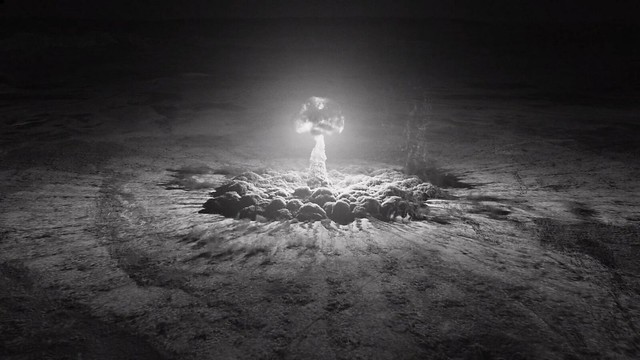
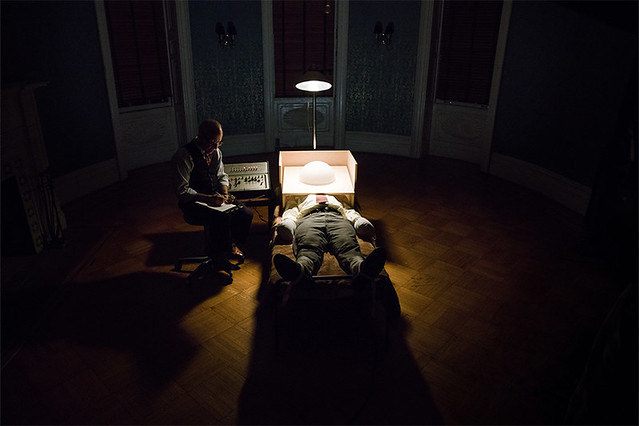
This year's selections in First Look go beyond the traditional screen presentsuch as Daniel Cockburn's quasi-film lecture All the Mistakes I've Made (Part 2); a new program of Radio Atlas short works comprised soley of audio recordings and projected subtitles; and even a work being produced during the festival, an update of Wim Wenders's documentary Room 666 in which filmmakers talk about the state of the art form.

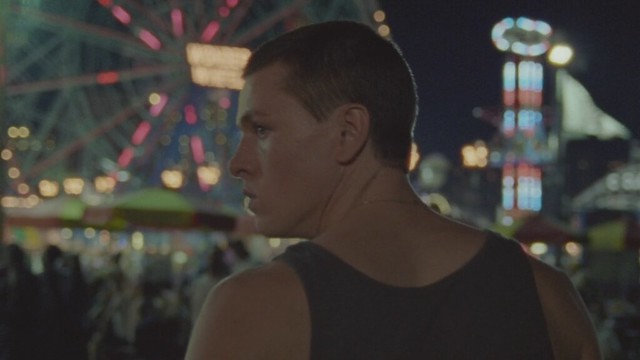
First Look to open with U.S. premirere of Blake Williams's 3-D film PROTOTYPE, and will include new boundary-breaking work by James Benning, Ken Jacobsm and an exciting array of emergining artists from around the world January 5-15. Please visit MoMI website for more details.

Here are 7 outstanding films I was able to sample:

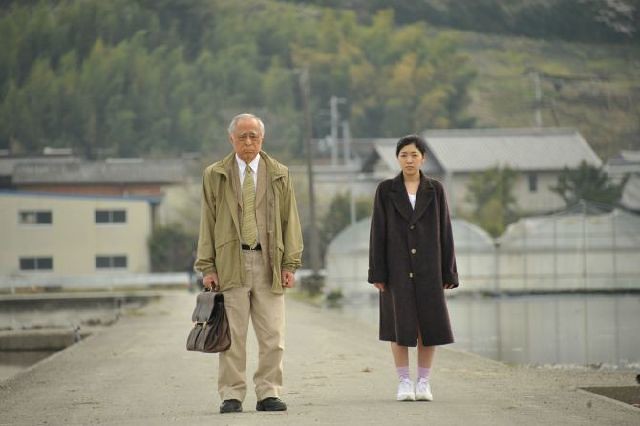
The Last Days in Shibati - Hendrick Dusollier
Screen Shot 2017-12-22 at 11.56.50 AM
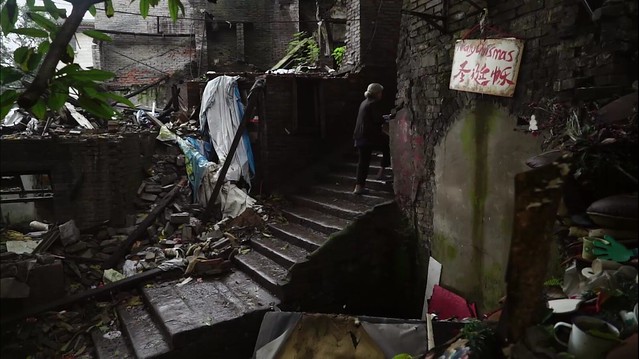
Disappearing urban slums have been documented before - Fountainhas of Lisbon in Pedro Costa's films, Kowloon: The Walled City by a German TV channel in the 80s, and of course, 24 City by great Jia Zhangke among many others. Frenchman Hendrick Dusollier spends a year in the last old district in Chong Qing one of the mega cities situated in the southern China. He films its inhabitants as the neighborhood slowly but surely disappears.

Unlike many other documentaries or dramatizations of a specific place, Dusollier let himself exposed and known to his surroundings. Everyone he meets and treats him as a foreign man with the camera who doesn't understand the language but films everything. His insistence as mostly silent observer wins over some curious inhabitants, namely a barber and his mother whose open, dimly lit shop continues to serve the community under the threat of imminent eviction, Zhou Hong, a neighborhood kid who shows Dussollier around through the labyrinthine dark alleys and Mrs. Xue Lian, an old woman who makes living by picking up bottles and who turns out to have the biggest collections of weird junk in the corner deep in Shibati.

Dussolier comes back to the place and revisit these people, sometimes with an interpreter, sometimes not. He visits them after they were forced to relocate. They understand that he is in Shibati to film what's going to be lost forever. It's this mutual understanding that makes Shibati different from other anthropological documentaries. Dusollier keeps things personal and human.

Marlina the Murderer in Four Acts - Mouly Suriya

Screen Shot 2017-12-23 at 8.17.37 PM
Sprawling, picturesque vistas of an Indonesian Island lensed in widescreen format as a back drop, Mouly Suriya's Marlina the Murderer in Four Acts, is a rape revenge western from a female perspective. Marlina (Marsha Timothy), a widow farmer is visited by Markus (Egi Fedly), who tells her that his gang is on his way to rape her and take all her livestock and reminds her that there is nothing she can do about it. When the rest of the gang get there, she poisons them and decapitates Markus while being raped. With Markus' head, she takes a journey to the police station- first by bus, where she meets Novi, a very pregnant woman and befriends her, then later on a horse. At the police station, she learns that justice won't be forthcoming and has to go back to her house for Novi who was captured hostage by the rest of the gang.

Marlina is quite significant coming from an extremely patriarchal society. Weird mixture of Bring Me the Head of Alfredo Garcia and Thelma and Louise, the film features some beautiful landscapes and local customs - keeping mummies of the loved ones in the house for example and humiliating sexist traditions - cattles for a dowry etc.

Communion - Anna Zamecka
communion
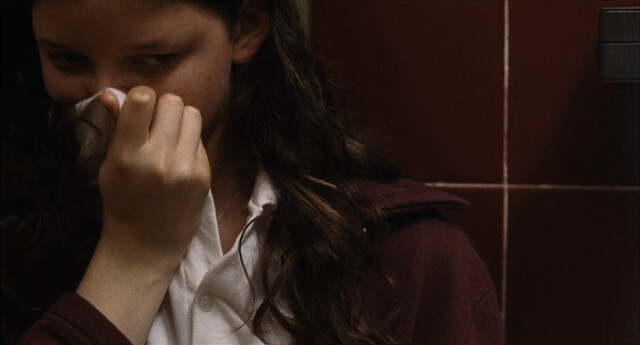
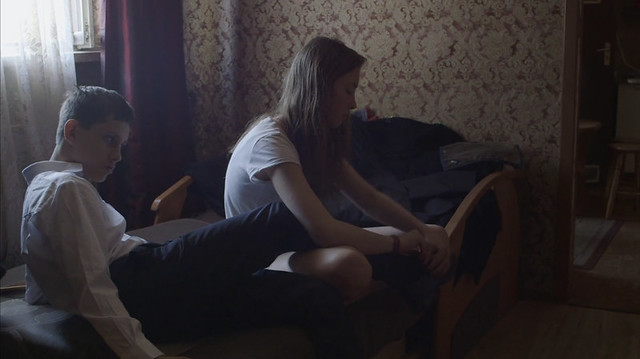
Ola, a 14-year old school girl is the focal point of Anna Zameca's intense documentary on fractured family in Poland. We also get the glimpse of a still deeply religious society. Ola has her hands full taking care of her autistic brother, Nicodem, and drunkard father. The film takes place when Nicodem's communion is approaching. Using the communion as an excuse, Ola tries to reunite her family with their estranged mom, who lives apart and has a baby with another man.

Ola is pretty much a mom to Nicodem, she bathes, clothes, feeds and takes care of his school needs. She is also a strict disciplinarian with her alcoholic dad, calls him to make sure he comes back home from pubs, no TV while baby's sleeping, shuts him off from saying incriminating things to welfare officers. She sweeps, washes, cleans and tends to the wood burning oven, yet she likes to put on a dress and have a good time at school dance.

Zameca captures some astonishing moments of intimacy and authenticity in a tiny, cluttered home. It also puts a spotlight on autism and how many societies are not equipped to deal with it. Nicodem is treated like a normal kid both in school and in the church. He definitely severely affected in his speech, attention, and repeated hand gestures. Yet is that kid who is 'a little strange'. It's also kind of scary to hear moments of clarity when he says things out of the blue. At one point in the bathtub, he repeats "The reality becomes fiction."

It's a family where the child parent roles are reversed in all functionality. She acutely observes that Ola growing up way faster because she has to- yet she is still a child who naively hopes that their family will be together again. Komunia is a heart breaking, beautiful film.

Railway Sleepers - Sompot Chidagosornpongse
Screen Shot 2017-12-24 at 12.08.27 PM
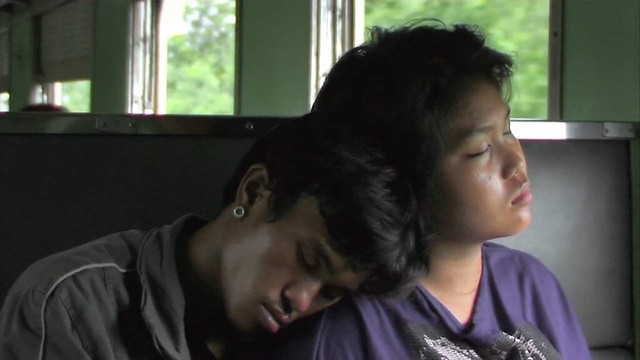
Part love letter to the Thai railway system, part documentary, part experimental, this Apichatpong Weerasethakul produced film moves along from Northern Thailand to South, recording two days and two nights of locomotive travel. First inaugurated by King Rama V in 1890s, Thai railways are revered and regarded as the nation's backbone. We see travelers of all ages and social strata, eating, talking, gazing and sleeping in a confined biosphere, a great microcosm of the world as it were- two recent previous films come to mind as a great example of this - Bong Joonho's dystopian Sci-Fi Snowpiercer and J.P. Sniadecki's artful Iron Ministry. Railway Sleepers feels more personal and intimate. Its slightly moving camera as the train moves along, captures day in the life of ordinary Thais. The film has that lulling hypnotic effect: it's as if the gently undulating train cars with that unmistakable, repetitive sound of a train rolling on the tracks invites you to sleep.

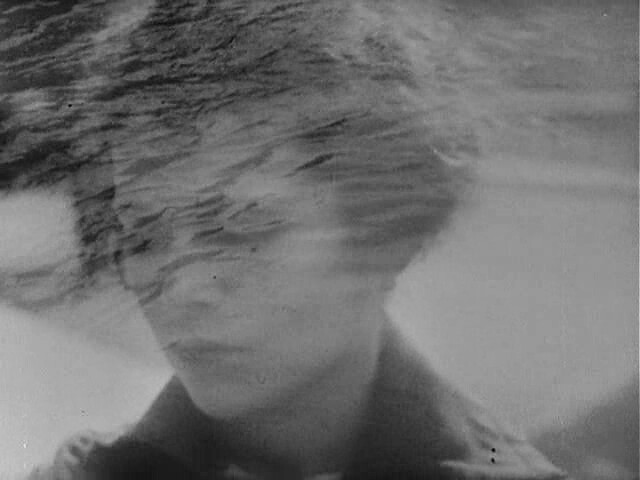
Exiled - Marcelo Novais Teles
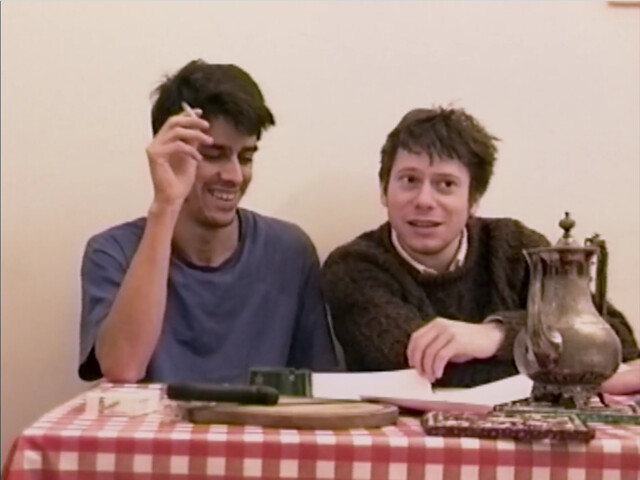
Screen Shot 2017-12-26 at 11.37.15 AM
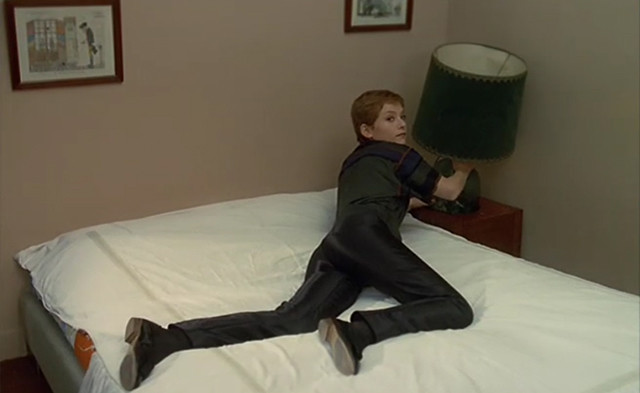
Marcelo Novais Teles, a young Brazilian man, moves to Paris to pursue an acting career in the 80s documents his life in grainy Super-8, Hi-8 and DV. L'Exilé is at once a deeply personal film and a time capsule of a certain generation of French filmmakers/actors. Teles, with his soulful face and charming accent, was able to surround himself with like-minded young, struggling artists. The film is filled with their honest conversations on life, art, love...etc. There are some recognizable faces in French cinema popping up now and then in Teles' home video footage - most notably Mathieu Amalric. This is way before he became famous.

There are a lot of footage of Teles playing with his friends' kids (including Amalric and Balibar's later on). Forever bachelor and struggling with his loneliness being an illegal alien in a foreign country, he shows his anxiety about constantly producing something meaningful in his lifetime.

As we watch an honest depiction of someone's life floating by- hope, ambition, love, regret, even considering the specificity of Teles' circumstances, we realize how universal our 20-30s are. Beautifully edited and intimate, L'Exilé is something that every struggling artist can relate to.

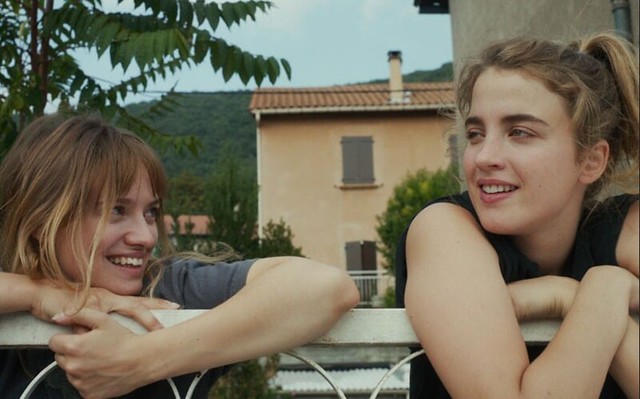
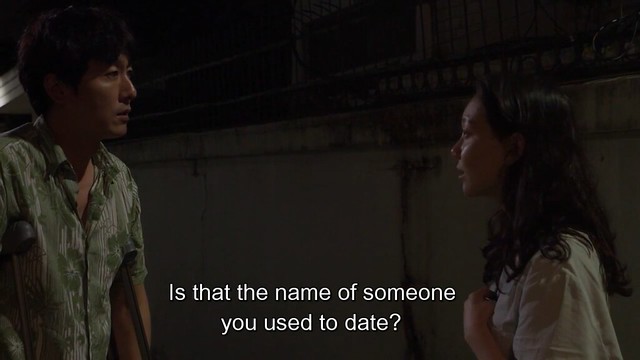
Colo - Teresa Villaverde
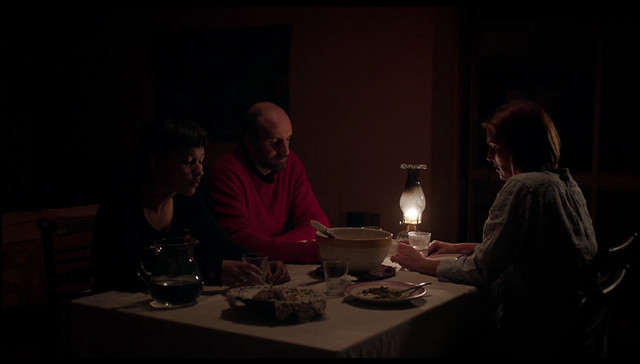
Colo
"We are not at war and no one's ill!" shouts Marta (Alice Albergaria Borges), a teen girl in a household disintegrating under the weight of economic hardship in Portugal. She is merely responding to her hard working mom, who announces that Marta and her unemployed father needs to move to grandma's house temporarily because they can't afford the rent or electricity. There is a time in one's lives, like a war or illness in the family which force us to rely on other family members is what mom tells her. Marta's response encapsulates what Colo and its sad characters are about.

Dad (João Pedro Vaz) spends days soliciting job interviews which he never gets responses from. Completely beaten by the circumstances, he is a hull of a human who can't do anything other than sulking. Mom, doing double shift to support her family, is exhausted and irritable all the time. Marta, going through teen years, gets heartbroken by a boy and falls in with a pregnant bad girl classmate Julia (Clara Jost). Everyone in Colo wants a way out of the situation they are in and out of the family.

Teresa Villaverde takes her time to build the characters but at times it seems things are too stretched out, as if we are seeing things in real time. There are several great moments though. No electricity affords some painterly scenes and there are a lot of beautiful connections among characters. Carefully written and sensitively treated, Colo shows the effect of economic devastation on a family.

The Lives of Thérèse - Sébastien Lifshits
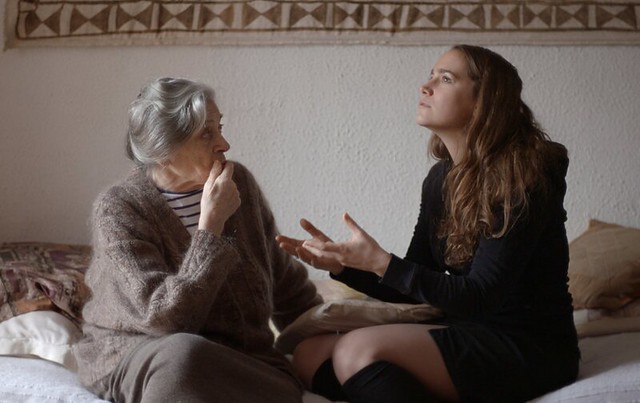
Screen Shot 2017-12-31 at 11.27.17 AM
Sébastien Lifshits shifts his gears toward an old pioneer of LGBT movement in a solemn, unsentimental fashion in The Lives of Thérèse, from his usual beautiful young gay subjects in glitzy style. Thérèse Clerc was one of Lifshits' subjects in his documentary The Invisible Ones (2012) where he chronicled LGBT pioneers. As Clerc is dying of an old age, they mutually decided to record her final moments.

Here Lifshits doesn't reinvent the wheel of documentary or anything. But he approaches his remarkable subject directly with an utmost respect and love.

Clerc, as an activist for women's rights movement and fought for LGBT rights, was a subservient wife with 4 kids who had an awakening in 1968 revolution, divorced her husband, and became a lesbian at 40. The film consists of Clerc's daily routine of conversing with doctors at the hospital, with her grown up children and other friends. Her children talk frankly about their upbringing, their mother's sexuality and her approaching inevitable death. Clerc admits her body failing even though her mind is still the same. She talks with a young feminist about her sexuality- back then, homosexuality was a political act, the act of defiance. The young woman disagrees with her, that in her generation, homosexuality is out in the open, that she can be a feminist and a heterosexual.

The Lives of Thérèse is not as serene as Haneke's Amour. Often Lifshits captures Clerc in closeups as she falls asleep from exhaustion but the camera movement and color are all love. The film much more than a feminist manifesto. It's a celebration of an extraordinary woman who lived her life fully and loving tribute by those who loved and admired her.

Thursday, December 28, 2017

Eye for an Eye

The Killing of a Sacred Deer (2017) - Lanthimos
Screen Shot 2017-12-27 at 12.05.18 AM
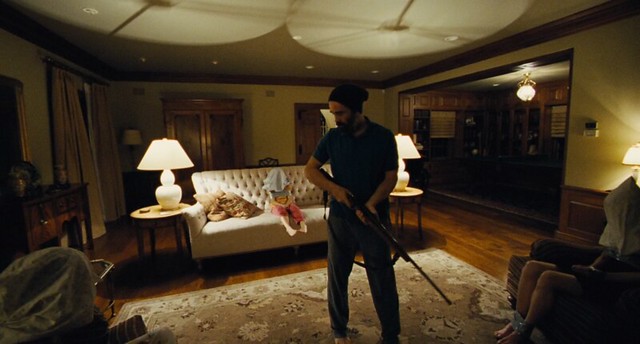
The story concerns a heart surgeon (Colin Farrell) being stalked by a boy whose father dies in his operating table. The doctor tries to make it up to the boy by being nice to him and buying him gifts, the boy inches towards him and his family in a very creepy way. Sensing that the boy is crazy, the doc shuts him off. Then the doc's young son suddenly gets paralyzed from waste down and refuses to eat food, literally starving himself to death. And this is what the creepy boy told him when he shut him off: all his family members will be paralyzed, then will refused to eat then will start bleeding from their eyes then die. His daughter is next to be hospitalized with the said symptom. Is the creepy boy and his mom some kind of witches?

Lanthimos is back to his sadistic shtick with Sacred Deer and there is nothing fresh about it at all. If it's his take on American society (taking place in Cincinnati Ohio), its context is completely lost to me. And if he was, this feels like a much lesser pointy version of his idol Haneke's American remake of Funny Games. The wide angle shots are all Kubrick and its sadistic nature is all Haneke and with actors doing their monotonous deliveries, there is absolutely no originality. Lanthimos loses the sight of creating a world that is slightly different and weird that he so successfully created in Lobster. With that shaky foundation, Sacred Deer never strikes the right emotional, tonal core and struggles to maintain its house of cards. Major disappointment.

Monday, December 25, 2017

Top 20 Discoveries 2017

Top 20 in order watched:
*Click on the titles for full reviews

0.5mm
(2014) - Ando
4765399_film-review-05-mm_e43310df_m
As far as writer/director goes, Momoko Ando is one of the few filmmakers that I do not mind indulging her long drawn-out, non-three act structured, almost meandering narratives. Her acute representation of current Japanese society is also emotionally affecting.

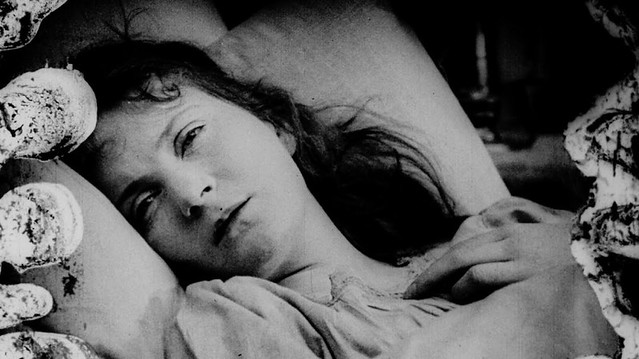
Ménilmontant (1926) - Kirsanoff
Screen Shot 2017-01-04 at 8.58.15 PM
Lyrical, inventive and also violent silent film. Nadia Sibirskaïa is a sight to behold.

Passion of Anna
(1969) - Bergman
Screen Shot 2017-01-13 at 7.11.08 AM
Perhaps the darkest and most depressing film of all Bergman's filmography. Deep, Dark, Sad.

Suzanne
(2013) - Quillévéré
Screen Shot 2017-12-24 at 2.03.32 PM
We only get the glimpse of Suzanne's life every 5 or so years, not in a calculated, 'the super hit medley of my life' but more fleeting, observing someone's life with a sense of melancholy. This way, Quillévéré eliminates a sense of that false expectation/manipulation that comes with moviemaking. We see excellent actors portraying beautiful characters and we share their regrets, loves and their sadnesses together. Suzanne is a massively affecting film, much more so than any of Dardenne Bros. films.
Montparnasse
(2009) - Hers
Montparnasse 2
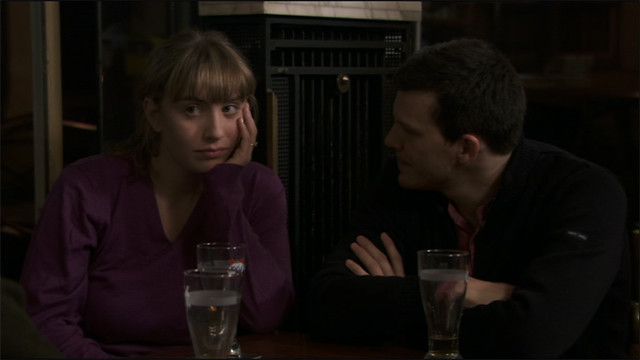
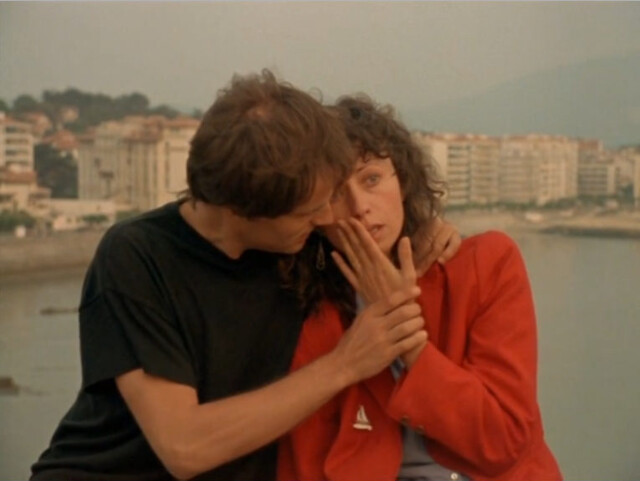
There is something genuinely beautiful about how Mikhaël Hers draws these human interactions: its downplayed characters- imperfect, shy, introverted- finding themselves somehow connecting together in whatever the circumstances. Its massively underlit interiors and exteriors can't undermine the human warmth emanating from the film. Watching Montparnasse gives you that euphoric feeling that you are not alone in this world, not from some misplaced sense of nostalgia but rather from the possibilities of real human connections with someone you already know or someone new. And that someone doesn't have to be striking looking or extremely clever or funny or well-educated. Even though most of the characters are twenty-something, there is no movie-ness about Montparnasse, just guilelessness and honesty, but fleeting enough not to get bogged down and becoming faux-serious docu-drama. The mood is just right, the music's great and the night is short. And after watching it, you can take that beautiful feeling with you to last at least all through the night.

Malina
(1991) - Schroeter
a0227341-50d7-4446-a70f-1a4ec0cc7c36_zpseydio8c8
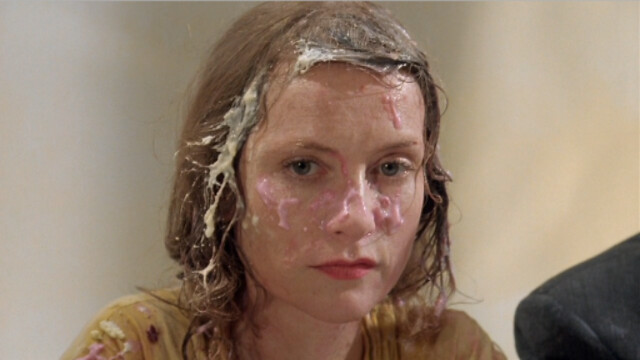
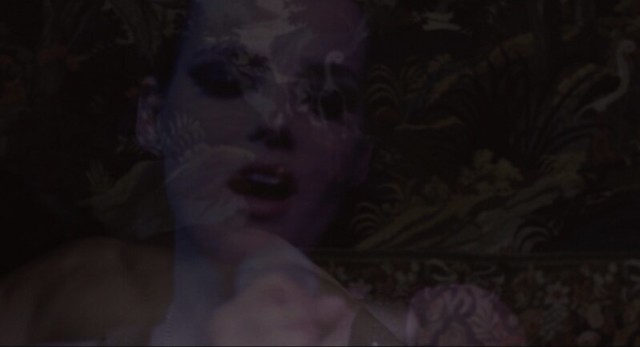
The film begins with a horrific nightmare of the writer. Her father throws her younger-self out the roof of the building. Her father is a recurring figure, sometimes seen in a Nazi uniform, reinforcing patriarchal post-war male dominant European society. Malina is a complex and crazy movie filled to the brim with symbolic images and close ups of Huppert's tearful face. Mirrors, reflecting our writer's state, is also prominently used. It goes completely bonkers in the last 30 minutes as things turn completely surreal, with part of the writer's apartment constantly on fire while Huppert pacing back and forth in her letter strewn flat as if everything is normal. Malina has a same emotional intensity as any Zulawski films and Huppert gives all to her blistering performance as a woman who desperately needs to validate her existence.
Terrorizers
(1986) - Yang
terrorizers
On paper it reads like a sordid crime film very much akin to what the author says in an interview after she won the first prize, that she was "inspired by Japanese crime novels". But Terrorizers is nothing but. Everyone is well equipped with back stories and their motivations, except for the wayward youth with no moral compass, suggesting that this girl, the catalyst for everything that happens in the film might be the work of fiction, that her appearance is what people are wishing for in their daily tedious lives.

With Haneke like double take at the end, the film puts an emphasis on the fiction overtaking reality overtaking fiction. Ambitious and seductive, Terrorizers beckons me to watch more of the Taiwanese master's films.

La niña santa
(2004) - Martel
71a923c2-9137-4081-a85e-4618f5859055_zpsgwq9padw
Martel proves to be the master of close-ups and shallow focuses. The details of the senses and small moments she captures on screen - touch, smell, whispers make up the film's superbly orchestrated, organic feel. All the connective tissues of the film are all spread out- the fact doctors are ear-nose-throat specialists - whispers and misheard information, smell, singing, but her approach is so subtle and fluid, you can't help but admire her skills. The Holy Girl is about Amalia as much as it isn't. The film's sordid details of the lives of middle class bourgeoisie can be seen as Almodovar-esque melodrama. But as in all Martel's films there is always a it's-barely-there-but-there satire. I can't really think of any director working today who works on Martel's level. The Holy Girl is a true cinematic feat!

L'uccello dalle piume di cristallo (1970) - Argento
crystal plumage1
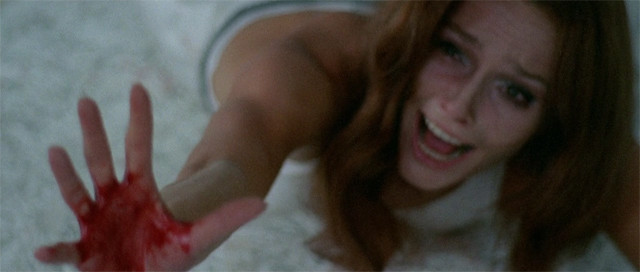
The use of architecture and art Bird with colors and framing, the Crystal Plumage is perhaps one of the most accomplished, stylish debut feature of all time. It contains all of the Dario Argento signature of his later classics and can still be counted as one of his very best. Renzi is appropriately freaky. A great giallo.

La Truite
(1982) - Losey
truite01
It's all Huppert though. Her mixed naivete and nonchalance makes a hell of a complex, beguiling character. She can be brutal in kicking old pervert's balls several times but also can be remorseful after throwing the man's stuffed trophies out the window and seeing him cry. Another strong film that demonstrates Huppert's talent and charm.
La Notte
(1961) - Antonioni
Screen Shot 2017-08-01 at 8.56.42 AM
La Notte might not be the most cinematic films in Antonioni's oeuvre. But with older, knowing protagonists, it is a lot more impactful and sadder than L'eclisse. The last scene, as the unhappy couple trying to have sex in the field is perhaps the saddest movie ending ever. I think I am beginning to appreciate Michelangelo Antonioni's artistry more now that I'm older.

Le rayon vert
(1986) - Rohmer
Screen Shot 2017-08-20 at 10.13.53 AM
Dephine needs that rare occurrence in her life. That it is possible that there is somebody who is in the same wavelength as you. However rare meeting that person is, it could happen. Deeply humanistic and beautifully drawn, Le rayon vert is one of my new favorites of all time.

Bella e perduta
(2015) - Marcello
Screen Shot 2017-08-02 at 10.55.34 AM
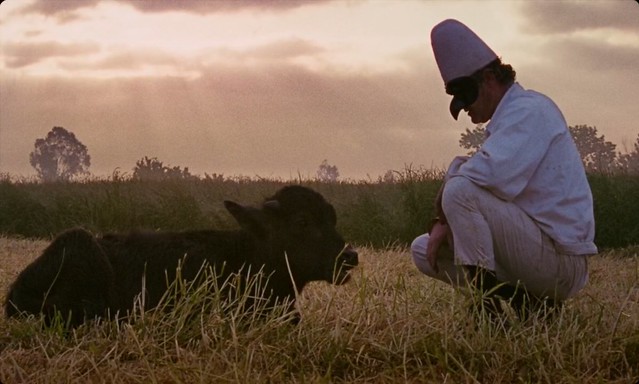
Shot on gloriously beautiful 16mm, the film is really something else. Marcello presents everything so gracefully, putting equal measure of importance on everything, whether it's the footage of ordinary people taking to the street against Mob violence or intensely blue-eyed Tommaso giving a silent tour inside the decrepit palace or a close up of an old farmer brushing her hair or picturesque pastoral countryside where Pulcinella and Sarchiapone take their long journey on foot.

Is human existence is all a dream of a buffalo calf? Lamenting the loss of the way of life, Lost and Beautiful is an immensely wise, melancholic look at what it means to be human. Beauty.

Malgre la nuit (2015) - Grandrieux
Screen Shot 2017-09-16 at 11.09.16 AM
Seriously, Narrative is for pussies.

Toute une nuit
(1982) - Chantal Akerman
Screen Shot 2017-09-03 at 11.09.10 AM
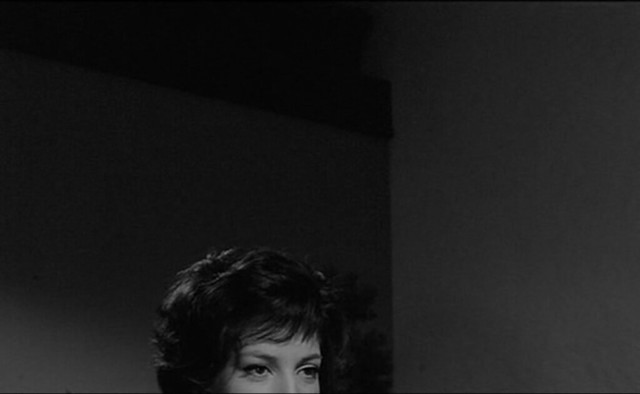
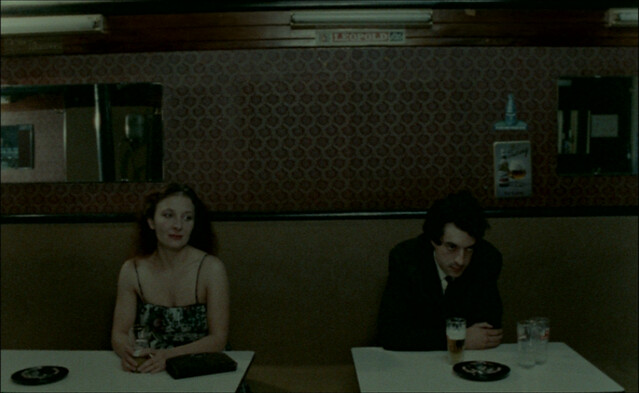
Night is a powerful equalizer - in the shadows, we can hide all our imperfections. In the shadows, night is also an enabler for those who act on their impulses. This is how I felt watching Toute une nuit. No one does loneliness like Akerman. She stitches together these lonely souls in short, almost silent segments as they sit in empty bars, cafes, rooms, balconies, corridors. They also run around, pack and leave, break up, and embrace each other and dance. There are so many embraces in Tout une nuit. They are not the happy ones. They are desperate, sad ones- holding each other tight, not able to let go and becoming sad dances.

Toute une nuit is a beautiful, melancholic piece that speaks to the lonely hearts everywhere.

L'Immortelle (1961) - Robbe-Grillet
Screen Shot 2017-10-23 at 7.29.50 AM
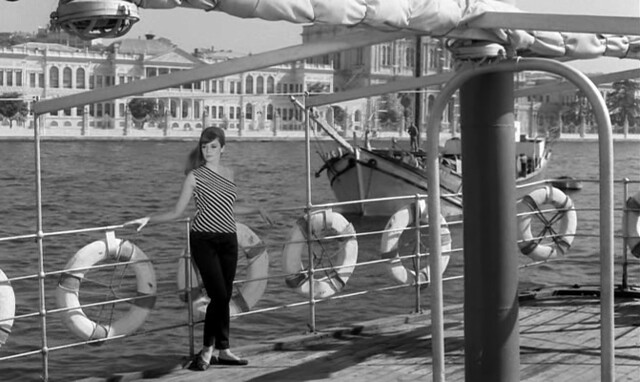
L'Immortelle is an intricate visual puzzle piece that's beautifully put together: repetition of images, still and panning shots and the accumulation of these give meanings in edits. Just like the palace in Marienbad (Schloss Schleissheim), Istanbul and its waterways serve as a magnificent backdrop. Brion, as the mystery personified. is magnetic. The elliptical narrative and the images give the feeling that time doesn't exist in the film. Your own memories are immortal for long as you live, the film tells us.

Yourself and Yours
(2016) - Hong
Screen Shot 2017-10-15 at 9.57.57 AM
Yourself and Yours turns out to be perhaps the most poignant and romantic film of all the Hong's I've seen so far. Inebriated Minjung (Lee You-young) flirts with a film director she just met, over beer. When they meet, the director is convinced that he knows her from somewhere but she vehemently denies it. Over a short period of time before the encounter, she leaves Yongsoo and breaks up with an older man who also first thought she was Minjung but she tells him that she is her twin sister.

Just to be in the clear, Yourself and Yours is nothing like Buñuel's or Kieslowski's. Hong's interest is not in identity crisis or duality of men. His double takes and alternate scenarios may seem manipulative (also delicious) but the movie is more to do with accepting a person for who that person is, with blemishes and all that.

JLG JLG: autoportrait de décembre
(1994) - Godard
Screen Shot 2017-12-03 at 11.56.03 AM
Godard's seemingly abstract connections through politics, history and art are not without fangs. Like light and darkness, there's two sides always competing, but what if there is only one side but the other is just an reflection of one's self? "JLG by JLG," he says at one point. It's only you who can truly represent yourself and on the same token, truly judge yourself. "I am legend." He declares on the pages of his note book- he is thoroughly aware of his past. The past is never dead. He's the director of Breathless and Pierrot le fou among others. But over the years, his persona (his name) has taken over a center stage rather than his films. How do you reconcile the two? He also has to live up to his name. With everything that was going wrong in the world at the time, speaks of love, as if there is a chance in the rotten world that gives us meaning to all of this. He will be remembered in art history. He is legend. He has been tirelessly exploring and in turn, elevated cinema as an art form.

Paranoid Park
(2007) - Van Sant
Screen Shot 2017-12-09 at 1.28.41 PM
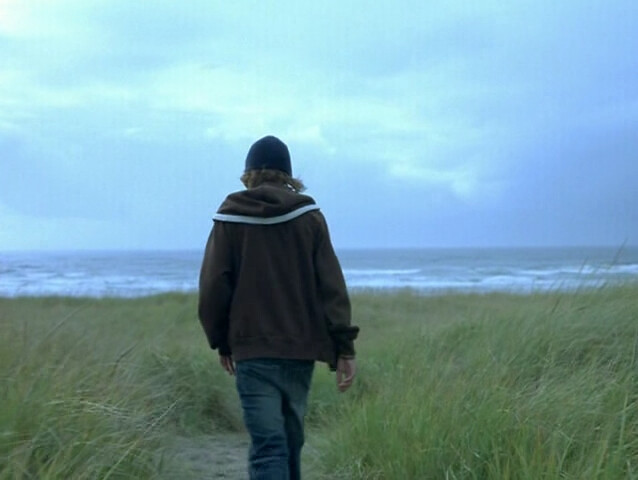
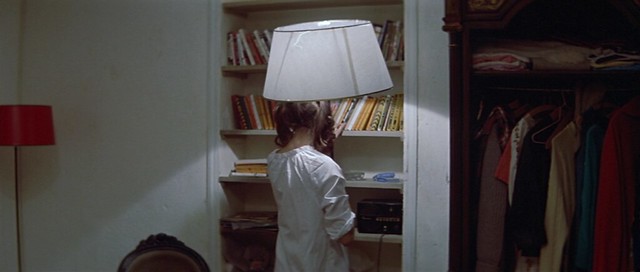
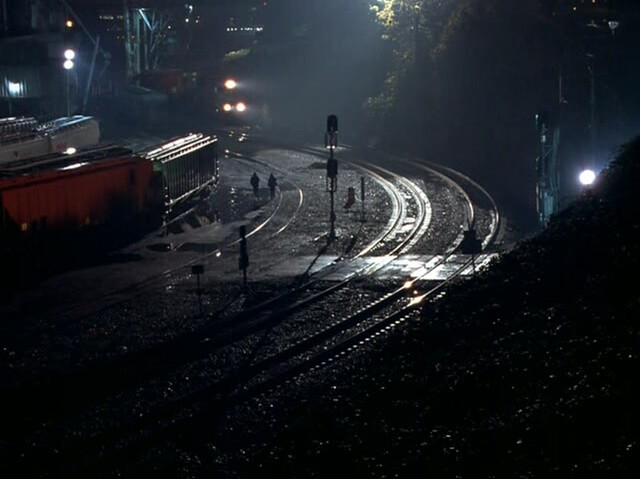
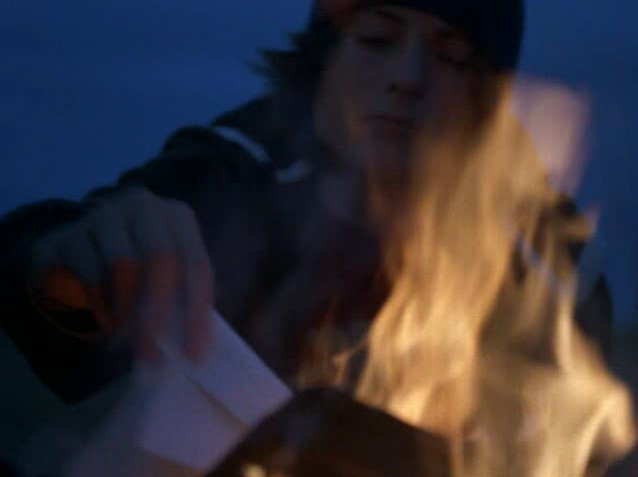
Paranoid Park isn't really about anything. Sure it deals with skater kids in High School setting and an accident where a railroad security guy gets killed. Gus Van Sant and DP Chris Doyle rather ringer on their angelic looking young subject with shallow focus and all. As Alex struggles a little with his guilty conscience, he gets a little help from a goth girl Macy. She suggests to write what's on his mind and take the weight off his chest. So he goes along with it, simply leading his teenage life. And it's a sublime experience.

Une femme est une femme
(1961) - Godard
Screen Shot 2017-12-20 at 7.28.19 AM
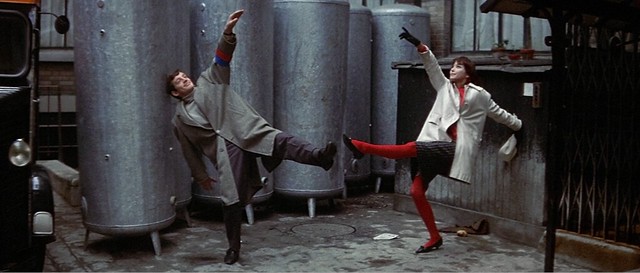
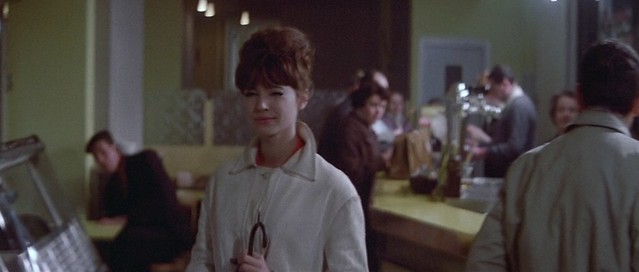
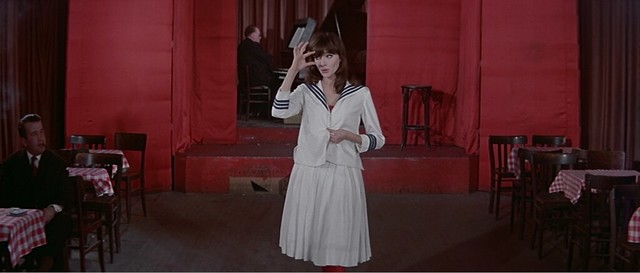
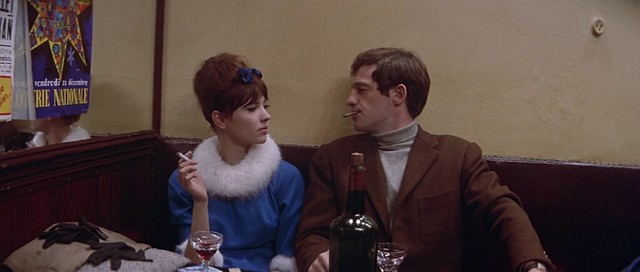
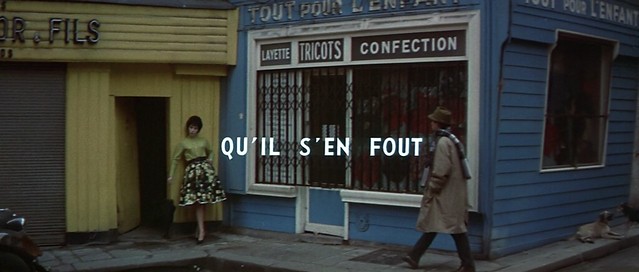
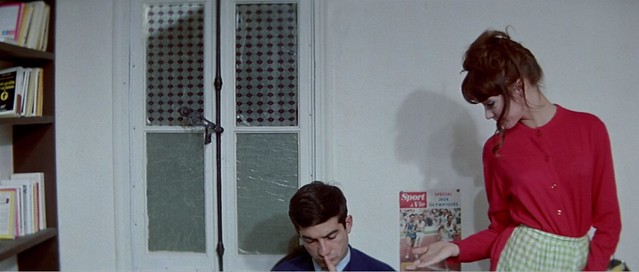
Playful and vibrant, Godard's take on musical after massive success of Breathless is a pure joy. It vastly relies on the charm of Anna Karina who ignites the cinemascope technicolor screen. Paris is never more beautiful as Karina, Belmondo and Brialy roam around Raoul Cotard lensed, busy city, mostly unaware of their filmmaking shenanigans. It's good to see Godard celebrating youth and youthful optimism about the cinema before his cynicism and grumpiness took over. It liberating it must've felt. So many great moments. So exuberant! So lovely.

Friday, December 22, 2017

My Top 10 Favorite Films 2017

What can I say? The country has gone to the dogs. Half of the country made clear that they are racists and the government loudly declared that they don't care about the poor people. It's been a miserable year. If anything, it was cinema that got me through the tough and ugly times. It showed me that there is much humanity and beauty in the world still. Even though I watched much less films this year, the quality of the films were nothing short of amazing.

I have to say on record that I am more than happy about cable TV and streaming services chipping away at the dominance of theater going experience and blurring the line among different formats. Cinema should be a democratic experience and accessible. I say this while I can, since Net Neutrality is gone. :sad: But cinema has been alive and well this year. Viva le Cinema!

1. Twin Peaks: The return - David Lynch, Mark Frost
Screen Shot 2017-12-21 at 7.11.38 AM
Soon as the Showtime's 18 part Twin Peaks revival ended at the end of the Summer on Showtime, it was evident to me that I would't see anything that'd come close to being as cinematically audacious as this. The thought of labeling it for either TV series or a film never crossed my mind. Twin Peaks: The Return is without a doubt, the highlight of cinema of this year period (if not of all time), all 18 hours of it.

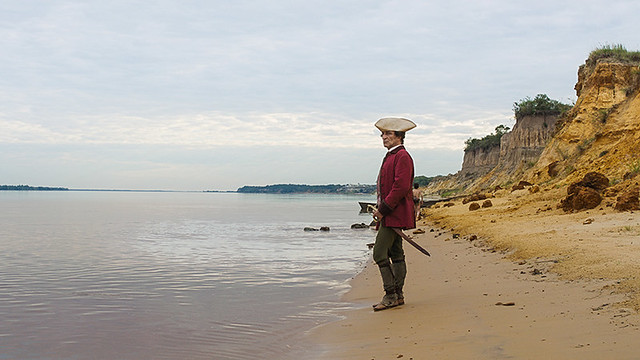
2. Zama - Lucrecia Martel
zama
As far as visual aural experiences go, there is no director working today whose greatness comes close to that of Argentine director Lucrecia Martel. Her mastery comes to full fruition in searching for El Dorado story of Don Diego de Zama, a historical epic. Beautifully contextualized and richly textured, Zama is an amazing films to watch on the big screen.

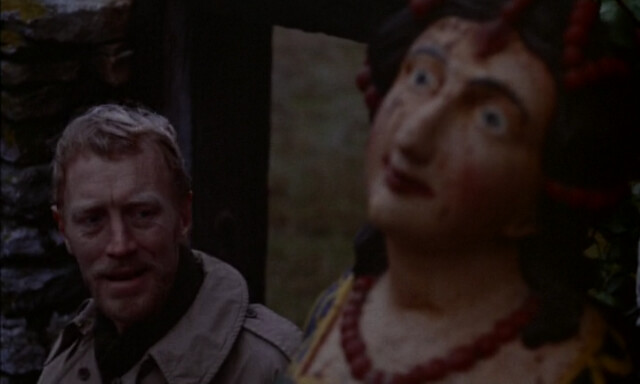
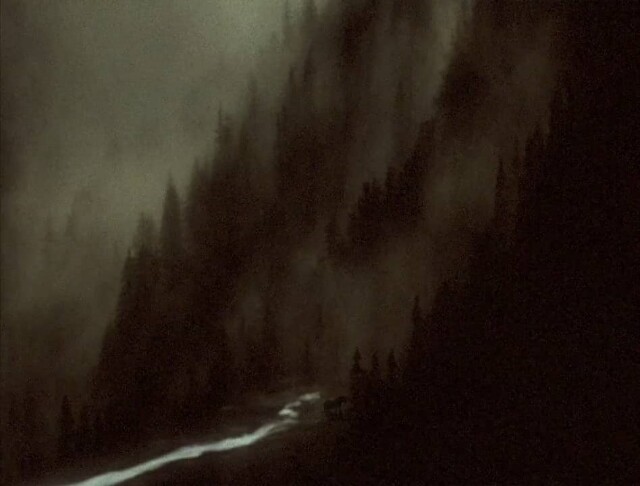
3. Sleep Has Her House - Scott Barley
592953425
Talk about immersive cinema experience, look no further than Scott Barley's Sleep Has Her House. It's his otherworldly beauty of the Scottish Highlands at night and soundscape that pull you in. But however grand and beautiful his images are, there is a familiarity and coziness to them. In Barley's world, an inner-scape and an outer-scape are one in the same. It's his ability to internalize his surroundings that is truly remarkable. Darkness can be a scary and frightening place. Embarking on SHHH might conjure up the image of a Saturn eating his own offspring at first. But once you take a leap and plunge into his shadowy, slowly moving images, the beautiful, mysterious yet familiar darkness envelops you and sucks you in. There is an ebbs and flows to SHHH, like a piece of fine music, like a taste of complex whiskey. It's truly one of a kind experience.

*My interview with Scott Barley

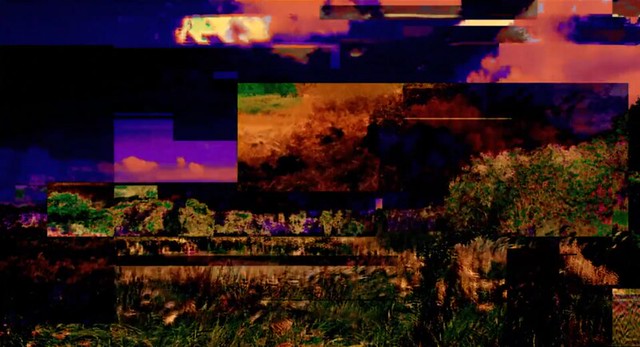
4. By the Time It Gets Dark - Anocha Suwichakornpong
Screen Shot 2017-10-13 at 11.16.23 PM
The film might sound too precious on paper - those too self-aware films in love with themselves. But the result of layers of these slightly connected vignettes and visual metaphors are anything but. Images are democratic- whether it's a trashy, seemingly inconsequential pop culture, the serious historical reenactments, Buddhist temple, disco tech and pixelated visual noise have the same value. It's a very Dostoevskian concept- like a tobacco leaves and fungi, to give them meaning and purpose, these layers Suwichakornpong presents will need to sit and rot. I am just amazed by her wisdom and skills to convey this kind of complicated thoughts through film medium.

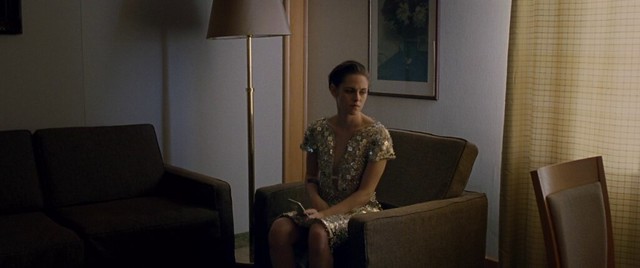
5.Personal Shopper - Olivier Assayas
Screen Shot 2017-12-20 at 8.52.17 PM
Assayas operates on his top form with his muse Kristen Stewart in their second collaboration. He uses her nonchalance, youth and this time vulnerability as a grieving young woman unsure of her judgment and emotion. Personal Shopper is a lucid, flowing, deliciously addictive concoction.

*My Interview with Olivier Assayas

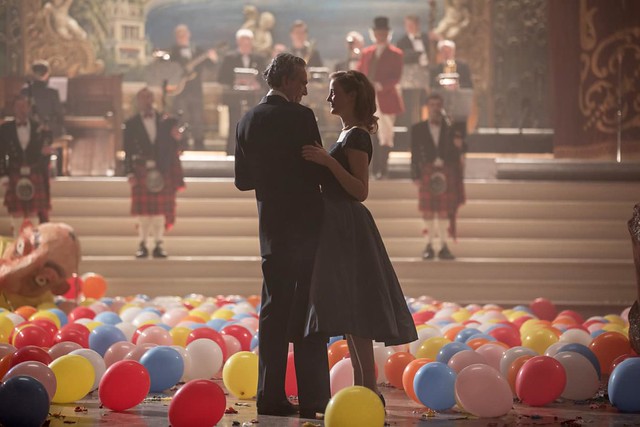
6. Phantom Thread - Paul Thomas Anderson
phantomthread015
Beautifully crafted, Anderson makes a film about a woman going to extreme measures to be part of the man she loves and he finally accepting it - there is something endearing and sexy about that, even though there is no sex scene in the film.

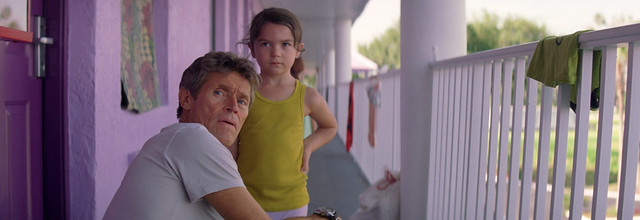
7. The Florida Project - Sean Baker
TFP-cover
Sean Baker, a director of much praised iphone shot movie Tangerine, digs deeper into the flip side of American Dream with The Florida Project, starring kids and featuring the lives of kids on Route 192, under the shadow of Disney World. As with Tangerine, Baker uses mostly untrained non-actors to portray people on the skid and just have them run with the materials they were given. The result is stunning work of authenticity, brimming with humor, heartache and much humanism. In the end, we know it's a make-believe and that everything is going to be all right. But the final moment of the film, taking place in the real Magic Kingdom, shot on shaky iphone, really got me emotionally. It is, shall we say, pure magic.

8. Dawson City: Frozen Time - Bill Morrison
973a99f2-9b26-458d-baca-20514564e08a_zpsxe1pk3wb
Bill Morrison draws fascinating paralleling histories of American prospecting days and early development of film industry and the results are quite explosive. Morrison, known for his disintegrating found footage images, creates hugely entertaining film that is both artful and informative.

9. Wormwood -Errol Morris
Wormwood
With his journalistic candor, Errol Morris meticulously digs into America's ugly past. A 6-part series on Netflix serves the subject right for the seasoned documentarian to be much more expansive and rigorous. It is one of the most inventive, refreshing cinema events of the year.

*My interview with Actor Christian Camargo

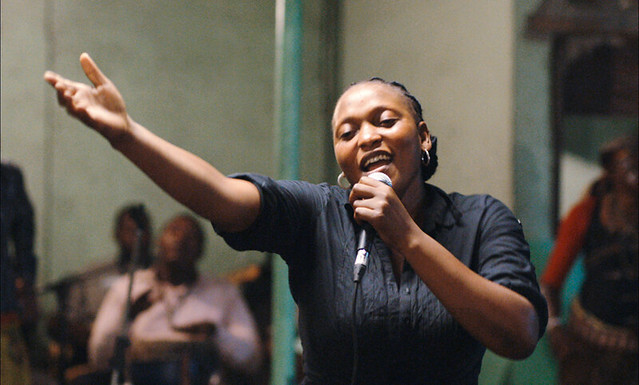
10. Félicité - Alain Gomis
felicite
Félicité is a melding of many conflicting elements. There are documentary like naturalism mixed in with recurring beautiful dream sequence in the woods in near darkness. There is local music (featuring the Kasai Allstars) rubbing shoulders with Kinshasa Symphonic Orchestra playing classical pieces by Arvo Pärt. Félicité's strong willed, modern woman meets Tabu's womanizer and drunkard. They accept each other and continue their amicable relationship. Structurally daring, beautifully down to earth but not gritty, Alain Gomis' gentle touch stands out as the biggest discovery of talent in my book.

*My interview with Alain Gomis

And the rest...

Visages Villages - Agnes Varda

Un beau soleil intérieur - Claire Denis

On the Beach at Night Alone - Hong Sangsoo

The Shape of Water - Guillermo Del Toro

The Other Side of Hope - Aki Kaurismaki

Lady Macbeth - William Oldroyd
*My interview with William Oldroyd

Beach Rats - Eliza Hittman

Thelma - Joachim Trier

A Quiet Passion - Terence Davies
*My interview with Terence Davies

Frantz - François Ozon
*My interview with Director François Ozon

Wednesday, December 20, 2017

Joy and Optimism in Cinema before Cynicism and Grumpiness

Une femme est une femme (1961) - Godard
Screen Shot 2017-12-20 at 7.40.10 AM
Screen Shot 2017-12-20 at 7.23.22 AM
Screen Shot 2017-12-20 at 7.28.19 AM
Screen Shot 2017-12-20 at 7.30.29 AM
Screen Shot 2017-12-20 at 7.31.55 AM
Screen Shot 2017-12-20 at 7.34.04 AM
Screen Shot 2017-12-20 at 7.37.03 AM
Playful and vibrant, Godard's take on musical after massive success of Breathless is a pure joy. It vastly relies on the charm of Anna Karina who ignites the cinemascope technicolor screen. Paris is never more beautiful as Karina, Belmondo and Brialy roam around Raoul Cotard lensed, busy city, mostly unaware of their filmmaking shenanigans. It's good to see Godard celebrating youth and youthful optimism about the cinema before his cynicism and grumpiness took over. It liberating it must've felt. So many great moments. So exuberant! So lovely.

Sunday, December 17, 2017

Water Water Everywhere

The Shape of Water (2017) - Del Toro
Screen Shot 2017-12-17 at 10.08.37 AM
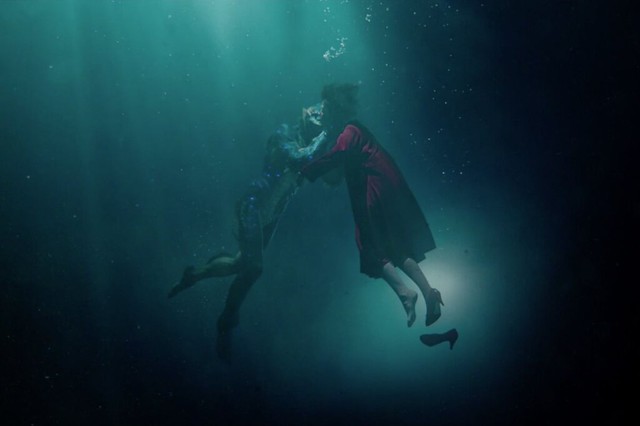
Simpler than his previous offerings, Guillermo Del Toro's The Shape of Water is a sweet love story between gilled aquatic creature (Doug Jones) and a lonely young mute woman (Sally Hawkins). It's also a sly stab at American Exceptionalism that MAGA crowd seems to firmly believe in. The year is 1961, it's time of the Jell-Os, teal Cadillacs & missionary position. The Cold War was still raging, society still very much segregated (the film takes place in Baltimore) and conservative.

As I said before, Del Toro has a heart and imagination of a morbid school girl who'd paint her room crimson and poison cats for fun and fantasizes about falling in love with lonely beasts rather than fair-haired, blue-eyed princes. The Shape of Water is no exception. Although it's an R rated fairytale for adults, deep down, it's a more sophisticated, elaborate version of Weird Science or Mannequin.

The story goes, a merman was captured in South America (duh) somewhere. The US military transported it to a facility in Baltimore to tame it and ultimately use it in the space exploration as a lab monkey (it seems to do well in extreme conditions). If the creature does not cooperates, they'd destroy it rather than risking it falling in the hands of the Soviets.

The hardass who is in charge of the facility is Strickland (Michael Shannon), he is the epitome of American white male - square jawed, bible quoting, casual racist bigot who has penchant for violence. There is Elisa Esposito (Hawkins) a mousy cleaning lady who adheres to her uneventful, repetitive daily grind - wake up, boil eggs for lunch, masturbate in the tub, take the bus, go to work & take the bus back home. Elisa's two friends who ultimately help her - Giles (Richard Jenkins), an illustrator of wholesome product advertisements who is closeted gay and Zelda (Octavia Spencer), the fellow cleaning lady at the lab who's an African American. Then there is Dr. Hoffstetler (Michael Stuhlbarg), a conscientious scientist who helps Elisa for his own reasons. Everyone is fantastic in their roles and has their moments to shine. It's been certainly a year of Doug Joneses. This Doug Jones, especially needs some recognition for his work in this.

But what's up with mutilating people's faces in his films (Pan's Labyrinth and Crimson Peak for example)? There is that too in Shape of Water. I'd love to ask Del Toro about it if I ever get a chance.

Thankfully, there are not much back stories or long drawn out expositions to any of these characters. It's Del Toro keeps things simple while slyly sliding in subversive messages - oh look, it's Carmen Rivera on TV! Ohhh, depiction of ancient slavery as the creature looks on in a movie theater! etc. Elisa conveniently lives above a grand old movie theater and Danish cinematographer Dan Laustsen's palette is all teal and orange. As always, Del Toro's world is exceptionally cinematic and beautiful.

Softer and less tragic, The Shape of Water is a rarely well balanced and most emotionally resonant film and a crowd pleaser from Del Toro since Pan's Labyrinth.

Thursday, December 14, 2017

Wormwood is a Masterpiece We Deserve

Wormwood (2017) - Morris
Wormwood
One man's 60-plus years of obsession to find the truth about his father's death is the subject of the master documentarian Errol Morris' latest magnum opus, Wormwood, a 6-part Netflix series and/or 240-minute standalone movie.

It is one of the most inventive, refreshing cinematic events you will likely see this year. But this genre bending, indefinable whatsit is not really new to Morris. He made his groundbreaking docudrama, The Thin Blue Line, almost 30 years ago. It was the first 'true crime' documentary, and put him on the cinema map, utilizing cinematic reenactments along with a series of interviews, and spawned countless imitators. The film upset many genre purists then. But whether it was interests of the cinephiles or not, in the end, the film actually exonerated its subject Randall Dale Adams from a death row. Talk about cinema with real life consequences!

Looking through his diverse filmography since then, which includes A Brief History of Time, Mr. Death, The Fog of War and The Unknown Known, what always shines through is not his manipulation of medium, it's his clear-eyed quest for truth. It's always been about his meticulous search for truth by any visual, narrative means necessary -- remember his interrotron where you and your subject converse, staring right into each others eyes through his mirror/camera contraption?

Well, he doesn't use interroton in Wormwood, but instead a scripted narrative, acted out by esteemed actors -- Peter Sarsgaard, Molly Parker, Tim Blake Nelson and Christian Camargo -- and melding it expertly with long, multi-angle shot, wordy interviews, Morris creates something that is truly masterful and meaningful.

Wormwood definitely feels more like the expansive version of The Thin Blue Line, in which finding the truth is much more complex and the consequence of it has a grander implication to all of us and our nation rather than one person. I'm very glad that Netflix has given a filmmaker like Morris a blank canvas to play with. The series format fits the project well to tell a complicated story, rather than a typical two-hour film.

It concerns Eric Olson and his lifelong quest for the truth about the death of his father, Frank Olson, a military scientist who died in mysterious circumstances some 60 years ago. Frank was involved in MKUltra, a project where the US government experimented on mind control using LSD on volunteer subjects, along with other secret government projects.

One day in 1953 during a trip to New York, according to his superiors, he 'fell' from his 13th floor window of his hotel room. It said that it was possible that he might have 'jumped' while under the influence of the drugs. Without any prior drug or mental problems, for his family, this 'accident' came as a shock. Eric, still young, couldn't comprehend what they said. Fall and jump were two very different words and he struggled to reconcile the two.

Like many of Morris' subjects, Eric Olson is a brilliant and obsessive man. He's an extremely articulate man who might have had a promising career if it wasn't for his tireless search for the truth in his father's murder. Morris' interview with him, which takes up a large part of the series throughout, are compelling and absorbing, as he gesticulates wildly in split screen/multiple angle shots. He describes his investigation on the matter as collages and Morris visually makes the best out of these Olson's descriptions.

Olson is a tragic figure, who has spent six decades of his life devoted to finding the truth because he couldn't walk away from his father's ghost. For that, Morris uses and constantly goes back to the scenes in Lawrence Olivier's Hamlet. For any other filmmaker who uses metaphors, it would come across as corny. But not with Morris: everything feels well suited and purposeful.

The Rockefeller commission investigated the CIA in 1975 and the headline on the Washington Post read "Suicide Revealed." Eric realized that headline referred to his father. The report concluded that Frank Olson had been surreptitiously dosed with LSD a week before his death. The Olson family receives an in-person apology from President Ford and a set of documents explaining the event from CIA Director William Colby. But for Eric, the jumbled document doesn't make any sense but only adds more questions. The government is definitely hiding something and trying to quash any more inquiry from the family.

With wealth of home movie footage, documents, reenactments and series of interviews, Morris goes on like an investigative journalist with visual flair or a collage artist. Wormwood works like gangbusters as a 'true crime' doc and it's thrilling to watch. Every little thread is meticulously investigated, each with the same weight and importance.

Rightfully so, as they touch upon America's dark secrets: mind control experiments, germ warfare during the Korean War, brainwashing, Donald Rumsfeld and Dick Cheney... One revelation after another, Morris makes Olson's case for the truth playfully and cinematically but with resonance.

Shot by Igor Martinovic and Ellen Kuras, Wormwood looks and feels like a film noir. The period settings and somber mood are beautifully realized. The scripted narrative is mostly visual storytelling as it plays out like a silent film. Peter Sarsgaard, Molly Parker and Christian Camargo give deeply nuanced performances in their roles.

After exhuming the body of his father for further examination of any wrong play, and learning about discrepancies while talking to his father's surviving superiors and colleagues, Eric reconnects with renowned investigative journalist Seymour 'Sy' Hersh.

The year is 2013. Hersh once told Eric to let go of the matter before. He deemed it was impossible to go against the government as he hit the brick wall. But after new evidences Eric dug up, Hersh reconsiders the case, and concludes that it was definitely a murder case. That Frank was murdered and perhaps thrown out the window to his death for what he knew. Possibly regarding the illegal germ warfare. But for protecting his source, Hersh stops short of publishing his findings. Eric now knows the truth. But there won't be any accountability for Frank's murder. Not just yet.

For its namesake, Wormwood is a timely representation of our troubled times. There are no clear winners in the film. Is Eric satisfied knowing that his father was murdered because of what he knew, giving up his promising career in psychiatry and sixty years of his life to find out that truth? The answer is bitterness.

What makes Wormwood a great one to watch over Morris' other recent projects is that his obsessiveness of finding the truth is matched by his subject here. It's not finding the truth in brilliant yet flawed sociopaths -- Robert McNamara in The Fog of War, Fred Leuchter in Mr. Death or Donald Rumsfeld in The Unknown Known. With the film, he is saying that there is a beauty in seeking the truth while sacrificing everything. That it is something to aspire to, especially in dark times.

Expansive in its scope, engrossing, structurally daring and thoroughly watchable, Wormwood is a true masterpiece in the age of rampant misinformation and distrust.

Wormwood, a Netflix original story told in six chapters, opens in select theaters and globally on Netflix on December 15.

Christian Camargo on Errol Morris' Wormwood

christian camargo
Wormwood, all new 6-part Netflix series created by master documentarian Errol Morris, streams and also gets a limited release in theaters as a 240-minute film on December 15. Morris, known for his unique style and journalistic candor in finding the truth, achieves something truly unique and remarkable here.

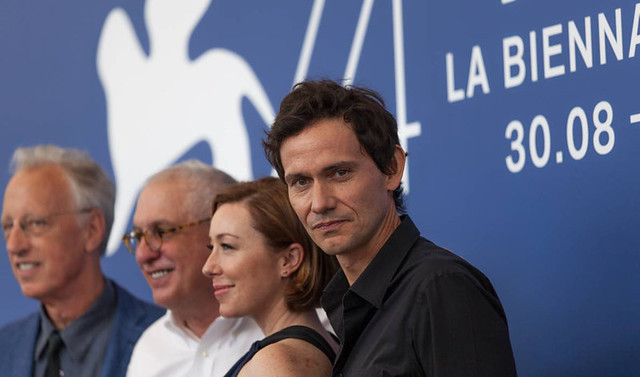
I had a chance to talk to one of the stars (in the narrative part of the series), Christian Camargo, a veteran stage actor, known for his dramatic roles in Dexter and Penny Dreadful.

Camargo plays a conflicted military scientist who witnesses a murder of a fellow scientist and the government cover-up. Eager to share his enthusiasm on the project, Camargo elaborates at length on what it's like working with Errol Morris, playing a real life character and being part of the genre blurring, groundbreaking project.

Just finished watching WORMWOOD. Even knowing Errol Morris’ previous work, I was struck by how incredible it was: a really fascinating subject and story and how it was told. Everything was really incredible. I am wondering how you got involved with the project and how the process was for you.

I first got involved with the project through Cindy Toland, the casting director for the project. I’ve known her for a very long time and am a huge fan of Errol Morris. They reached out to see if I was interested. You know, I’d do catering for him. (laughs) I would do anything to see how he works. And I adored working with him. This is not just a lip service, I truly mean it. He is like a… an irreverent Bodhi Satva. He uses everything in his arsonal to create a story that has a cause and direction greater than him. Does that make any sense?

Oh absolutely.

He is manipulating the artform but not manipulating the truth of his experience and of our experience. So what comes through is kind of absolute truth that we as a viewer have to discover. In a way he does it, he does it with great intensity and great joy.

He doesn’t have patient for conflict which is extremely liberating from an actor’s standpoint. The concept of having this double genre - both documentary and narrative fiction is new, you know. It hadn’t been done, even he hadn’t done it quite this way before. So he really surrounded him with the people he was able to trust and entrust with telling the story, including Igor (Martinovic), who is an incredible cinematographer.

He gave us freedom to sort of come up with characters. Robert Lashbrook, the character I play, there was one small picture of him and that was it. You don’t know anything about him. There is nothing online about him. He is very much a mysterious character. But for me it was extremely freeing to discover. Now for Peter Sarsgaard, there was a lot more material to work off of. But still there was a lot of freedom and liberty to be had.

The scripted part, we treated as a movie. Errol really encouraged that. We had a true story - Eric Olson. And the scripted part, we had that liberty. Between Errol and Steven (Hathaway) who edited the series, they found a language that echoed one another.

I think he did this on purpose: he chose actors who are very familiar with Hamlet as he uses that in the story of Eric Olson.

You are very familiar with Hamlet with your background in theater!

Exactly. He wanted that theatrical echo of the piece. But also what I loved about it was he allowed us to get rid of dlalog and work through silence and through image.

Interesting. Haven’t thought about that.

As you know, the amount of dialog that was going with Eric Olson with that storyline, so it was really fun to play from moment to moment.

I imagine that actual script must’ve been pretty short.

Yes, yes it was very short. And it was written in a narrative style, like a book. When I first looked at it, I didn’t know what to make of it. But Errol shot all the interview with Eric before, before we were getting into the scripted part. So he sent that over and I watched that. I was such a fan of Errol’s work, I was more interested in Errol’s interview to be honest. ‘Why do we need this other part?’ I thought. But when I see the cut together and made into the piece, wow, I get it. The use of imagination allows the audience to go, ‘what is the truth?’ ‘What really happened?’

I know what Errol is always after. It’s that kind of rabid passion. In this case it’s Eric (Olson)’s rabid passion for finding out what the truth is. Is that part of insanity or that it part of all of us should be pursuing?

One thing I was struck by is how conflicted your character, Bob Lashbrook is of all characters. Probably the most conflicted character in the whole series. What was your take on the character?

I’ve played few bad guys in my career. And I really love the psychology behind what makes people do certain things. That it is never black and white in my mind. The little I knew about Robert Lashbrook is that he wasn’t a heavy, muscle man. He was more of an intellectual on the science side of it. So I really looked at the situation - playing on both sides, and how tenuous, how in different waters they were all walking. In a time where we had Cold War and all the pressures from the administration and J Edgar Hoover and what was happening in America at that time…which is not completely dissmilar to what’s happening right now. You know there is nationalistic front and we are sort of heading back to McCarthy era.

There was a tremendous amount of concept and senses of ‘what is duty?’ you know? ‘What is right thing to do?’ The tragedy of Lashbrook for me was his sense of powerlessness. Following orders. There is sinister quality to him and I wanted to feel like he was sinister force but all of sudden I realized that he didn’t have any power. He just allowed the murder to happen. We found a lot of these conflicted moments. He just allowed that to happen. I enjoyed playing him. It gave more dimension.

The historical aspect of Wormwood. With MKUltra and germ warfare and all the so-called conspiracy theories, I found very interesting. I grew up in Korea but no one really talked about germ warfare in Korean War at all. Did you have any knowledge of these events prior to the production?

Actually I had some knowledge of the (POW's) confessions. But I thought they were just coersions and they ere brainwashed and that this was all part of war system. With the amount of information that are out now, it’s not hard. There is enough to give you the shadow of doubt about whether this was coersion or whether this was in fact, people telling the truth. And we do know now that the chemical weapons were made at that point in America.

I think this is one of the big things that Errol is opening up. With great art, it always knows when to appear- generally it’s not an artist planning it, it just happens, in the nature. He tapped into very astute presentation of America. I mean, there’s a lot of us, well some of us don’t, but a lot of us looking at Trump and go 'oh my god I can’t believe what America is right now!'

Right.


And yet, this little dark secrets have been going on for decades. And we need to understand as Americans that we are all culpable. We are complicit. And in the whole grand scheme of what is… in some circle, what’s wrong with humanity? That’s also another subject that is very Hamlet-esque.

True.

Errol has tapped into this, at such a time where the country is so polarized. And a lot of left-leaning liberals are pointing to this presidency as ‘this is the time where America is the worst’. No, this has been going on like this for years and years. It’s only through people like Eric Olson who are commited to figuring out what the truth is that that the light is shined on these indiscretions. It’s a momentous subject to have in our time right now to get to people to seek the truth. Unfortunately it was at the cost of very brilliant career that Eric had.

Right.

And hopefully that’s not over. He will continue this work now that this story has come out. Because he is really a fascinating person whose work needs to be recognized.

As Errol concludes that Eric knows the truth now, we have to reconcile the fact that there is no clear cut winner in this situation. Like wormwood, everything is bitter, everything is contaminated.

Absolutely. That is what will come out is that there isn’t. It’s all dirty. It’s one of the human conditions. What comes out is that there is no clear winners. There are definitely losers. I mean, Frank Olson was on the losing end.

But there are no winners. No one comes out with their hand completely clean. Really the underneath point to all this is that this legacy is handed over to us, to the viewer, the audience that our hands are not clean either: ‘If I allow this to go on, my hands are not clean’.

You think WORMWOOD is going to be the momentous occasion for the visual, storytelling medium that will change everything- cinema, TV, streaming services, etc.?

Yeah. There has been a lot of interests in reality based long form non fiction. But it’s not being done the way… well, it has been done in a subversive way, as in ‘we are following this documentary along then it becomes narrative'. But in that way the filmmakers are skewing it for their own purpose. But it’s never been done in such, ‘here we are, we have a real person, we have fiction, we have script, we have freedom. It’s hysterical because I think this is up for Academy Awards for Narrative but not Documentary category. (laughs) Classic human condition. Real life is like this. It gets all murky.

There is no genre here. It’s completely hybrid. It’s totally new. And I think it will open doors to whole diferent types of storytelling and people don’t have to pigeonhole them. And the industry has to catch up. Many people ask me what the project is like- is it a thriller? Is it this or is it that? I really hope and I can’t imagine that this won’t be successful enough to influence whole new way of thinking that we can allow the viewer, which Netflix does so well, to choose. You don’t have to be fed a genre. It’s not about statistics. I’m pretty hopeful and sort of idealistic that Errol is bringing the art back to the form.

Wormwood will be released in select theaters and will be available globally on Netflix starting December 15.

Sunday, December 10, 2017

Dear Macy

Paranoid Park (2007) - Van Sant
Screen Shot 2017-12-09 at 1.28.41 PM
Screen Shot 2017-12-09 at 1.27.43 PM
Screen Shot 2017-12-09 at 1.27.06 PM
Screen Shot 2017-12-09 at 1.26.29 PM
Screen Shot 2017-12-09 at 1.25.42 PM copy
Alex (Gabe Nevins) is our unreliable narrator. He apologizes he's never taken creative writing class so the orders of his recounts are not in order. But the film is far from whodoneit or a thriller. Alex struggles with guilt that he caused the death of the security guard. But it's not Crimes and Misdemeanors. It observes Alex's life plainly and simply. He is a good kid in a divorcing parents household. He is a kind of kid who is more interested in skating than taking virginity of his pretty girlfriend who is constantly nagging him for it.

Paranoid Park isn't really about anything. Sure it deals with skater kids in High School setting and an accident where a railroad security guy gets killed. Gus Van Sant and DP Chris Doyle rather ringer on their angelic looking young subject with shallow focus and all. As Alex struggles a little with his guilty conscience, he gets a little help from a goth girl Macy. She suggests to write what's on his mind and take the weight off his chest. So he goes along with it, simply leading his teenage life. And it's a sublime experience.

Tuesday, December 5, 2017

Natural Sensual

Beach Rats (2017) - Hittman
Screen Shot 2017-12-05 at 12.10.00 AM
Finally, an American female filmmaker who is not afraid of depicting sexuality frankly on screen! Eliza Hittman hit all the right notes with her new film Beach Rats, set in Sheepshead Bay, a seldom represented Brooklyn neighborhood in movies.

It concerns Frankie (Harris Dickenson), a boyishly handsome young man with a sculpted body, hanging out in the lazy Summer with his cropped haired buddydudes, sucking at vapor at a smoke shop and strolling on the beach and boardwalks. But at night, he prowls gay internet site for quick meet-and-fucks. It's a secret no one- his family (mom and younger sister) and his buddydudes, knows about. He usually prefers older man. With his dad dying of cancer at home, the boy's got some daddy issues. On the Coney Island boardwalk, he hooks up with pretty party girl Simone (Madeline Weinstein). She is a good front to hide his homosexuality. The only problem is he can't really be intimate with her unless on drugs or some sort of stimulant.

Beach Rats is obviously influenced by Denis's Beau Travail in its sensuality and lyricism. Running just over an hour and a half and shot on grainy 16mm, the film is a tight sketch of an ordinary young man unsure of his sexuality and seeking acceptance. Hittman doesn't shy away from showing graphic depiction of teenage sex and gay sex. She is also keenly aware of voyeuristic, narcissistic culture we are living in with abundance of selfies and social network. But what I'm most impressed with is her command with characters. Even though its young leads are exceptionally, almost stereotypically (in Abercrombe Fitch advert sense) good looking, that fact never overwhelms the story she tells, and same with its her aesthetics: sensuality comes off naturally, not staged - there are no lingering body shots or slow-mos.

Dickenson, a fair-haired, blue eyed star of the film is nothing but revelation here. His vulnerability and confusion, shared with youthful narcissism and goodness hidden behind the pretty façade are all staggering. Without ever delving into stereotypes, Beach Rats succeeds in telling a lean, sensual coming-of-age story that feels both very real and truthful.