Tuesday, April 7, 2015

KINO! 2015 Contemporary German Film Festival

KINO!, a celebration of contemporary German films, returns to New York for its 36th edition, setting up shop at Cinema Village in the West Village for the second year, April 9 - 16.

Selected from across the great expanse of different genres and from seasoned directors and newcomers alike, this year's edition features 10 features and 8 shorts, including new works from Christoph Hochäusler (The City Below, I am Guilty), Christian Zübert (Three Quarter Moon) and TV veteran Uwe Janson, as well as from rising stars Baran bo Odar (The Silence), Philippe Lienemann, Stephan Altricher and Neele Leana Vollmar (Vacation from Life).

In addition to the screenings, there will be panel discussions at Goethe Institut and Deutsches Haus for Beltracchi: The Art of Forgery and The Lies of the Victors with filmmakers attending.

KINO! 2015 runs April 9 - 16. Please visit Kino! 2015 website for more info and tickets.

Here are samples of five films I was able to catch:

The Lies of Victors
 photo 47e75f6a-42bb-4e81-ac3d-27363af69813_zpsydn81dls.jpg
Christoph Höchhausler's latest is a sleek, taut political thriller in the vein of All the President's Men and Z. Florian David Fitz (also representing Tour De Force in the series) plays a hotshot reporter named Fabian who had established himself with his Afgan war coverage for the fictional Berlin magazine Die Woche (The Week).

He is digging up some dirt about PTSD and toxic poisoning in vets returning from tours in Afghanistan. He is assigned a new perky intern Nadja (Lilith Stangenberg) to help him out by his editor-in-chief. Fabian who has always worked alone, resents her company at first and throws some unrelated story at her to investigate. It turns out that the story of a man who threw himself into a lion's cage has a connection with his PTSD story. But is he getting played by everyone? Is Nadja really who she says she is?

Without ever using car chases or gun fights, Höchhausler creates an engrossing thriller. Fabian doesn't really know that a powerful firm representing a big German chemical company which has ties with the politicians, is watching his every move and feeding false leads, every step of the way. And when Fabian realizes the fact, it's already too late.

With stylish back and forth dolly shots and 360 pans and a Howard Shore resembling, tense soundtrack (expertly arranged by Benedikt Scheifer), The Lies of the Victors is a sumptuous neo-noir experience.

Beltracchi: Art of Forgery
 photo ad26f2a0-045d-4c3d-ba54-8fbc58a70c7e_zpss09ify9f.jpg
This documentary tells an exciting story of master art forger, Wolfgang Beltracchi, who claims to have forged over 300 paintings by 20th century masters - Max Earnst, Heinrich Campendonk, Fernand Léger and others over 35 years. He's no mere copy artist. What's impressive about this long haired, affable aging hippie is his ability to convincingly forge 'new' paintings of those said artists' 'gap years' through meticulous research and craftsmanship thus tricking even the scholars and specialists of the art world.

Beltracchi and his accomplice/wife Helene, played the art market well, and made millions without getting caught until recently. Beltracchi not only illustrates the brilliant conman's career but also tells the sweetest love story ever told.

King's Surrender
 photo a4ae8dc7-c2be-404d-960a-805a38cab89a_zpsphuzxlze.jpg
A taut police thriller starring Ronald Zehrfeld (Barbara, Phoenix) and Misel Maticevic (In the Shadows). They play members of a tight knit special unit SWAT team. The country under austerity measures, things are tightening up even in the police headquarters. Some of the special unit resort to taking bribes.

After a bungled raid, team members are dropping like flies in what seems to be execution style revenge killings. Hot-headed Mendez (Maticevic) calls for blood while Kevin (Zehrfeld) digs deeper into corruption inside their unit and up the chain of command.

These testosterone filled, wayward cops involve themselves inadvertently in a conflict between local gangs and that proves to be a fatal mistake. With great cast, tense atmosphere and heart pounding suspense, King's Surrender is a gripping policier that rivals any Hollywood production.

Schmitke
 photo fa0a0393-cf5f-415a-8738-453a3be407d3_zpsdywocslm.jpg
Stephan Altricher directs a modern day retelling of Don Quixote in Schmitke. Schmitke (Peter Kurth) is a middle aged wind turbine engineer who dreams of being in the forest, away from his city life filled with jack hammers and traffic noises. Every morning he listens to the news of the discovery of a man who's been living in the forest alone. This so called Bear-Man is apparently refusing any help from authorities and only longs to go back to the forest. But being a prototypical German engineer who takes pride in his work and efficiency, Schmitke doesn't really buy into spiritual mumbo-jumbo that his daughter who just got back from India, talks about or the Bear Man.

He gets a chance to go into the mountains in the Czech Republic for maintenance work on a wind turbine, a model he practically designed, which stopped working. With his young, slacker assistant Tomas (Johann Jügens) in tow, he drives to the small mountain town.

Upon arriving, they notice an unending loud noise that sounds like a constipated dinosaur coming from the mountain. It turns out to be coming from the creaky wind turbine in question. But whatever he tries, the turbine is not responding. After getting icy receptions from the townsfolk and sleepless nights at the local inn, our engineer discovers that Tomas has disappeared. From a sexy local business woman Julie (Helena Dvorakova), Tomas was last seen talking about some mystical power of the forest and Bear Man. Schmitke's wild goose chase begins.

The yearning for nature and the process of giving into something bigger than yourself against reason takes a center stage in Schmitke. Kurth's plays the title character straight with his stone face and matter-of-factness which works well in this droll comedy. Shot beautifully by Cristian Pirjol in the Ore mountains of the Czech Republic, and with amazing sound design by Paul Wollstadt, Schmitke is a great surrealistic comedy.

Who Am I: No System is Safe
 photo 9bf0d468-c03b-419d-80b6-4ad08e2f18da_zpsp0xqlfdb.jpg
In the wake of North Korean hackers scandal, Baran bo Odar (The Silence) offers a fast paced, slick cybercrime thriller Who Am I: No System is Safe. It starts out with our unreliable narrator, Benjamin (Tom Schilling, looking like young Edward Norton) turning himself in to authorities, telling how it all started. Ben is a socially awkward, self-admitted misfit, who grew up in front of the computer. He is recruited by a group of fame seeking hackers and together they build CLAY (acronym for Clowns Laughing At You) with clown masks from his grandma's house.

They hack into various financial systems and pharmaceutical buildings, mostly for laughs. But more than anything, they want their cyber idol MRX's approval, whose driving mottos are 1. No system is safe, 2. Aim for the impossible, 3. Don't limit your fun to the virtual world.

They hack into German cybercrime unit to impress MRX but it turns out that MRX has other plans when it comes to eliminate the competition. Now the crew doesn't think the fame is worth risking their lives.

Co-scripted by his writing partner Jantje Friese, bo Odar creates a tension filled, cat-and-mouse thriller with lots of twists and turns. Elyas M'Barek (The Wave, City of Bones) plays charismatic Max, Hannah Herzsprung (4 Minutes, Beloved Sisters) plays Marie, the love interest and great Danish actress Trine Dyrholm (The Celebration, A Royal Affair) rounds up the top notch supporting cast as the seasoned Europol investigator. Who Am I is a superbly created entertainment. Hollywood should recognize bo Odar's talent sooner than later.

Thursday, April 2, 2015

Resurgence of the Ground-up American Labor Movement

 photo c8bf8983-8d57-4bf3-ae20-a32c08c1ddd7_zps2h4tbs0v.jpg
The Hand that Feeds is a David and Goliath story playing out in the streets of New York. Directors Rachel Lears and Robin Blotnick document the struggle of the immigrant food service workers as they fight for their rights and respect. In doing so, they paint the future of the American labor movement a little bit brighter.

It all starts at 63rd Street Hot & Crusty, a 24-hour deli franchise which has been serving many Upper East Side New Yorkers for more than a decade. Tired of getting underpaid and mistreated, some Mexican immigrant workers get involved themselves with Laundry Workers Center, a volunteer organization providing resources, legal services and training for the laundry and food industry workers, founded by tireless, passionate community activist Virgilio Arán. Some of the young activists from the Occupy Wall Street movement join their cause as well. Together they start picketing and handing out flyers outside the deli.

Some of their direct action bear fruit and the both sides sit down and talk. But unless the workers are in union, there is not going to be a collective bargaining. So they decide to form a small union of their own by voting. The bottom line is, the workers, whether documented or not, are protected under New York's wage theft prevention program and still can organize.

Directors build up the tension as the election day approaches. They even stage a funny mock voting scene, training the workers for not being intimidated by any official figures. The usual tactics of the management follow - false promises, bribing key members for management positions (divide and conquer) and hiring an anti-union firm.

At the center of The Hand That Feeds is a shy middle-aged father of two, Mahoma. The title of this film can also easily be The Education of Mahoma Lopez. Reserved and thoughtful, Mahoma is a good counterpart to more hot blooded, angry young workers. He turns anger into something positive. It's heart warming to see him emerging as a natural leader. Even a bigger turnaround comes from his wife because in the beginning, she is not completely comfortable with the idea of her husband being an activist for fear of them losing everything they built. But in the end, she becomes an ardent supporter.

Then there are young white activists. They are definitely not the violent troublemaker hippies the media love to make them out to be. They show up when direct action is called for, play the role of cannon fodders or 'arrestables' because they understand the undocumented workers can't risk being arrested and face deportation. Their dedication to the workers is one of the most moving part of the documentary.

It still amazes me to see people calling the picketers commie bastards. 'Communist' is still a dirty word after all these years. Do they even know that things everyone takes for granted - 40 hour work week, overtime pay, sick leave, vacations, safe working conditions and health benefits are all the result of years of union actions?

As the picketing continues, the funds for those now jobless workers run out. But as people start to lose hope, other union representatives show up at the picket line to stand with them. What we realize is that there is the collective power forging, and that the sense of solidarity among workers is alive and well.

The film highlights the brevity of these individuals who risk everything for better life for their families. They know that the battle is not won yet but still ongoing. Being a union member is a constant battle to keep what we've won so far, otherwise they will take it from us. That we can't let our guards down, ever. Mahoma learns that too.

The Hand that Feeds gives a cynical codger like me to hope again that the essence of the union is not completely lost in this country, that there is still solidarity among all workers. It's a feel good movie of the year.  

The Hand that Feeds opens at Cinema Village on 4/3. For more information, please visit the film's website.

Monday, March 23, 2015

Art Imitating Life Imitating Art Imitating...

The Kidnapping of Michel Houellebecq (2014) - Nicloux
 photo 087c2b1e-c478-4cf3-87f0-349889feafd9_zpshobc2skx.jpg
Michel Houellebecq, the énfant terrible of French Literature, is regarded by many as the best European writer to emerge in decades. My first Houellebecq was Elementary Particles in the late 90s- the book was repulsive, depraved, nihilistic and shocking but I couldn't put it down. I gotta admit that I am a big fan. I've read all his books since then. What's great about his work is, however incendiary and miserablist it might sound, there is always much humanism that runs through at its core.

However, he's been accused of being an Islamophobe for some incendiary passages in many of his novels, namely Platform. It was his caricature on the cover of Charlie Hebdo when the place was shot up by Islamic militants, leaving 12 people dead early this year. The cover's title ran: 'Predictions of the future by Houellebecq: in 2015, I lose my teeth, in 2022, I observe ramadan.' It was the satirical paper's take on his new novel, Submission, where fictional France has a Muslim president in 2022 and all of Europe 'submits' to Muslim. He had to fold his book promotion and go into a retreat in an undisclosed location.

The infamous author is keenly aware of his mortality. In his 2010 book, The Map and the Territories (Prix Goncourt winner), a writer named Houellebecq gets brutally murdered, his body splayed in his pad, totally unrecognizable. Yes, he has a very grim sense of humor about himself and very aware of the real danger.

Obviously predating the Charlie Hebdo incident, director Guilloume Nicloux (The Nun) directs a documentary style comedy based on Houellebecq's brief disappearance during a book promotional tour in 2011. With his dislikes for cellphones and computers, no one could locate his whereabouts for several weeks, bringing French media into hysteria, fearing for the worst. He came back as if nothing has happened and being tight-lipped about the absence ever since.

The Kidnapping of Michel Houellebecq stars Houellebecq as himself. It starts slowly, following the very unattractive, cumudgeonly writer- with balding head and a troll-like underbite, as he goes through his normal days - talking to his friends about art, literature and music. He seems to lead a rather quiet existence, for a person who is regarded as 'the most controversial author of our time'. Most of the time he seems docile except when his opinionated crankiness coming to the fore- he chides his old friend in his indecipherable mumble for her terrible piano playing and says things like how Mozart is overrated.

He gets kidnapped from his highrise apartment by three burly men, the brothers Luc, Max and Mathieu who put him in a big metal box with air holes punched in on top. Obviously quite new at this sort of thing, they bring the author to their parent's house and ties his cuffed hands to a bed post with a chain in what appears to have been a little girl's room. Luc, a large man who claims to be a gypsy, has a beef with Houellebecq because apparently the author shat on HP Lovecraft in one of his books. The writer vehemently denies it, saying, "Don't believe everything media tells you".

Houellebecq muses loudly in front of the brothers why they are not masked. Does this mean they will kill him? No no no, they assure him that the captivity will be over as soon as they get paid by their clients, whoever they are. Do they know what they are doing? "Oh, let us worry about that!"

The author starts getting on people's nerves with incessant whining and demands for cigarette and wine. There is a running gag of Houellebecq yelling out for lighter that Luc apparently stole from him. What's he gonna do, start a fire?

There are many hysterical scenes as unwitting brothers asking him questions about literature and reciting poem they wrote in the 8th grade for him to judge. The brothers being into weightlifting (Mathieu) and martial arts (Max is a UFC style fighter, Luc trained in Isreali army), they show off their skills in front of the frail writer. They teach him a move or two to even try out on them. They even get a local young woman named Fatima at his request for his enjoyment. Well first it's Gigette, the boys' old mother who suggests the bored writer porn, in which he responds, "I'd prefer a real thing?"

As his release date gets pushed back further into unknown, a sort of reverse Stockholm syndrome sets in - even though the differences they have, they like this little troll of a man. Wryly funny and surprisingly heartwarming, The Kidnapping successfully puts a human face on the infamous, supposedly hate mongering public persona.

In this day and age, it's difficult to drown out all the noises in the media as to get to the truth of it all. It is a common mistake to assume a fictional character's view on life as his/her creator. Judging Houellebecq's world view by the characters he created would be as absurd as shooting up Charlie Hebdo headquarters because they publish satirical cartoons. Nicloux's film then, is a light satire on a famous public figure and slap in the face for those who can't take a joke. The bottom line is, the film is very funny.

The Kidnapping of Michel Houellebecq has an exclusive 2-week run engagement at Film Forum, NY. Please visit Kino Lorber website for more info

Sunday, March 22, 2015

Preparing for Apocalypse

Parabellum (2015) - Rinner
 photo 628da3f3-8e8a-49a8-b1dd-efd707c08397_zpsgngr6j1u.jpg
It's early morning. It starts with the lush landscape and the camera slowly pans to reveal a tranquil greenery. The opening of Parabellum reminds you of the opening scene of Carlos Reygada's Silent Light, except for imposing beat of electro music. You know something's gonna go down. Then a firebomb strikes down from the sky and the earth shakes, setting up the mood for the rest of the film.

In Lukas Valenta Rinner's Parabellum, the world is in turmoil - there are constant reminder of natural disasters, civil unrest on TV newscast and airwaves- "A tragic situation is developing in Argentina."

We focus on an unnamed man preparing for a journey: he quits his white color office job, drops off his cat at the pet shelter, checks on his old man at the nursing home and cancels his phone service. The whole sequence is briskly and impeccably arranged with much precision. He is going into the jungle to join a training camp designed for survival.

The camp looks like a cross between fancy eco-tourist lodge & military boot camp, equipped with a jacuzzi, pool, shooting range and staff who make beds and serve food. Ordinary looking men and women of all shapes and sizes, go through vigorous physical and theoretical training. Each morning, the compound makes an announcement through the loud speakers. Before their mandatory trainings at a set time, they can choose to take part in gardening, homemade explosives or camouflage classes.

The trainees who populate these compounds are obviously well off to be there, as if money can buy one's survival. But Rinner doesn't really linger on these trifles, for the film is, after initial chuckles, not a black comedy.

Almost free of dialog (other than formal instructions by the trainers) and divided in chapters according to the fictional "Book of Disasters", Parabellum's tone is somber and deadly serious. Nowhere is safe, the seemingly random strikes comes from the sky. Even into their camp grounds.

After the grueling, first initial training - hand to hand combat, weapons training, etc., the people are transferred by boat, to a more remote areas to train more. As the film progresses, it focuses on a handful of trainees.

The real violent act doesn't happen until after the training. After taking over somebody's house, they take up a boat. It becomes quite apparent that they would sail themselves back to the civilization. One of the younger, frail trainees seems to have a mental breakdown and lights himself and the boat on fire. But we have no idea why these people do what they do because the film provides little to no indication of what they think or feel. All we know is, most of the trainees are motivated to be prepared, to be ready for the worst.

Its minimalistic, wideshot approach and emotional muteness, Parabellum plays out like a Gus Van Sant directed post-apocalyptic film. With the spectacular reveal at the end, the film signals the arrival of a major talent emerging from Argentina.

Parabellum plays as part of ND/NF 2015 at MoMA on 3/23 and at FSLC on 3/24. Q&A with director Lukas Valenta Rinner will follow for both screenings. For more info, please visit ND/NF website.


Dustin Chang is a freelance writer. His musings and opinions on the world can be found at www.dustinchang.com

Friday, March 20, 2015

Kafka in Inner Mongolia

K (2015) - Erdenibulag, Richard
 photo 2598ef0e-0119-42a5-9eca-6e0d50435238_zpsjugqxwz8.jpg
Here is a thought: what if Kafka's Castle is transposed from the cramped, dreary, dark Eastern European city to the airy, spacious, light Inner Mongolia? It is realized by Mongolian director Darhad Erdenibulag and English born Emyr ap Richard in their simply titled film, K. They put a new twist on Kafka's unfinished, ultimate bureaucratic nightmare story (along with The Trial).

Frizzy haired land surveyor K (Bayin) arrives in a village in the middle of nowhere. He gets a very hostile reception from the locals and can't seem to get an access to either the castle or the governor Klamm who supposedly has assigned him the job. His path crosses with series of beautiful women who string him along and feed him only snippets of information at a time which don't amount to much and often contradict each other.

With his two assigned leather jacket wearing assistants (both of whom he names Jeremiah, for convenience's sake), K tries to wade through local bureaucracy and get to the bottom of the nature of his role.

Then he is told that his service is not needed anymore that there was a miscommunication. Now he has to report to the local school to be a school janitor. It seems that it's a taboo to criticize the castle and its bureaucracy because it's flawless even though it's obviously not. I mean, his whole situation is bungled.

It also seems that all the Castle employees are feared and all the girls are only at their disposal for sexual favors. A beautiful mistress of Klamm, Frieda (Jula) who works as a barmaid, becomes K's companion but ultimately leaves him for another, less important man (is it Jeremiah or Arthur?). But in order to not to piss off all mighty but unseen Klamm, she needs to go back to the being a barmaid.

Directors smartly stick to Kafka's dialog and western names faithfully and through Mongolian actors and their language, the effect is quite otherworldly. Other than K wandering windswept landscape in the opening, the rest of the film takes place exclusively in simple interiors mostly with natural lighting. It has an airy, hazy feeling of eternal morning. Everyone, including K sleeps a lot and conduct their business in their beds. With eternal sunlight seeping through the windows, K has a feeling of lucid dreaming state.

Concerning the film, only comparison I can think of is Erik Skjoldbjærg's neo noir classic, Insomnia. Of course K doesn't really work as a thriller, but with its somnambulist protagonist who finds himself lost in a moral and literal fog and paranoia is very similar to that of the Norwegian film. I didn't think of the Skjoldbjærg's film as Kafkaesque before. Heh.

K is a different, artful interpretation of the source material for sure. But Kafka's writing is usually associated with grim reality and unfathomable pressure associated with living in a certain immobile social stature: life as an entrapment. Not to mention the author being Jewish in an oppressive society.

Bureaucracy can be universal, but compare to the characters in Kafka's original writings, what Mongolian K is experiencing seems not quite hopeless enough. As one of the characters says to K in the film, "Sometimes the smallest thing can become a great irritancy"; for us, irritation seems to describe what K feels, not life-long suffering.

K plays part of ND/NF 2015 on 3/21 at FSLC & 3/22 at MoMA. Co-director Darhad Erdenibulag will be on hand for Q & A. For more info, please visit ND/NF website.

Thursday, March 19, 2015

Beyond Beauty and Knowledge

La Sapienza (2014) - Green
 photo a2e757cf-21c4-4102-b698-e3cbafc4db12_zpsjhkmfk5d.jpg
La Sapienza is the latest from Eugène Green, an American born, French filmmaker known for his highly theatrical, Bressonian films. Highly esoteric, the film will undoubtedly turn off many viewers with its intentionally stilted acting where actors often address the audience directly. My first experience with Green film was Le pont des Arts, it concerned with the transcending power of music beyond time and space. I was too, put off by this aesthetic choice at first, but got used to it by the middle and ended up adoring the film.

There are no Altmanesque, overlapping conversations like in real life in the world Green creates. Instead, people talk in their turns, medium shot/reverse medium shot back and forth in dead seriousness, in order to convey the weighty subjects concerning art, and this time, architecture.

The thing is, the emphasis Green puts on dialog is tremendous and the idea he wants to get across is simple but always lofty. Green, from a theater background, saw the direct approach of the theater fit to convey these ideas and have been sticking with it in his filmmaking ever since.

The method, I thought at first pretentious but slowly found less cluttered by the petty human emotions and other 'worldly' things, helps to get to the heart of the matter(s) directly. Ultimately, it's Green's dialog that brings back humanity down to earth and gives his films poignancy.

La Sapienza stars Fabrizio Rongione (Two Days, One Night) as Alexandre Schmidt, a French architect tracing his steps of his idol, a Roman Baroque architect Borromini, starting in his picturesque birthplace Ticino. Alexandre has lost his ways as an architect, mired in corporate city planning which lacks humanity. He is joined by his estranged psychologist wife Aliénor (Christelle Prot) to accompany him at the conference. They grew apart some time even though they love each other.

They run into two young Italian siblings Godfredo (Ludovico Succio) and Lavinia (Arianna Nastro) near the picturesque lake promenade. It's Lavinia's mysterious fainting spell that brings them together - kind-hearted Aliénor insists to be by Lavinia's bedside and suggests Alexandre to take Godfredo, a bright eyed aspiring architect, to accompany him for his research trip, instead of her. Alexandre begrudgingly accept the idea out of politeness.

At this point film becomes two distinctive narratives: one in Italian with Alexandre and Godfredo on the road and mostly in French with Aliénor with Lavinia indoors.The guys establish teacher pupil relationship as they tour various Borromini designed, glorious buildings in different cities. But it turns out Godfredo is the teacher, reminding the old man with his youthful idealism that architecture can be one's passion, that purpose for architecture is to fill the space with light and people.

As it turns out, through dialog, we find out Alexandre and Aliénor grew apart after a loss of a child. Young Lavinia's belief that her illness is some sort of sacrifice starts making sense to Aliénor.

Uncharacteristically, Green himself makes a cameo in his own film for the first time as one of the last descendants of a tribe from Iran who spoke Aramaic. Even though their culture's gone and their language lost, he serves as a foreseer who reads stars and shows that there is hope for Aliénor, because she is loved.

These lofty ideas - rekindling passion for life through the reflection on youth, the transcending power of art, the harmony in architecture and in life, the eternal nature of culture and language, things beyond beauty and knowledge, etc. are all delicately explored and examined through these four characters. Their sincere expression of these thoughts rings true and melts away its artificiality in its presentation soon enough. This is the beauty of La Sapienza and Green films in general. As the older couple realize, the source of beauty is love and the source of knowledge is light. I couldn't help but deeply moved by it by the end.

La Sapienza opens in New York on 3/20 at Lincoln Plaza Cinema. National roll out will follow. For more info, please visit Kino Lorber website.

Cinema of Searching: Lisandro Alonso Interview

 photo f9176bce-7b23-4c3e-8815-bf61cf285abc_zpsdlhcs0sx.jpg
Known for his use of non-actors, loose narrative and minimal dialog, Lisandro Alonso's films are at once real and otherworldly. His cinematic explorations are often mysterious and open-ended. He is definitely not into making crowd pleasing blockbusters with big name actors for sure.

Then comes, Jauja, his hallucinatory new film which is garnering a lot of buzz, ever since it won the FIPRESCI prize at Cannes and made splashes at TIFF and NYFF last year, stars Viggo Mortensen (who also serves as a producer and provides music) and is a period piece. And for the first time, his characters speak in full sentences. Does this mean Alonso is going mainstream? Or is this just another branch of his explorations in cinematic realm to convey what's unattainable? You will find answers to these questions in this interview below, or maybe not.

Unlike his enigmatic films, Alonso in person (via skype) is very open and engaging, his answers direct yet elusive. 

Jauja opens in New York on 3/20. National roll out will follow. Please visit Cinema Guild website for more info.

JAUJA is a big departure at least in scope from the other 4 features you've made. You have a big Hollywood actor Viggo Mortensen and you also have a co-writer on this for the first time, Argentinian poet Fabian Casas. Then you have Timo Salminen, Aki Kaurismaki's cinematographer as your DP. How did all these come about?

I've been making films since 2001. Every 2-3 years I've made a film. After I made Liverpool in 2008, I wasn't sure I wanted to make films anymore. I went back to my family's farm, I got married and I had a child. 

But I was thinking about doing another film. And I didn't want to repeat what I've done film after film, without any professional actors. There were people I always wanted to work with, like Viggo and Timo. Then I became friends with Fabian Casas. After two or three years, he and I came up with a treatment for Jauja. Since I don't write conventional scripts, I had about 20 pages of this thing that we sent to Viggo. He liked the idea and it took off from there. He produced it and did a music for it too. Now he is promoting the film at festivals all over the world.

Did he know your work before?

I think he'd seen and liked Los Muertos. He told me that he saw something honest in that film. I think he might have seen my other films later on. But that's the film he mentioned. All I can say is that he is a brave man to take on something like this.

Thematically, JAUJA is similar to your second film, LOS MUERTOS. Since you've done 5 films now, do you see the same theme repeating in your body of work?

Yes. But it's just a part of the film. It's a simple premise of father or brother looking for a daughter, son, sister or mother... It's an excuse for me to expand on that thin premise to build up something in that environment. It's like that with all my films.

Going back to the searching for the lost daughter theme, you famously asked "Who's John Ford?" when someone mentioned  his name when comparing a similar shot in one of your films. I think it was from LIVERPOOL. And here we are again with JAUJA.

You know, for the record that I was joking when I asked 'who is John Ford'.

I know I know. But I can't honestly think of any reference when considering your films. They are very unique and original. That said, do you have any filmmakers who influenced you?

Oh yeah, many. I don't know about John Ford, but I watched a lot of Italian neo-realists films when I was in school, you know? I love Tsai Ming-liang, Werner Herzog, Jim Jarmusch, lately I am very fond of Aki Kaurismaki's films.

Do you still go to cinemas and watch a lot of films?

Not as much. But I am very interested in what directors like Apichatpong Weerasethakul is up to or what Paul Thomas Anderson is up to.

In your films, there are contrasts between nature, the simple way of life and civilization, realistic depiction of everyday life and fantasy, past and the present in cinematic terms. Is the idea of phantom/illusion something you are interested in exploring with the cinematic medium?

That's a very good question. But as opposed to...?

Like painting, photography, music, literature....

Yes. I wasn't really good at those. I tried to be a musician when I was 20, but I wasn't really good at it. I tried acting but I couldn't really act. Not good in front of camera. I think I feel more comfortable behind the camera, hiding.

The thing is that there are so many things that I don't really know. That is the part of reason why I make films. I don't have a clear idea of what I'm searching for.

JAUJA also explores colonialism in Argentina's history with Dinesen, a Danish engineer serving a Argentine Army to clear the road for settlers. Is it any way based on Argentina's history?

I've read some books. Fabian read many books on history obviously. It happened here like it happened anywhere. But I didn't want to pinpoint exactly what time period Jauja is set. I know those moments in history happened in more or less the same way that happens in the film. I mean, like organizing the city just outside the green area just to exterminate Indians as they construct those big holes that you see in the film.

But other than that, we are trying to put all these little facts in the film in favor of making the film bigger, and grow it out some other directions. We did that so we could get at the main theme: how one survives when someone that you really love is gone. How to keep going with your life and everything around you when that happens.

How was shooting in Patagonian desert? What were some of the challenges you've had?

Well it was not easy. I mean we were living in some tents and had to house camera gears and microphones and things like that. But we were strong group of people. There were about 25-30 of us. They were like a family to me. Many of them I've been working with for the last 10-15 years.

Then there were some new guys like Viggo and Timo and a young Danish actress (Villbjørg Marling Agger) with her parents. They were all around talking Danish, English and Spanish drinking some bottles of wine at night and working hard again the next day. There were no roads there so we all just walked to the next locations for, I don't know, half an hour or so.

If you are in that kind of shooting environment, you need people and they need your energy to keep going. We managed very well I think. It wasn't that long of a shoot, about 4 weeks or something like that.

But It can be strange for some. I was not afraid for Viggo, because I knew him a little. He is a tough guy. But for Villbjørk, who played Ingeborg, I didn't know if she would be comfortable. She came from Denmark and she hadn't acted in her life. It was her first film role. She must've thought, 'What the hell am I doing here?' It's a desert and there isn't even a bathroom you know? But she did very well and we had a good, supportive group.

Now you've done relatively a big movie and expanded your cinematic horizon, whatever that means...
(we laugh)
but it seems that for you the possibilities of what you are searching for in cinema is opened up a little more, I am wondering what you will do next?

That's a good question. I think about that every day. But to be honest with you, I'm not in a hurry. I just feel that I had a good experience making this film, meeting all those great people and traveling a little bit, presenting the film.

I have some ideas. And I would like to work with the same people again, in terms of Viggo and Timo plus all the crew members I've been working with and Fabian. But I'd like to go farther and go to another country. I'd love to shoot in the Amazons in Brazil. I have some ideas shooting in some remote place inside the US also, but just like that Denmark scene in Jauja, as a small element. But, yeah, nobody knows. Tomorrow I might change my mind and shoot the entire film in my house.

But I think the nature is very important character for me. I will feel safe if I'm near a tree. As long as I have nature in my films, I'll be fine.

A Charming, Deftly Surrealistic Slacker Comedy

Tu dors Nicole (2014) - Lafleur
 photo 859f46a7-169d-4d02-b020-675445d570d4_zpscymstrlf.jpg
After making an appearance at The Directors Fortnight section of Cannes Film festival last year, Tu dors Nicole screened at TIFF and was included in Canada's Top Ten feature films of 2014. It's playing as part of New Directors/New Films series at FSLC on 3/20 and at MoMA on 3/22. Please visit ND/NF website for more info.

Quebec based filmmaker Stéphane Lefleur's wry slacker comedy Tu dors Nicole (You are sleeping, Nicole) stars Julianne Côté in the title role of Nicole, a 20 something young woman with one foot still firmly lodged in childhood and the other slightly hovering over somewhere else.

It's the beginning of summer and her parents are away on vacation. She has a big house and an outdoor pool all to herself. Other than working at a local thrift shop, she spends most of her time either in bed or aimlessly walking/biking around town with her best friend, Véronique (Catherine St-Laurent) who works at an office.

Their tranquil existence is shattered when Nicole's moody older brother and his band mates set up shop in their parents' living room to practice. The band's new drummer, JF (Francis La Haye) is kinda cute in that grungy way (like their 90s style music), but it's pretty obvious that he is more interested in pretty blonde Véronique than her.

Nicole's boredom occasionally breaks with surreal moments in everyday life- the neighbor picking up her dog's doo-doo in the yard with a vacuum cleaner, a frail looking neighborhood boy Martin, whom she used to babysit before he made advances on her, now having a svelte baritone voice, for his voice broke way too early for his age (he's like 8), JF's mysterious First-Aid kit turning out to be a best tomato sandwich making kit, perching a giant stuffed toy over a used funiture and a geyser shooting up in her backyard pool, like in Iceland.

Her life gets a little brighter when she gets her first credit card in the mail. But she doesn't really know what to do with it other than paying for ice cream sundaes at the local outdoor ice cream shop. But on a whim, she buys plane tickets to Iceland for herself and Véronique. They learn Icelandic phrases in preparation - vacuum cleaner in Icelandic is ryksuga, for instance. But what's in Iceland? What would they do there? "Nothing. We do nothing somewhere else," Nicole replies wryly.

tu dors nicole poster.jpgBeautifully shot in contrasty black and white by Sara Mishara, Tu dors Nicole is especially gorgeous in exterior night scenes: as an insomniac, Nicole partakes in nighttime baseball game, standing under the park lamp dazed, while the ball drops to the ground near her. She walks around at night in the neighborhood which are only illuminated by street lamps. She hears whale songs in the night winds and hitches a ride, driven by a tired father driving in circles in the hopes of putting his baby in the backseat to sleep.

After getting fired from the thrift shop for stealing donated clothes, she resorts back to babysitting lovesick Martin who tells her he can wait for her. "Take your time, experience the world, then come back to me", he says in his velvety voice. Then they play Cowboys and Indians.

Côté beautifully underplays her character, covering up all the scruples of growing up with a wiry smile. There is glimpse of natural beauty in her when least expected - in front of electric fan or with the Indian war princess make up on.

Tu dors Nicole plays with elasticity of time- everything seems to be in slow-motion when you are young but it accelerates in speed as you grow older. Nicole's somnambulistic life gets a dose of reality check when she runs into her former High School sweetheart who's getting married. And Véronique can't get away from the job to go to Iceland because she has to pay the rent. It's not svelty Martin who's on the verge of adulthood, but it's her and she is not ready to admit that yet.

Lafleur's talent is in his delicate writing aided by droll visual composition. Small things in Nicole's life have a tendency to resurface in physical forms in surrealistic way. I find his deadpan humor and subtle, surrealist touches irresistibly charming.

Wednesday, March 18, 2015

Colossal Loneliness at the End of the World

Liverpool (2008) - Alonso
 photo b452ed8e-9619-4c48-abac-d21a7c553965_zpscykyvhup.jpg
Alonso's 'lonely man trilogy' (as it was termed before Jauja), concludes with Liverpool. Same thin guideline here - a man named Farrel who works on container ship takes a trip to Ushuaia, a southernmost tip of Patagonia, where he was born. He hasn't seen his mother for years, and he wants to visit.

Just like all of Alonso's lone protagonists exhibit basic human needs - eating, sleeping, sex (or release). The colossal loneliness we feel in these characters in unforgiving environments remind me of Herzog's films. But unlike nature fearing protags in the Barbarian filmmaker's films, Alonso's peeps thrive, like ants or seem very comfortable in their surroundings.

Alonso does something different in Liverpool, there is a daring focus shift when Farrel gets to his destination. His frail dying mother doesn't recognize him and he is left with a semi-retarded sister/daughter. Again, there is a memento mori, a Liverpool keychain he leaves with the retarded girl.

Alonso is trying to find something, through each of his films. It might be something transcendental, a reflection of human nature, frailty, loneliness.... I am just mesmerized by all of it.

A Thin Line Between Savagery and Civilized

Los Muertos (2003) - Alonso
Screen Shot 2021-04-22 at 11.50.40 AM The film opens with whirling camera in the lush jungl- trees, leaves going in and out of frame. Then it reveals dead bodies of two young men on the ground. Los Muertos's superficial plot concerns Argentino, a good looking, fit, middle aged convict getting released from prison after serving time for killing his two younger brothers. He made arrangement in the pen to find his now grown up daughter. Now released, he needs to take the boat up to where she lives. The film is shoddy on dialog for expository details. And it's shot in the ethno-documentary style - as Argentino prepares for the journey:getting laid, gathering supplies, water, a jug of wine and even some presents, even though he has no idea if his daughter is a grown up or not.

Argentino turns out to be a very able man when it comes to getting his resources in the jungle. His swift decisions and confident manners are at first reassuring but rather scary, as in almost animalistic. Then there is violence. Is he some sort of a psycho killer going upstream to wipe out remnants of his family? Alonso reminds us that there is a bridge between this savage man in the jungle and us, as indicated by a child's toy at the end of the film. That nature and civilization is closer than we think. It's a highly adventurous filmmaking and certainly trumps over fake butcheries in the likes of Cannibal Holocaust. Disturbing and thought provoking, Los Muertos proves Alonso to be one of the most adventurous auteur working today.

Wednesday, March 11, 2015

Tender Side of Charlotte Gainsbourg

3 Hearts (2014) - Jacquot
 photo f281f23c-762b-47aa-969a-8f66dce4ed0a_zps9tw6ktpc.jpg
Marc (Benoit Poelvoorde), a shlumpy tax investigator, just missed the train back to Paris. He now has to spend the night in a provincial town whether he likes it or not. By chance, he meets and chats up lovely Sylvie (Charlotte Gainsbourg). The mutual attraction is there. Marc is glad that even though she seems a little anxiety stricken, she's willing to talk to him and show around the town in this sleepless night. Sharing smokes, they end up walking all night talking.

This wasn't like one night passionate tryst of strangers. The tender encounter was some kind of sign from above, as if they were meant to be together (but of course they don't say this out loud, for they are not love stricken teenagers). In the morning, without exchanging their numbers, they promise each other to meet in Paris in one week on Friday, at Eiffel Tower, no that's too corny, at the famous fountain in the park.

The encounter was so special, It becomes a deciding factor for Sylvie not to move to the US with her current boyfriend as she's been hesitant on the matter. But the Friday comes and goes: Marc misses the rendez-vous because he gets delayed by clients and has a mini stroke from stress. Without knowing all these, heartbroken Sylvie leaves for the US with her boyfriend. 


Marc is in town again, looking for Sylvie. He ends up helping out distraught Sophie (Chiara Mastroianni), Sylvie's sister, with her business tax problems without knowing that they are sisters. Sophie is a nervous wreck but very warm and attractive. The romance blooms. She introduces him to her mother (Catherine Deneuve) who cautiously observes him. For some reason, mom's a little hesitant about embracing him fully into the family yet.

Eventually Marc finds out that Sylvie and Sophie are very close siblings but whatever the reason, he decides to avoid contacting Sylvie and telling everyone the truth. Marc and Sophie marry. Marc awkwardly avoids Sylvie at the wedding. And she finds out for the first time, that it's him her beloved sister is marrying.

3 years pass by. 

Marc and Sophie now have an adorable son. For celebrating the 60th birthday of the mother, Sylvie comes home. She and her boyfriend are not doing well and Marc and Sylvie's passion rekindles in secret. Would their secret be discovered?

Benoit Jacquot is revered as 'women's director' for his rapport with many of the France's leading actresses (worked with Anna Karina, Catherine Deneuve, Isabelle Huppert, Isabelle Adjani, Sandrine Kiberlain, Sandrine Bonnaire, and catapulted the carreers of Virginie Ledoyen, Isild Le Besco, Judith Godreche, and Lea Seydoux). He comes back to a small scale, light-hearted, character driven adult romance after success of big period costume drama, Farewell My Queen.

3 Hearts, like all Jacquot films, is a showcase for female roles. But in this film, the star is undoubtedly Gainsbourg. Unlike the roles of her late (think her collaborations with Lars von Trier, where she plays against type), with her frail figure and worrisome face, Sylvie is well within her domain. She gives a nuanced, subtle performance as a woman shaken forever by a chance encounter and who's torn between loyalty and desire.

Not quite a 'what if" story but 3 Hearts is full of regret and melancholy. It's a fluff in the vein of old Hollywood romance but with the help of today's gadgets - skype and cell phones, the film works as a tension filled romantic thriller. You don't really believe two of the most alluring actresses of our time would fall for Poelvoorde's Marc, but hey, it's a man's fantasy and it works for me.

Jacquot has been busy. His new film Diary of a Chambermaid, a remake (of Renoir's classic in 1946, then again 1964 by Buñuel), starring Lea Seydoux just debuted at this year's Berlinale.

3 Hearts opens in New York on 3/13. National roll out will follow. Visit Cohen Media website for more info

Wednesday, March 4, 2015

Petite-Bourgeoisie

Diary of a Chambermaid (1964) - Buñuel
 photo b8773f01-0825-4871-8a8e-6c8ab4ceb9ca_zpsrupierlh.jpg
A pretty Parisienne Celestine (Jeanne Moreau), comes to the county to be a chambermaid for the rich Monteil family, specifically to take care of M. Rabour, old frail father of Mme. Monteil, who is a snobby coldfish. Celestine finds herself the center of attention of sexually frustrated boorish man-child M. Monteil (Michel Piccoli), Rabour, Joseph the man servant, and a nosy retired army captain neighbor.

It being Buñuel film, it's an all out satire where no one is spared - the rich, the army, the religion, our heroine, and above all, the jingoistic whole France.

The old man dies suddenly and a little girl from the neighborhood is found raped and butchered. Celestine, suspecting the killer is Joseph, decides not to go back to Paris and stay with the family until she gets a confession out of him.

Even though Celestine is the only one who mourns the death of the little girl, it is suggested that she might have killed the old man during their foot fetish sessions- he was found dead clutching at the patented leather shoes he made her to wear.

With the use of wide angle lenses, dolly movements and zoom-ins, the film is technically impressive. But the two of the most striking images are static shots - of the dead girl's body obscured by a tree trunk and snails crawling over her lifeless legs and of the face of an old house servant, who's just told by Monteil to be sexually subjugated. Her tearful face says a thousand words.

In a world of Chambermaid, it's always the little ones, the powerless ones suffer and their sufferings go unnoticed and everyone is morally bankrupt swindlers. Celestine would go so far as bedding and marrying Joseph to admit his guilt and even ending up planting a discriminating evidence for the police against him. But being a petite-bourgeoisie, she ends up marrying the petty neighbor and becoming the Mme. of the house, ordering him around in the midst of the rise of national jingoistic fervor everywhere.

It's a great satire and impressively made one. But it's a hard film to like.

Rendez-vous with French Cinema 2015

Rendez-vous with French Cinema, a co-presentation of Film Society of Lincoln Center and Unifrance Films, has become a de facto film festival for francophiles over the years. A showcase of contemporary French cinema, this year's lineup includes 22 features and four short films making their New York, U.S., or North American premieres.

Celebrating its 20th year, Rendez-vous opens with Benoit Jacquot (Farewell My Queen)'s 3 Hearts, starring Charlotte Gainsbourg, Chiara Mastroianni and Catherine Deneuve and closes with Quentin Dupieux (Rubber)'s new film Reality. The returning notable directors include - Jacquot, André Téchiné, Cedric Kahn, Jean-Paul Civeyrac and Christophe Honoré. The ever-diverse lineup includes gritty policiers (The Connection, Next Time I'll Aim for the Heart, SK1), comedies (Gaby Baby Doll, Reality) and several films starring Catherine Deneuve (well, duh!).  Shedding a spotlight on women filmmakers, the festival showcases 4 shorts by emerging women directors as well.

Rendez-vous with French Cinema runs March 6 - 15, in three different venues throughout New York- FSLC, BAM Cinematek and IFC Center. Please click on each venue for details.

Being a francophile myself, the festival is always a treasure trove every year. I always find a couple of gems that end up on my year end top 20 films list from Rendez-vous without fail. These are the films I was able to see this year:

METAMORPHOSES
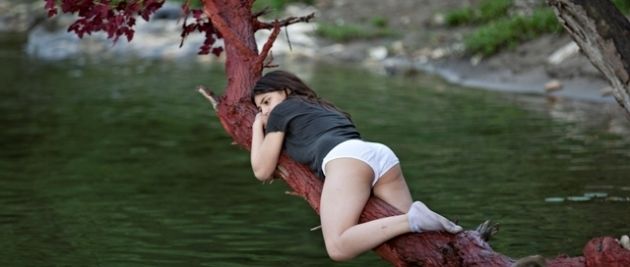
 photo fdbe3999-a878-4a70-a42f-e63a7cb0632c_zpsswz7lirz.jpg
What fun! Honoré's interpretation of Roman poet Ovid's Greek mythic tale of gods and demigods starts out with a modern day hunter running into a flame haired nude transgender person who graces him with pixie dust and turns him into a deer. The hunter becomes the hunted. Filled with young nude bodies (usually full frontal), Metamorphoses tells a high school girl Europa being kidnapped by Jupiter in the form of a hunky, bearded truck driver. It's a sexual, spritual awakening for Europa, as she mingles with Jupiter, Bacchus and Orpheus. Story within a story within a story plays out, some funny, some dark but all enjoyable, with emphasis on sexual ambiguity and transformation in human beings. The film is like a dream of a horny teenager who has fallen asleep in literature class.

A couple of years back, I remember Honoré telling me when I interviewed him for his film Beloved, that he is not a type of director who'd want to make nice things to be remembered by his offspring. He'd rather make things his son would be ashamed of. Without any big name actors, he charges on bravely, with lots of raunchy images, tackling on today's rigid, conservative society with an ancient literature and reminds us that things were much more transgressive and transforming in 1 century B.C..

Metamorphoses is also a visual feast, not only because of all the young nudes, but also the under-water scene where Orpheus attempts to retrieve Eurydice from the underworld which is breathtakingly gorgeous. There are many idyllic nature settings, most of them near the water which is the running theme of the film.

Death of skateboarding Narcissus scene is an epitome/origin of many Honoré's love sick characters' demises, you find out. Playful, dirty, edgy and wondrous in its micro-economic way, Metamorphoses works as it is intended to- a beautiful, dreamy poetry in accordance with the spirit of French New Wave. One of my favorites from the festival.

3 HEARTS **Opening Night Film
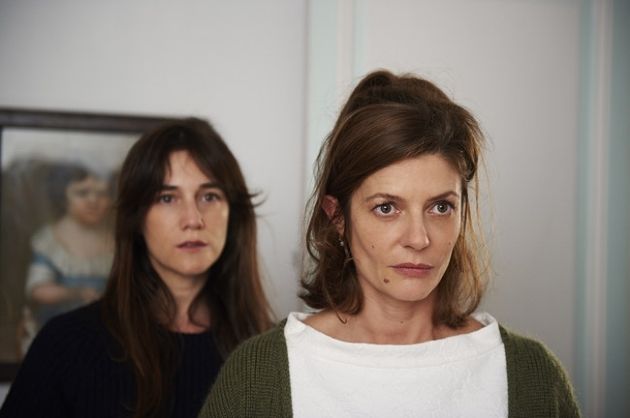
 photo f281f23c-762b-47aa-969a-8f66dce4ed0a_zps9tw6ktpc.jpg
Marc (Benoit Poelvoorde), a shlumpy tax investigator, just missed the train back to Paris. He meets and chats up lovely Sylvie (Charlotte Gainsbourg) who seems a little troubled. They walk all night talking. In the morning, they promise each other, without exchanging the numbers, to meet in Paris in one week on Friday, near a famous fountain near the park. The encounter was so special, Sylvie decides not to move to the US with her current boyfriend as she's been planning. But the Friday comes and goes. Marc misses the rendez-vous because he gets delayed by clients and has a mini stroke from his stressful job. Heartbroken Sylvie leaves for the US with her boyfriend.

Marc is in town again, looking for Sylvie. He ends up helping out distraught Sophie (Chiara Mastroianni), Sylvie's sister, with her business tax problems. The romance blooms. Eventually Marc finds out that they are very close siblings and whatever reason, he decides to avoid contacting Sylvie. Marc and Sophie marry. Marc and Sylvie avoid each other at the wedding. 3 years passes. The couple has an adorable son now. For the 60th birthday of the mother (Catherine Deneuve) of the sisters, Sylvie comes home. She and her boyfriend is not doing well and Marc and Sylvie's passion rekindles.

Not quite 'what if" story but 3 Hearts is full of regret and melancholy. It's a fluff in the vein of old Hollywood but with the help of todays gadgets - skype and cell phones, it works as a tension filled love triangle. You don't really believe two of the most alluring actresses of our time would fall for Poelvoorde's Marc, but whatever. It's a fun movie.

Director Benoit Jacquot has been busy. His new film Diary of a Chambermaid, a remake (of Renoir's classic in 1946, then again 1964 by Buñuel), starring Lea Seydoux just debuted at this year's Berlinale.

MAY ALLAH BLESS FRANCE
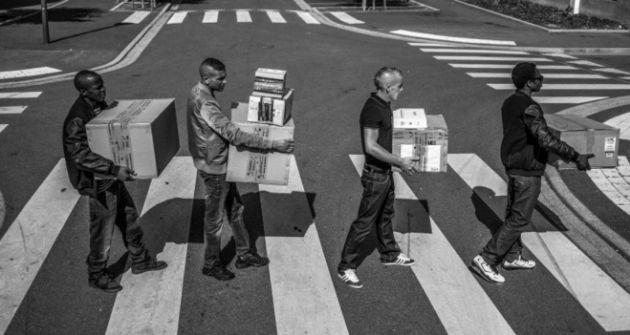
 photo 917587a2-ccb9-49b1-b75c-25cd0fee0327_zps0mip9zds.jpg
In light of Charlie Hebdo massacre, Congolese born French rap artist Abd Al Malik adapts his own autobiographical book Qu'Allah bénisse la France and shows yet another side of Muslims in France. Charismatic, clear eyed Marc Zinga portrays the rapper who was raised in a housing project of Neuhof, a surburb of Strasbourg. In the film, Al Malik (Zinga), whose given name was Régis before he converted to Sufi Islam, is a gifted student in Literature and destined to become a philosopher/poet. But his real passion is rap music and wants to overcome his underprivileged background and become a big star. With some of his friends, he practices and writes songs 2-3 hours at a time at a local community center where they have limited access to the gear and space. They pickpocket tourists to raise the dough but avoids dealing hard drugs unlike many of his friends and neighbors who are now incarcerated or dead.

It's neighbor's daughter Nawel (Sabrina Ouazani) who introduces him to Sufism, the spiritual side of Islam, and teaches him not to be a foreigner in their own country. Love blooms between them.

In May Allah Bless France, being Muslim is considered as an added responsibility that young people put on themselves. This means no drinking, no drugs, no disrespect towards women. The film's quite different from what you expect from the usual gansta movies. Al Malik restrains himself (to a fault) from going bombastic in style. It's shot in monochrome but the similarity with Mathieu Kasovitz's breakthrough 1995 urban drama La Haine ends there. The film almost too sanitized. The act of drive by shooting is never shown, Nawel and Régis never even kiss or show their affection out in the open until their eventual marriage. Sure some bad things happen to his friends and family members but everything is way too clean to be even a little bit affecting. Music is good though, especially Nina Simone sampled Gibraltar and Soldat de Plomb. Mireille Perrier (Chocolat, Boy Meets Girl) shows up as his school mentor, reminding him the past choice doesn't matter, it's the future ones that counts.

GABY BABY DOLL
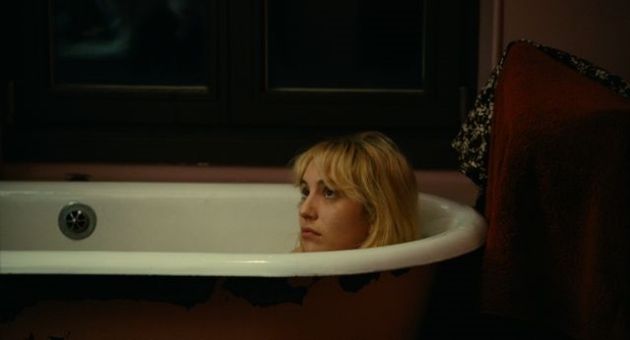
 photo d34b95f4-c61b-4a7e-a2bc-7b99d539a3c5_zpsudrvxn1h.jpg
Gaby (Lolita Chammah) is told by her doctor that she needs to learn how to be independent/self-sufficient. That she needs to let her neurosis go and get some much needed rest. So she arrives in a picaresque rural village with a group of friends. It's supposed to be a rustic vacation at a big house that belongs to her doctor. The trouble begins after her friends leave and her boyfriend detects that she doesn't really love him. So he leaves too, declaring that he will come back after the leaves on the tree in the front yard falls. Now left all alone by herself, she needs to find somebody to keep her company. She resort to a group of men in a local tavern every night to walk her home and stay the night, one by one. It's not like she wants to sleep with them, but she can't bear the thought of being alone. The words go around and she is banned from entering the pub ever again.

Then there is Nicolas (Benjamin Biolay), a bearded hermit who lives in an impossibly tiny shack with a friendly dog, outside of an abandoned castle. He is supposed to be the caretaker of the place. He has his set routine - long walks every morning and evening, collecting his thoughts, reflecting on life. He is a total opposite of Gaby. And she clings to him like a leech for company. Soon they are off to walk together and slowly, he teaches her to enjoy the solitude, just a little bit.

Sophie Letourneur's idiosyncratic romantic comedy rides heavily on the charm of baby-faced Chammah and she totally delivers. I get the Greta Gerwig comparisons but Gaby Baby Doll's success also has got to do with Letourneur's writing- nonchalant characters, unusual sense of humor.

PORTRAIT OF THE ARTIST
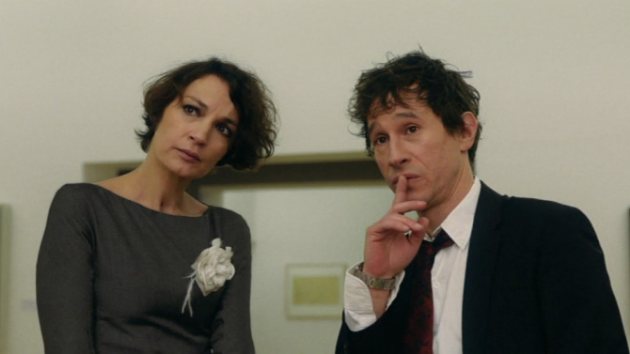
 photo f640e8a8-7e2e-41b3-8d21-2c45731437e5_zpsplehepzq.png
Director Bertrand Bonello (House of Tolerance, Saint Laurent) plays Bertrand, a film director who's trying to find one inspirational piece of art for his upcoming film about monstrosity. His supportive producer (Valerie Dreville) introduces him an art historian friend Célia (played alternately by Jeanne Balivar and Geraldine Pailhas) to help out finding an inspiration in various art museum trips. They see the paintings of Bacon, Caravaggio, Baltus, etc. Without any written dialog and clear direction, Bertrand is having a hard time explaining the project to his actors (Pascale Greggory, Sigrid Bouaziz). He also has a lot on his mind - his retrospective is coming up, a young, inarticulate interviewer keeps bothering him to meet up, Bertrand's stage actress/singer wife Barbe (Joanna Preiss of Siberie) is always on the road, mysterious Célia keeps changing her appearances while flirting with him. Then there is large red welts on his back that keeps getting bigger. Is it a sign of psychosomatic symptom or is it some kind of metaphor?

Director Antoine Barraud is not in a hurry to rush us out of the museums. He takes time for us to look at each of the painting Bertrand and Célia are looking at. And we observe them while they observe art in a quiet setting.

Portrait of the Artist is filled with beautifully photographed images and attractive actors (including Bonello, who wears sad, intelligent face very comfortably and has a strong screen presence). The film is not too concerned about one's artistic process or the end game. There is a pervading comfortable nonchalance: not silly but sophisticated and arresting. Even though it's not a puzzle piece, there are hints throughout the film that all the people surrounding Bertrand are reflections of himself - silly, shy, seductive, strange... that these are the overactive imagination of an artist. If a good cinema is nothing but the art of seduction, Portrait of the Artist would be it.

MY FRIEND VICTORIA
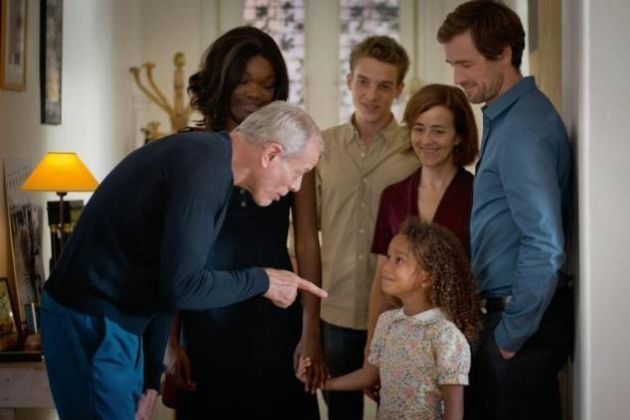
 photo e26558c9-b44e-4f3d-8c66-5ee533d4ca54_zpsl48qthfp.jpg
Jean-Paul Civeyrac's adapts Doris Lessing's novella, Victoria and the Staveneys. Narrated by her lifelong friend Fanny, the film chronicles passive life of a black girl.

Victoria, a girl growing up in the project, gets to experience how the wealthy white family (the Savinets) lives for one night when she was 8. The night and the handsome and gentle older son Edouard of the family make a lasting impression on her life. Later, she has a fling with the younger Savinet, Thomas, gets pregnant and decides to keep the child without telling him. She takes various low paying jobs because of lack of education, falls in love, raises two children by herself. Now her mixed daughter Marie is 7. Because Victoria doesn't want her daughter to end up like herself, she decides to contact the Savinets to reveal the truth. The whole Savinets are ecstatic except for Edouard, who asks for paternity test but then immediately regrets his decision. Being ultra liberal, the Savinets are crazy about this 'caramel colored girl' and pours all their affection to her. They even debate about if affection need to be shared by Victoria's other child, Charlie, by another father.

I loved Civeyrac's Through the Forest, part love story, part super-natual thriller, part musical. His light touch and technical daring do (Forest is consisted of 9 uncut, long shots). Here, he skillfully drives the film without making it all a case study for social observation. His filmmaking is fluid and light. Victoria is a beautiful character, trying to do right by her family and herself. Guslagie Malanga is terrific as the older Victoria, so as the narrator Fanny, played by Nadia Moussa and so as the Savinets, especially the warm, artistic dad and mom (Pascal Greggory and Catherine Mouchet).

It's interesting to see a film that shows as much about how well-to-do white liberals deal with minorities as about minorities themselves. It's an interesting window to see the race relations in post-Sarkosy, pre-Charlie Hebdo era France.

IN THE NAME OF MY DAUGHTER
 photo 60f0f78a-d6eb-44a7-844d-040b8c6640f3_zpsigcuoy3f.jpg
André Téchiné, the French master of subtle psychological dramas, tackles real life intrigue that took place in the French Riviera in the 70s. It is the esteemed director and Catherine Deneuve's 7th collaboration to date.

Deneuve plays Renée, a widow and owner of the last remaining casino that is not taken over by mafia. She is aided by her loyal lawyer Maurice (Guillaume Canet, respresenting two films at this year's Rendez-vous) to tread the troubling times. It's Maurice's cunning political maneuvering that makes Renée to take total control over the casino. But her daughter Agnes (Adèle Haenel, Water Lilies and this year's Cesar Award winner for Best Actress for Love at First Fight) arrives, expecting to cash in on her inheritance and set up a little business for herself. Athletic, sultry Agnes slowly but surely falls for studious Maurice who is married and also has a string of mistresses.

After getting rejected by Renée for advancement, Maurice, along with Agnes arranges for ousting of Renée from the leadership of the casino. Lovesick Agnes becomes completely dependent on him. But he tells her that he can never reciprocate the love she has for him. She becomes suicidal and one day disappears without a trace. Soon after, Maurice transfers all of Agnes's money to his account. Twenty years later, Maurice is flown back to France from South America where he lives now, to stand for the trial, accused of the murder and disappearance of Agnes, brought on by diligent work of Renée.

Building suspense or clear resolution is not what Téchiné's after. Despite its terrible American title (its original title is L'homme qu'on aimait trop which means 'The Man Who Loved Too Much' which makes much more sense in the film's context), the film is yet another great example of Téchiné's astute examination of unpredictability/duplicity in human nature that he is known for. All three principal actors are terrific against beautiful French Riviera setting, shot energetically by a veteran cinematographer Julien Hirsch (3 Hearts, Bird People, Godard's In Praise of Love and Notre Musique as well as Téchiné's Unforgivable and The Girl on the Train), the film is another strong outing from Téchiné.

Saturday, February 28, 2015

Joyless Rebellion

Buzzard (2014) - Potrykus
 photo 0c90cc94-2c6d-48ee-832a-d14c2b5ca820_zpsprxoh4pi.jpg
BAMcinématek at the BAM Rose Cinemas will present a special advance screening of Joel Potrykus' Buzzard on March 4th, followed by a Q&A with the director and screenings of his previous two films, Coyote and Ape. Please visit BAM website for tickets.
Joel Potrykus reconfirms his reputation as a 'real deal' in American indie scene with searingly funny and original Buzzard, the conclusion of his animal trilogy after Coyote and Ape, again, starring his muse, the incomparable Joshua Burge, as an angry social miscreant.

Enter the world of Marty Jackitansky (Burge) - a $9.50/hr indefinite temp at a mortgage company in Grand Rapids, MI. When he's not procrastinating at being an office drone, his life at home consists of TV dinners, corn chips, mountain dew, heavy metal music, video games and horror movies. He subsists his living by precariously screwing the system in small ways - ordering unnecessary office supplies at the job and returning them for cash, calling complaint hotline off of the frozen pizza boxes for more free food or coupons and cashing in undeliverable checks.

Welcome to the unglamorous life of the 99 percent in America. Comparing Buzzard to Office Space would be too easy, but from this angle, Buzzard is more like no budget, fantasy/political subtext free Fight Club. There is no joy or rebellious spirit in Marty's actions. No internal grandiose rhetoric. Deeply contemptuous of all people, he is just a class-A asshole and possesses no redeeming quality whatsoever. And there is danger in his unusually large bug eyes- he is building a Freddy Kruger style slasher out of his nintendo glove with real blades sticking out.

After cashing in the company's undeliverable checks, Marty's paranoia sets in. He abandons his messy apartment for fear of swat team kicking in the door any minute. So he crashes at his total tool-of-the-system co-worker Derek (played adroitly by director Potrykus)'s coveted 'party-zone' A.K.A. the basement of his disabled dad's house. Derek is as much of a man-child as Marty: they argue, goof around (Jedi Knight vs Freddy), play video games and eat hot pockets and corn chips together. But things get sour after Marty finds out that Derek unwittingly might have ratted him out. After physically hurting Derek, Marty runs away to Detroit with $200 from the checks he cashed in his pocket.

Joshua Burge's unfiltered portrayal of a ne'er-do-well is funny and chilling at the same time. With his unusual mug, Burge stands out no matter where he goes, against the film's 'normal people' who possess no distinctive characteristics. It's pretty brilliant that Marty's choice of place to escape his ugly reality is none other than Detroit, not quite the promised land where one would want to escape to. The uncut, 20 dollar plate of spaghetti sequence in a luxurious hotel room is a legend in the making. In one minute Marty feels happy running down the underpopulated streets of Detroit thinking that he got off scot-free from his petty crimes, then the next he finds himself still trapped in the miserable thing called reality.

Raw and ugly, yet mesmerizing, Buzzard is a one of a kind film that you can't shake off easily. As the country's economical climate recycles the past, Buzzard shares the dispirited spirit of the slackers of the Generation X of the 90s.

Buzzard
opens nationwide on March 6th.

Thursday, February 26, 2015

I'm Not a Real Person Yet

Frances Ha (2014) - Baumbach
 photo 780f05ff-5505-49c0-915f-13fe05badac2_zps8sposwqq.jpg
I am more than mildly surprised by Noah Baumbach's acute observations of 20 somethings giromance movie Frances Ha. No less impressive is Greta Gerwig's performance as Frances, a young woman with a case of post-college blues. At 27, while painfully aware of time passing and her aimlessness, Frances hops around overpriced New York apartments filled with equally underachieving, too-clever-for-their-own-good 20-somethings with their parents' money. There is no visible obligatory character arc Frances has to reach. Her goofy, girl-next-dormroom persona stays put throughout. "I'm not a real person yet," she replies in one of the conversations. It's an easy justification/defense mechanism of the man-child, but also the truth. Things get a bit real: her roommate/best friend Sophie moves in with her boyfriend. She doesn't get the dance company job where she dances as an apprentice. And she doesn't have money to pay for a Chinatown apartment she shares with two hipster boys.

After a blissful, yet way too cozy Christmas break back home in Sacramento, things hit a sour note. After insisting to crash at one of her friend's apartment, it becomes apparent, whether she realizes it or not, that her goofy antics are not that fetching to anyone anymore. But instead of getting her shit together, out on a whim, she takes up on the opportunity of staying in an apartment of acquaintances in Paris for a weekend, just before an interview for a job at the dance company that she may or may not get, blowing money on plane tickets.

The thing is, I've known plenty of girls like Frances and I can't help myself rooting for her to succeed, whatever that might mean. Gerwig's adorable with her catoonishly big smile and manly works and her 'undate-ableness' and all her small quirks. Frances Ha is a chatty movie but never expository, focused yet universal and a visual marvel featuring unassuming streets of New York in black and white. Baumbach gets extra points for aping Modern Love sequence from Leo Carax' Mauvais Sang.

Sunday, February 22, 2015

Self Motivated

Nightcrawler (2014) - Gilroy
 photo a030f9e3-ca72-4d87-9f46-01b3e50d24f4_zpsrhbz2wak.jpg
Jake Gyllenhaal shines in his sleaziest role ever, as an ambulance chasing videographer, Louis Bloom who won't stop at anything to get the most vile, violent footage of car wrecks, home invasion, multiple homicides, etc and selling it to the highest bidder. He has no social skills but always doles out scripted, online course-learned speeches when dealing with other people. The thing is, in real life, we all know these kind of individuals. They are not quite right as they have no moral scruples in their actions. There is something missing in their eyes. What's disturbing about Nightcrawler is that Bloom becomes very successful in what he sets out to do. He tampers with crime scenes to get a better angle, gets rid of competitions, blackmails a like minded shock tv station manager, and withhold information from the law to get the next exclusives. He's a total posterboy of 'pulling up your bootstraps' crowd.

It's Hollywood scriptwriter Dan Gilroy(and brother of Tony Gilroy)'s first film. He pulls all the stops with Nightcrawler - shot beautifully by PT Anderson regular Robert Elswit, stars his wife Rene Russo along with Gyllenhaal who also produced and music by seasoned composer, James Newton Howard. The worst of all is the score which doesn't match the film at all and sticks out like a sore thumb. I'm just angry that Nightcrawler won the Best First Film at Indie Spirit Awards over She's Lost Control. Really? This well polished film by Hollywood insider is considered indie? It's pretty disgusting.

Eri Yamamoto Trio at Arthur's Tavern

 photo 600_zpsqfgtoz4e.jpg
Out on a whim, we decided to brave the snow and go to the West Village, and look for a live jazz club. It's been a very long time that we went to see a live jazz since Augie's on 108th Steet closed. We found a small hole in the wall place, Arthur's Tavern, where we saw Eri Yamamoto's trio. The setting couldn't have been more perfect: that acrid smell of old pub- of creaky, dusty wood, liquor and urine all mixed in. Christmas, Easter decorations and balloons from yesteryears still adorned the walls, including big brass "NO DANCING" sign and the sight of falling snow through the front window. Old husky bartendress from Macedonia poured me Knob Creek, instead of Hennessy, realized her mistake and didn't charge me for the drink. The waitress is late because of the snow. She's coming from Jersey, she explained. We got there early, settled in up front, not expecting much. The trio started arriving, also late because of the snowstorm. But they were pleased that there are so many of us showed up.

Eri Yamamoto Trio last night was Eri on the piano, Arthur (didn't get the gentleman's last name) on bass and Ikuo Takeuchi on drums, playing all original composition by Yamamoto. It was exactly what we were looking for in a night like that. And we were glad we finally found a place for live jazz after all those years of yearning.


Yamamoto and company are fine musicians. And her compositions are beautiful. For more of Yamamoto's music and info, please visit eriyamamoto.com

Thursday, February 19, 2015

Film Comment Selects 2015 Preview

Film Comment Selects, Film Society of Lincoln Center's annual film series that showcases the best films from all corners of the world selected by folks at Film Comment magazine, marks the arrival of spring for New York cinephiles in otherwise dreadful February/March movie season.

This year's selections are as diverse as ever; the series blasts off with Mark Hartely's hilarious doc Electric Boogaloo: The Wild, Untold Story of Cannon Films with some of Cannon's greatest hits as the sidebar selections, includes Larry Clark's Kids part deux- The Smell of Us (skater kids in Paris, this time), the late Mike Nichols tribute to his underrated, underseen The Fortune, Philippe Garrel's rarely screened elegy Un ange passe, a special screening of the original preview cut of Joe Dante's Gremlins (featuring five additional minutes!), as well as many festival favorites- Shinya Tsukamoto's remake of Fires on the Plain, Justin Benson & Aaron Moorhead's Spring, Tetsuya Nakashima's The World of Kanako and Christian Petzold's new film Phoenix. The series also shed a six-film spotlight on autobiographical Danish auteur Nils Malmros.

I was able to sample films below from the series lineup. The Film Comment Selects runs 2/20 - 3/5. For more information and tickets, please visit FSLC website

THE SMELL OF US - Larry Clark
 photo 4edb0dde-9c7c-4051-8bde-68cc9c616a41_zps9qj6n6qi.jpg
It's been 20 years since Larry Clark made Kids. Now in his 70s, Clark hasn't changed his tune one bit. The setting now is in Paris and young skaters and hustlers are now armed with iphones to memorialize their sexual escapades. But everything else is pretty much the same. Even though there are a lot of skins and explicit shots, the impact is far less shocking to anyone in this internet age.

The thin story centers around Mat/pacman (Lukas Ionesco), a San Sebastian-esque beauty who is 'only gay for cash'. Everyone is in love with him, including his best buddy JP/Babyface and only visible girl in the group, Marie. There are a lot of flabby, monstrous old men/women lusting for young flesh in this film, including cameo from Clark himself as a drunk homeless man they call Rockstar (yeah right).

The Smell of Us makes the word 'disaffected' even more tiresome. The kids in the film are not only rebels without a cause but brain, emotions and everything that makes interesting characters. It is too obvious that only thing left to sell is their youthful body. In this day and age, I don't think that cuts it anymore.

SHOCK VALUE: How Dan O'Bannon And Some USC Outsiders Helped Invent Modern Horror
 photo 6269208a-e93c-4413-a70e-e7a05945d9a6_zps56dbf2am.jpg
USC, the school responsible for incubating such Hollywood filmmakers as George Lucas, Ron Howard and Rian Johnson, was also the place to be for successful genre filmmakers in the late 60s early 70s.

USC archivist Dino Everett lovingly strings together the works of USC Film School collaborators - Dan O'Bannon, John Carpenter, Charles Adair, Terence Winkless and Alec Lorimore in this no frills anthology. Obviously these are raw, amateurish student films but there are clear evidence of seeds of what's to come in genre filmmaking being planted, especially in Adair's riveting The Demon, predating Texas Chainsaw Massacre and sharing the same spirit of Night of the Living Dead and Winkless & Lorimore's Judson's Release being a precursor to Carpenter's Halloween. I would loved to have seen Carpenter's thesis film Lady Madonna- the anthology includes some of the sound recordings of the film without the picture since the negatives of the film are said to be lost.

BYPASS - Duane Hopskins
 photo 4b04fa5d-c60b-48c4-a9d2-352a87514f6a_zpsi0jvlr6q.jpg
Duane Hopkins' Bypass is yet another great example of social realism set in British working class neighborhood. It fits somewhere between the works of Lynne Ramsay, Andrea Arnold and Shane Meadows, owing everything to, of course, Alan Clarke, Bill Douglas and early Mike Leigh. Gracefully lensed by David Proctor and beautifully acted by the principles, the film rises above other depressing, small time thugs dramas set in England.
Bypass tells a story of the Locketts. Fatherless with bedridden mom, the eldest Greg (Benjamine Dilloway), a former soccer player whose dreams are crushed by the leg injury, deals in petty theft to support the family. But when he is caught and locked up, it's a sickly younger brother, Tim (George MacKay, in a star making turn)'s turn to provide for the family, dealing with pretty much the same set of local lowlifes. Things get complicated when bill collectors and child welfare services are hounding him and his younger sister and his angelic girlfriend, Lily (Charlotte Spencer) gets pregnant.

Hopkins shows his talent for effortless pacing, change of POV and smart, economical storytelling without losing sight on the characters innate goodness and warm heart. Brooding and tense, Bypass showcases another major talent in the making in British cinema.

VOICE OVER - Cristian Jimenez
 photo f5da728c-55ad-46d6-b328-b78deb9bcaf8_zpschwhw1vw.jpg
Chilean director Cristian Jimenez's Bonsai has been on my radar for a while. His new family dramedy Voice Over is a well written, well rounded film. It tells the story of Ana (Ingrid Isensee), a pretty, thirty something, unemployed, divorced mother of two young children, dealing with life's all messiness- while taking care of her two kids who are growing up fast, she finds out that her seemingly happy parents are separating, then her bossy older sister comes back home after getting Ph.D on anthropology with her hunky French husband and a new baby in tow. A failed actress, now Ana is trying to be a voice over artist for commercials. Even though Ana is the supposed protagonist of the film, Jimenez gives equal attention to each character and makes them all shine.

I really hate familial archetypes, 'quirky' characters in American comedies. Jimenez wouldn't have any of that. They are well developed, yet far from perfect people who are trying to cope with the curve balls life throws at them. There's birth. There's death, First sign of womanhood, sibling rivalry, rusty nail in the yard, veganism, heartbreaks and forgiveness, but nothing seems far fetched or outrageous for quirk-sake. There isn't a moment in life where a smooth voiced narrator explains everything that everything will be okay, like in movies. Jimenez has a real eye and ear for life's little incongruities. The result is a rich and rewarding viewing experience.

HIGH SOCIETY - Julie Lopes-Curval
 photo 95fd6078-9a9a-4853-b1f3-e59999d5e253_zpsabzenlax.jpg
Alice (Ana Girardot) is at a stage where she is trying to find her artistic voice. The thing is, she's from a single mother household, works at a cake shop and lives in a small town in Normandy. Knitting is her thing. After many weeks of hesitation, she asks for a recommendation letter for entering a prestigious art school in Paris from a wealthy woman in fashion industry who frequents the cake shop and has a villa in Normandy. Once she is accepted by the school, she gets involved with the woman's son Antoine (Bastien Bouillon) who quits a business school to become a photographer. He is a proto-hipster, rebelling against rich parents and living that bohemian lifestyle in Paris.

For the rest of the film, we witness the education of Alice- on finding her artistic voice, on life. Even though she loves Antoine, he involuntarily keeps reminding her the deep divide in their class differences- it's in the things he says and does nonchalantly, even innocently that hurts her.
High Society is beautifully written by Sophie Hiet and director Julie Lopes-Curval. I can't think of another movie that deals with class differences so subtly (explored in Blue is the Warmest Color but better here). Rich and poor aren't grotesquely exaggerated caricatures here. Girardot is adorable as a young woman finding out that there is a bigger world out there and that there is so much to learn and explore without compromising the sense of who she is and not forgetting where she's from. A beautiful film.

TREE OF KNOWLEDGE - Nils Malmros *In Focus
 photo a007ae5a-ff04-4369-bef3-75eb808122ad_zps2heclwoh.jpg
Nils Malmros chronicles bittersweet days of his adolescence in the 50s Danish intermediary school. Tree of Knowledge concerns a dozen kids in the same class, as they start noticing opposite sex- love at first sight, jealousy and heartbreak ensue. It is quite apparent that Malmros was doing way back then what the social realist like the Dardenne Bros are doing now. Almost documentary like, he gets full access to the lives of these youngsters and gets amazingly naturalistic performances. These episodic days of 13 year old boys and girls are mad affecting. Particularly, in the case of Elin, a tall sullen brunette from an ultra conservative household who gets ostracized because she is a prude, both by heartbroken, monstrous boys and cliquey, jealous girls. Then there is Niels-Ole (Jan Johansen), a leader and general rabble-rouser of the pack, falls hard for beautiful Maj-Brit (Lone Elliot), only to find out that our little Maj-Brit 'has been around with many boys'.

Malmros masterfully orchestrates 2 years of the lives of the group (here's looking at you Linklater!) and ends the film just as swiftly, leaving us wanting more and appreciating the fleeting nature of those precious days in equal measure.

*The series include following Malmros films: Arhus by Night, Boys, Facing the Truth, Pain of Love, Sorrow and Joy and Tree of Knowledge

NINJA III: The Domination - Firstenberg *Cannon Films Tribute
 photo e361c52a-15bd-4eee-8e3a-259ad64c4f24_zpsp68rchsd.png
Christie (Lucinda Dickey) is just ordinary working gal: she works for a phone company, climbing up the telephone polls in a cute jumpsuit, then changes to a neon colored leotard to teach an aerobics class. She encounters a dying ninja who just killed about a hundred LA cops along with his intended victim. His soul gets transferred to Christie and she becomes an unstoppable cop killer.

Ninja III, steeped in 80s typical cheesy settings- Patric Nagel poster, squiggly neon tubes on the wall and public phone booth in the living room, is an epitome of a Cannon b-picture ridiculousness. You just have to surrender yourself to it and it will reward you handsomely.

*Cannon Films Tribute includes the following masterpieces: 10 to Midnight, The Last American Virgin and Ninja III: The Domination


Sunday, February 15, 2015

Nature Will Take Its Course

Still the Water (2014) - Kawase
 photo 6d6f29b5-a315-4cc1-8ee0-8cf1142caf8a_zpsvetfmtcj.png
 photo 641f9ea0-f53c-42b1-b868-abde67c7dc4e_zpsx5pjmcjm.png
 photo 31021bec-b88e-4177-87bd-02865a70a02d_zpsafygzbhw.png
 photo c8806ef3-7522-4139-9940-eb90db41a33a_zpsglpovltb.png
 photo 00354771-fd32-42e9-b9a2-5f0a9e320ed9_zpsjqyooiux.png
 photo 566d37df-10c6-4e54-ac40-a04b36cc41cb_zps15ud7h8d.png
Death and love dominate Still the Water, Kawase's tropical island set coming-of-age story. There's a lot to like- for instance, two leads are incredibly attractive. You can really take your eyes off of Jun Yoshinaga's dark, flawless face. The setting is gorgeous. Add stunning underwater sequences. I'm sold. Yoshinaga plays Kyoko, a High Schooler who's in love with a Tokyo transplant, sullen Kaito (Nijiro Murakami). Her shaman mom is dying of some illness and she has to grapple with the concept of death. Kaito is a deeply scarred by his parents splitting up and can't understand his mom's lascivious nature. He resists Kyoko's advances.

Unfortunately Kawase paints Still the Water with such broad strokes that it isn't quite affecting as it should. Yes adult life is complicated and death comes to everyone. Yes the nature will take its course whether you like it or not and old tradition will continue long after you are gone, and so on. But the long arduous sequences aren't going to make the point more poignant. The film should've been 30 minutes shorter.

Sunday, February 8, 2015

My Life in One Page Comic

Something Nicole doodled at her job (High School Art Class Teacher) at a Professional Development meeting. This is a 100 percent truthful representation of our lives. Gotta love that woman!
 photo bcd717cd-afcc-4cd1-ab79-3c871e190333_zpsjektap0b.jpg

Saturday, February 7, 2015

Hurting Game

La Belle Personne/The Beautiful Person (2008) - Honoré
 photo 81c64b12-a853-4652-9adf-9a7235aba87a_zpshitapi9m.png
 photo f73da5f3-e978-41e3-a4d1-c14bb9a337e0_zpsh4uqvv45.png
 photo f102bcbb-5232-46ea-9996-73ecc1c499bb_zpsbskehxzw.png
 photo ffa44972-544c-464d-a876-684704f95dff_zps4es77nr9.png
Juni (Léa Seydoux) is a new girl in school. She's Mathias's cousin who lost her mom not long ago. Mathias and his gang of friends are poised to set her up with saintly Otto (Grégoire Leprince-Ringuet of Love Songs). She also attracts the attention of her handsome, playboy Italian class teacher Nemours (Louis Garrel). Thrown in this Shakespearean melodrama, sullen Juni needs to figure out what she wants without hurting anyone and getting hurt herself. Otto doesn't understand why for Juni, it's not love at first sight like for him. Nemours breaks off all his female relationships in pursuit of Juni. He intellectually understands that she will never fall for him, but can't stop pursuing her. After reading a love letter that was mistakenly identified as written by Nemours, Juni makes up her mind.

Seydoux's loveliness dominates most of La Belle Personne. Her downcasted eyes, her melancholic expression suggest deep mystery. No she's not a naif, unlike the observation of a cafe owner, that teenage girls are as delicate as a glass (in warning Nemours). No matter what the circumstance, she is stronger than you and she can destroy you if she wants to. She is infinitely wiser than you. She understands that love doesn't last long and if she falls for it, it might hurt her. So she resists. Honoré too understands, about fleeting nature of love and its unfairness. His love stories are always sad, but also beautiful.

My interview with Christophe Honoré
Les bien-aimes/Beloved review
Les chansons d'amour/Love Songs review