Sunday, November 26, 2017

Going Up the River

Crosscurrent (2016) - Yang
Screen Shot 2017-11-25 at 1.38.35 PM copy
Screen Shot 2017-11-25 at 2.06.09 PM
Screen Shot 2017-11-25 at 1.42.57 PM copy
Screen Shot 2017-11-25 at 1.43.29 PM
Screen Shot 2017-11-25 at 1.44.39 PM
Screen Shot 2017-11-25 at 2.30.13 PM
Screen Shot 2017-11-25 at 1.46.30 PM
Screen Shot 2017-11-25 at 1.49.44 PM
Screen Shot 2017-11-25 at 2.29.28 PM
Screen Shot 2017-11-25 at 1.52.35 PM
Screen Shot 2017-11-25 at 1.57.06 PM
Screen Shot 2017-11-25 at 1.58.56 PM
Screen Shot 2017-11-25 at 2.01.10 PM
Screen Shot 2017-11-25 at 2.03.13 PM
Screen Shot 2017-11-25 at 2.03.52 PM
Screen Shot 2017-11-25 at 2.05.39 PM
Screen Shot 2017-11-25 at 2.04.43 PM
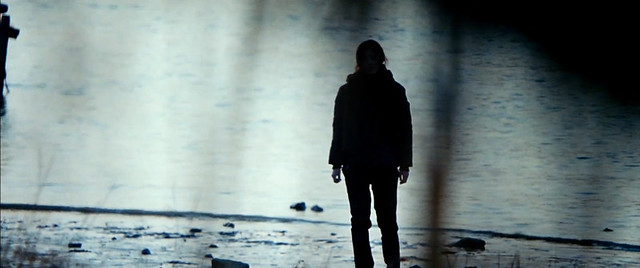
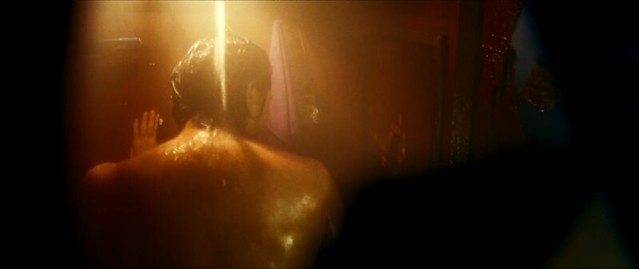
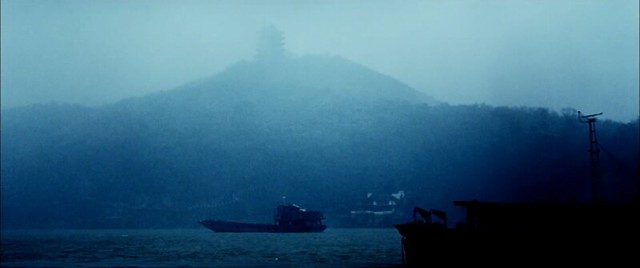
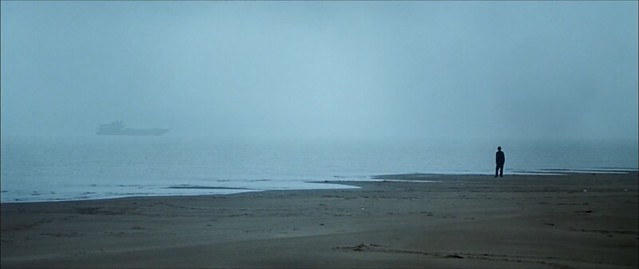
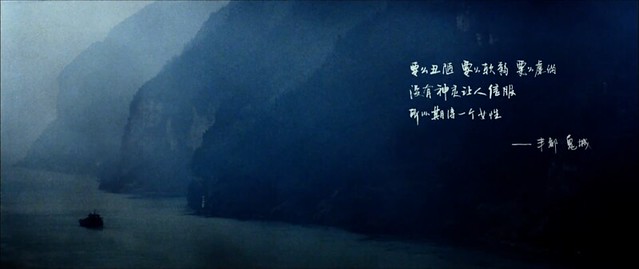
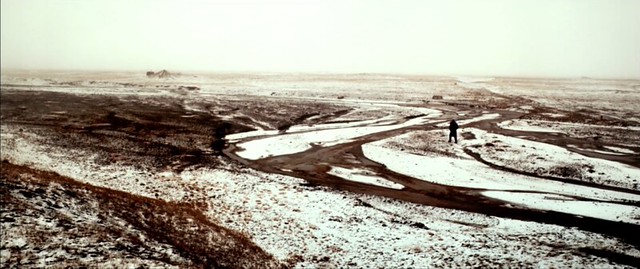
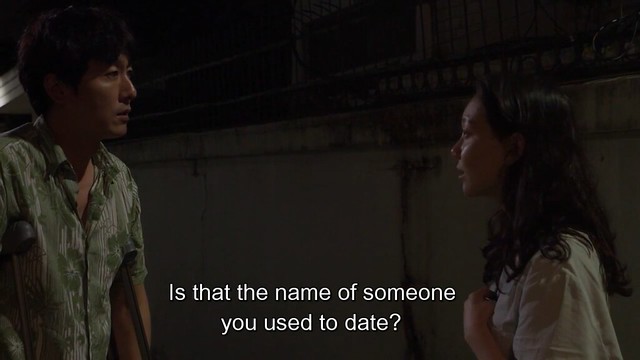
Yang Chao's Crosscurrent is an ambitious undertaking- he tries to show China's changing times up through the Yangtze River, both literally and in metaphysical sense, on a small cargo boat. And it's a glorious one.

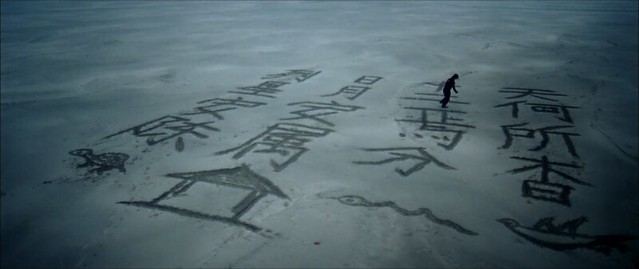
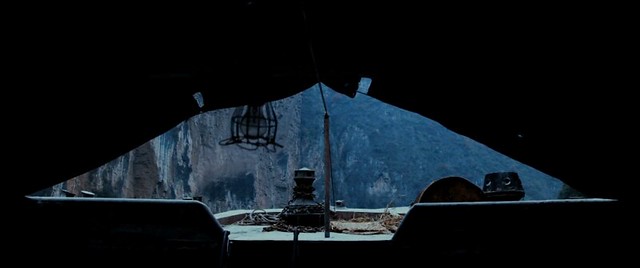
Gao Chun (Qin Hao), just lost his father and as the tradition calls it, he needs to keep a black fish caught in the river in an urn until it expires naturally, so he can set his father's soul free. But he also inherited his father's tattered small cargo boat, a broad headed hunk of metal all rusted blue and red with age. Hired by some hotshot shady businessman, he is tasked to carry some unseen illegal cargo up the river. With an old man and an impatient young deck hand, and narrated by a diary found inside the boat -poems on each port Chun visits, he embarks on a long metaphysical journey through waterways, from Shanghai all the way to the source of the river near Tibet.

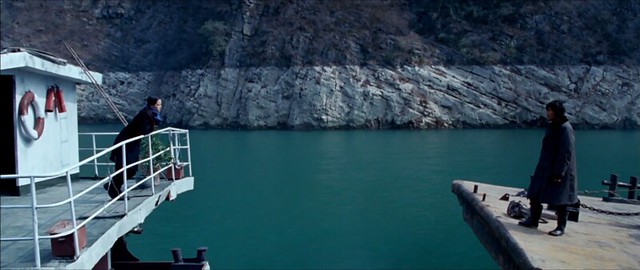
Chun lays his eyes on beautiful An Lu (Xin Zhilei), first as a prostitute on a floating riverboat in Shanghai, but she appears on every port Chun's boat docks along the river, waiting for him. Sometimes they meet, sometimes they miss each other, but without fail, she is there on the next port, reappearing again and again in a different form or another. An Lu in Mandarin is safe road/inner path, therefore the presence of An Lu serves as a nature spirit/old China left at a port as the ship sails.

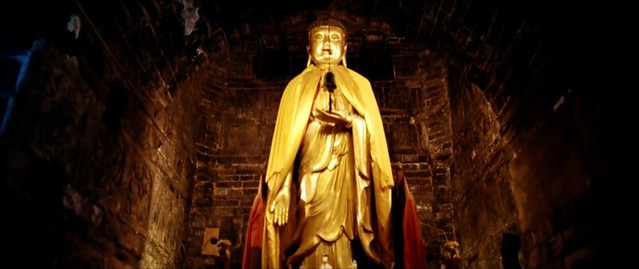
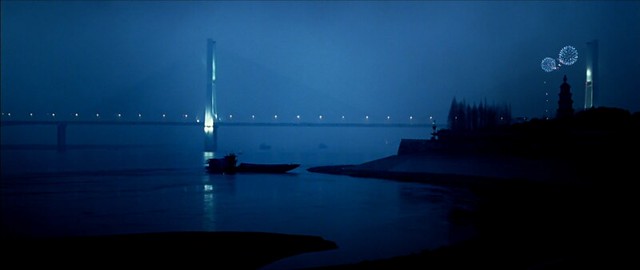
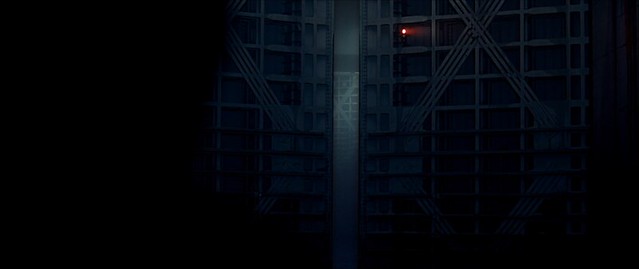
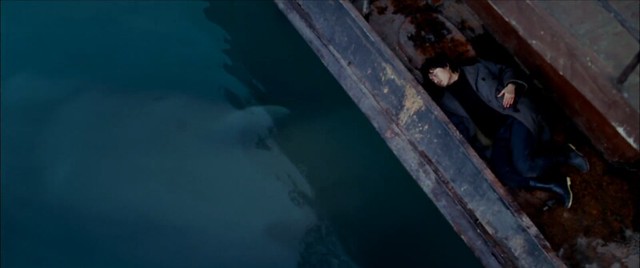
As we go up the river, we are presented with China old and new - ruins of flooded towns, pagodas on top of the mountains, natural beauty of the waterways contrasting with ultra modern bridges and gigantic steel walls of Three Gorges Dam. Tears roll down on Chun's face when he observes the wonders of human ingenuity of the dam and when he encounters An Lu for the last time, indiscriminately.
Yang's approach might be too broad and can be seen as too arty farty and pretentious as the film tackles grand themes like the country's identity and its past and present in a poetic and spiritual way. And it many ways it is. But who cares. Mark Lee Ping Bin's cinematography is insanely gorgeous here.

Sunday, November 19, 2017

Sentient Beings

Testről és lélekről/On Body and Soul (2017) - Enyedi
Screen Shot 2017-11-19 at 1.12.37 PM
Screen Shot 2017-11-19 at 1.14.00 PM
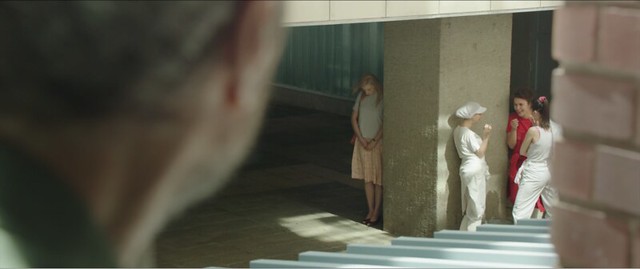
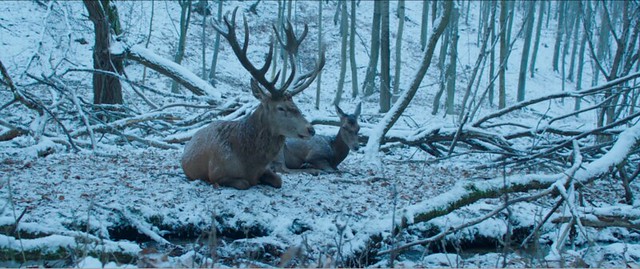
A handicapped, lonely and aging financial director, Endre (Géza Morcsányi) at an industrial slaughterhouse is intrigued by Maria (Alexandra Borbély), a new quality inspector who lacks any social niceties. It happens that they dream the same dream every night - that they are a deer couple, roaming the snowy forests, enjoying each other's company in silence. But even though they share the serendipitous events, unlike a regular romance, they have some big huddles to leap through - Endre has given up his love life a long while ago and Maria suffers from haphephobia for whatever reasons.

Hungarian director Ildikó Enyedi (My Twentieth Century) does whimsy right while contemplating all animals as sentient beings. On Body and Soul is a grown-up fairytale (as opposed to grown-up's fairytale). I liked that Enyedi doesn't rely on cuteness of the premise. It's mature and beautifully realized. I hate when a film makes sex as a clutch that solves every problem its characters have. Even though Maria's characterization is shorthanded, I loved the idea of her ethereal being coming down to earth by her elopment with Endre, realizing the love is accepting breadcrumbs on the table.

Saturday, November 18, 2017

Selfish Love

The Day After (2017) - Hong
Screen Shot 2017-11-18 at 12.26.43 AM
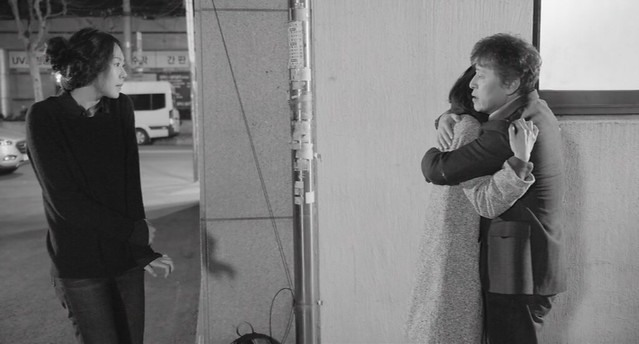
The Day After is just as delicious as Alone on the Beach at Night. Clocking just over an hour, it tells an illicit love affair of a small time book publisher (Kwon Haehyo) and his mousy employee (Kim Saebyeok) from the point of view of a new employee named Arum (beauty in Korean, played by Hong's muse Kim Minhee). Arum gets tangled up in the publisher's messy life on her first day on the job, when she gets assaulted by his suspecting wife. After half-convincing the wife that Arum is not the one, and telling her that the girl he was seeing went away, and asking Arum not to quit after one day at the job, to complicate the matter, the mousy lover comes back the same night. So he has to let Arum go (he can only afford one employee) after all. Arum is dejected and disgusted by this love affair she was involuntarily ensnared into, but ultimately could care much since it's not her problem.

As always in Hong fashion, The Day After is shot unremarkable and is in ugly black and white. Don't matter, it's still great human comedy about fickle relationships. Not as angry as Alone on the Beach, but just as confessional, Hong makes a case for how hurtful affairs can be. He and the publisher know too well that the affair is not going to end well. But when you are in love nothing really matters- you will sacrifice everything including a stranger who just happens to be there. Love can be a very selfish and ugly thing.

It's sad, funny and poignant all the same. Grown to love Hong's naturalism. There is no movie phoniness or over the top self-reflexiveness in his work. Kim's natural performance, as a kind of shy, yet frank beauty is a great fit in his films.

Monday, November 13, 2017

Clear-Eyed Humanism

Le fils de Joseph (2016) - Green
Screen Shot 2017-11-13 at 6.54.22 AM
Screen Shot 2017-11-13 at 7.53.50 AM
Screen Shot 2017-11-13 at 6.47.19 AM
Screen Shot 2017-11-13 at 6.51.37 AM
Screen Shot 2017-11-13 at 6.53.27 AM
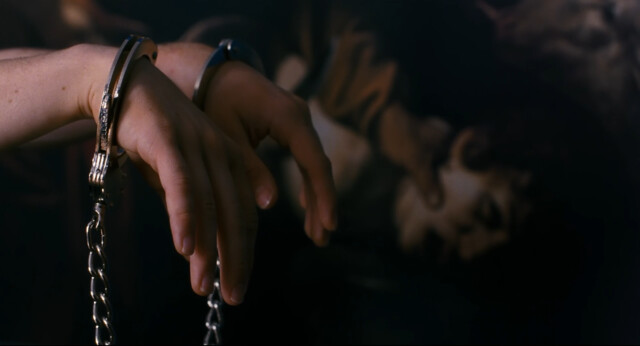
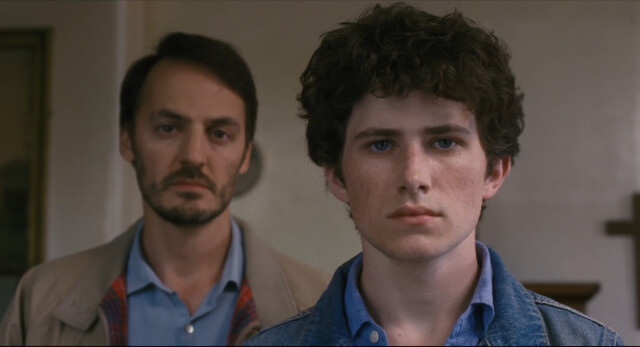
Vincent (Victor Ezenfis) is a good kid. He's a kind of kid who shies away from fellow schoolmates torturing the rat in a trap and steals from a Hardware store but only to put the item back later, smiling to himself. He is also a serious kid who'd have Caravaggio's Sacrifice of Issac on his bedroom wall. Raised by a hardworking single mom (Natasha Régnier), he has never known his dad. He becomes increasingly unhappy about this and starts resenting his mom.

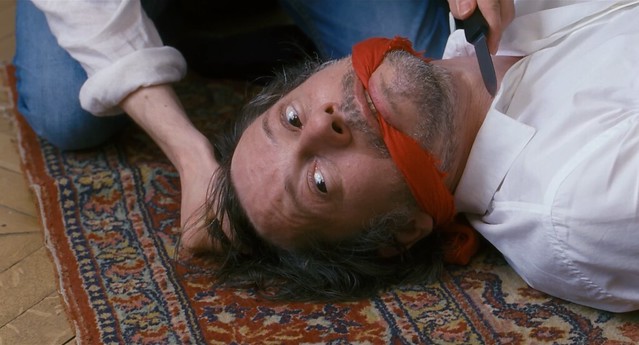
After snooping around the house, Vincent finds out who his dad is- Oscar Pomenor (Mathieu Amalric), a big time playboy and important literary figure in Paris. After gaining access to one of Pomenor's parties by pretending to be one of his literary pupils, Vincent sneaks into his posh office only to witness his dad's extramarital thryst. It turns out that Pomenor is a grade A asshole and a terrible human being, not worthy of being a dad. He makes a decision to kill him, Abraham style. But when the moment comes, he can't do it. And there in the hotel bar where Pomenor's office is located, he meets Joseph (Fabrizio Rongione), who has just been rejected a loan by Pomenor.

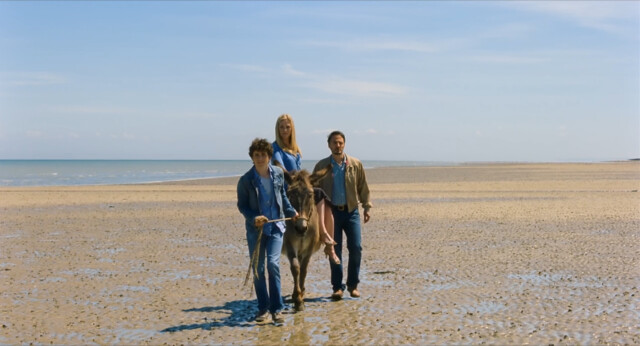
Joseph, a never-do-well brother of Oscar, who dreams of owning a farm in Normandy where he grew up, strikes up a good friendship with troubled Vincent. The kid, longing for a good dad and a family, in turn introduces him to his mom. The romance blossoms.

Even though Le fils de Joseph is steeped in religious references, you can't not be moved by its clear-eyed humanism. Green, a unique filmmaker whose Bressonian approach might need some getting used to, once again, makes a deeply touching parable showing that goodness exists in people. Solid performances all around. Régnier's beautiful in this. SHer subtle, warm, vulnerable performance really shines.

Sunday, November 12, 2017

Good Time for Whom?

Good Time (2017) - Safdie
Good Time
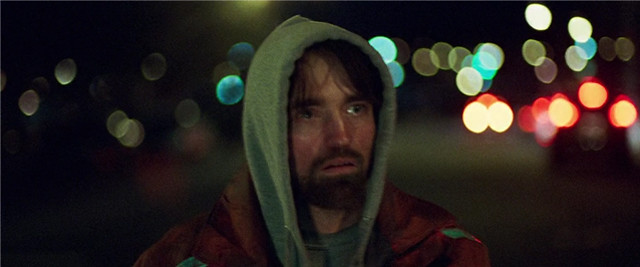
I understand what Josh and Benny Safdie are going for. From what I've seen and heard, their films are all about small moments - not narratively gregarious, concentrating on small encounters, naturalistic settings, characters in motion. And there are quite few of those moments in Good Time. When they work, they work great. But does the movie work as a whole? I'm not so sure. Good Time has many things going for it - solid performances by wide eyed Robert Pattinson, playing a small time crook taking charge over his mentally handicapped brother (Benny Safdie), heart pumping score, 16mm gritty cinematography... But it also is very unsatisfying especially when there is no one you can root for. Pattinson's Connie is a hard character to sympathize with, as he works his charm over various women and resort to violence when things get dire. I get that he cares for his retarded brother but there is no indication of his background or what his real motives for the bank robbery is - in short, who he is.

OK, so those moments. Loved the interaction btwn Pattinson and Safdie in the bathroom of Pizza Hut after their robbery has gone horribly wrong. Loved the teen black girl in the house in Queens where Connie invites himself into. It's very unlikely that a sassy, pot-smoking black teen would be hanging out with an older white stranger, but I let that go because their interactions are really great. Loved the idea of breaking into an amusement park at night. But that moment's also somewhat tampered by that Somali actor (Barkhad Abdi) who is in everything now- the treatment he gets (from Connie) was almost racist.

People stop comparing Good Times to 70s NY movies. The Safdies ain't no Lumet. Their aim is quite different- it's smaller and narrower. But it's as if they don't ever wanna bite off more than they can chew. If getting those couple of moments are their aim for two hour movie, that's fine. But I feel they are putting emphasis on the wrong things- for instance, extensive (and surely expensive) aerial shot of the city in the beginning and following Connie's car on the street from aerial view. Good Time feels like as if they are afraid to tackle something bigger, grander things. I don't know. I guess I don't like their timid ways.

Thursday, October 26, 2017

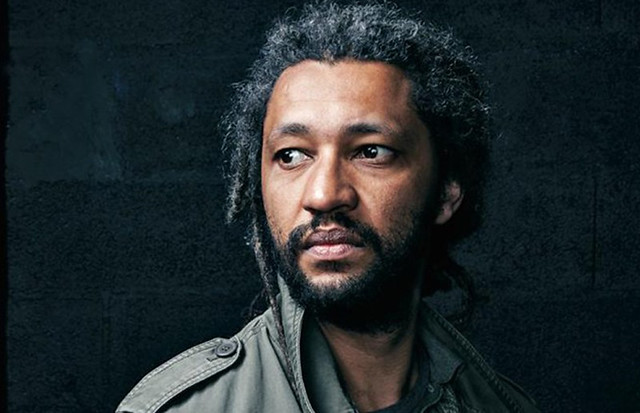
"Let It Happen." Alan Gomis Talks about His New Film, Félicité

Gomis
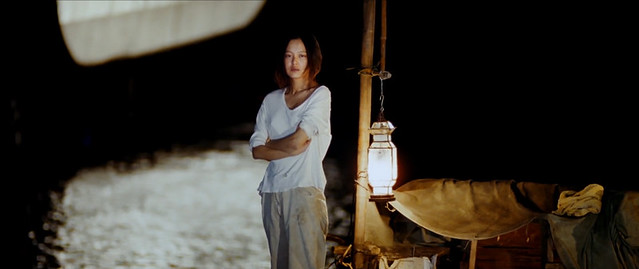
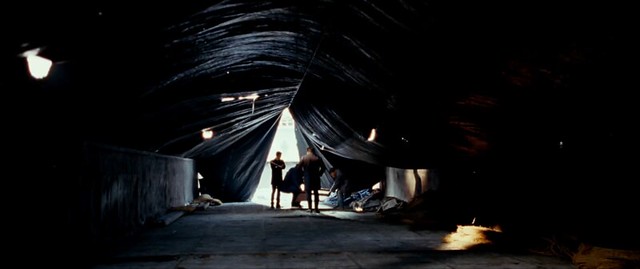
After winning Grand Jury Prize at Berlin early this year, Alain Gomis's Félicité played as part of the slim but always robust Main Slate at New York Film Festival. Featuring great Véro Tshanda Beya Mputu as the title role, a single mother and a singer struggling to survive in the bustling streets of Kinshasa while trying to find love, Félicité is a structurally daring, vibrant, sensual and hopeful African film that you don't get to experience often. For me it was one of the highlights of the festival.

Gomis, a Senegalese director, was in town for the festival and I was lucky enough to have a chat with him about doing a film in Congo for the first time, the state of African cinema, his relationship with his generous and talented collaborators and on his method/non method- letting things take its own course. Even though suffering from a cold, Gomis was very generous and open with his answers.

And I am very happy that the film was announced Senegal's official entry for the Oscars and is getting a theatrical run here in the States starting 10/26 at Quad Cinema in NY.

The music seems to be the heart of the film. I heard that you are a big fan of The Kasai All-stars and the whole project began with them in mind. So if you can tell me about that a bit?

I’ve heard their music a few years before, introduced by a girl I know. It was through their album called Congotronics- several music groups from Kinshasa, playing the music called ‘Tradi-moderne’ in French, a mix of traditional Congolese music and modern stuff. Most of it is traditional music but the fact it’s played in the city of Kinshasa, it’s mixed with electric guitars and… they made this music that is perfect embodiment of life in a big African city. It’s really connected to cosmogony and transcendental music, so it’s steeped in tradition but mixing with the urban way of life. So it was perfect for me to start the project with this music to portray the urban African life.

With your previous films, it was Dakar and now it's Kinshasa. These cities themselves become very important characters in your films.

It’s always interesting to see the effect of the city on its people, and conversely, how they change it. How we are played by the city and how we influence it. Africa has a very small cinema industry. And there is this need for the symbiotic relationship with cinema and the society itself to present the life on the street.

Most of the time the films are coming from the outside which is a big problem because you identify yourself with the culture that is not yours. Of course it’s cool to have relationship with the rest of the world but you also need to have access to yourself. So it’s also important to me to try to portray what it’s like there. It is part of my mission in a way.

I talked with Ousmane Cisse when he was here presenting Timbuktu. And he told me how hard it was for him to finance his films. Is it the same way with you? How did the funding for Félicité come about?

It is not easy, but it’s getting better. This film if very concretely funded by Senegalese Production Fund which was set up in 2013. We had a French production company and post-production is done in Belgium. We had some Lebanese co-production too, German, Gabonese…

Wow.


So yes, we try to get money from here and there and everywhere. But the good part of it is that I had total freedom. Because if you had one financial partner, they have much more influence on you and what you are doing. (laughs) Having little here and there, you have more freedom.

It was really interesting to see the film in distinctly two parts. The first part is like a social docu-drama in terms of pacing and everything. And the second half, the tempo slows down a lot and it’s a love story between Tabu and Félicité. I liked that a lot. Is the pacing of the film connected to the music?

Yes. First I wanted to have easy entrance to the movie. I wanted to have a simple drama structure for everybody to be able to get into it easily. And then coming in to the heart of the movie which is Félicité’s journey of falling flat on her face then coming back up. But that part of the film is not something to tell but something to live, something to experience.

So yes, its inspired by musical structure. I think that’s the relationship that I have with music and I assume everybody else too. You listen to music and you start to cry and you don’t know why. Just like a concert, like a space between the stage and the listeners, I wanted to build a relationship between the screen and the audience.

I really appreciate the handheld photography by the great Celine Bozon in the streets of Kinshasa. How was the working relationship with her?

It was a first time working with her for me. It was like love at first sight! It was an incredible relationship. She was so devoted to the film and the filmmaking. She has no fear. She is completely into creating sensations I was looking for.

It was also my first time having relationship through books. Just last week, she sent me this book and I was reading it on the plane on the way here. It’s a book about the art of archery. This relationship is like not to interfere with your sensation with your gesture in a way. We’d have incredible conversations – not about the frame or contrast, just trying to be more direct as possible. She suggested using the headphones, so she had a headphone set and I had a microphone. We had dialog during the takes, to find a good angle or sometime she would be just proposing something and I just try to say few words and she answers. sometimes it would be contrary…. The film was a true collaboration.

We have built a crew to shoot on the streets and interact with people. So we come several weeks before, talking to people. Some of them became part of the crew also while shooting. We had no boundaries. Someone was getting in the frame and it was possible. It wasn't like a traditional 'film set'.

Somewhere you mentioned that you were influenced by Yasujiro ozu. Can you elaborate on that?

I remember I was watching this film, it was a shock. I can't remember the English title of it.... It was... I Was Born But... Taking place in Tokyo about these two kids. The thing is, these kids were really me. They are trying to fit in their new surroundings, trying to fit in. I especially loved the relationship between them and their fathers. It was really shocking to me because it was an old film, black and white and a silent film at that. But it was me! That’s what cinema is for me. You can find that intimacy in a film that is made long ago on the otherside of the world. Cinema is creating that common space. The film really had a big influence on me.

I can see that in your films. Just watched Aujourd'hui. It’s very contemplative and very quiet, compared with other contemporary African cinema I’ve seen. You have a very distinctive style and approach. You possess this quiet sensitivity I admire.

Thank you.

How did you find the main actress, Véro Tshanda Beya Mputu?

She came in the audition. I’ve seen a lot of actors in theater and other auditions and so on. But this was an open casting- it was open to everybody. She came to it by chance because her friend told her to try it. She came in and I see her and I had the character in mind and she was quite different from Félicité I imagined. So OK, 'let’s try her in the part of the nurse', I thought. But she was so powerful in her performance and presence. So concrete, even when she remain silent, she had this energy that kept going through her. So I asked her to come back.

So we had these interactions for 6 months, I wanted her to come back and forth and we continued to build a character together during that time. At the end, I had to accept her as the character which meant I had to follow her. All these things- Vero, the language I didn’t speak, the fact that I didn’t know Kinshasa- what I had to do was to…just let the film happen. It was me just trying to hear, not dictate, not “this is the story I want to tell!” I had to accept the fact that it’s not about me.

It’s telling that the film has its own flow that I really like. It feels organic and natural to me.

Is it common to have kind of an open relationship between Tabu and Félicité in modern African city?

For sure. I mean, in this time of economic pressure, the traditional sense of family is blown. We have young girls with children and everything like that is absolutely new. The film was my interrogation on what it means to be a couple. It was about accepting the freedom of the other person and of yourself. 'What part of the freedom am I giving up to be a couple?' I wanted to show these kind of new situations in urban African life and ask the audiences what would they give up.
Monday, October 23, 2017

Memory Mystery

L'Immortelle (1963) - Robbe-Grillet
Screen Shot 2017-10-23 at 7.11.06 AM
Screen Shot 2017-10-23 at 7.12.26 AM
Screen Shot 2017-10-23 at 7.13.13 AM
Screen Shot 2017-10-23 at 7.16.23 AM
Screen Shot 2017-10-23 at 7.18.30 AM
Screen Shot 2017-10-23 at 7.29.50 AM
Screen Shot 2017-10-23 at 7.25.05 AM
Screen Shot 2017-10-23 at 7.23.33 AM
Screen Shot 2017-10-23 at 7.30.46 AM
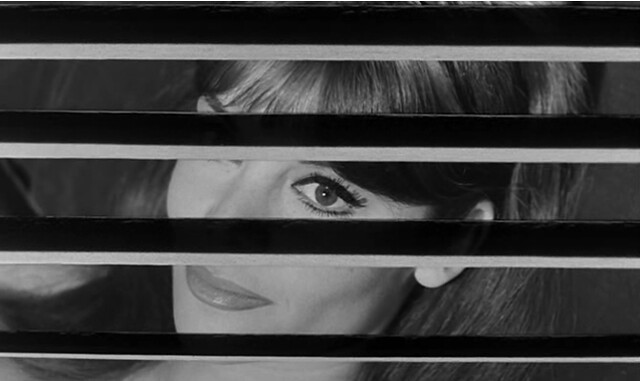
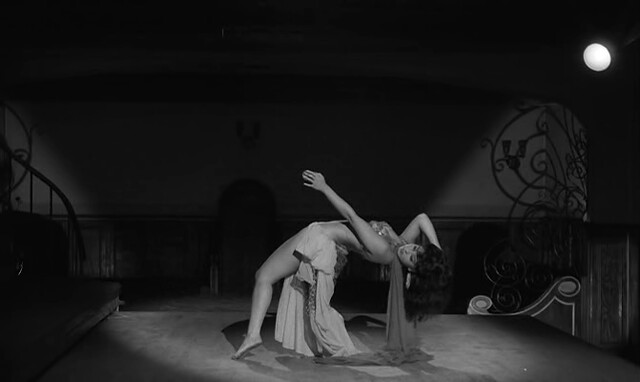
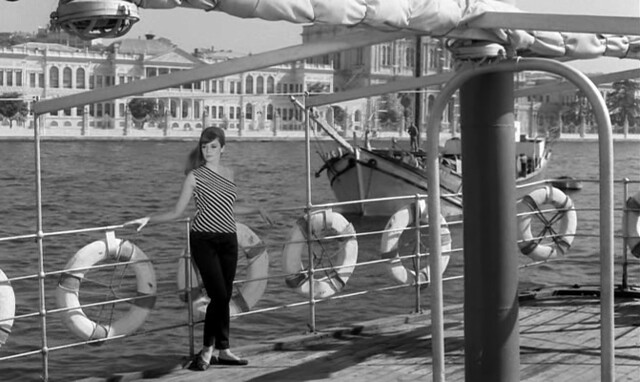
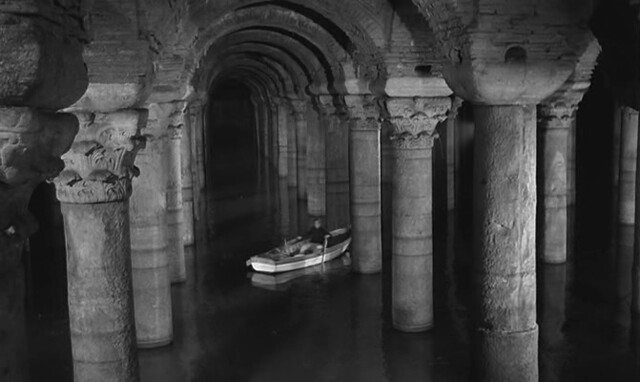
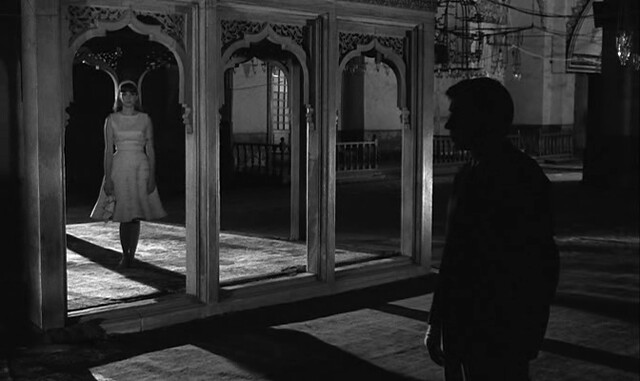
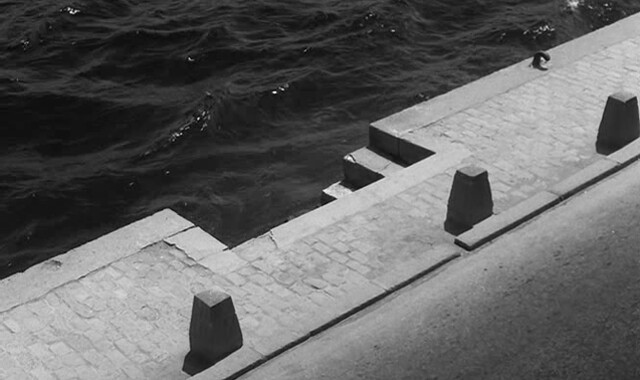
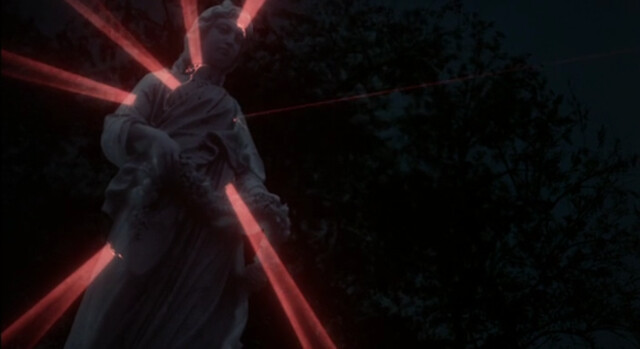
More so than Robbe-Grillet scribed Last Year at Marienbad, L'Immortelle plays with the images and its hidden meanings. In Robbe-Grillet's world, every ordinary gesture, pose, object resonates to its nameless protagonist, and in time, to us. A pair of woman's sandals, a caress of a neck, a view from a window - every shot becomes iconic and powerful.

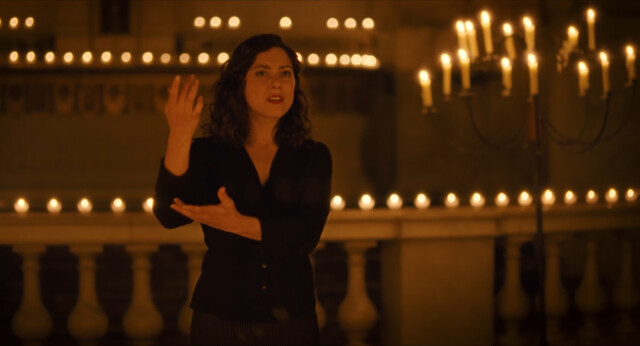
It tells a story of a French teacher in Istanbul, just arrived and don't know the language or custom of the locals. He meets a mysterious, beautiful woman (Françoise Brion), who wouldn't divulge anything about her - address, profession, not even a name. "It's the mosque of your dreams," she says as they pass by the famous New Mosque by the water on a boat, suggesting that what he sees and perceived as reality might be all but an illusion. She interacts with the locals in their native tongue in front of our frenchman. But when asked, she plays innocent, pretending she didn't understand a thing they said, keeping him in the dark. But we as an audience understand the exchanges via subtitle. After some intimate days, she disappears. Left only with the memories of her, he takes a detective role to find her or rather, to find about her. But since he doesn't know the language, the investigation turns futile. Even though she turns up later, he loses her again before he finds out about anything.

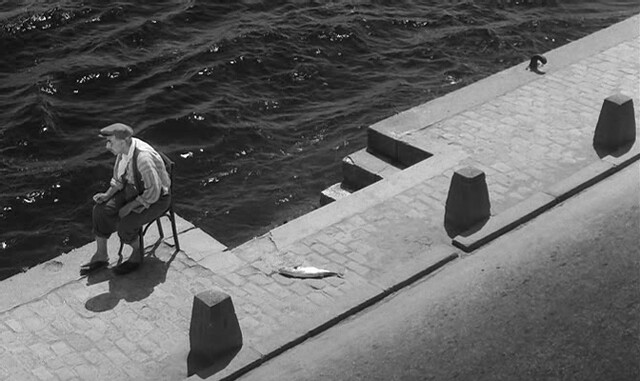
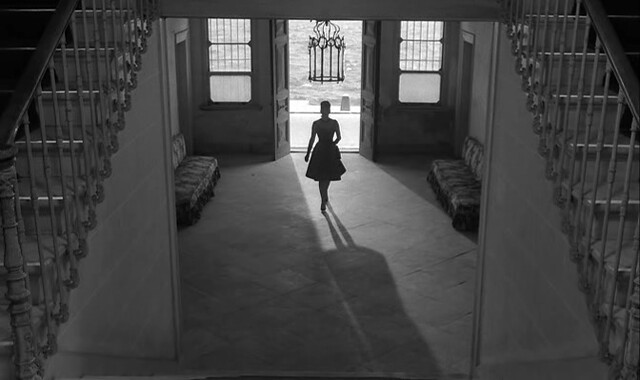
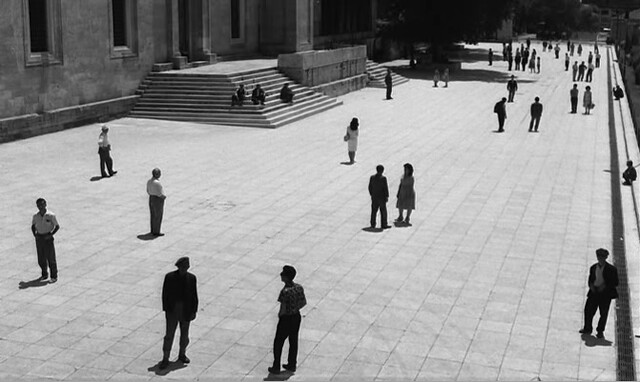
L'Immortelle is an intricate visual puzzle piece that's beautifully put together: repetition of images, still and panning shots and the accumulation of these give meanings in edits. Just like the palace in Marienbad (Schloss Schleissheim), Istanbul and its waterways serve as a magnificent backdrop. Brion, as the mystery personified. is magnetic. The elliptical narrative and the images give the feeling that time doesn't exist in the film. Your own memories are immortal for long as you live, the film tells us.
Saturday, October 21, 2017

Circus is in Town

Something Wicked This Way Comes (1983) - Clayton
Screen Shot 2017-10-21 at 10.59.14 AM
Screen Shot 2017-10-21 at 10.21.36 AM
Screen Shot 2017-10-21 at 10.50.09 AM
Screen Shot 2017-10-21 at 10.46.09 AM
Screen Shot 2017-10-21 at 10.48.51 AM
Screen Shot 2017-10-21 at 10.24.35 AM
Screen Shot 2017-10-21 at 10.26.46 AM
Screen Shot 2017-10-21 at 10.29.08 AM
Screen Shot 2017-10-21 at 10.38.17 AM
Screen Shot 2017-10-21 at 10.39.48 AM
Screen Shot 2017-10-21 at 10.42.17 AM
Screen Shot 2017-10-21 at 10.43.23 AM
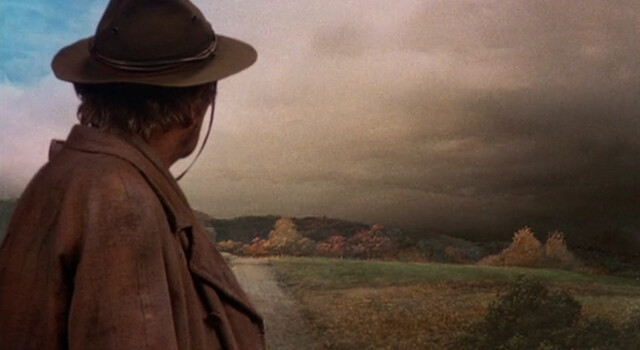
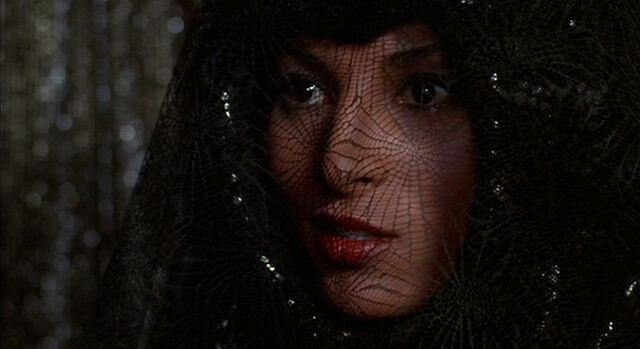
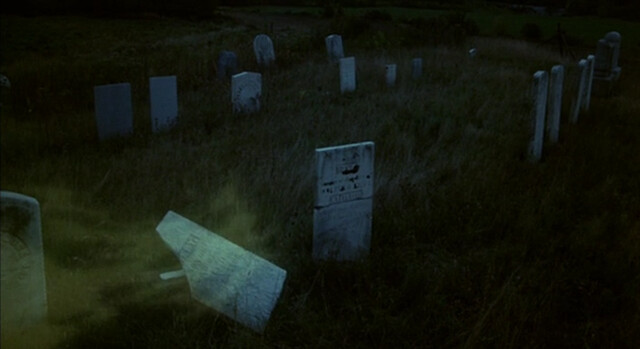
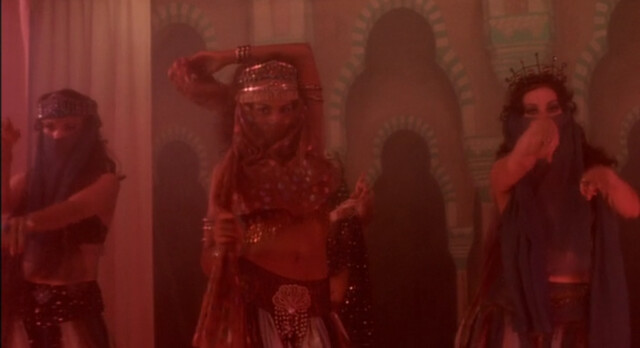
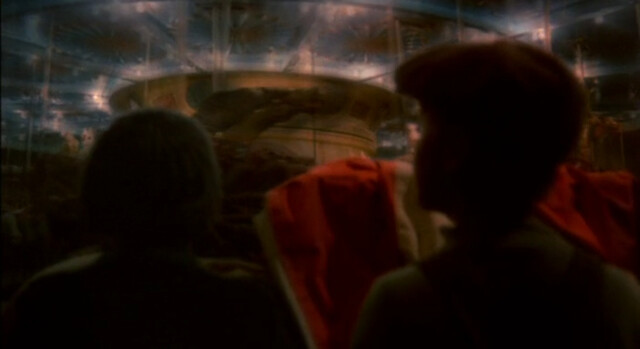
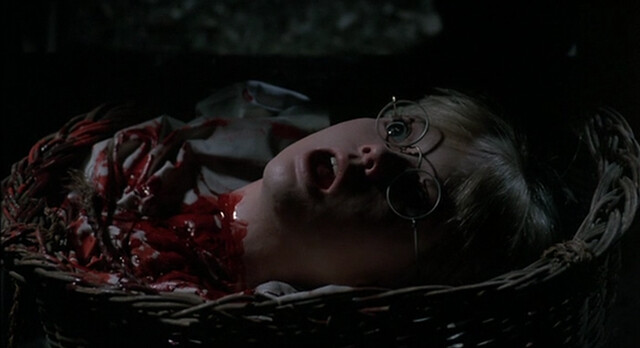
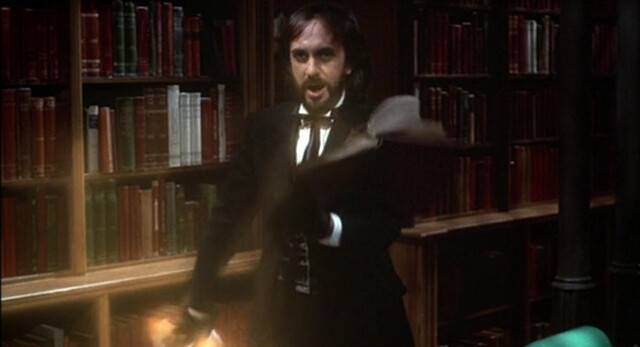
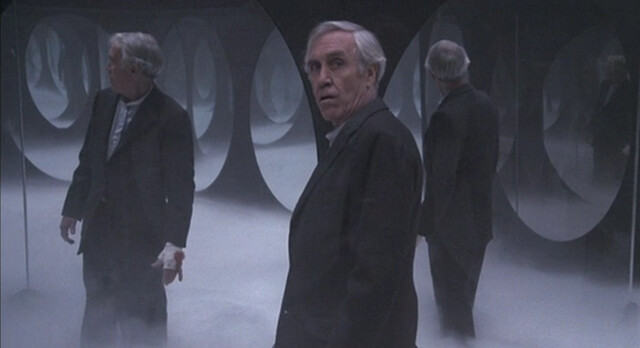
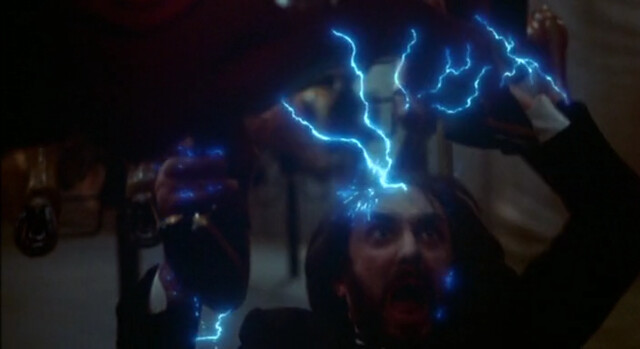
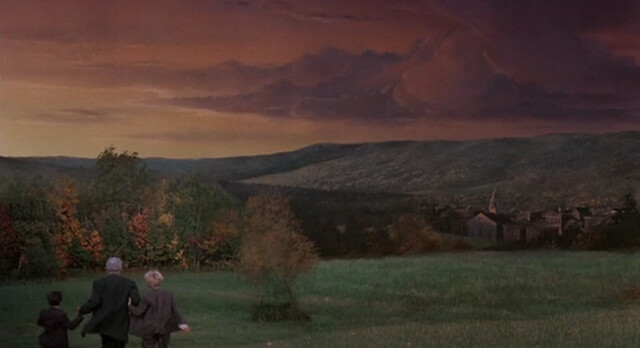
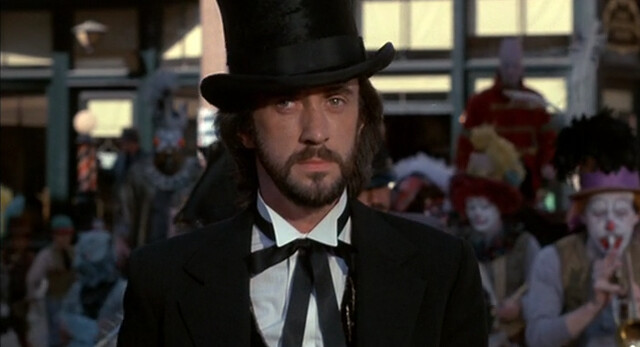
Wow. This Ray Bradbury scripted 80s Disney movie is creepy as fuck. Jack Clayton, known for such classics as The Innocents and The Great Gatsby, puts a visual spell with the help of sophisticated special effects and matte paintings. Something Wicked is about an evil carny, Mr. Dark (Jonathan Pryce in his career best performance) who prey on grown-ups' worst fears and desires and whose plan to take over an idyllic all American small town getting thwarted by a couple of 12 year old rascals. It's eerie and deals with completely inappropriate subject matters for children- a very old dad (Jason Robards) who could be twice as old as his wife, a local barber dreaming of having sex with exotic ladies, a kid finding total strangers visiting his single mom (played by Diane Ladd)'s bedroom, etc. So the kids witness Dark torturing a traveling lightening rods salesman (who else would know when the next storm will arrive?) and become the carny's next targets. The best scene is Mr. Dark (Pryce) tormenting librarian Hallowway (Robards) as he rips pages from a book, counting years of wasted life Halloway's been leading. Later, Halloway confronts his demons and spill out his guts to his 12 yr old boy. The scene is creepy and scary rather than cathartic. Pam Grier plays an exotic dark spider carny, displaying perfectly formed abs and great charm.

Something Wicked This Way Comes is an handsomely crafted children's movie that never gets made anymore. It's really great.

Sunday, October 15, 2017

Clean Slate

Yourself and Yours (2016) - Hong
Screen Shot 2017-10-15 at 9.57.57 AM
Starting over afresh - I'm pretty sure all of us wished that one time or another. With Yourself and Yours, Hong exercises that fantasy in the form of Minjung (Lee Youyoung). She apparently has a drinking problem. Everybody in town knows about it. Couple of days ago, she was seen getting into a drunken fight with a stranger at the bar. And this distresses her possessive boyfriend Yongsoo (Kim Ju-hyuk) because she promised him to limit her drinking by 5 soju shots and 3 beers. Enraged, Yongsoo confronts her one night about it but she'd rather leave him if he doesn't trust her word over everyone else's.

Yourself and Yours turns out to be perhaps the most poignant and romantic film of all the Hong's I've seen so far. Inebriated Minjung flirts with a film director she just met, over beer. When they meet, the director is convinced that he knows her from somewhere but she vehemently denies it. Over a short period of time before the encounter, she leaves Yongsoo and breaks up with an older man who also first thought she was Minjung but she tells him that she is her twin sister.

Just to be in the clear, Yourself and Yours is nothing like Buñuel's or Kieslowski's. Hong's interest is not in identity crisis or duality of men. His double takes and alternate scenarios may seem manipulative (also delicious) but the movie is more to do with accepting a person for who that person is, with blemishes and all that. It's also got to do with men's folly. "Men are either wolves or babies," Minjung tells the director, "they either pounce or cry." Hong's message to all the fellow Korean men is clear: No one can possess another. You have to let go the notion that all women are some ideal naive angels.

Friday, October 13, 2017

Germination

By the Time It Gets Dark (2016) - Suwichakornpong
Screen Shot 2017-10-13 at 11.26.29 PM
Screen Shot 2017-10-13 at 11.28.55 PM
Screen Shot 2017-10-13 at 11.17.17 PM
Screen Shot 2017-10-13 at 11.17.39 PM
Screen Shot 2017-10-13 at 11.31.30 PM
Screen Shot 2017-10-13 at 11.10.34 PM
Screen Shot 2017-10-13 at 11.12.04 PM
Screen Shot 2017-10-13 at 11.15.14 PM
Screen Shot 2017-10-13 at 11.16.23 PM
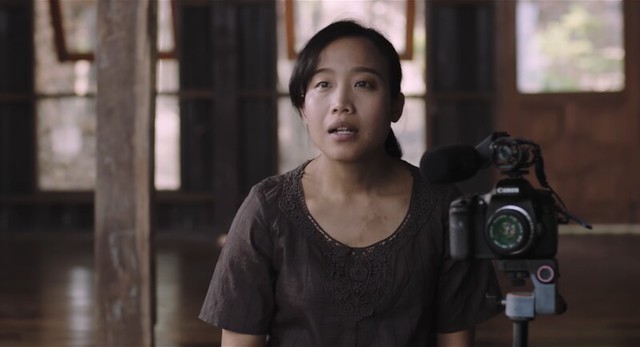
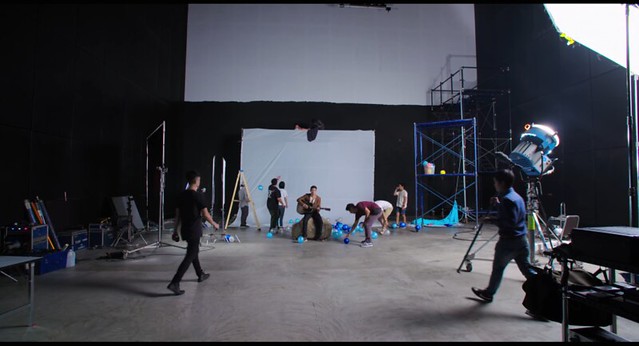
In a disjointed, fragmented, abstract, but best possible way, Anocha Suwichakornpong makes a case for moving images as a germinating force when depicting a historical event with By the Time It Gets Dark. It's also a self-reflexive contemplation on the role of a filmmaker depicting such an event.

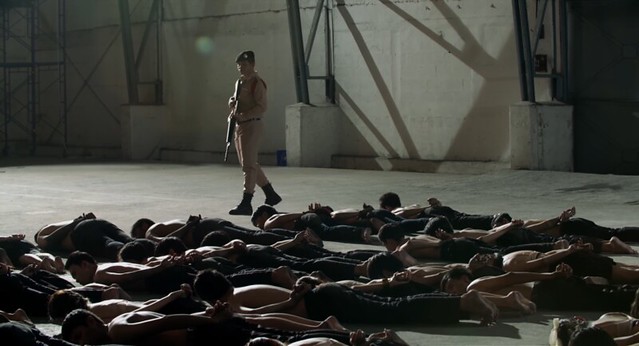
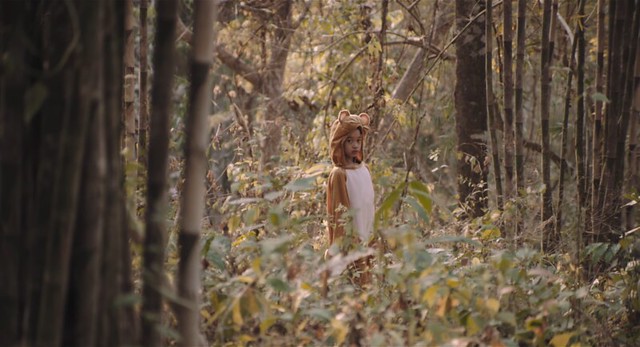
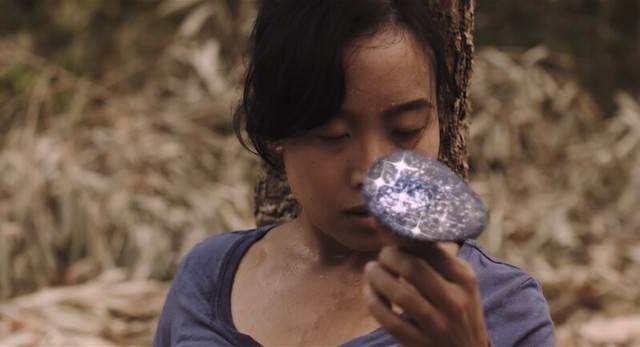
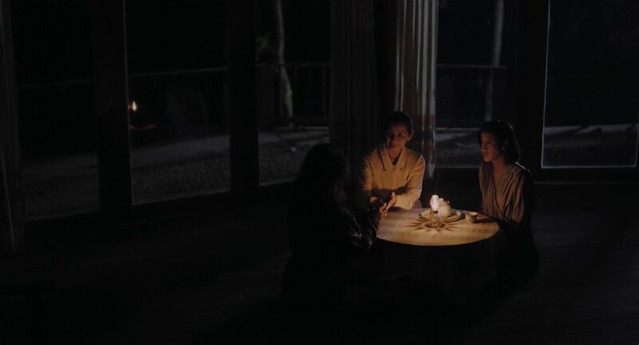
It starts with a reenactment photo shoot of a pro-government paramilitary raid- roomful of shirtless young people lying on the ground in a warehouse with their hands tied behind their backs. A woman on the megaphone directs the soldiers with machine guns, " Be more forceful," "Hit them if you want to, " and so on. Then it's a countryside. In a large, airy, modern stone and wood house, a film director (Visra Vichit-Vadakan) is prepping her film about a former activist/survivor of the 1976 Thammasat University massacre. She brought the older woman whose memoir she's adapting down there, so she can interview her and record it on camera. But she struggles at the mere mention of her intentions- "I guess I want to make it because my life is so mundane..." She soon has a full blown breakdown in the forest and stumbles upon a magic mushroom. Roll the old science class time-lapse images of fungi in the forest.

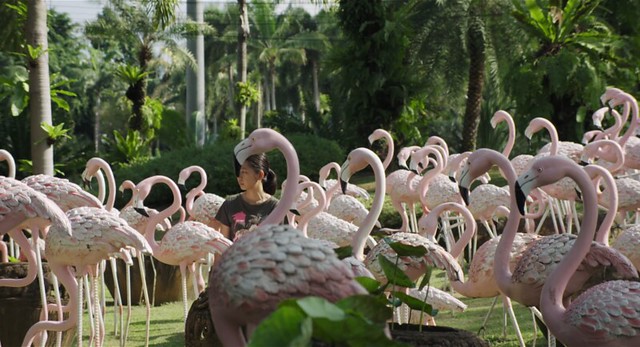
The film takes several detours. One involves a long documentary style segment on tobacco plant harvest where we see from the harvest of the tobacco leaves to the industrial drying process. Then there is a continuing narrative involving a popstar (first seen at the tobacco farm) and his opulent lifestyle and fandom which includes a musical number ('making of' music video) in the middle of the movie. Then there is a young woman character who appears here and there, doing menial jobs - waitress in the cafe near where the filmmaker and her subject were staying, working as a busboy in the city tour boat, toilet cleaner at the airport and so on. But she turns out to be the one who instigates the breakdown of the filmmaker in the first place.

The fateful massacre where many student protesters lost their lives by the right-wing military troops, hangs over the film like a dark cloud. But Suwichakornpong treats everything non-judgmentally. Later in the film, prettier, more mannered actors repeat the scene of the director and her subject again in the same location, highlighting that the futility of adapting historical events on the screen.

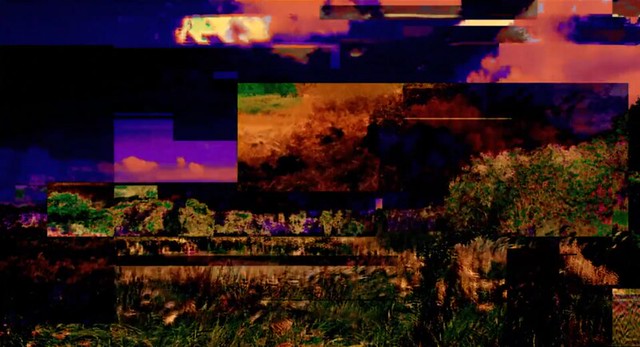
The film might sound too precious on paper - those too self-aware films in love with themselves. But the result of layers of these slightly connected vignettes and visual metaphors are anything but. Images are democratic- whether it's a trashy, seemingly inconsequential pop culture, the serious historical reenactments, Buddhist temple, disco tech and pixelated visual noise have the same value. It's a very Dostoevskian concept- like a tobacco leaves and fungi, to give them meaning and purpose, these layers Suwichakornpong presents will need to sit and rot. I am just amazed by her wisdom and skills to convey this kind of complicated thoughts through film medium. By the Time It Gets Dark is an incredible achievement and one of the very best film I've seen.