Sunday, December 12, 2021

Top 30 Favorite films 2021

The pandemic continues with no end in sight. Had some health issues and some family emergencies to take care of. And I am just grateful that there was cinema and a lot of it. Yes I miss going to the cinema. But even though the experience was just streaming and viewing at home, I had to make do. Viewing a film is a lonely experience anyway; together alone, but always comforting.

2021 was a good year for cinema lovers, partly because of many films that didn't come out last year because of Covid 19, has seen the release this year. Hence directors with two films represented on the list. I was privileged to watch many outstanding films.

I missed some I really wanted to see - Un Gran Movimiento and The Worst Person in the World, just to name a few, but because of sheer numbers of the films that came out this year, I feel more at ease of not catchimg them them until next year. Time is not as relevent as before these days. Que Será Será, whatever will be will be...

*Click on the title for full reviews

1. Memoria - Weerasetakul Memoria The remnants of the violent past have always been present in Weerasethakul's work, as the titular character in Uncle Boonmee talked about killing communists in his days in the army or soldiers waging war in their sleep in Cemetery of Splendour, to just name a few. With Memoria, he is mapping the ripples of violence more explicitly through sound and shows the universality of past trauma. In this way, the film is not all that different than what he always has shown in his films.
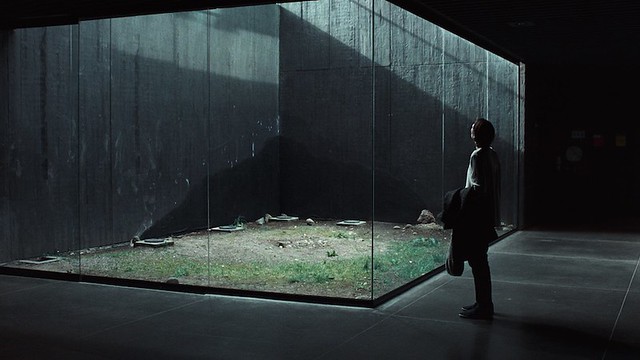

2. Atlantis - Vasyanovych Screen Shot 2021-01-19 at 3.59.17 PM The visual symmetry in wide ratio shot Atlantis is awe-inspiring. The industrial landscapes and machinery, as well as decay of abandoned houses (think of decay porn of Detroit, but doubling here as the war aftermath) have common with Ed Burtynsky's photographic documentations of the late stages of capitalist society - Manufactured Landscapes (2006), Anthroposcene (2018) and other documentaries that focuses on ecological devastation and human footprints on earth. Charting the country's recent history with human elements, Vasyanovych also finds common spirits with Jia Zhangke, the master chronicler of China and its people.

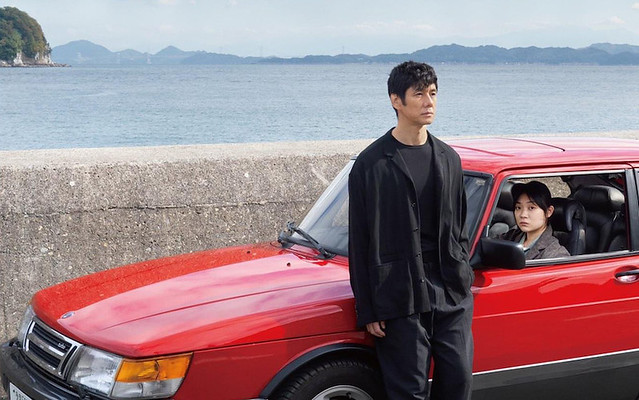
3. Drive My Car - Hamaguchi Drive My Car Hamaguchi Ryusuke's new film, Drive My Car, based on a short story by famed Japanese author Murakami Haruki, from the collections Men Without Women, is a skillfully adapted and directed tale of human connection and redemption. The film more than justifies its three-hour running time, by developing relationship among its characters and audiences in a natural, unhurried pace. I can't think of any contemporary directors who have this much care and patience in creating illuminating characters like Hamaguchi.

4. The Souvenir Part II - Hogg Souvenir pt 2 A long, fantastical sequence of Julie's thesis film hilariously highlights how an artist sees her creations and how she remembers her experiences versus reality of what happened. The Fellini-esque sequence and out of body experience portrayed in Julie's film has nothing in common with how we perceived her relationship with Anthony in somber The Souvenir, at least in its visual presentation. But it strikes the cord on an emotional level- his death and her heart being shattered to millions of pieces remain true. All the people we encounter, those little memorable moments we pick up throughout life shape us who we are. The Souvenir: Part 2 is a celebration of that achievement. It's a marvelously inventive, self-effacing film that is also immensely affecting and moving.
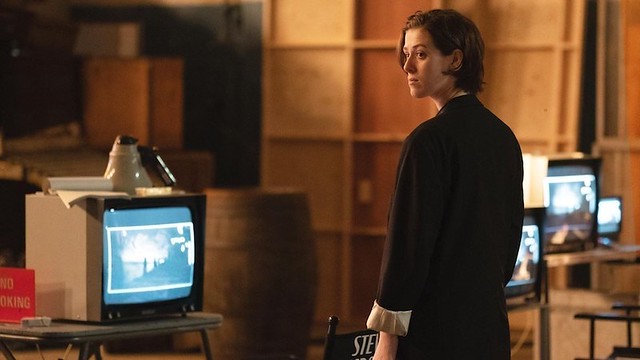
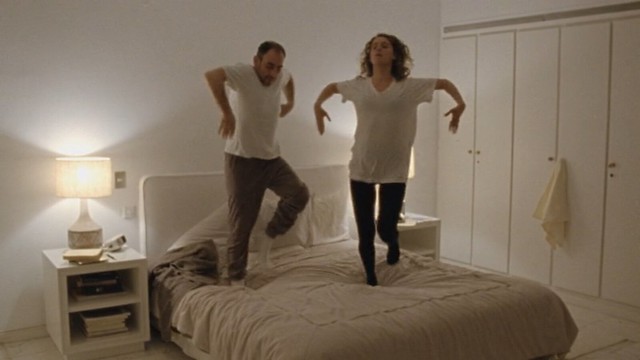
5. Felkészülés meghatározatlan ideig tartó együttlétre - Hovát preparations-to-be-together-for-an-unknown-period-of-time-movie-review-2021 The delicious juxtaposition of being a brilliant neurosurgeon where she can diagnose and eliminate illness of the brain which affects both body & mind and letting the whim of her own heart set the course for the unknown is ahem, what's at the heart of the film.
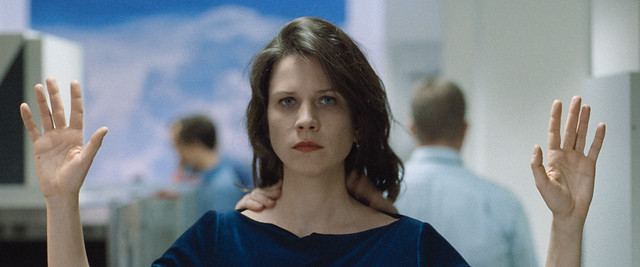
6. Verdens verste menneske - Trier 01-Verdens-Verste-Menneske-©-Oslo-Pictures-900x600-1 Layered and richly textured in presenting and contrasting the object oriented Gen-Xers and the Millennials who grew up plugged into the internet and social network - tangible vs. intangible, nostalgia vs. impending doom, the film speaks volumes on modern life and its seeming purposelessness. When it's all said and done, what remains is our relationship with each other, the love we have for one another. Not my swanky vinyl collection nor books on my bookshelf nor how many times I watched Dog Day Afternoon, nor a clever article I once wrote online.
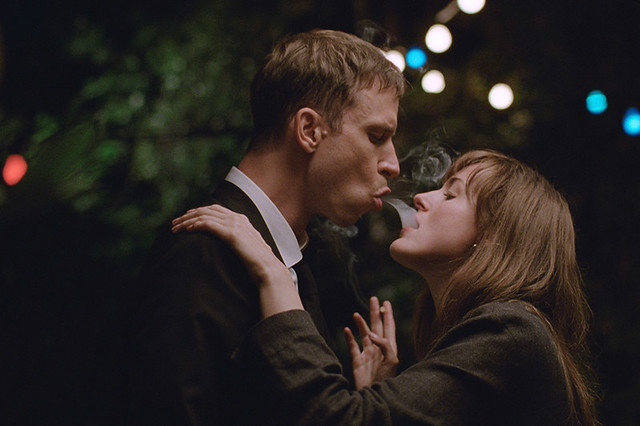
7. Exterminate All the Brutes - Peck Brutes Raoul Peck's 4-hour essay film on the western colonization of the world and preordained (by the conquerors) white supremacy is a vast and pointed lecture of human history you do not want to miss. Using every cinematic tool there is for documentary- reenactment, animation, voice-overs, archival footage, the esteemed filmmaker gives an scathing view of Western civilization and manifest destiny built upon the blood and tears of the rest of the world. Peck injects his family history and what he has witnessed growing up make this lecture distinctly personal (with his own raspy voiceover throughout), therefore universal and it really pays off.

8. Procession - Greene unnamed There's a lot to be said about the hypocrisy of being 'men of god' and those in power in these pedophile priest cases. It was the sense of powerlessness as a young boy many victims felt that led to much undeserved self-blame and shame. By writing their own scenario and directing their own reenactments, Greene recognizes the power shift that can be beneficial and even cathartic for those who are participating. And a lot of catharses and breakthroughs happen before your eyes in Procession.


9. Faya Dayi - Beshir Faya Dayi Could an anthropological study of the effects of khat, a flowering plant that has euphoric property when chewed, in Hararar, the walled city in Ethiopia, also be a stunning art film? Mexican-Ethiopian director Jessica Beshir proves that it can, with Faya Dayi, her mesmeric, immersive patchwork, shot mostly in silvery black & white. In here, every one of its hazy frame is a work of art. The film is visualized version of the phrase of a mystical sage or a lofty philosopher - Life is nothing but a waking dream.

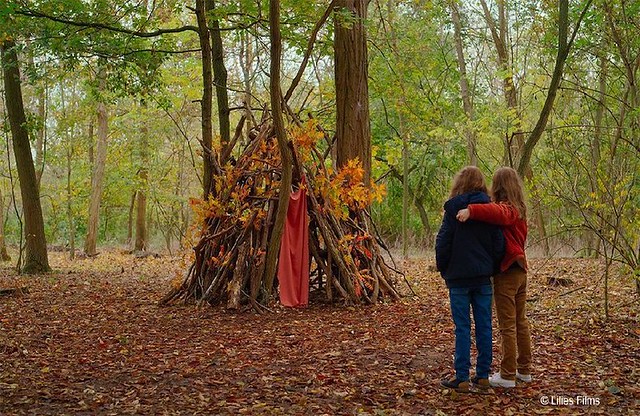
10. Petite Maman - Sciamma Petite Maman You wouldn't have expected Céline Sciamma doing a miniscule scale project like Petite Maman after riding high on the international success of The Portrait of a Lady on Fire. But without big stars or a grand production, she is back to what she does best, directing an intimate story of growing up and getting unbelievable performances out of young actors. Clocking at astonishingly short 72 precise minutes, Petite Maman is a marvel of a movie in its storytelling, execution and acting. Sciamma is proving herself to be, once again, one of the best directors working today.

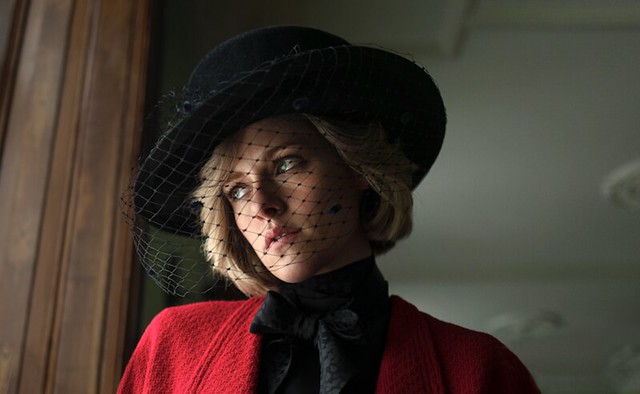
11. Spencer - Larrain spencer Larrain, a good tactician he is, knows how to go about tackling the subject who is so well known and overly exposed. Like in Jackie, it's all about contrasts and in all the small things. A trapped woman, like Jackie O in the room full of dark suited men after the assassination of her husband, her bruised leg, trying on various clothes. Casting has to be right. Portman was perfect for that measured, educated woman from a well to do upbringing. In Spencer, thanks to Stewart, there's a sense of abandon - sweet yet scarred with the hint of rebellion still left in her. Larrain understands exactly what more can be said about in these world famous tragic women. It's their humanity.
12. What Do we See When We Look at the Sky - Koberidze What do we see The film is about training our gaze on ordinary things. There are so much violence and hate in the world, why don't we focus on the beauty and wonder of our daily lives, the omniscient narrator seems to suggest. Gentle, joyous, and beguiling, What Do We See When We Look at the Sky? floats like a calm river over you and makes you forget about the ugliness of the outside world for a short while and embrace the power of cinema in revealing the beauty of everyday life.

13. Wheel of Fortune and Fantasy - Hamaguchi Wheel of Fortune and Fantasy We all have regrets and wish for do-overs sometimes, Hamaguchi exercises these second chances and fantasies in intimate human stories in Wheel of Fortune and Fantasy. It's funny and touching and very well acted. Maybe it's the Covid time thing, but there is a pleasure seeing characters just talking to each other at length in Hamaguchi's delicately written dialog. It's one of those films you want to see it again immediately after finishing it.

14. Ema - Larrain Screen Shot 2021-01-06 at 9.57.58 AM Energetic with fuck-all attitude, Ema is a new breed of filmmaking that signals the arrival of the next generation who are more empowered and care-free, as if saying "whether we like it or not, the future is ours." I tend to agree.
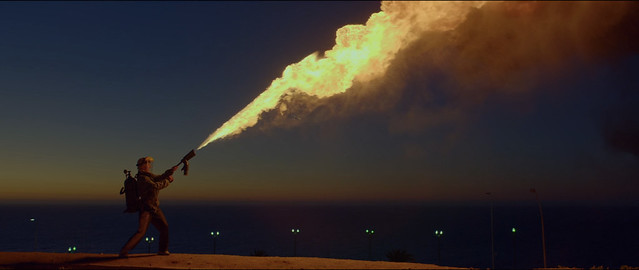
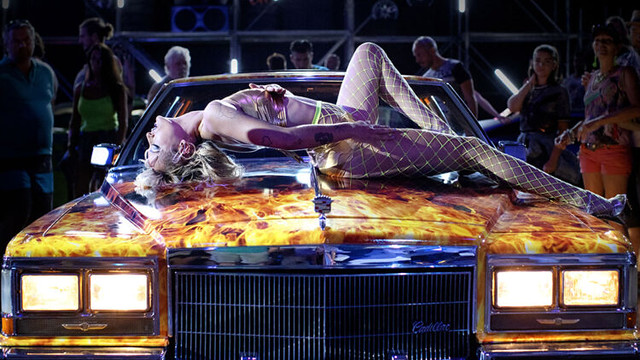
15. Titane - Ducornau Titane-750x422 How do you describe Titane, Julia Ducournau's Palme d'Or winner, a follow up to sensational debut, Raw? A Cronenberged feminist fever dream? A J.G. Ballardian vision of the future? A sexed up version of Electra Complex with Twelfth Night thrown in? Remove all the glitzy exterior and many cringe worthy moments from it, Titane is a sweet father-daughter story. But it is how it is told. And it is told with gusto. Ducournau has an agenda to fulfill, to bring down the patriachy to its knee in the most shocking way while rubbing male gazing sexism in its face. And it is glorious.

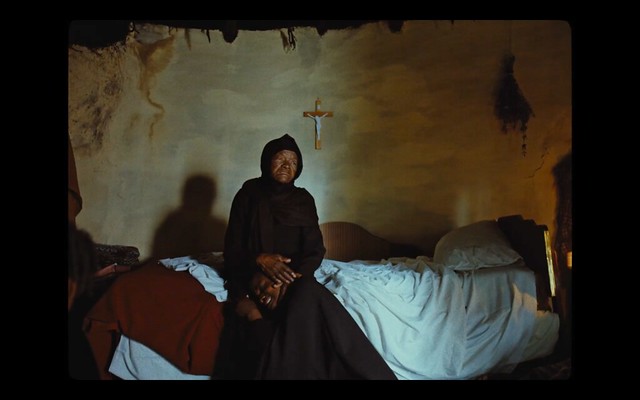
16. This is Not a Burial, It's a Resurrection - Mosese Screen Shot 2021-03-17 at 9.40.42 AM It's Marytwala Mhlongo's weathered old face that speaks thousand words here. Her dignified stand in her forever black mourning dress stands out like a sore thumb in the frame mostly populated by giant Lesotho sky. Nature, however beautiful, doesn't let you forget that human are insignificant in Mosese's expressive framing. There are so many memorable scenes but Mantoa dancing in her best dress dancing with the dead - shot in close handheld camera, and women in black choir singing at Mantoa’s son’s funeral, stand out for me.
17. The Tsugua Diaries - Fazendeiro, Gomes tsugua diaries Wryly reflecting the nature of 'expect the unexpected' in both life and filmmaking, Fazendeiro and Gomes create a delightful little summer movie that is cinematically inventive while reflecting the state of the worldwide pandemic and its effect on filmmaking. The Tsugua Diaries is a perfect antidote of a movie in our trying times.

18. Short Vacation - Kwon, Seo Screen Shot 2021-12-03 at 5.47.15 PM How do you capture the end of the world on a photograph - is the question that hangs over the heads of four middle school freshman girls in Short Vacation.They can't phathom the idea of the end of the world or how to capture it. Siyeon has an idea- Shinchang is a place at the end of the 1 train line. They should go there and take pictures. In their little minds, it's the end of the line, the semi-official boundary of the world they know. Beyond that is unknown. This sets out the road movie, Short Vacation: a movie full of wonders and possibilities. It's a rare glimps of what it's like to be 14 years old, feeling for the first time that the world is large and vast.

19. Flee - Rasmussen FLEE_still_2_Amin_carpet_copyright_FinalCutforReal There are many touching moments, but I teared up when young Amin asks the attending doctor in Copenhagen if he could get a medicine to cure his attraction to men. Coming out as gay to his supposedly conservative Afghan family later on is another tender, heartbreaking scene that really struck me.


20. Candyman - DaCosta Candyman Nia DaCosta's Candyman pays a great deal of tribute to Bernard Rose's 1992 cult classic and builds upon it for the BLM era with much more agency. She and co-writer/producer Jordan Peele acknowledge the progresses the African Americans have made in the US over decades but also remind us that we still live in a white society and it is important not to forget the past.
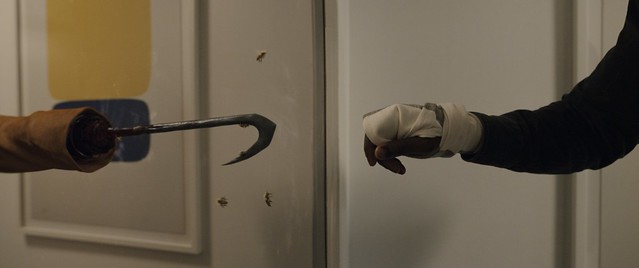
21. Bergman Island - Hansen-Løve Bergman Island We all process our surroundings differently and express ourselves in unique ways. Contrasting oneself to others might be one way. Perhaps Bergman Island is Hansen-Løve's most personal film to date, showing her incongruities and subtle ways towards filmmaking.

22. All Light, Everywhere - Anthony All Light, Everywhere The future technology that the film presents is here already - face recognition, the prevalent of police bodycam and CCTV is part of our modern life. The question is how much we could live with it in a so-called democratic society. And who is most affected by this invasion of privacy? Always mindful about racist American history, Anthony connects the dots to expose the uneasy relationship among technology, commerce, race and power dynamics of the eyes of the beholder. And it's a fascinating one.

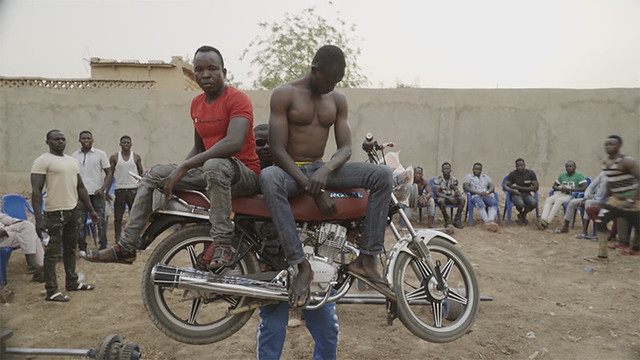
23. Zinder - Macky Zinder Director Aicha Macky is from there. And she gets an unprecedented access to the inhabitants of Kara Kara, the city's most dangerous slum. She interviews former members of palais, the youth gangs, and examine how poverty and unemployment perpetuate the unending macho culture.
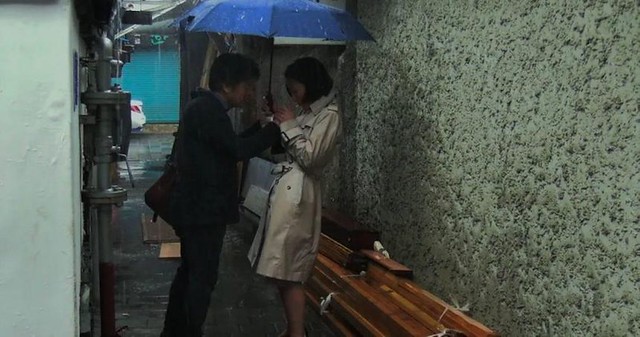
24. In Front of Your Face - Hong In Front of Your Face In Front of Your Face may lack Hong's narrative and structural inventiveness but it has a nasty hook that gets you at the end, defying the conventional romance narrative. It's wickedly funny too. Lee Hye-young, who started her career in Lee Jang-ho's salacious Korean classic Between the Knees (1984) and starred in countless TV dramas, is a revelation here. Her graceful features and beauty dominate the screen in a bittersweet performance. Her hysterical laugh at the end listening to a voicemail over and over, is the funniest/saddest film moment of the year. I really adored this film.
25. France - Dumont p Underneath all the glitzy and bougie shenanigans of a celeb news personality, Dumont finds the post-irony era belief system we deserve in France de Muers, the flawed infotainment queen, as our new god. And a nation, still holding on to the colonial mindset of military presence in the world’s hotspots, embodied by a pretty woman in nice clothes, in whom the French public still put their trust, whether the motto of the revolution -- liberty, equality and fraternity -- still rings true in an ever changing world we live in or not.

26. Fauna - Pereda Fauna Pereda shifts the narrative to concentrate on narrative within the narrative, enacting a pulpy book Gabino was reading. Pereda toys with the stereotypical roles in these scenarios from countless narco shows that dominate and perpetuate Mexican roles, mixing with reality in rural towns where local mine owners perpetuate violence on its citizens on a regular bases. There's telling scene where anxious Luisa wakes up her mom (Pereda regular Teresa Sánchez) to recite the lines with her for an audition, highlighting the difference between acting and lived in experience. Clocking in short 71 minutes, Fauna is another delicious experiment on identity and performance from Pereda.

27. Neptune Frost - Uzeyman, Williams Neptune Frost Originally conceived as a graphic novel and a stage play, Neptune Frost has its faults: Its ethereal dialog and not well-defined narrative structure might throw people off the track. The film might lack the political urgency of Afrofuturist classics like Born in Flames, or Space is the Place but it's a grand experiment that requires attention and participation. Think of it as a spiritual, joyful lo-fi cousin of Matrix and Bacurau. The message might be the same here, but with more music and dancing. And it still manages looking like a badass cyberpunk film. Neptune Frost is a future cult classic in the making.

28. The Village Detective - Morrison THE VILLAGE DETECTIVE still The Village Detective: A Song Cycle submerges itself into an intriguing film history and does its own diligent history detective work. Morrison, along with producer/film scholar Maria Vinogradova, set out their own investigation, giving context to the movie reels found at the bottom of the sea. Like good detectives, they peel away layers of mud and dirt and debris the time has accumulated and connect the dots- the images on the film, its actors, the political climate, film archiving practices (or lack there of), while highlighting the beauty of the physicality of film print as an art object.

29. The Inheritance - Asili Inheritance in Asili's hands, The Inheritance doesn't feel like a dogmatic film. There are many funny moments as the residents of the 'house of Ubuntu' have to deal with any communal living, following such strict rules as 'no shoes inside the house', 'don't eat someone else's food in the fridge without asking' and so on. Rather, this airy fusion of filmed experiment gives opportunity to its unsuspecting viewers the window to unseen/under seen, unheard/under heard pieces of American history that give them the proper context to understanding the current political climate - the continuing police brutality against black community, the BLM movement and the white supremacists storming of the Capitol building.

30. Quo Vadis, Ida? - Zbanic Quo Vadis Considering estimated 100,000 people killed, and 1.3 million displaced in The Bosnian War, I have to say right off the bat that the outcome in Quo vadis, Aida? is not a positive one. But it says a lot about how horrific the war actually was. It is a searing indictment of war and the West's naiveté and hubris as to believe in their moral superiority but complete impotence when it comes to decision-making and action. The kicker of the film is that this life and death situation it depicts has actually taken place merely 26 years ago.


First Cow, The Disciple, Days, Undine, The Two Sights, Beginning and American Sector made my favorite list of 2020.

Saturday, December 11, 2021

Top 10 Discoveries 2021

2nd year of the Covid 19 Pandemic. Still no end in sight. Wow. But I watched some good films....

The best director discovery this year for me was Carlos Saura and his collaborations with his partner Geraldine Chaplin and I'd like to watch more of their collabs in the near future. I'd like to see more Rohmer as well.

Found classics like Billy Wilder's Apartment and Ozu's An Autumn Afternoon way too old fashioned and botherline offensive, but 80s and 90s offerings like Breaking Glass, Moving, Deep Cover and Chameleon Street very satisfying and intriguing. Should revisit 80s and 90s cinema more often.

So here are 10 Discoveries in alphabetical order.

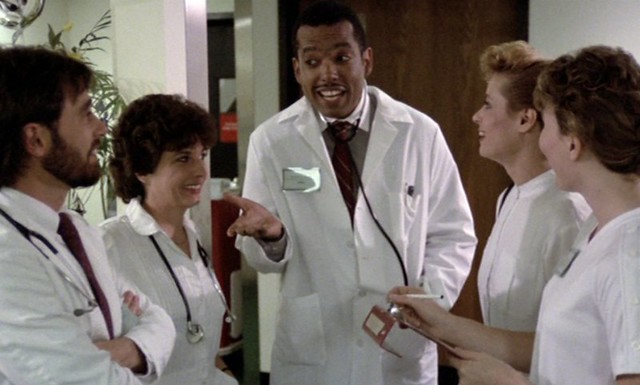
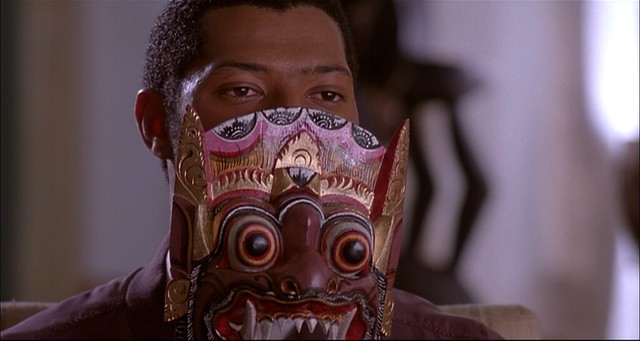
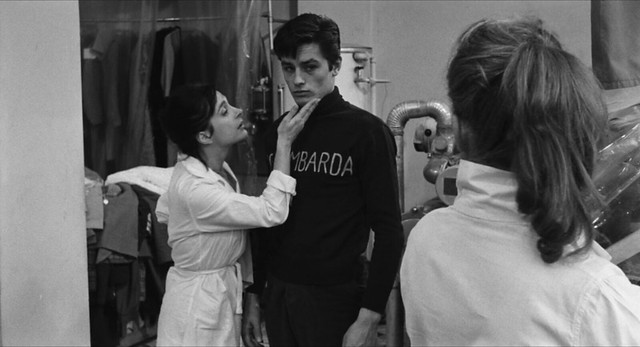
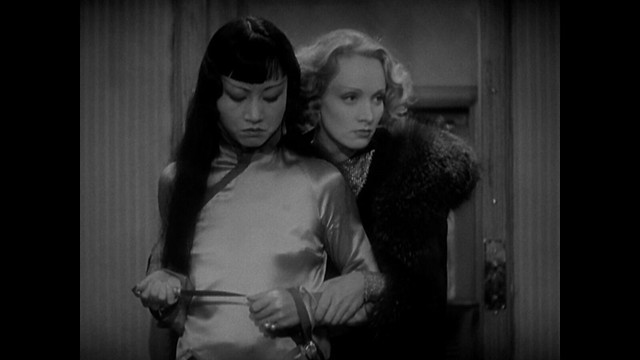
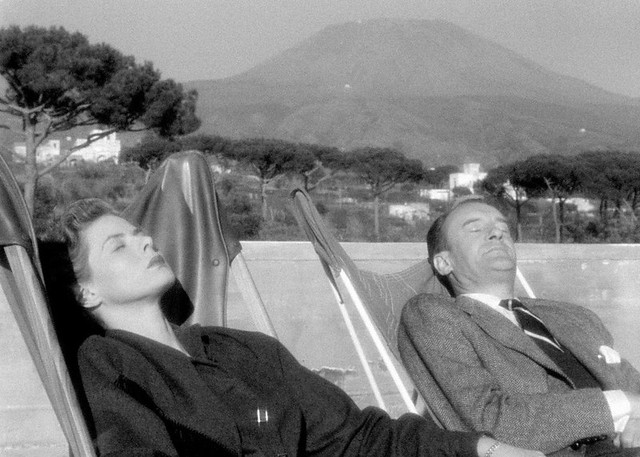
Attenberg (2010) - Tsangari Screen Shot 2021-12-09 at 10.27.17 AM Breaking Glass (1980) - Gibson Screen Shot 2021-03-16 at 9.03.42 AMChameleon Street (1989) - Harris Jr. Chameleon Street La Collectionneuse (1967) - Rohmer Screen Shot 2021-06-04 at 7.56.34 AM Deep Cover (1992) - Duke Screen Shot 2021-02-10 at 11.12.09 AM Moving (1993) - Sômai Screen Shot 2021-02-01 at 8.12.21 AM Peppermint Frappé (1967) - Saura Screen Shot 2021-01-09 at 11.24.31 AM Rocco e i suoi fratelli/Rocco and His Brothers (1960) - Visconti Screen Shot 2021-05-01 at 11.08.56 PM Shanghai Express (1932) - Sternberg Screen Shot 2021-01-01 at 9.39.19 PM Viaggio in Italia (1955) - Rossellini Journey to Italy

Thursday, December 9, 2021

From Sheep to Bulldozers

Attenberg (2010) - Tsangari Screen Shot 2021-12-09 at 10.16.54 AM Screen Shot 2021-12-09 at 10.18.43 AM Screen Shot 2021-12-09 at 10.23.19 AM Screen Shot 2021-12-09 at 10.27.17 AM "From Sheep to Bulldozers," Spyros (Vangelis Mourikis), a terminally ill architect dad tells his daughter Marina (Ariane Labed) while looking outside the window overlooking the small seaside industrial Greek town where they live, as he laments about 20th century. He is worried that he will be gone with nothing to show for Marina's generation. Him being atheist, he wants to be cremated because he doesn't want to be food for worms. But Greece being strictly a Christian country, his body will be flown to Hamburg to be cremated then sent back over to Marina, when the time comes. Marina on the other hand, needs to figure out other things in life too, other than dealing with her father's illness. First, even though she is a young woman, she hasn't discovered being intimate with someone. Only person in town who can teach her how is her sexually active best friend Bella (Evangelia Randau), who works as a barmaid at a hotel.

Attenberg, along with Yorgos Lanthimos' Dogtooth, became the faces of the new Greek cinema in the late 2000s. And there are a lot of similarities between the two - generational divide, patriarchy, Lanthimos (who plays Marina's first lover), being metaphors for a country thrown into a new, globalized world in which she is not quite ready or comfortable. But Tsangari has a gentler touch and is much less cynical. Attenberg features one of the sweetest depiction of father-daughter relationship than any other films I can think of.

Sir David Attenborough, whose nature documentary program is what Marina grew up on, is her only constant companion. It's Attenborough's communing with the nature and animals, his compassion that is a contrast to Marina's banal surroundings - a mining factory with no prospects for young people.

Communication in Attenberg is not really done through dialog. With Marina and Bella, it's done through series of choreographed dance/movements/freakouts. With Spyro and Marina, it's constant word play where they top each others last words with a similar sounding word, when they are not frankly talking about the possibility of incest or body decomposition. Tender but still weird, it's a great entry point to the Greek New Wave.

Wednesday, December 8, 2021

France Finds Faith in a Celeb TV News Personality

France (2021) - Dumont p Bruno Dumont has tried everything, from a sobering police procedural (Humanité) to a symbolic take down of the US hegemony and violence (Twentynine Palms) to an unflinching biography (Camille Claudel 1917) to a slapstick comedy TV series (P'tit Quin-Quin) to heavy-metal period musical(s) (Joan of Arc Series), all the while working with non-actors and big time movie stars alike. His diverse filmography has drawn comparisons to works of such auteurs as Bresson and Dreyer, both in method, form and spirituality. 


With French superstar Léa Seydoux in a title role in France, he surprises us once again, with an astute take on the role of the media in our complicated world where trust and belief are hard to come by. 


Seydoux fits right in as glamorous France de Meurs (rather unsubtle wordplay and metaphor), a big haired, famed TV personality in designer clothes and posh apartment. She practices combat journalism where she throws herself into the world's hotspots and edits news segments in such a way to be seen as a brave, noble and caring journalist.

Her tit-a-tat with politicians -- including cleverly edited actual TV conference footage of French President Emmanuel Macron, and a Crossfire-style news segment she hosts with political pundits -- bring her fame and fortune. She indeed is the defacto face of French TV infotainment.


But a fender-bender with a delivery man on a bike puts France into a mid-life crisis where she questions every choice she has made in her career, including her loveless marriage to a semi-famed writer Fred (Benjamin Biolay), and parenthood. Meeting with the man's parents, who are disabled and unemployed, takes her out of the affluence bubble a bit as well.

Is she playing the part of a saint on camera or is she trying to get some instant points on her karma? Dumont, with many of the film's slow zooms into the close-up of Seydoux's alabaster face and painted lips, in which she looks straight at the camera, never makes it clear.

One thing for sure is that she is unhappy. France declares her retirement from her TV career in her show while tears stream down her face.


To avoid public scrutiny, and trying to figure out her next step, France flees to the German Alps, into a very exclusive mountain retreat health clinic where the rich and famous go to rest and rejuvenate. She meets a charming and unassuming young man, Charles (Emanuele Arioli), there and they have an affair, only to find out he is a journalist implanted to write about France in a magazine.


TV and being famous are the only things she knows how to do, so she gets back to the TV world, only to stumble when her carefully organized boat ride with immigrants fleeing their 'oppressive regime' segment goes on live with an off-screen conversation between her and her wisecracking producer Lou (Blanche Gardin), in which they disparage immigrants, without knowing their mics were still on.


France is not quite a media culture, first-world liberal satire. Sure, there are few laughs here and there, including a slo-mo car crash that are too stupendous to be taken literally, but that’s not where Dumont’s interests lie. And the film's second half veers more into a melodrama of the classic Holywood style 'women's movie' territory where a female protagonist have to choose between her career and love, calling to mind Broadcast News.


Based on his track record, Dumont is always searching for a spiritual side of things in unlikely places, across time and the class divide. In France he seems to be likening the news celeb culture to a new religion, with France's garishly decorated apartment, including stained glass wall featuring some mundane pop art pastoral, as our new altar. 


France herself -- a blonde, blue-eyed white beauty in designer clothes -- is perfect for being our flawed, needy god, in our wired, neo-liberal capitalist society. Her simultaneously fake and sincere demeanor both in public and private, her desire to love and be loved, her ability to cry on cue are all the attributes the new news anchorwoman needs: France is 'fair and balanced,' 'the most trusted name in the news,' and so forth.

Underneath all the glitzy and bougie shenanigans of a celeb news personality, Dumont finds the post-irony era belief system we deserve in France de Muers, the flawed infotainment queen, as our new god. And a nation, still holding on to the colonial mindset of military presence in the world’s hotspots, embodied by a pretty woman in nice clothes, in whom the French public still put their trust, whether the motto of the revolution -- liberty, equality and fraternity -- still rings true in an ever changing world we live in or not.

France opens in theaters in New York on Friday, December 10, followed by a national roll out, via Kino Lorber.

Monday, December 6, 2021

Eyes of the Beholder

All Light, Everywhere (2021) - Anthony All Light, Everywhere Baltimore based filmmaker Theo Anthony (Rat Film), comes out with All Light, Everywhere: another philosophical musing/exposé, mapping and connecting dots exercise, pointing out discrepancies in the underserved community (Urban black) overburdened with profit based surveillance system - police bodycam and satellite surveillance. Just like Rat Film, All Light feels like a watching a well-drawn out Film Studies Thesis on screen and I mean that as a compliment.

It's interesting to see the executives, spokesperson and enforcers of various organizations are all white male. The workers and the community the military's eugenics based technologies are being tested on are people of color. There is a heated debate in a community meeting that Anthony films, between the guy trying to sell satellite technology to deter the crime and some community members objecting to invasion of privacy- making a point that security cameras don't deter crimes unless you fix the racist system.

The future technology that the film presents is here already - face recognition, the prevalent of police bodycam and CCTV is part of our modern life. The question is how much we could live with it in a so-called democratic society. And who is most affected by this invasion of privacy?

Always mindful about racist American history, Anthony connects the dots to expose the uneasy relationship among technology, commerce, race and power dynamics of the eyes of the beholder. And it's a fascinating one.

Wednesday, December 1, 2021

Animation as a Buffer

Flee (2021) - Rasmussen FLEE_still_2_Amin_carpet_copyright_FinalCutforReal Jonas Poher Rasmussen's animated documentary, Flee, chronicles harrowing journey of Amin Nawabi (pseudonym used for protection and privacy), an Afghan war refugee to the West, as he recalls his traumatic childhood experiences.


Rasmussen, a Danish radio-documentarian, teaming up with Copenhagen based animation studio, Sun Creature Studios, concocts layered, delicate, personal story that is as haunting and powerful as any live action narratives and documentaries about war and refugee crisis in the last couple of years - Fire at Sea, Human Flow, The Load, Quo Vadis, Ida and Limbo.


Flee owes a lot to Ari Folman's groundbreaking auto-biographical animated documentary, Waltz with Bashir, about Sabra and Shatila Massacre and Marjane Satrapi's Persepolis, from the perspective of her Iranian upbringing. Like with Bashir and Persepolis, Flee uses animation to elucidate one's memory. But if the former are culled from directors' own life experiences, subjects who were willing to express themselves as artists in a specific medium, the latter is using the medium to give a distance from its introverted subject: Rasmussen thought in telling a story of his shy, refugee friend since middle school, using animation was a good way to provide him a buffer and anonymity. With muted colors, simply but functionally rendered style only the Scandinavians can offer (overseen by animation director Kenneth Ladekjær, characters storyboarded by Simon Rouby then animated by Gilles Cuelier), balances out perfectly with a very heavy subject. Flee draws on highly subjective and personal memories of war, using both figurative and more abstract style to depict them.


Flee is about a young Afghan boy, Amin, who liked to run around in his sister's dress, embroiled in Afghan conflict in the late 80s - Taliban's take-over the country as Soviet troops retreated. Amin's father who was an intellectual and deemed a threat to Taliban, one day got arrested and disappeared, and his aging mother and siblings had to flee the country and to go to the West.


Some of Amin's traumatic memories and secrets were never revealed to anyone before - especially about his family and him being gay. It all comes out in the interviews his friend Rasmussen conducts, a casual interviewing method where subjects are lying down, like in a therapy session. So the preliminary interviews with Amin stayed intact in the film, with the subject's real voice. Flee moves freely in and out of those interviews making temporal leaps as Amin recalls his painful memories and at times, memories that are hard to articulate in words.

Amin's mother and his siblings took a plane out of Kabul on the eve of Taliban takeover and landed in Moscow, the only destination that accepted their tourist visa. This is the time where Soviet Union dissolved and was in complete chaos. Corrupt cops were shaking anyone for money and abusing its frightened citizens.


Amin's oldest brother, then living in Sweden, arranged an apartment for them to stay and sent money for them to get the smugglers to cross the border to the West. The smugglers turn out to be the worst people in the world, as bad as corrupt Russian cops. Their words took roots in Amin's brain forever: "When you get to your destination, tell them you don't have a family that they are all dead." This was the only sure way to get a refugee status. And this is what Amin would later tell anyone, even to his closest friends.


Two sisters went first, trapped in shipping containers for months with sixty other people off the coast of Sweden in the Baltic Sea. The experience was so traumatizing, they can't even speak about it to this day. Marooned in Russia with threats from cops to deport them back to Afghanistan, Amin, his older brother and his mom takes off again, leaving their fate in the hands of vicious, inhumane smugglers. After crossing the snowy border and a boat ride, witnessing human miseries everywhere, they get captured by the Estonian coastguards and end in a refugee camp where nothing works. Time stand still, after many months, they are given two choices - either rot in Estonian refugee camp forever or back to Moscow.


Flee is accompanied by some 80s and early 90s news reel footage of post-USSR world, of the horrendous human suffering in captured refugee boats, refugee camps and it reminds us once again, how the West and its media devoted too little time and attention to the humanitarian crises at hand, same as today.


Marooned what seems to be forever in Moscow, it lends some time for some tender moments as Amin discovers his sexuality, however repressed his was, accompanied by the opening of the first ever McDonald's in Moscow and its creepy celebration with the real news footage.


After many years in Moscow, they decide that it will be Amin who should be first to go: this time, with the more expensive smugglers route. Leaving behind his mother and older brother, Amin is instructed by the smuggler that he has to rip off his fake Russian passport as soon as he gets to the West and declare his family dead. He finally gets to Copenhagen- a wrong destination, but the Western city in a Western country nonetheless. 


There are many touching moments, but I teared up when young Amin asks the attending doctor in Copenhagen if he could get a medicine to cure his attraction to men. Coming out as gay to his supposedly conservative Afghan family later on is another tender, heartbreaking scene that really struck me.


Flee is an intimate, compelling account of a refugee story and a beautiful coming of age story told in a friendly, easier to digest way, via animation. But it's an important reminder that there are thousands of stories like Amin's and refugee crisis hasn't really ever stopped, if not vastly intensified with the whole world in sociopolitical crises for the past decades.

Wednesday, November 17, 2021

Outdated Sacrilege

Benedetta (2021) - Verhoeven Screen Shot 2021-11-17 at 2.01.19 PM There were Catholics demonstrating outside Film at Lincoln Center during the screenings of Benedetta, calling it a sacrilege. They really should focus more on pedophile priests. Please Catholics, picket at the churches and the residence of pedophile priests and bishops and grow some thick skin. You are way too sensitive, because Verhoeven's new nunsploitation is not half as outrageous or sacrilegious as you claim it to be. However, Benedetta shows the church's hypocrisy as it existed in the Middle Ages and begs the question - who is to say that there is only one way to serve god?

Benedetta, a daughter of a wealthy merchant, enters the convent in the town of Pescia in Tuscany. The convent is like an expensive private school for rich girls back then, paying top dowry to be married to a church/Jesus. As a child, Benedetta has a very active imagination and thinks Jesus speaks to her.

Eighteen years has passed and Benedetta is fully grown woman, played by Virginie Efira, the Abbess Felicia (Charlotte Rampling) and her daughter Christina (Louise Chevillotte), a nun in the same convent, see Benedetta as a growing threat to their grip on power. After a commoner Bartolomea (Daphne Patakia) was spared and welcomed into the convent at the mercy of Benedetta and her rich parents, the two women develop a sexual relationship. This is the time when Benedetta shows the signs of stigmata and having vivid visions of hot, sword wielding Jesus protecting her. The local high priest declares Benedetta the new abbess after Benedetta shows the signs of stigmata and speaking of prophesies in a different voice, despite Felicia and Christina's doubts. Now Benedetta and Bartolomea can freely enjoy their sexual escapades with a hand carved dildo, made out of the Virgin Mary statuette. But what about the peephole you say? Oh, did I mention this is the time of the plague?

Benedetta is neither as scandalous nor provocative as one might think. Whether she faked her Stigmata or her resurrection, who is to judge her devotion to god? Escaping punishment for her sacrilege - burning at the stake, Benedetta goes back to her convent and stays there until her death, the prologue tells us.

As a film, Benedetta is not subliminal enough to be taken seriously, nor scintillating or flirty enough even for Verehoven standards. Sure there are plenty of nudity but the subject seems tame and dated for 21st century standards. Verhoeven is more often than not, only a few directors who can have the cake and eat it too. But he is no Ken Russell.

Wednesday, November 10, 2021

Boys Don't Cry

Procession (2021) - Greene 

unnamed

Robert Greene, no stranger to the participatory, process oriented cinematic experiments (Actress, Kate Plays Christine, Bisbee 17'), presents a powerful documentary about a highly controversial subject - a rampant child sexual abuse by catholic priests. Procession, the filmmaker's collaboration with the abuse victims and a drama therapist, is perhaps the most powerful and impactful documentary I've ever seen since Act of Killing.


Greene, who moved to Missouri in 2015, to become Filmmaker-in-Chief for the Murray Center for Documentary Journalism at the University of Missouri, saw a news clip in 2018: a news conference of an attorney Rebecca Randle, who's been overseeing hundreds of abuse cases involving catholic priests in Kansas City and surrounding area over decades, accompanied by three victims, accusing many still practicing catholic priests of sexual abuses, when the victims were altar boys in grade school. This explosive and emotional news clip was a springboard for Procession, a project three years in the making, which premiered at this year’s Telluride Film Festival.


There's Tom, Michael, Mike, Joe, Ed and Dan. These participants are there to reenact the most painful memories of the abuses, to confront and crush their fears that haunted them most of their adult lives. What's striking from the very beginning of the film is their immediate strong bonds - awareness, love and understanding of each other among 6 men who never knew one another before the project began. For me, it is their kinship, borne out of collective trauma that is the main takeaway of this immensely moving film. 


There are the green glowing eyes of a priest and mass attending public‘s accusing glances which make the victims feel powerless. There’s the power of coercion in the confessional and the church appointed ‘independent review board’ rejecting claims of abuse from the victim for lacking merits. By reenacting these scenes and playing the roles of each other's abusers, there is a real danger it might backfire and harm the participants, and everyone involved in the project is acutely aware of this. But it’s their commitment toward the project, to honor the victims who lost their lives to suicide, alcohol and drugs after the abuse and to hold those responsible accountable by exposing them in these scenes and to help each other that outweighs the risk.


For many of them, just being inside of a church is hard. It's in the small things that trigger the suppressed, painful memories to come to the surface. For some, it's the smell of incense, the wood varnish on the pews or the chlorine of the swimming pool, or the color of stained glasses or the dark wood furnishings that bring up those memories. Gestures, hands in the religious ritual take on the significance in their suppressed memories too. And they are all put on the screen. The settings and items that should bring the feelings of security and comfort, instead, they've become things of nightmares for the participants.


There's a lot to be said about the hypocrisy of being 'men of god' and those in power in these pedophile priest cases. It was the sense of powerlessness as a young boy many victims felt that led to much undeserved self-blame and shame. By writing their own scenario and directing their own reenactments, Greene recognizes the power shift that can be beneficial and even cathartic for those who are participating. And a lot of catharses and breakthroughs happen  before your eyes in Procession.


You can't help but being teary eyed watching these grown men who's been trying to suppress those memories and they manifested terribly into their lives- recurring nightmares, insomnia, feeling of guilt, shame, relationship, trust issues and anger.  There is also an added context to the film taking place in Missouri and Wyoming, that this is the epitome of the American Midwest, where men were taught to be tough.

In Bisbee ’17, Greene involved entire community to participate in reenacting a centenary historical event for understanding and healing. In Procession, tending to only those 6 participants, the emotional impact is much greater with them telling their own intimate experiences. If historical context and taking artistic liberty in portraying the event was necessary in Bisbee, the filmmaker rightfully chooses not to delve too much into participants’ personal lives, but rather zero in on the abuses and its effects in Procession.

Procession also tells the power of popular narratives. Ed Gavagan, a contractor from New York, likens the participants including himself as the Avengers, uniting to fight for justice using the hammer of Thor, in the beginning of the film. A member of the film crew hands him a sledgehammer to destroy the set after finishing shooting his reenactment, as he gratefully accepts it to finish the job- having a breakthrough, in the most literal sense.

Netflix is doing the world a favor for picking the film up for its distribution and streaming. Procession needs to be seen broadly and widely discussed and the pedophile priests need to be exposed out in the open.  The personal stories of Joe Eldred, Mike Foreman, Ed Gavagan, Dan Laurine, Michael Sandridge, and Tom Viviano need to be widely seen and their kinship celebrated. Procession is one of the most powerful and important documentaries ever made.

Wednesday, November 3, 2021

Fairytale and Power of Cinema

What Do We See When We Look at the Sky (2021) - Koberidze What do we see It seems Georgian cinema is having a renaissance of sorts past few years; there was Beginning, a stunning debut film, indicting religious patriarchy, by Dea Kulumvegashibli and Comets, a complex lesbian love story, by Tamar Shavgulidze just last year, now we are blessed with What Do We See When We Look at the Sky?, a modern day fairytale that is patiently observant and whimsical as well as politically astute and cinematically daring, by a relative newcomer Alexandre Koberidze (Let the Summer Never Come Again).


With other former Soviet block countries which became Independent States - Ukraine, Bosnia-Herzegovina, Georgia have been experiencing a rocky relationship with Putin's Russia, which flexes its political muscle with military might in the region with number of incursions and invasions over the years. For Georgia, not only dealing with Russia but also two pro-Russian separatist states within its borders, Abkhazia in the west and South Ossetia, north of Tbilisi, Georgia's capital. The not so distant civil wars and incursions are not far from the collective psyche of its citizens and make them look over the shoulder with any sort of disturbances. Enter the magic of cinema to offer a momentary reprieve. For the next 150 minutes, you are introduced to a peaceful, unhurried life in the ancient Georgian city of Kutaisi.


In What Do We See When We Look at the Sky? we are introduced to two attractive young people, Lisa (Oliko Barbakadze), a pharmacist and Giogi (Giogi Ambroladze), a soccer player, as they bump into each other twice, and falling in love at first sight. Without exchanging numbers, they promise each other to meet the next day in the park. But alas, the ancient spirits have different ideas. And they put a curse on the couple. As they go to sleep at night, Koberidze warns the audiences to close their eyes momentarily, because when they wake up, they will be completely different people.


Now Lisa and Giogi are played by Ani Karseladze and Giogi Bochorislivili. They lose the power of their profession (part of the curse) and have to take menial jobs at a same cafe near the Rivoli river without knowing that they are cursed lovers. 


For next two leisurely hours, we are introduced to the daily rhythm of the idyllic small town in the summer where we get to focus on every person, element and even each stray dog, told by an omniscient narrator. It's the World Cup season and everyone is glued to the big TV screen, and as the ritual goes, there are two spots where townspeople and dogs choose to go to watch. We unhurriedly move from kids playing soccer in slow motion, to a vibraphone practice at the music school across town, to outdoor parties where young people hang out, to the bridge over Rivoli river where Giogi has set up a pull bar, as a silly marketing gimmick by an old man who owns the cafe. The film is full of charm, wonder and the pleasure of watching everyday miracles. Faraz Fesharaki's sun kissed cinematography and immersive sound design accentuate the peace and tranquility. 


But let's not lose the sight of our cursed lovers to be - Lisa and Giogi. There is an old documentary filmmaker team going around town selecting couples to be filmed. Lisa and Giogi catch their eyes and even though they are not a couple (yet!), both are too polite to say no. So they decide to pose for the documentarians. And the power of cinema does its magic.


The film is about training our gaze on ordinary things. There are so much violence and hate in the world, why don't we focus on the beauty and wonder of our daily lives, the omniscient narrator seems to suggest. Gentle, joyous, and beguiling, What Do We See When We Look at the Sky? floats like a calm river over you and makes you forget about the ugliness of the outside world for a short while and embrace the power of cinema in revealing the beauty of everyday life.

What Do We See When We Look at the Sky? has a preview screening as a part of What We See: New Georgian Cinema at Museum of Moving Image on November 6 and in theaters November 12 at Film at Lincoln Center and Metrograph in NYC. National expansion to follow. A Mubi release.

Monday, November 1, 2021

The Little Things

Spencer (2021) - Larrain spencer Pablo Larrain is no stranger in creating unusual, yet incisive film versions of lives of famous historical figures (Neruda, Jackie). In Spencer, he approaches Diana, Princess of Wales, smartly and intimately with the help of Kristen Stewart. The result is a fleeting portrait of the inner life of a much exposed and examined tragic figure.

Unlike conventional biopics with long stretches of a subject's lifespan, Larrain frames Spencer within a period of 3 days (during a Christmas retreat) of Diana's life, in the midst of her failing marriage with Prince Charles in her 30s with two growing young boys. The opening title states "A fable from a true tragedy", effectively swatting away any possible criticisms of historical inaccuracies it might contain.

It's a fable indeed. Spencer is about a trapped young woman, forcibly bound by stifling tradition of the highest order and subjected to nearly hysterical media attention. The film takes a gentler look at her trying to find any momentary escape with the help of kind onlookers.

Even decades after her untimely, violent death, Princess Di still has a hold on public's fascination: the fairytale story of a young woman, a commoner, swept off her feet by a literal prince who is next in line to the British throne. There were countless portrayals of her on big and small screens over the years, most recently seen in the successful TV show The Crown, played by young ingénue, Emma Corrin, who captured the bewilderment and naiveté in the early stages of the royal matrimony.

So how does Larrain, one of the most exciting talent in modern cinema who is skilled at tinkering with the film medium both in form and in content, interpret the life of the princess? And what does the great Kristen Stewart offer in this well-worn subject?

Diana is first seen driving in her sports car in designer clothes and tinted glasses. She is lost on her way to The Sandringham House, the Queen Elizabeth II's retreat home in Norfolk, even though Di was born and raised near there. Things have changed around here quite a bit, she muses later on. Arriving last, Diana's confronted by Major Alistair (Tim Spall), a stern army man specially recruited to keep an eye on her, serving as a headmaster of the house for the duration. He keeps reminding her that it's the tradition and the oath to the betterment of the country that are the most important aspects for a public figure to keep.

The large house with grand hallways and opulent decors is figuratively and literally cold and unwelcoming. The British Royal Family is a tight pack that Di and her little cubs don't belong to. Suffering from bulimia, she is constantly late to dinners, forgets what clothes to wear on what occasions, can't open the curtains because of paparazzi and can't visit her childhood home, which is just a stone's throw away.

Someone left a book on Queen Anne Boleyn, who was beheaded for allegedly having an affair by Henry VIII, on Di's bed. Is this a warning of some kind- to make her behave or to leave before it's too late? Anne herself appears from time to time to warn her the same fate that is waiting for her.

Along with her trusty children, Maggie (Sally Hawkins), a childhood friend of Di, now her dresser and Darren (Sean Harris), the head of the cooks, are the only few friendly faces in that house. Like every British public at the time, they fell in love with a sweet, young princess. They can't bear the thought of their beloved Di to crumble in front of their eyes. They want very much to see her survive those three days. It turns out, Alistair also has a soft spot for her too and wants to grant her moments of freedom, like letting a canary out of its cage for a while.

Di finds her escape in small things. She rebels in changing her clothes while curtains open, sneaking out at night for a walk, intentionally getting lost, wearing the wrong dress in the morning mass, eating pastries in the middle of the night in the kitchen, etc.

Spencer paints the picture of Diana when she has given up to be happy - a trapped woman and a mother of two. There is no future and past is present.

French cinematographer Claire Marthon (Portrait of a Lady on Fire, Atlantics, Stranger by the Lake) keeps tight focus on Di (Kristen Stewart) the whole time. We don't get to see anyone in focus for a long time. Only later on we get to glimpse Charles (Jack Farthing) and the Queen (Stella Gonet) and the like. The power is in close-ups. Stewart's gaunt anguished face and fluttering eyelashes sell the film.

Jonny Greenwood's score adds another layer for the film. I find his work distracting in some other films, but in Spencer it works seamlessly. His mix of classic strings and jazzy bass, keeps the film flowing forward.

Stewart, who continues to choose interesting and diverse roles, digs deep into her role of a very famous tragic figure. Her physical vulnerability and beauty coupled with her youthful defiance and a sliver of smile she flashes while breaking the rules embodies the princess and her humanity in her darkest hours.

Hawkins, an actress who brings warmth in any role she plays with her smile is perfect for role of Maggie, Di's few confidants who sympathizes with her old friend. Maggie's declaration of love on the beach is perhaps the most joyous, heartwarming part of the film.

But the showstopper of Spencer belongs to a sequence where Di runs on the grounds of the Sandringham House, decked in countless designer clothes, running from screen left to right: Larrain captures the essence of Diana Spencer in that instance, a commoner princess, trying to outrun all the rigid traditions, failing loveless marriage and be free, all the while being a fashion icon in a fitting 80s music video aesthetic.

The 80s hit song All I Need is a Miracle blasting in the car stereo, Di and her cubs’ escapes the 3 days of hell, however short the reprieve that must've been in real life.

Larrain, a good tactician he is, knows how to go about tackling the subject who is so well known and overly exposed. Like in Jackie, it's all about contrasts and in all the small things. A trapped woman, like Jackie O in the room full of dark suited men after the assassination of her husband, her bruised leg, trying on various clothes. Casting has to be right. Portman was perfect for that measured, educated woman from a well to do upbringing. In Spencer, thanks to Stewart, there's a sense of abandon - sweet yet scarred with the hint of rebellion still left in her. Larrain understands exactly what more can be said about in these world famous tragic women. It's their humanity.

On the heels of his great, energetic dance film, Ema which was release last year, Spencer is yet another major film from Larrain, a modern master in cinema. And his illustrious, diverse cinematic expansion continues. Do not miss seeing the film on the big screen.

Spencer opens in theaters nationwide on 11/5.

Thursday, October 7, 2021

Body Memory

Memoria (2021) - Weerasethakul Memoria A long-awaited new feature film by Thai auteur Apichatpong Weersethakul, his first since Cemetery of Splendour in 2015, Memoria is a major departure from the rest of his filmography in many ways. It's the first feature shot outside his home country and not in his native language. The film takes place in Colombia and stars Tilda Swinton, along with Daniel Jimenéz Cacho (Zama), Jeanne Balibar and a large Colombian cast. The dialog is mostly in Spanish. And notably, not that sound wasn't important in his previous work, but the sonic-scape in this film takes the center stage and plays a pivotal role as a character of its own.


But as always with Weerastakul's other films, watching Memoria is like sleepwalking through an unfamiliar territory. It's like a lucid dream; you are not quite sure if you are awake or dreaming. This film, for me, in a darkened theater, provides the best kind of film-watching experience. Let the film wash over you. It's a liberating feeling.


Jessica (Tilda Swinton) is awakened in the middle of the night by a short, loud thud, a metallic bang that doesn't sound like anything she has ever heard before. Her friend Juan (Jimenéz Catcho), a professor of music at Bogota University, tells her that there has been no construction going on next door to the house where she is staying.

Deeply alarmed, she seeks out a doctor for an explanation. She tells her, 'Maybe it's the altitude of Bogota. Maybe it's stress. Sometimes it make your ear pop.' Jessica protests that it was not a mere 'pop.'

She meets with a sound engineer named Hérnan (Juan Pablo Urrego), a student of Juan, to replicate the sound that she heard. He offers examples of sound clips for her to hear. This amusing scene, where the sound engineer is trying to create what Jessica remembers in her head, is quite revealing and says much about the collaborative process that is filmmaking, and art in general.

All artists want to express themselves through their art, making the intangible tangible. And it is difficult to express things in your head to another person sometimes. Ironically for Jessica and Hérnan, they find something similar that already exists, in a movie sound-effects library, among many funny sound clip names like Short Punch to the Gut, etc. Hérnan can now just tweak that sound until it is closer to the sound Jessica heard that night.


Hérnan shows great interest in Jessica as she shops for a refrigerator unit for her orchids in the bustling Bogotá streets. Is he hitting on her? Or do they have some other connections? We don't exactly know why Jessica is there in Colombia or how long she has been there. We don't know her profession. There are skeletal threads about her life but nothing really pans out definitely. She is a mystery to us and to Colombians as the city of Bogota and the Colombian countryside are a mystery to her.


Weerasethakul toys with the idea of body memories, the trauma rippling through sound. A mechanical thud might sound like a mortar shell or bomb exploding or a gunshot to someone. It is illustrated in the middle of the busy Bogota street crosswalk - the same loud mechanical thud is heard and we see one man ducking and scampering away. Colombia has been experiencing relative peace and prosperity in recent years after decades of state- and narco-sponsored violence. But the trauma of the checkered national past is just underneath the surface and can be triggered easily. 


The remnants of the violent past have always been present in Weerasethakul's work, as the titular character in Uncle Boonmee talked about killing communists in his days in the army or soldiers waging war in their sleep in Cemetery of Splendour, to just name a few. With Memoria, he is mapping the ripples of violence more explicitly through sound and shows the universality of past trauma. In this way, the film is not all that different than what he always has shown in his films.


Things are getting jumbled up. In the beginning, it was Jessica's sister in the hospital, going in and out of consciousness, saying nonsensical things. Now, in normal conversations at a dinner party, it's Jessica who misremembers things. Who's dreaming who? And the metallic thud continues, disrupting the otherwise tranquil state of things.


Jessica travels to the jungle and encounters a man living alone in a remote area. He is scaling fish with an ancient tool. His name happens to be Hérnan (Elkin Díaz) and they spend long silences and long conversations together. Past is present and present is past; time is relative in their philosophical exchanges. Rain clouds pass by, bringing heavy rainfalls, drowning out all the other noises.


Memoria, with languid long takes and tranquil setting, is a deeply contemplative film that offers you to experience a dreamscape in a place strange yet familiar, where you can embrace the mysteries of life.

There’s been a lot of talk after Neon, the film’s distributor, with the blessings of the filmmaker and its executive producer (Swinton), announced that there will only be a theatrical distribution of Memoria and no streaming platform or DVD release. It will be a traveling roadshow from city to city, like the olden times,with one screening at a time for a week. I have very conflicting feelings about their strategy.

On the one hand, not offering streaming or home video seems extremely elitist and undemocratic for those who don’t live near the cities the film is going to travel. But, as one of the lucky few who has experienced the film in a theater, I have to concede that only way to experience this masterpiece is in a theater on a big screen with a good sound system.

Wednesday, October 6, 2021

Like Mother, Like Daughter

Petite Maman (2021) - Sciamma Petite Maman You wouldn't have expected Céline Sciamma doing a miniscule scale project like Petite Maman after riding high on the international success of The Portrait of a Lady on Fire. But without big stars or a grand production, she is back to what she does best, directing an intimate story of growing up and getting unbelievable performances out of young actors. Clocking at astonishingly short 72 precise minutes, Petite Maman is a marvel of a movie in its storytelling, execution and acting. Sciamma is proving herself to be, once again, one of the best directors working today.


Gabrielle and Josephine Sanz, 8 year old twins who play Marion and Nelly give the most affecting performances by children, even by Sciamma standards, up there with Pauline Acquart in Water Lilies, Zoé Héran in Tomboy and Karidja Touré and entire cast of Girlhood, if you also count teenagers. 


The fairytale premise of Petite Maman is a very simple one: a young girl meets a child version of her mother and befriends her. In a very short period of time they get to understand each other and learn from one another. There is no Hollywood style hijinks or a slapstick comedy involved here. There are no special effects to speak of. With only a few characters, the time traveling film rolls with just a concise, plain old great storytelling from a child's point of view.


Petite Maman starts in a nursing home where Nelly is saying goodbye to its residents one by one. It is revealed that her grandmother has just passed away there. She regrets not saying goodbye to her. With her mom (Nina Mourisse) and her good-natured dad (Stéphane Varupenne), she goes to her grandma's house to clear out. It's an old house in the woods where mom grew up. Mom is sad, but she might have been that way for a while. And she disappears soon afterwards. 


While playing in the woods, Nelly sees a girl building a safe house made of tree branches alone in the middle of the woods. It's the safe house from mom's childhood that she told Nelly about. Also, the girl's name is Marion, same as her moms and they look strikingly similar. As the days progress and they get closer to each other, Nelly is convinced that Marion is her mom as a child. It becomes clear when Marion invites Nelly to her house. It is the same house but with all the stuff still in it. And Marion lives with her mother, who is Nelly's grandma who is young and very much alive. She accepts Nelly into her house as Marion's new friend.


Nelly finally reveals the big secret to young Marion. In a very poignant scene, they go back to the house in present time and Marion meets Nelly's dad, her future husband. With the days in the house coming to an end and the young Marion's surgery coming up (same genetic disorder as her mom), they decide to spend the last day together. 


Sciamma understands children's ability to absorb her surroundings and how much of those details affect them. She also knows the otherworldly wisdom they possess, sometimes seeing things much clearer and straightforward than most adults do. It is also reflected in the title of the film: a little mom. They might be mother and daughter, but they are also 8-year-old kids being kids. And Sciamma's there to capture that also.


As with always with her previous films, Sciamma has a gift working with child actors. Her ability to connect and getting affecting, naturalistic performances out of them have no parallels. I've never seen such affecting performances by a child/children since Jacques Doillon's Ponette. 


Guileless and astute in its observation of the childhood, Petite Maman is a fairytale without fringes and definitely one of the most touching films of the year.

Monday, October 4, 2021

Unanimous Goldmine

Neptune Frost (2021) - Uzeyman, Williams Neptune Frost The coltan mines on the hills of Burundi supply minerals that makes tantalum capacitors used in most of world's electronic devices. Multidisciplinary artist Saul Williams (Slam) along with Rwandan artist Anisa Uzeyman use the mines as a springboard to embark on an ambitious DIY Sci-fi musical, Neptune Frost. Expansive in theme - shedding light on the continuing exploitation of the raw materials and black bodies in the globalist economy, non-binary look at the current society in a continent riddled with anti-gay laws sowed by the American evangelical missionaries, the vast network of internet warriors against hostile authoritarian regimes, the film is an amalgamation of the Afrofuturists' utopian version of what's to come.

Matalusa (Bertrand Ninteretse) works at a coltan mine, enduring harsh, inhumane treatment with fellow miners from armed military guards. When his brother Tekno is killed by the guards, the whole camp erupts in protests with the drumbeat and their chanting becomes songs: "Hack!" becomes their motto. Matalusa flees the camp and starts his journey into a commune, protected by an invisible barrier, called Digitalisa. It's a refuge for young hackers.

Intersex hacker Neptune, first played by Elvis Ngabo then Cheryl Isheja, is also on the run and finds her way through Digitalisa. She is greeted by the members of the community with names like Memory, Psychology and together start discussing the disruption in the system and help Neptune becoming Matyrloserking, a master hacker and disruptor of normative social code (the name came from Williams’s French friend pronouncing MLK badly).

Neptune Frost toys with heady ideas of colonialism, politics, history, tradition and gender fluidity in the era of Internet communication and global commerce. Instead of relying on techno-jargons to explain away the ills of the society, the film instead shoot for poetic dialog, singing and rapping infused with multiple languages, and soundscape steeped in African tradition. Always moving camera and vibrant colors, (by Uzeyman who serves as a DP of the project), and stunning set and costume design by Cedric Mizero, the film captures the energy and resourcefulness of the African art community.

The details and care that put into the project is astounding - clothing covered in various alphabet from the computer keyboards and other electronics parts, represent the scraps from the end of tech's cycle that began with the coltan mines in the same continent. Use of the blacklight paints and recycled bicycle wheels on mystics and artful copper wires extending from people's hair and make up are some examples of putting layers upon layers of texture and subtext. It would take multiple viewings to absorb the whole world created by Williams & Uzeyman and their team.

As the authorities' drones encroaching into the camp, the hope for the reclaiming technology grows, culminating to the rise of Matyrloserking from the ashes of Digitalisa.

Originally conceived as a graphic novel and a stage play, Neptune Frost has its faults: Its ethereal dialog and not well-defined narrative structure might throw people off the track. The film might lack the political urgency of Afrofuturist classics like Born in Flames, or Space is the Place but it's a grand experiment that requires attention and participation. Think of it as a spiritual, joyful lo-fi cousin of Matrix and Bacurau. The message might be the same here, but with more music and dancing. And it still manages looking like a badass cyberpunk film. Neptune Frost is a future cult classic in the making.

Saturday, October 2, 2021

Lamentation on Young Love

Introduction (2021) - Hong Screen Shot 2021-10-02 at 9.20.25 AM Introduction, Hong Sang-soo's second film at the festival, is a timeline jumbled, melancholic piece about young love in the eyes of adults. Shot just before Covid pandemic and the ensuing lockdown in February-March of 2020, this slight film, clocking at mere 65 minutes, is an unusually serene drama for the director. Perhaps it was the result of our collective helplessness and fear for the future that Hong felt when he conceived the project, in regards to the younger generation.

It starts with a doctor practicing Chinese medicine at his office, praying to god that he would devote himself if god gives him a second chance. To do what? We never find out. Distraught, he forgets that he left patients with acupuncture needles still on them in the examining tables and even his son, Young-ho (Shin Seok-ho) who's been waiting to see him in the waiting room, and falls asleep at his desk.

We move to Berlin, where mom (Seo Young-hwa) is dropping off her daughter Ju-won (Park Mi-so) in the care of a painter friend (Kim Min-hee). Ju-won is there to study fashion design. She sneaks off to see Young-ho, who surprised her by flying over to see her. They talk about Young-ho coming to study in Germany too, that they want very much to be together. HIs parents should help him financially to study abroad, he wishes.

Next we see Young-ho summoned by his mom (Cho Yun-hee, also in In Front of Your Face), to consult his career with a famous stage actor (Ki Joo-bong) in Kangwon province. (Hong's favorite destination for his characters to 'run away'to) Young-ho brings his buddy with him to the meeting, just to be his buffer. The meeting gets heated after a copious amount of soju is consumed: the reason Young-ho gave up acting was he felt guilty kissing other women in student films because of his girlfriend. The old actor blows up on him. How naive. 'Hugging' a woman, in Korean alludes to 'making love'. He shouts to the young men in his drunken stupor. "So hugging in acting is also an act of love. Everything an actor does is an act of love! How can your girlfriend not understand that?!"

Young-ho excuses himself and runs out to the winter beach and finds Ju-won playing in the sand. She tells him that she left her German husband and came back to Korea. She is also going blind. He comforts her, saying everything will work out.

Then we do a double take on the beach, Young-ho is braving the water in his underwear, and his buddy warns him of catching a cold. In the distance, his mom is watching him from her hotel balcony.

Characters overlap in three chapters. Hong's cinematic playfulness is there. Loose structure and double takes are there too. But with black and white cinematography and blustery and cold winter landscape give way to the film's overall melancholic mood.

Introduction is a bittersweet love story of a young couple deeply lost, as they are swayed back and forth by the older generation. Even though they went through the same thing in their youth, the elders don't spare the youth in their criticism: they are too weak, too naive, and too idealistic. Kim Min-hee's painter, who is pragmatic and understanding, plays a bridge between two generations here.

The worldwide pandemic exposed many unnerving truth about our society, but how it affects the younger generation is seldom discussed and the future effect of this period remains to be seen. Perhaps Hong is asking us to be more introspective in the time of crisis and cut our young ones some slack.

Chances and Do-Overs

Wheel of Fortune and Fantasy (2021) - Hamaguchi Wheel of Fortune and Fantasy Wheel of Fortune and Fantasy, Hamaguchi Ryusuke's second film at the festival, is a breezy, entertaining contemplation on chance and desires and how they all play out differently for different people. Again, Hamaguchi proves himself to be one the most astute observers of human conditions in contemporary cinema.

The film is divided in three equal parts. Episode one is titled Magic (or Something Less Assuring), Ep.2, Door Wide Open and Ep.3, Once Again. Each episode examines different scenario of coincidences that affect its characters with a vastly different outcome. There are no tangible or overlapping connections among the three tales. But the third episode ties the theme of chance and road to redemption nicely, and takes a sweet, positive turn. The film also makes a broad swipe at our Internet, social media dependent society.

The first episode concerns a former flame and jealousy. Meiko (Furukawa Kotone), a fresh-faced model, shares a cap ride with Tsugumi (Lee Hyunri), who works for an agency, after a fashion photo shoot. Tsugumi is in the middle of telling Meiko about an amazing date she had with Kazu (Nakajima Ayumu), a young business executive and how they clicked right away. And Meiko seems to be really into the story, asking details of the date. They even discuss if it's ethical to sleep together on a first date. But it sounds like Kazu's still not out of the shadow of his previous relationship that ended two years ago. It turns out that Meiko is Kazu's ex. And without telling Tsugumi the truth, Meiko confronts Kazu at his office the same night. She psychologically tortures him, getting a confession that he still loves and wants her.

Meiko shows up at the cafe Kazu and Tsugumi's next date. Now Meiko has two choices: She can tell unsuspecting Tsugumi the truth and destroy the budding romance, or be nice and pretend she doesn't know Kazu when she gets introduced and wish the couple the best luck and excuse herself.

The second episode concerns a revenge plot that involves 'honey trap'. Professor Segawa (Shibukawa Kiyohiko) just humiliated Sasaki (Kai Shouma), a student in front of the entire class. And Sasaki seeks revenge by using his older lover and classmate, a single mom, Nao (Mori Katsuki). And she is up for the challenge. She's read Segawa's just published award winning book and loved it.

Nao visits the professor at his office and asks for a private talk. No can do, the professor informs. He's very careful in the #MeToo age and the door to his office remains open while they talk. Showering him with platitudes, she says she is very taken by his book. She then asks him if she can read an excerpt from the book. He gives an ok. It's a very erotic description of fellatio and he's visibly gripped by her reading. Nao asks if this is what he desires in real life. He says what he wants and what he writes are two different things. Nao then confesses that she has been recording their conversation the whole time, trying to implicate him for an inappropriate behavior and ruin his reputation, but she can't bring herself up to do it. But taken by her erotic rendition of his book, he states that he wants the recording for himself. Nao promises Segawa that she will send it to him via email. We've all clicked that 'Send' button by mistake to unintended receivers and realize it seconds later. That happens in this episode.

The third episode comes with a prologue: An Internet virus released everyone's secrets out in the open. This fact doesn't figure deeply into the story but contribute to the over all theme of human connections and false sense of security in the Internet age. Natsuko (Urabe Hisako), an introverted woman comes to town to attend a high school reunion. It's been twenty years. She is overjoyed when she finds her long lost love at the train station. But after talking for a while, they realize that they are not who they thought they were to each other, but complete strangers. But the strong bond has formed between two women and they take turns to take on the role of their long lost friends.

We all have regrets and wish for do-overs sometimes, Hamaguchi exercises these second chances and fantasies in intimate human stories in Wheel of Fortune and Fantasy. It's funny and touching and very well acted. Maybe it's the Covid time thing, but there is a pleasure seeing characters just talking to each other at length in Hamaguchi's delicately written dialog. It's one of those films you want to see it again immediately after finishing it.

Drunken Promises

In Front of Your Face (2021) - Hong In Front of Your Face The voice-over that starts Hong Sang-soo's In Front of Your Face is more like a prayer. It belongs to Sang-ok (Lee Hye-young), a serene faced, aging beauty crashing on the couch in her younger sister Jeong-ok (Cho Yun-hee)'s high-rise apartment in the sprawling suburb of Seoul. Living abroad, she is visiting her sister for the first time since their mom's funeral long ago. Again, her narration has a feel of detachment and a confessional. Something is up. So starts yet another wry snapshot of life by Hong, who remains prolific as ever, with presenting two films in this year's NYFF. But In Front of Your Face turns out to be much more emotionally invested affair, if less inventive structurally and narratively from a formalist standpoint.


Over the morning coffee, the sisters commiserate about their lives. Jeong-ok is rightfully miffed that Sang-ok never contacted her for all these years and never visited. The older sister is quite cagey about her life story, but the her narrative is pretty typical immigrant story - financial hardships, peripheral jobs, no savings unlike native Koreans who seem to have a lot of money to buy real estates in a housing boom, Sang-ok observes.

It is springtime and everything is in bloom. The greenery surrounding mega vertical structures, in Hong's minimalist aesthetics, complete with auto zooms, looks oppressively sweltering, rather than calm and refreshing. It turns out Sang-ok was a famous actress as some fans recognizes her in the street, on the way to a meeting. It is revealed that she is in Korea partly to have a meeting with a film director later that afternoon. But again, she is tightlipped about it. Jeong-ok drags her around to show new real estate developments, in the hopes of having her estranged older sister coming back to Korea permanently and settle down near her.

After splashing some ddukbokki (spicy rice cake) juice on her blouse at her nephew's small snack shop, Sang-ok is off to see the film director. But on the way there, she stops by at an old house where she grew up, which now is a fancy gift shop. She immediately regrets her visit, beating herself up for being nostalgic and sentimental. Because her zen-like voiceover has been suggesting to live only in the present - to 'seize the day'.

The meeting with a film director (played by Hong regular Kwon Hae-Hyo) takes place in a bar in a trendy part of Seoul. He arranged a meeting so they can be alone together. He is a big fan ever since he saw her films in his youth in the 90s and wants to do a film with her. After Chinese food delivery with copious amount of liquor, the truth comes out. She only has 5-6 months to live. Heartbroken, they cry and laugh together. The director then suggests they take a trip together the next day to Kangwon province, he would like to make something very quick and capture her on film as much as he can. She asks him if he wants to sleep with her. They have a moment. It's raining outside and all so romantic. It's a scene right out of some fatalistic French romance movie. Would Hong really end a movie like this?

In Front of Your Face may lack Hong's narrative and structural inventiveness but it has a nasty hook that gets you at the end, defying the conventional romance narrative. It's wickedly funny too. Lee Hye-young, who started her career in Lee Jang-ho's salacious Korean classic Between the Knees (1984) and starred in countless TV dramas, is a revelation here. Her graceful features and beauty dominate the screen in a bittersweet performance. Her hysterical laugh at the end listening to a voicemail over and over, is the funniest/saddest film moment of the year. I really adored this film.